
Corona Pandemic

Tip 1: Stick to Daily Routines or start new routines... (I think this is the hardest one for most of us)
Tip 2: Stay in touch (this is my favorite tip)

Tip 3: Engage in your hobbies or find something you enjoy doing.
Tip 4: Get a notebook

Tip 5: Don't do nothing all day long
Use meditation, mind relaxation practices... Exercise... Have a notebook where you write down 3 things to be grateful for every day... You can use the notebook in point 4 front and back 🙂
Featured Headlines
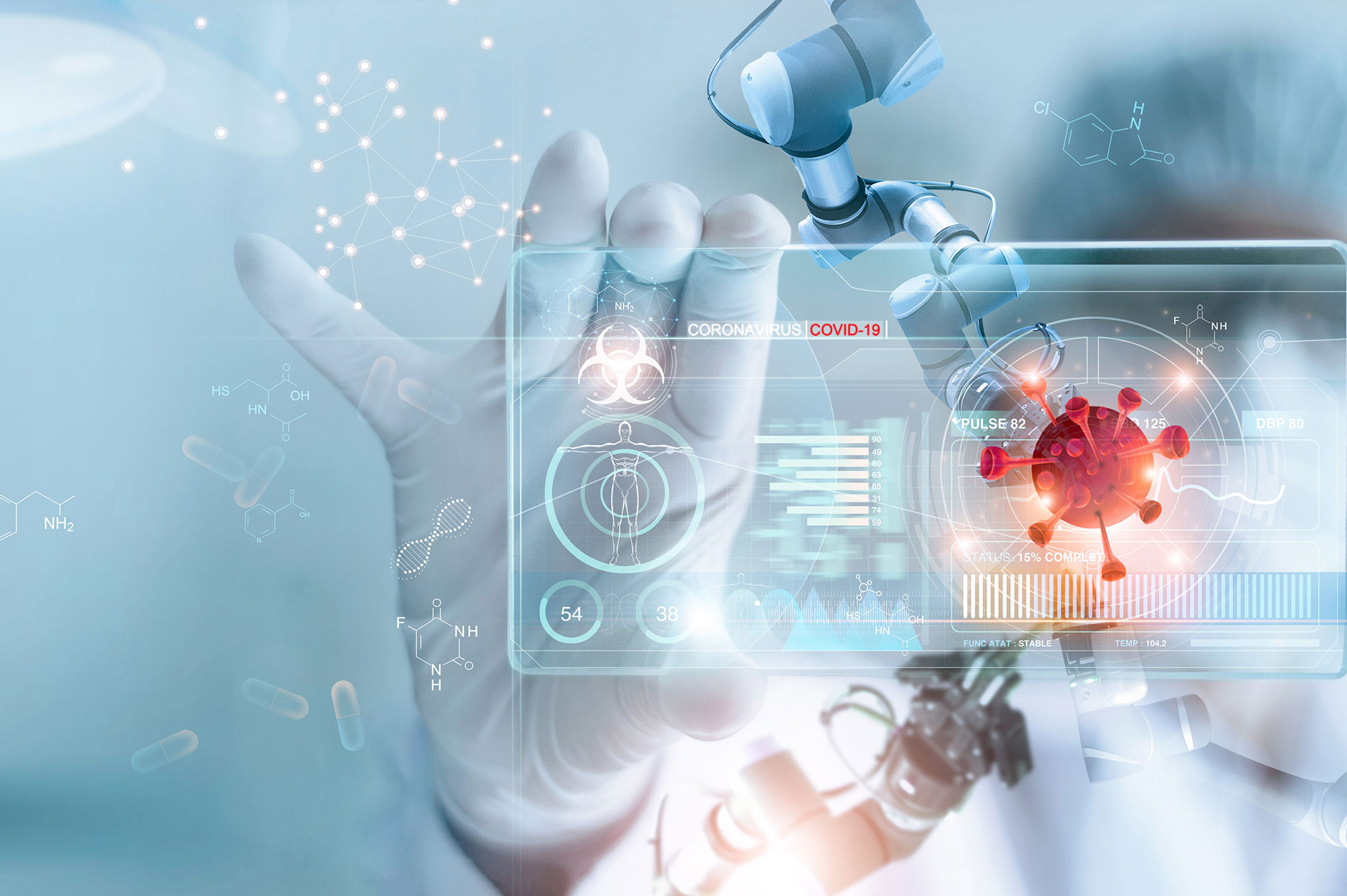
ToggleCorona virus is the general name for a large family of viruses that have been known for years. There are subtypes that cause disease in humans and animals. So far, the subtypes that cause disease in humans cause flu and sometimes a slightly more severe flu. From time to time, viruses can mutate and form different subtypes. The subtype of the corona virus, which we encountered in China this year and spread all over the world, is Covid 19.
Corona virus, like all other viruses, needs a living cell to survive. No virus, including Corona, is capable of living and reproducing on its own.
The coronavirus can be transmitted from person to person through the air and by contact. When a sick person sneezes or coughs, millions of tiny invisible droplets spread. Through these droplets, viruses are transmitted from person to person.
The coronavirus can remain active for several hours even in lifeless places. This means that the virus can also be transmitted to healthy people from places that a person with the corona virus uses or comes into contact with. For this reason, it is inconvenient to bring your hands to your mouth, eyes and ears after touching other places in public transportation, markets or buildings (door handles, elevator buttons, armrests, handles, etc.). It is important not to share items such as plates, cups, towels, etc. with anyone.
The first measure to be taken to protect against not only corona but all infectious diseases is personal hygiene. Of course, hand hygiene is first and foremost. Our hands are everywhere during the day. Therefore, it is very important to wash them as often and correctly as possible.
First of all, it should be washed with soap, not just water. The palms, outside, between the fingers, nails and fingertips should be washed completely for at least 20 seconds. It is even recommended to wash up to your elbows if possible.
Where there is no water-soap; cologne (80-degree alcohol ratio), alcohol-based disinfectants-gel-wipes can be useful.
Wash/ventilate your clothes when you get home. It is very important to take a shower if possible.
When the pandemic first started, there were different opinions on whether people other than healthcare personnel should wear masks. However, over time, as the whole world, we started to get to know the virus closely, to understand more about how it spreads and how to protect ourselves from the virus. It became clear that wearing a mask is indisputably necessary.
However, we can still be inexperienced in the proper use of the mask.
There are many different types of masks; disposable masks, masks called n95, cloth masks... First of all, masks should be used as described according to the area of use. For example, disposable masks; as the name suggests, they are not designed for repeated use. They should be discarded after one use.
No matter which mask it is; when wearing a mask, it should only be held by the handles to be put over your ears, never touch the front area covering your mouth and nose. The mouth and nose should be inside the mask. The virus is taken from the nose at a rate of -80. Therefore, covering only the mouth does not provide any protection.
Wearing a mask does not mean 0 protection against the virus. It is very important to maintain social distancing while wearing a mask.
It should be remembered that masks and gloves are medical waste. Used masks and gloves should be disposed of properly (in a sealed bag)
The incubation period of the coronavirus is 14 days. This means that a person who is positive for coronavirus may not show any signs of illness for 14 days.
Avoid crowded closed places as much as possible, even if there are no signs of illness. It is important to follow personal hygiene rules and not to use common items.
Corona virus can remain active on inanimate surfaces for at least a few hours. For this reason, you can clean surfaces with soap, water, bleach, alcohol-based disinfectants. Especially in humid kitchens and bathrooms, cleaning with half a glass of bleach added to 5 liters of water will be beneficial.
Our cell phones are one of the most contaminated items during the day. It is also important to clean our phones using antibacterial wipes.
There is currently no drug or vaccine developed against the corona virus that can be used to treat it. Of course, research continues at full speed, but clinical trials, authorizations and market launches of drugs or vaccines are not short processes.
People with weak immune systems constitute the risk group. With the coronavirus, no one dies from a sore throat, fever or cough. People die from lung failure, heart failure and kidney failure.
The group most at risk for these organ failures are people over the age of 60 with chronic diseases (COPD, lung diseases, heart-kidney diseases, diabetes), immunocompromised (cancer patients, organ transplant recipients, autoimmune diseases, etc.).
Published research has shown that children under the age of 9 are more resistant to the negative effects of the coronavirus. Of course, it is important to follow the data in the future. However, it is currently known that there are no deaths of children under the age of 9 due to the corona virus.
Of course, it is important to take precautions such as personal hygiene, hand washing, creating physical barriers (use of masks etc.). However, our biggest weapon to avoid getting sick is our body's defense system, also known as our immune system. The stronger our immune system (medically known as the immune system) is, the stronger we are. No matter what virus, bacteria or fungus our body encounters, it can resist diseases with a strong immune system. However, in the opposite case, i.e. in the case of weak immunity, even the simplest microbes can completely disrupt the body's balance and cause serious consequences. For this reason, people at risk for many pathogens, including coronavirus, are those with a low immune system.
Good nutrition, good sleep, regular exercise and fresh air are inevitable to support our immune system. However, unfortunately, due to today's conditions, we are sometimes unable to fulfill these conditions.
Food does not contain enough vitamins and minerals because it does not spend enough time in the field, crowded cities limit adequate oxygen intake, and many of us work without even seeing daylight.
These adverse conditions increase our need for supplements to support our immune system. One of the most effective of these supplements is ozone therapy.
Ozone stimulates white blood cell production. One of the cells in our blood is white blood cells = white blood cells = leukocytes. These cells defend our body against any disease-causing agents or foreign substances that enter our body. It is possible to call white blood cells the backbone of our immune system.
There are different types of white blood cells: lymphocytes, monocytes, neutrophils, eosinophils. All these white blood cells have their own defense mechanisms and functions. For example, neutrophils destroy disease-causing cells; eosinophils destroy allergy agents, parasites and toxic substances; lymphocytes make up half of the white blood cells and are one of the most important soldiers of our defense system with their different subtypes.
In the absence of oxygen, all these white blood cells cannot function properly and become dysfunctional. Ozone stimulates the production of white blood cells and optimizes their functioning.

Dr. Handan Yavuz
Other Articles

Saç Dökülmesine İyi Gelen Yağlar: 5 Öneri 2026
Saç Dökülmesi Hangi Doktora Gidilir? 2026 Rehberi
Çocuklarda Saç Dökülmesi Nedenleri 2026 Rehberi
Kadınlarda Saç Dökülmesi Neden Olur? 2026 Rehberi



 Turkish
  English
  German
  French
  Italian