
Beard Transplant
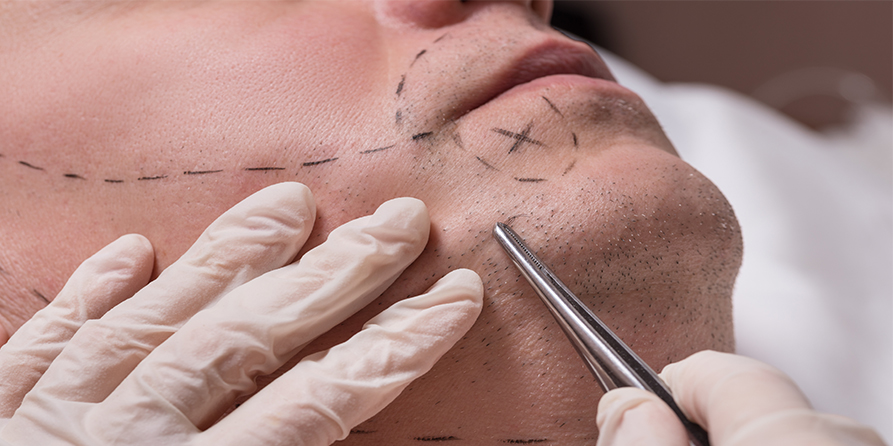
Why Doesn't Beard Grow?
- Genetic causes
- Some hormonal imbalances
- Some diseases (such as ringworm)
- Various traumas (such as burns, deep cuts...)
What is Beard Transplantation?
- Only the existing beard model can be strengthened
- A good symmetry can be created
- Beard area can be expanded
- Beard shape can be improved
How Is Beard Transplantation Done?
Who Can Have a Beard Transplant?
How Many Hours Does Beard Transplant Take?
Will I Feel Pain During Beard Transplantation?
What is the Recovery Process After Beard Transplantation? Do Permanent Scars Occur?
No permanent scarring occurs.
What is the Recovery Process After Beard Transplantation? Do Permanent Scars Occur?
How Long Does It Take To Go Back To My Daily Life After Beard Transplantation?
What Should I Pay Attention to After Beard Transplantation?
When Do Transplanted Beards Grow?

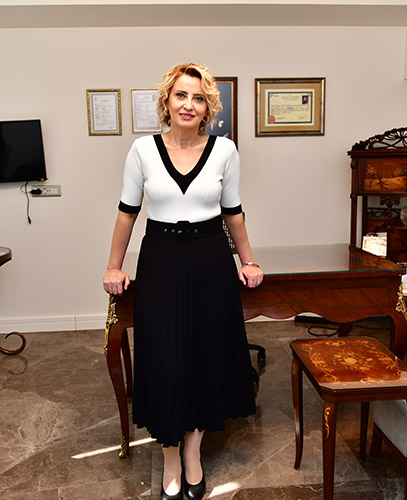
Nişantaşı'nda Sakal Ekimi
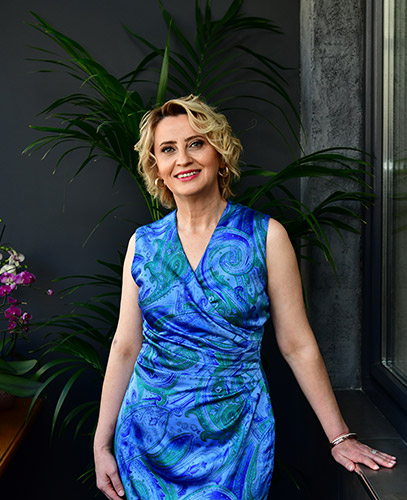
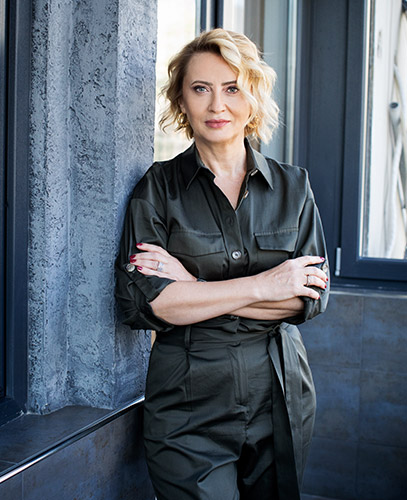
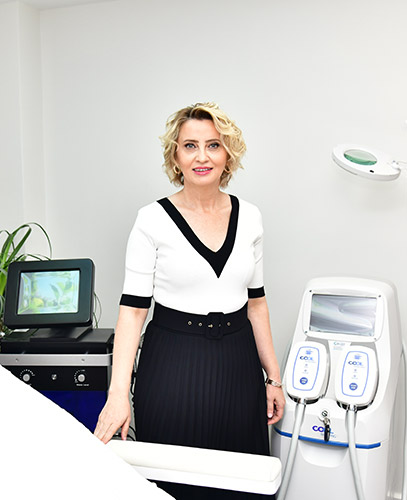
Özel Medlook Polikliniği, İstanbul’un Şişli ilçesine bağlı Nişantaşı semtinde, Harbiye’de Abdi İpekçi Caddesi üzerinde yer alır. Sakal ekimi uygulamaları kurucu ve medikal direktör Dr. Handan Yavuz tarafından planlanır ve yürütülür.
Uygulama öncesinde donör bölgenin kapasitesi, mevcut sakal yoğunluğu ve yüz hatlarınız değerlendirilir; ekim yapılacak alan ve kök sayısı bu değerlendirmeye göre belirlenir.
- Adres: Harbiye, Abdi İpekçi Cad. No: 59, Kat: 4, Daire: 4, Nişantaşı, 34367 Şişli / İstanbul
- Telefon: +90 212 230 10 80
- Çalışma saatleri: Her gün 09:00 – 19:00
Sakal Ekimi Hangi Bölgelere Uygulanır?
Sakal ekimi tek bir bölgeyi değil, yüzün kıllanma gösteren farklı alanlarını kapsayabilir. Planlama kişinin mevcut sakal yapısına ve hedeflediği görünüme göre yapılır.
- Çene ve çene altı: Sakalın en yoğun olması beklenen bölge; seyreklik en çok burada fark edilir.
- Favoriler: Kulak önünden çeneye uzanan hat. Simetri açısından belirleyicidir.
- Cheeks Sakal alanının genişletilmesi ve hattın belirginleştirilmesi için değerlendirilir.
- Bıyık bölgesi: Üst dudak üzerindeki alan; daha hassas bir bölge olduğu için ayrı planlama gerektirir.
- İz ve yanık alanları: Travma ya da yanığa bağlı kıllanmanın olmadığı bölgeler.
Donör bölge olarak genellikle başın arka tarafında iki kulak arasında kalan ense bölgesi kullanılır. Bu bölgedeki kökler dökülmemeye kodlanmıştır.
Sakal Ekiminde Kullanılan Teknikler
Sakal ekimi, saç ekiminde kullanılan tekniklerle yapılır. Kliniğimizde iki yaklaşım değerlendirilir.
FUE (foliküler ünite ekstraksiyonu)
Donör bölgeden kökler tek tek alınır ve açıları ayarlanarak ekim alanına yerleştirilir. Sakal ekiminde açı ve yön, sonucun doğal görünmesini belirleyen en kritik unsurdur; yüz bölgesindeki doku saçlı deriye kıyasla daha hassas olduğu için uygulama daha ince bir çalışma gerektirir.
Long Hair FUE
Donör bölge tıraş edilmeden uygulanan yöntemdir. İş hayatına ara vermeden dönmek isteyen ve ense tıraşı istemeyen hastalar tarafından sakal, bıyık ve eyebrow transplant uygulamalarında tercih edilmektedir.
Hangi tekniğin uygun olduğu; donör bölgenin yapısı, ekilecek alanın genişliği ve kişinin günlük hayatına dönüş beklentisi göz önünde bulundurularak hekim tarafından belirlenir.
Kaç Kök (Greft) Gerekir? Neye Göre Belirlenir?
Sakal ekiminde gereken kök sayısı kişiye göre değişir; standart bir rakam yoktur. Planlamada şu etkenler değerlendirilir:
- Ekilecek alanın genişliği: Sadece favorilerin doldurulması ile tüm sakal alanının şekillendirilmesi farklı sayılar gerektirir.
- Mevcut sakal yoğunluğu: Seyrek de olsa var olan kıllanma, hedeflenen sıklığa ulaşmak için gereken kök sayısını azaltır.
- Hedeflenen yoğunluk: Doğal ve dengeli bir görünüm mü, daha gür bir sakal mı istendiği.
- Donör bölgenin kapasitesi: Ense bölgesinden güvenle alınabilecek kök miktarı sınırlıdır ve kişiden kişiye değişir.
- Yüz hatları ve simetri: Sakal hattının yüz oranlarıyla uyumlu planlanması.
Bu değerlendirme muayenede yapılır. Kök sayısı belirlenmeden işlem planlanmaz.
Sakal Ekimi Fiyatını Belirleyen Etkenler
Sakal ekiminde tek bir fiyat söz konusu değildir. Maliyeti belirleyen başlıca etkenler şunlardır:
- Ekilecek kök sayısı: Fiyatı en çok etkileyen unsurdur ve yukarıdaki planlamaya göre belirlenir.
- Uygulama alanı: Bölgesel bir tamamlama ile tüm sakal alanının şekillendirilmesi farklı kapsamdadır.
- Seçilen teknik: Klasik FUE ile tıraşsız Long Hair FUE’nin uygulama süresi ve gereksinimleri farklıdır.
- Anestezi tercihi: Lokal anestezi, sedasyon veya iğnesiz (basınçlı) anestezi seçeneklerinden hangisinin kullanılacağı.
- Kontrol ve takip süreci: İşlem sonrası yıkama ve kontrollerin kapsamı.
Net fiyat ancak muayene ve planlama sonrasında verilebilir. Randevu için iletişim sayfamızdan bize ulaşabilirsiniz.
İşlem Sonrası Zaman Çizelgesi
Sakal ekimi sonrasındaki süreç, saç ekimine kıyasla daha hızlı ilerler. Bunun nedeni yüz bölgesindeki damarlanmanın ve kan akışının daha yoğun olmasıdır.
- İlk 3 gün: Ekilen köklerin tutunması açısından en hassas dönem. Bölge fiziksel temastan korunmalı, üzerine yatılmamalı; sigara ve alkolden uzak durulmalıdır.
- İlk hafta: Ekim bölgesinde nokta şeklinde kabuklanmalar görülür. Hastaya tarif edilen şekilde yıkama yapılır.
- 7–10 gün: Kabuklanmalar tamamen dökülür ve iyileşme tamamlanır. Kalıcı iz oluşmaz.
- 2–3 hafta: Ekilen kıllar dökülür. Bu beklenen bir aşamadır, endişe gerektirmez.
- 1–1,5 ay: Kıllar yeniden çıkmaya başlar.
- 3 ay: Belirgin bir artış gözlenir.
- 6 ay ve sonrası: Kesin sonucun değerlendirilmesi için beklenmesi gereken süre.
Günlük yaşama dönüşü engelleyecek fiziksel bir durum oluşmaz. Tıraş olmaya ne zaman başlanacağı, iyileşmenin seyrine göre hekiminiz tarafından belirtilir.
Frequently Asked Questions
Ekilen sakallar kalıcı mıdır?
Ekimde kullanılan kökler ense bölgesinden alınır ve bu kökler dökülmemeye kodlanmıştır. Yeni bölgelerinde de bu özelliklerini korurlar.
Sakal ekimi acı verir mi?
İşlem öncesinde donör bölgeye ve ekim alanına lokal anestezi uygulanır; operasyon süresince ağrı hissedilmez ve kişinin bilinci açıktır. İsteyen hastalarda sedasyon uygulanabilir. Ayrıca iğne yerine basınçla anestezi maddesinin verildiği yöntem de sunulmaktadır; bu sayede anestezi aşamasında da acı hissedilmez.
Kaç yaşından sonra yaptırılabilir?
Sakal gelişimi ortalama 21 yaşına kadar sürer. Bu nedenle ergenlik döneminin tamamlanması beklenir; 21–22 yaş üzerindeki sağlıklı erkekler değerlendirmeye alınabilir.
Kremler veya ilaçlarla yeni sakal çıkar mı?
Dışarıdan uygulanan kremler ve ağızdan alınan ilaçlar olmayan bir bölgede yeni kıllanma başlatmaz. Bu yaklaşımlarla var olan kılların güçlenmesi ve kalınlaşması söz konusu olabilir.
Seyrek sakalın nedeni her zaman genetik midir?
Hayır. Genetik yatkınlık dışında hormonal dengesizlikler, saçkıran gibi bazı hastalıklar ve yanık veya derin kesik gibi travmalar da neden olabilir. Hormonal ya da hastalığa bağlı durumlarda öncelikle bu nedene yönelik tedavi değerlendirilir; ekim, genetik ve travmaya bağlı durumlarda gündeme gelir.
Sakal ekimi ile saç ekimi arasındaki fark nedir?
Teknik aynıdır; fark uygulama alanındadır. Yüz bölgesindeki doku daha hassas ve yumuşak olduğu için sakal ekimi daha ince bir çalışma gerektirir. Buna karşılık iyileşme ve sonuç, hair transplant kıyasla daha hızlıdır.

 Turkish
  English
  German
  French
  Italian