

How Is a Hair Transplant Done, and Who Is It Suitable For?
 Dr. Handan YavuzUpdated 10 min read
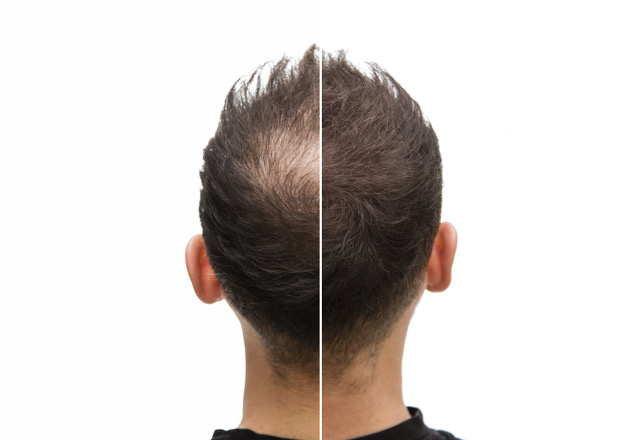
If your hair has started thinning at the crown or receding at the frontal hairline, one of the first questions that comes to mind is: How is a hair transplant done? The short answer is this: the roots at the nape that resist hair loss are moved one by one to the thinning area. Because the transplanted roots are genetically resistant to shedding, the result stays permanent. In this respect, the procedure is not a temporary cosmetic touch but a long-term solution.
In this guide, we go through the steps of the procedure, the FUE and DHI methods, how the graft count is determined, and how recovery progresses, in order. Our goal is not exaggerated promises but helping you make your decision with the right information. You will find simple, clear answers to the basic questions on your mind. That way, when you go to the clinic, you can talk knowing what is being done and why.
Highlights
- The procedure is based on moving the roots at the nape that resist hair loss to the thinning area, and it gives a permanent result.
- A single session takes 6-8 hours on average; the person usually returns home the same day.
- The two most commonly used methods are FUE and DHI; both work on the same logic, and the difference lies in how the roots are placed.
- In studies reported by professional associations, patient satisfaction is reported at rates close to 90%.
- The result fully settles in 8-12 months; shock loss seen in the first months is a natural part of the process.
How is Hair Transplantation Done?
The answer to how a hair transplant is done comes down to two basic steps: harvesting the roots and placing them in the thinning area. First, the nape area is numbed with local anesthesia, then the roots are extracted one by one. These roots are carefully placed into the micro-channels that are opened, and the procedure is completed by giving the correct angle. The entire process takes place in a sterile environment with an experienced team.
The whole procedure takes about six to eight hours on average, and the person returns home the same day. The method used may be FUE or DHI; both are based on moving roots. The difference appears in how the roots are placed in the skin and at the channel stage. Which method to choose is determined by hair structure and the targeted density.
- The hairline and transplant area are measured, drawn, and planned according to facial proportions,
- The donor area is numbed with local anesthesia and prepared for root harvesting,
- The roots that resist hair loss are extracted one by one without damage, keeping their integrity intact,
- The harvested roots are kept in a special solution so that they do not lose their viability,
- The roots are placed at the correct angle and direction into the micro-channels opened in the transplant area,
- When the procedure is complete, the donor area is closed and the first care steps are explained.
Who Is a Hair Transplant Suitable For?
The procedure is suitable for people who experience permanent hair loss and have enough healthy roots at the nape. In male pattern hair loss, the best results are obtained when the hair loss has settled on a certain base. Women with sufficient donor capacity can also be suitable candidates. Age alone is not decisive; the real criteria are the state of the hair loss and the strength of the donor.
In active and rapidly progressing hair loss, it is preferred to first stabilize the process with medical treatment. If there is uncontrolled diabetes or conditions affecting blood clotting, the procedure may be postponed. Unrealistic expectations are also discussed in advance, as they lower satisfaction. The right candidate selection becomes clear through a detailed examination.
How Is It Performed with the FUE Technique?
The FUE technique is based on harvesting the roots from the nape one by one with a fine-tipped motor. After a short holding period, the harvested roots are placed in the opened channels. Since this method does not involve cutting a strip, it leaves no noticeable scar. This is also why it has been the most preferred approach in recent years.
The angle, depth, and density of the channels are planned according to the natural growth direction of the hair. The correct angle is the most important detail that determines whether the result looks natural. An experienced team designs the direction of the hair that will grow from the very start, at the channel stage. That way, when the lengthening hair is combed, no artificial look appears.
- Because no strip is cut, leaving no noticeable stitch scar is its most important advantage,
- It is suitable for establishing a balanced distribution in a single session in large bald areas,
- Only small dots that are hard to see with the eye form in the donor area,
- Recovery is relatively quick, and return to daily life occurs within a few days,
- Because it can be adapted to different hair structures, it suits a wide group of candidates.
How Is It Performed with the DHI Technique?
The DHI technique takes the root with a pen-shaped special tip and places it directly into the skin without opening channels. This way, the channel opening and transplantation stages are combined in one step. It stands out for those who want dense hair and care about frontal hairline design. Because the time the roots remain outside is shortened, it also offers an advantage in terms of survival.
In this method, the procedure progresses more slowly, so experience and patience are required. Placing roots one by one makes it easier to establish a soft transition at the front. In very large areas, the procedure can take longer, so planning is done carefully. Which technique is suitable is determined after hair analysis.
How Is the Graft Count Determined?
The graft count is calculated according to the size of the area to be transplanted and the capacity of the donor area. The openness of the forehead, the condition of the crown, and the desired density directly affect this number. While a few thousand grafts may be enough for a small area, large areas require more. The number is determined at the examination through measurement and photographic analysis.
The aim is not to hit the highest number, but to build a balanced distribution while protecting the donor. Overly aggressive planning can leave the nape weak in the future. That is why the calculation is made with the long-term appearance in mind. In some people, a second session may be planned for the ideal result.
- The width of the bald area to be transplanted and the density of existing hair,
- The density of healthy roots in the donor area and overall capacity,
- The targeted density level at the frontal hairline and the desire for coverage,
- A forecast of how hair loss may progress in the future,
- The contrast between hair strand thickness and color and skin color.
Why Is the Donor Area So Important?
The donor area is the nape and above-the-ear area from which the roots to be transplanted are taken. The roots here resist hair loss and do not fall out where they are moved to either. The capacity of this area is the real factor that determines the limits of the procedure. A healthy and dense donor allows transplantation into large areas.
Once the donor area is thinned, it cannot be refilled, so it must be used in moderation. A good plan considers today's need together with possible future hair loss. Excessive harvesting from a single point can lead to noticeable thinning in the donor area. A balanced harvest is the foundation of a natural and permanent result.
What Preparations Are Made Before the Procedure?
Before the procedure, blood-thinning medications and some supplements should be shared with the physician. Aspirin, fish oil, and alcohol increase the likelihood of bruising, so stopping them a few days beforehand is requested. Smoking is also known to negatively affect survival, so reducing it is recommended. Pre-procedure tests are requested when needed to confirm safety.
On the day of the procedure, it is enough for the hair to be clean and undyed. Not coming on an empty stomach and choosing comfortable clothing increases comfort. Discussing your expectations openly with the physician ensures the plan is set up to suit you. A good preliminary consultation clarifies in advance what you will encounter throughout the day.
- Informing the physician a few days in advance about blood-thinning medications and supplements,
- Stopping alcohol consumption in the days before the procedure,
- Reducing smoking, because it negatively affects the survival of the roots,
- Having the hair clean, undyed, and gel-free on the day of the procedure,
- Wearing comfortable clothing and not coming on an empty stomach.
What Happens Step by Step on the Day of the Procedure?
The day begins with drawing the hairline and photographic planning. Then the donor area is numbed and root harvesting begins. The harvested roots are kept in a special solution that preserves moisture and temperature. This holding is important for keeping the roots viable.
In the next stage, the transplant area is numbed and the roots are placed one by one. Short breaks are given in between, and a light meal can be had. When the procedure ends, the donor area is closed and care instructions are explained. The person is sent off after being informed about the first wash and medication use.
How Do the First Days After a Hair Transplant Go?
On the first night, it is important not to touch the transplanted area and to keep the head elevated. The first wash is usually done within a few days in the way the physician describes. Scabbing occurs during this period and falls off on its own over time. Not interfering with the scabs helps the roots stay in place.
During the first week, you should avoid strenuous exercise, saunas and direct sunlight. Mild swelling and redness are expected reactions and subside within a few days. Paying attention to your sleeping position protects the treated area. Following the instructions directly contributes to the healthy anchoring of the follicles.
- Keeping the head elevated on the first night and not touching the transplanted area,
- Not interfering with the scabs and avoiding scratching,
- Doing the first wash with the gentle method described by the doctor,
- Staying away from saunas, steam baths and intense exercise for a week,
- Avoiding direct sun exposure and taking the recommended medications regularly.
How Does the Recovery Process Progress?
Recovery is gradual and requires patience. Within the first ten days, the scabs fall off and the skin returns close to its normal appearance. From the second month, some of the transplanted hairs may shed temporarily. This shedding paves the way for new, stronger hair to grow.
After the fourth month, new hair starts to emerge and density gradually increases. By the eighth month, the look settles noticeably, and the full result becomes clear within a year. This timeline varies slightly from person to person. Nutrition, sleep and general health also affect the speed of recovery.
- First ten days: the scabs fall off and the skin returns close to its normal appearance,
- Second month: temporary shock loss may be seen in the transplanted hair,
- Fourth month: new hair begins to emerge and grows out finely,
- Eighth month: density becomes noticeable and the look begins to settle,
- Twelfth month: the result becomes largely clear and takes on its natural look.
Contact Us
Contact Us Now for Free Consultation and Appointment!
Is Experiencing Shock Loss Normal?
Shock loss is the temporary shedding of the transplanted hair, and sometimes of the surrounding existing hair, in the first months. Although it may sound worrying, it is an expected part of the process. The roots of the shed hairs remain in place and grow back. Therefore, shedding does not mean that the procedure has failed.
During this period, instead of panicking, it is best to stick to the care routine. For the scientific background on the topic, a general resource on hair transplantation is worth a look. The new hair that comes in after shedding is more permanent. Waiting patiently makes this temporary phase easier.
When Are Results Visible?
The result of the procedure emerges over months, not in a single day. The first noticeable change is usually seen around the sixth month. For this reason, it is important not to rush the assessment. The thinness seen in the early period is a normal sign of hairs that have not yet come in.
People ask when the result settles as often as they ask how a hair transplant is done. The full look takes up to twelve months in most people. In some people, the final thickening can continue until the eighteenth month. Patient waiting brings the most realistic satisfaction.
What Are the Risks and Side Effects?
When performed under the right conditions, the procedure is safe and no serious risks are expected. Temporary swelling, redness and mild tenderness in the donor area are the most common reactions. These subside on their own within a few days. With pain relievers and the recommended care, this period passes comfortably.
Rarely, problems such as infection or an unnatural appearance may occur; this risk is reduced with an experienced team. A sterile environment and the right technique are the foundation of safety. Following the post-procedure instructions also lowers possible problems. In case of any unusual symptom, it is important to contact the doctor.
- Temporary redness and tenderness at the injection and harvest points,
- Mild, short-lived swelling that can descend to the forehead and around the eyes,
- A feeling of tightness in the donor area lasting a few days,
- Rarely, infection that can occur under non-sterile conditions,
- An unnatural appearance that can result from transplanting at the wrong angle.
How to Choose the Right Clinic?
When choosing a clinic, you should focus not on the lowest price but on the doctor's experience and the clinic's standards. It is important to find out who will perform the procedure and which technique and planning will be used. The real results of previous patients also give you an idea. Transparent information is the clearest sign of a trustworthy clinic.
A sterile environment and realistic expectation management are also indicators of quality service. It is wise to be cautious about promises that seem too good to be true. Details such as the contract, hygiene and follow-up support should be asked about. The right choice determines both safety and the result.
- The doctor personally planning the procedure and being in command of the process,
- Performing the procedure in a sterile, well-equipped environment,
- Openly sharing real patient results,
- Managing expectations honestly and without exaggeration,
- Providing post-procedure care and follow-up support.
Comparison of FUE and DHI Methods
The two methods are often confused; which one is suitable depends on the hair structure and expectations.
| Criteria | FUE | DHI |
|---|---|---|
| Channel stage | Opened separately | Merges with implantation |
| Frequency | High | Very high |
| Procedure time | Middle | Longer |
| Need for shaving | Usually required | Partially flexible |
| Where it stands out | Large area | Dense front hairline |
Those who want to look at the topic as a whole can also explore the other content in our DHI hair transplant and FUE hair transplant content can be reviewed; for all topics, our hair transplant category can be browsed.
A detailed hair analysis is performed at Medlook Private Clinic to clarify the method and graft plan that suit you. For any questions, please feel free to you can contact.
Author: Dr. Handan Yavuz, Medical Aesthetics Specialist. This guide has been prepared to answer the questions most frequently asked by people curious about the hair transplant process.
Frequently Asked Questions (FAQ)
How is a hair transplant performed, and how long does it take?
Grafts are first harvested from the back of the head and then implanted into the thinning area. A single session typically lasts six to eight hours, and the patient returns home the same day. The duration varies depending on the number of grafts to be implanted and the technique used.
Is the procedure painful?
Since local anesthesia is used, you won’t feel any pain during the procedure. You’ll only feel a brief prick when the anesthesia is administered. Afterward, any mild tenderness will subside on its own within a few days.
Is the result permanent?
Yes. Since the transplanted hair follicles are taken from an area resistant to hair loss, they will not fall out in their new location either. For this reason, the results are considered permanent; however, hair loss in the existing hair requires separate monitoring.
When will the results become clear?
New hair begins to grow after the fourth month. The results become noticeable by the eighth month, and the full results become apparent within a year. This timeline may vary slightly depending on the individual’s hair type.
Which is better, FUE or DHI?
Both methods produce lasting results; which is better depends on the individual. FUE may be preferable for large areas, while DHI may be better for a dense hairline design. The right choice is made in consultation with the doctor following a hair analysis.
How soon after the procedure can you return to work?
Most people return to their daily lives within a few days. While two or three days are usually enough for desk jobs, it’s safer to wait a week for physically demanding work. It takes about a week for the scabs to fall off.
Can’t find your question here?Send us what you would like to know and our team will get back to you.
WhatsAppYou May Also Like
NoMor or Light Filler? 5 Differences Under the Eyes
NoMor or light filler for the under-eye area? Compare the purpose and effect of both methods, and which type of dark circle each suits, from an expert perspective.
PRP Prices 2026: What Do They Depend On?
What do PRP prices depend on, and which factors determine the cost? We explain, from an expert's perspective, how the number of sessions, kit type and treatment area affect the 2026 price.
How Many Sessions of Hair PRP? Procedure and Aftercare 2026
What is hair PRP, how does it work against hair loss, and who is it for? We cover the use of plasma prepared from a person's own blood for hair.
 Turkish
 English
 German
 French
 Italian