

How Does the Hair Transplant Process Work from Start to Finish?
 Dr. Handan YavuzUpdated 6 min read
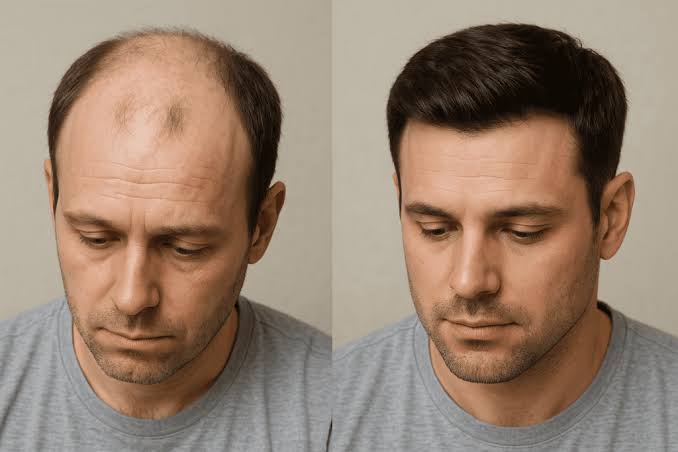
The path from the decision stage to the day the result is seen is more planned than most people think. The hair transplant process, which begins with a consultation and is completed with a recovery lasting months, has its own rules and expectations at every stage. Walking this path with knowledge reduces anxiety and increases satisfaction.
In this article, we cover all the steps in order, from the first meeting to the follow-up spread over months. The aim is to clarify in advance what you will encounter at which stage. This way, you can assess the process with a realistic timeline. We explain every section in plain language.
Highlights
- The process begins with consultation and planning; the transplant is only one stage.
- The procedure day takes an average of 6-8 hours and is completed in a single session.
- First-week care is the most critical period for the anchoring of the follicles.
- New hair emerges after the 4th month, and the result settles at the 12th month.
- Satisfaction is reported at nearly 90% among patients who follow a planned follow-up.
How Does the Hair Transplant Process Progress?
The process consists not of a single procedure but of several consecutive stages. First comes the consultation, where the need is determined, then personalized planning. Next come the procedure day and the long recovery period. Each stage prepares the success of the next.
None of these steps should be skipped or rushed. A properly planned process secures both safety and a natural result. The person's patience and compliance with instructions also determine the result. A conscious path from the start brings the most realistic satisfaction.
What Is Discussed During the Consultation?
The consultation is the first and most important meeting, laying the foundation of the process. At this stage, the type and rate of hair loss and the donor capacity are assessed. Expectations are discussed openly and a realistic goal is set. When necessary, tests are requested to confirm suitability.
This meeting is also the best moment to ask questions. Which technique suits you and the likely graft count become clear here. A transparent consultation is also the beginning of a relationship of trust. A good start makes the whole process easier.
- Assessing the type, rate and general hair structure of the hair loss,
- Examining the capacity of the donor area,
- Discussing expectations and goals openly,
- Determining the suitable technique and the estimated graft count,
- Requesting blood tests if deemed necessary.
How Are Planning and Hairline Design Done?
Planning is the stage where the information gathered in the consultation is turned into a roadmap. The hairline is drawn according to facial proportions and age. The transplant direction, density and graft distribution are determined at this stage. A photographic record is kept to compare progress.
Good planning is the invisible but most decisive part of a natural result. The donor area is used in a balanced way, also considering possible future hair loss. Not rushing at this stage protects long-term satisfaction. Once the plan is clear, the procedure day follows.
- Drawing the hairline according to age and facial proportions,
- Determining the transplant direction and angle for a natural look,
- Distributing the grafts evenly across the areas,
- Planning the donor area so that it is preserved for the future,
- Creating a photographic record for comparison.
How Does the Procedure Day Go?
The procedure day is the stage where the plan is put into practice. The donor area is numbed, the follicles are harvested and placed in the transplant area. The whole process takes an average of six to eight hours. Short breaks are given in between and comfort is maintained.
The person is awake throughout the procedure but feels no pain. At the end of the day, the donor area is dressed and aftercare is explained. Returning home the same day is possible for most people. The first wash after the procedure and the use of medication are described in detail.
How Is the Transplant Stage Carried Out Step by Step?
The transplant stage is the heart of the process that determines the visible result. Channels are opened at the right angle and density, and follicles are placed one by one. At this stage, direction and depth are the key to a natural look. An experienced team meticulously plans the position of every graft.
The time the follicles spend outside the body is kept short, preserving their viability. During placement, density is gradually increased toward the front. This arrangement imitates the real growth pattern of hair. The care taken at this stage directly determines the result months later.
- Opening the channels at the right angle, direction and density,
- Placing the follicles quickly so as to preserve their viability,
- Creating a soft transition at the front with single-hair grafts,
- Distributing density evenly across the areas,
- Checking and dressing the area at the end of the procedure.
How Is the First Week After the Procedure Managed?
The first week is the most sensitive period for the anchoring of the follicles. Not touching or scratching the area and protecting it from impact are essential. The first wash is done as instructed by the doctor and the scabs are gently cleaned. Sleeping position and daily movements are temporarily adjusted.
During this period, mild swelling and scabbing are expected reactions. You need to stay away from heavy exercise, saunas and the sun. The prescribed medications are taken regularly. Compliance with instructions directly affects the quality of the result.
Why Is the Follow-up Examination Important?
The follow-up examination shows whether healing is progressing properly. These meetings, held at certain intervals, catch possible problems early. Photo comparison shows progress in a concrete way. You can also ask any questions on your mind at these meetings.
To support the process, clinical publications on the procedure are worth a look. Check-ups both provide reassurance and are part of the follow-up. Regular monitoring is an important step that increases satisfaction. For this reason, appointments should not be neglected.
How Does the Process Progress Month by Month?
The first month is spent with scabbing and healing, and the skin returns to normal. Shock loss may be seen in the second and third months. After the fourth month, new hair starts to emerge. This timeline varies slightly depending on the person's hair structure.
In the eighth month, density becomes noticeable and the look begins to settle. By the twelfth month, the result becomes largely clear. In some people, the final thickening can continue until the eighteenth month. Waiting patiently allows the most realistic assessment.
What Factors Affect the Process?
The result is determined not only by technique but by many personal factors. Donor quality, hair structure and general health play an important role. Compliance with instructions and lifestyle habits are also influential. When these factors come together, the final appearance takes shape.
The person's patience and realistic expectations also make the process easier. Smoking and irregular nutrition can slow healing. For this reason, the process is a much broader whole than the procedure itself. Every factor contributes to the quality of the result.
- The quality and capacity of the donor area,
- Hair strand thickness and overall structure,
- The person's general health and lifestyle habits,
- Compliance with post-procedure instructions,
- Realistic expectations and patient follow-up.
Contact Us
Contact Us Now for Free Consultation and Appointment!
What Are Common Mistakes During the Process?
The most common mistake is expecting the result too early and being impatient. Picking off scabs, returning to exercise too early and neglecting instructions are also common. These behaviors can negatively affect the anchoring of the follicles. Acting with knowledge prevents most of these mistakes.
Another misconception is considering check-ups unnecessary. In fact, regular monitoring catches problems early. Turning to a reliable source of information also reduces anxiety. Approaching the process with confidence is the healthiest attitude.
Hair Transplant Process Timeline
The table below summarizes the main stages and expected durations.
| Stage | Time | What Happens |
|---|---|---|
| Consultation | Before the procedure | Assessment, plan |
| Procedure day | 6-8 hours | Harvesting and transplant |
| First week | Days 1-7 | Washing, scabs |
| Shock spill | Months 1-3 | Temporary shedding |
| Conclusion | Months 8-12 | Lasting appearance |
For an overview, you can read our How is Hair Transplantation Done? guide and, for a comparison, hair transplant before and after article; for other topics, you can browse our hair transplant category.
At every stage of the process, you can ask the Medlook Private Clinic team your questions. For planning and follow-up, please feel free to you can contact.
Author: Dr. Handan Yavuz, Medical Aesthetics Specialist. This content has been prepared for people curious about the hair transplant process step by step.
Frequently Asked Questions (FAQ)
How Long Does the Hair Transplant Process Take?
The procedure day takes an average of six to eight hours, but the whole process spreads over months. New hair emerges after the fourth month, and the result settles in the twelfth month. This timeline varies from person to person.
Is a Consultation Necessary?
Yes, the consultation forms the foundation of the process. In this meeting, the type of hair loss, donor capacity and expectations are assessed. A proper plan can only be made after this assessment.
How Many Check-ups Are Done After the Procedure?
The number of check-ups varies by person; usually, a few appointments are scheduled at certain months. These examinations monitor healing and catch possible problems early. It is recommended not to neglect appointments.
Can I Work During the Process?
It is possible to return to desk jobs within a few days. For jobs requiring physical strength, waiting a week is more appropriate. Heavy exercise and sweat-inducing activities, on the other hand, are postponed for two weeks.
When will I see the result?
The noticeable result begins to settle in the eighth month, and the full look takes up to the twelfth month. In some people, the final thickening can continue until the eighteenth month. Waiting patiently is best.
Which Stage Is the Most Important in the Process?
Every stage is important, but planning and first-week care markedly affect the result. A good plan secures the natural look, while proper care secures anchoring. Together, the two determine satisfaction.
Can’t find your question here?Send us what you would like to know and our team will get back to you.
WhatsAppYou May Also Like
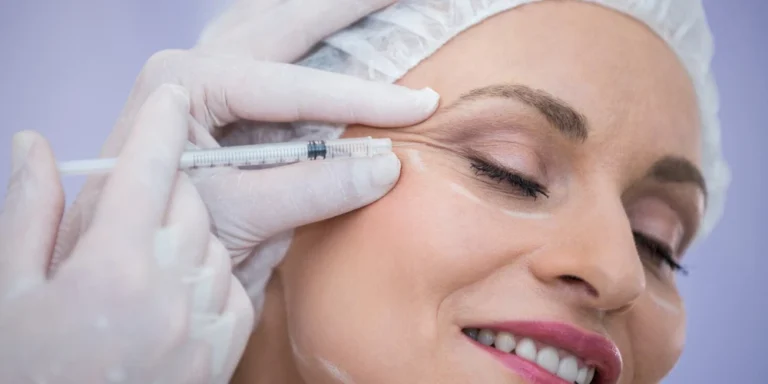
NoMor or Light Filler? 5 Differences Under the Eyes
NoMor or light filler for the under-eye area? Compare the purpose and effect of both methods, and which type of dark circle each suits, from an expert perspective.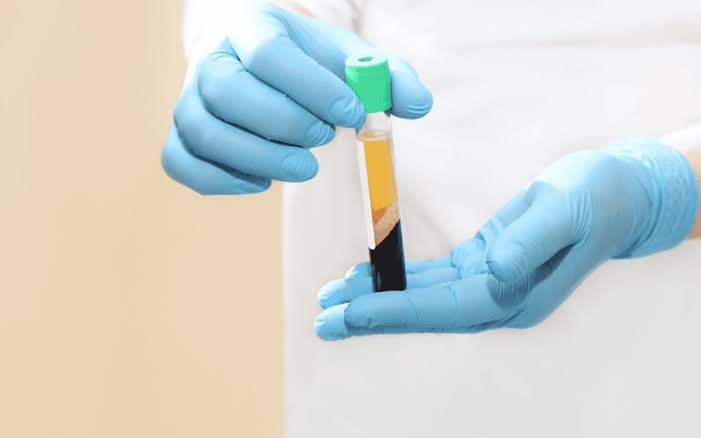
PRP Prices 2026: What Do They Depend On?
What do PRP prices depend on, and which factors determine the cost? We explain, from an expert's perspective, how the number of sessions, kit type and treatment area affect the 2026 price.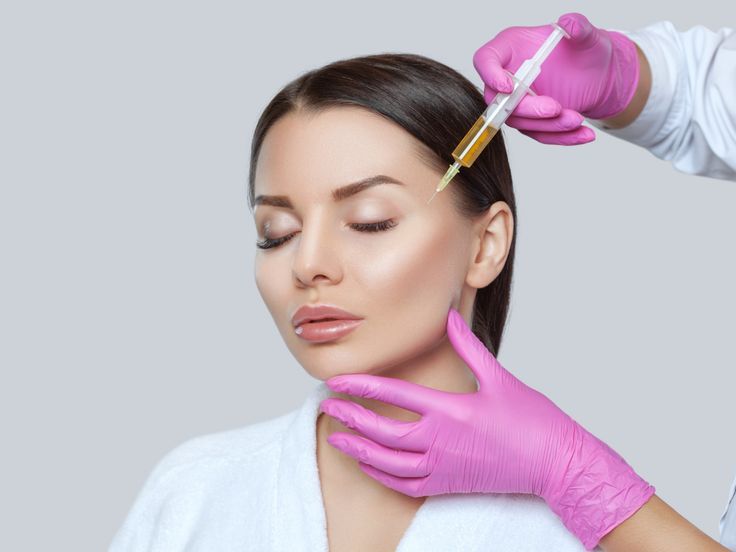
How Many Sessions of Hair PRP? Procedure and Aftercare 2026
What is hair PRP, how does it work against hair loss, and who is it for? We cover the use of plasma prepared from a person's own blood for hair.
 Turkish
 English
 German
 French
 Italian