Corona has been in our lives for almost a year and as predicted, the second wave has reached larger numbers than the first.
Covid-19We apply basic methods such as masks, distance and hygiene to protect ourselves from the virus. But as life goes on, even the simplest of these methods, social distancing, is not completely successful. We have not worked wonders in isolating ourselves either.
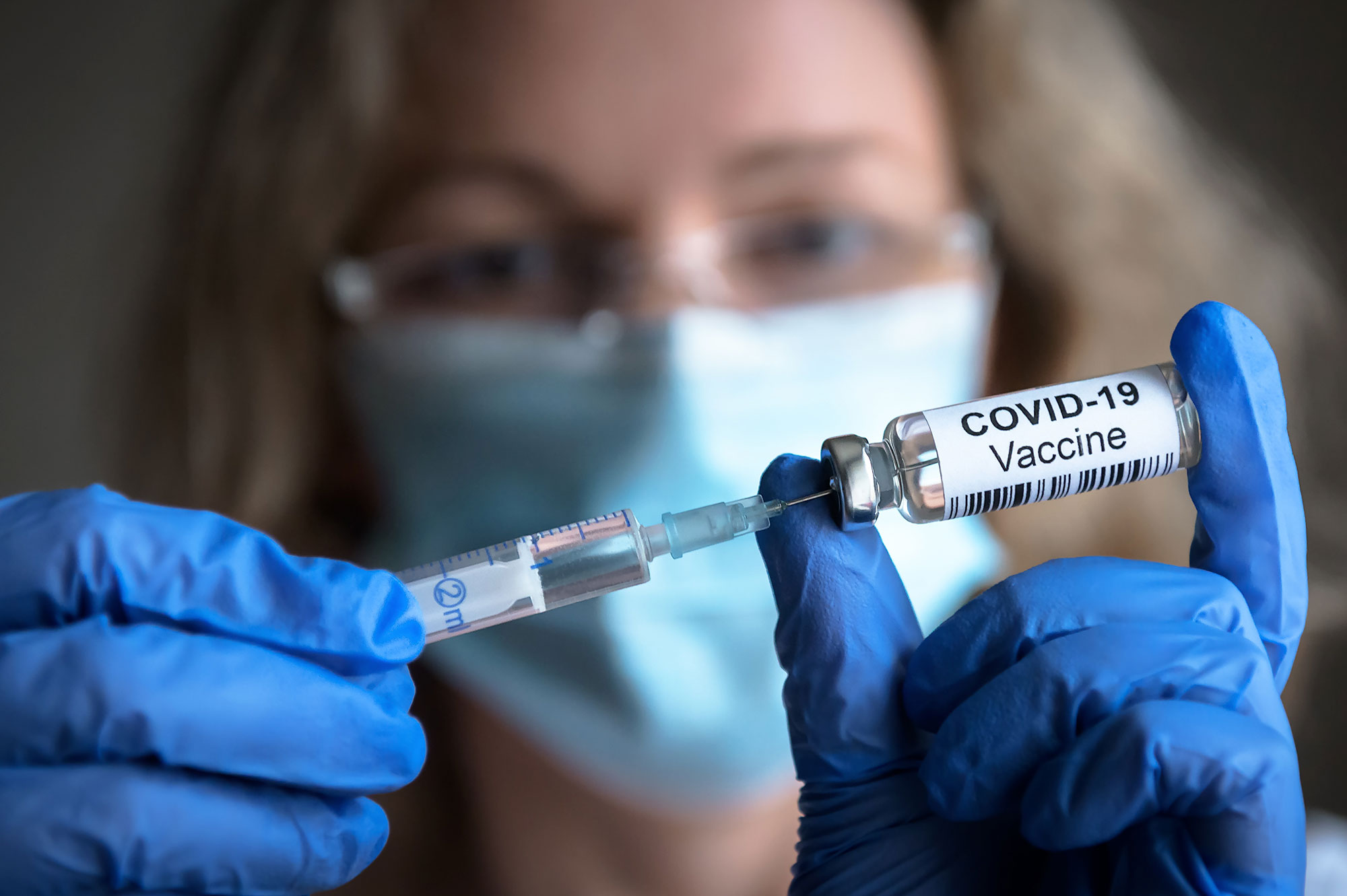
So how do we immunize against corona? There are two ways: the first is to infect most of the population (which would have dramatic consequences) and the second is to vaccinate.
In the world right now 5 different vaccines produced; Biontech / Pfizer Vaccine - Germany / USA, Sputnik V Vaccine - Russia, Moderna Vaccine - USA, Oxford / Astra Zeneca Vaccine - UK / Sweden, Sinovac Vaccine - China
These vaccines have different production technologies; some RNA-based, some Viral Vector, some traditional (Biontech / Pfizer Vaccine - RNA Based, Sputnik V Vaccine - Viral Vector, Moderna Vaccine - RNA Based, Oxford / Astra Zeneca Vaccine - Viral Vector, Sinovac Vaccine - Traditional)
First, let's explain what a traditional vaccine is. Traditional vaccines The infection-causing viruses are weakened/inactivated and injected into the body. This so-called inactivated virus does not harm the body, but the body learns to become immune to the disease-causing virus.
Viral vector vaccines: Gene technology is used. Part of the genetic material of a virus is inserted into a different virus. This is how it is introduced into the body.
In the case of RNA-based vaccines; Unlike the traditional vaccine, instead of the whole virus, part of the virus' genetic material (part of the RNA strand) is injected into the body. After the injection, the body cells start to produce the virus.
The aim of all vaccines is to enable the body to recognize the virus and develop immunity against it.
The first vaccine to arrive in our country is the Sinovac vaccine produced in China. This vaccine is produced by the traditional method, stored at 2-8° and administered in 2 doses at 14-day intervals. The injection is given intramuscularly (intra-muscularly) and, as with most vaccines, the shoulder head is preferred as the injection site.
The question is the risk of low protection rate of this vaccine. However, in the first announced data, the protection rate was . It is said that this rate has increased in the latest data.
Final word; it should be remembered that vaccination is the most effective way to ensure social immunity. Prejudices and information pollution should be avoided.











 Turkish
  English
  German
  French
  Italian