

What Is DHI Hair Transplant and How Is It Performed?
 Dr. Handan YavuzUpdated 6 min read
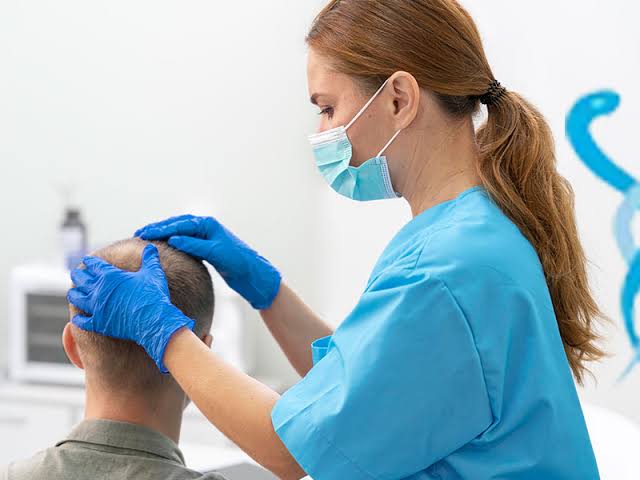
One of the methods most often heard of by people looking for a dense hairline and a natural look is DHI hair transplant. The short answer is this: the hair follicles are taken with a special pen-shaped tip and placed directly into the skin without opening channels. This way, the extraction and implantation stages merge into a single step. This merging allows both dense implantation and less waiting time for the follicles.
In this article, we cover how the method works, who it suits and where it differs from classic FUE. The aim is to help you make an informed decision about which technique suits you. We answer the key questions on your mind in plain language. That way, you will have the knowledge to make comparisons when you go to the clinic.
Highlights
- The follicles are taken with a pen tip and placed directly without opening channels; extraction and implantation merge into a single step.
- Because the time the follicles spend outside the body is shortened, it offers an advantage in terms of graft survival.
- It stands out especially for those who want high density in the front hairline.
- The procedure moves more slowly than the classic method; it requires experience and patience.
- In suitable candidates, patient satisfaction is reported at close to 90% in studies.
What is DHI Hair Transplant?
DHI hair transplant stands for “Direct Hair Implantation,” meaning direct implantation. The follicles are extracted with a pen-shaped tool called an implanter and placed into the skin with the same tool. This means there is no need for a separate channel-opening stage. The most distinctive feature of the technique is that it combines two stages into a single motion.
The basic logic of the method is to keep the follicle waiting as little as possible and put it in place quickly. Because the area in contact with the skin is small, very dense implantation can be done. This provides a full look, especially in sparse areas. When planned correctly, the result mimics the natural hair direction exactly.
How Does the DHI Technique Differ From FUE?
The DHI technique and FUE use the same follicles; the difference lies in the placement stage. In FUE, channels are opened first and then the follicles are placed into them one by one. In DHI, on the other hand, channel opening and implantation combine in a single motion. This distinction affects both the procedure time and the density achieved.
This merging shortens the follicles' waiting time and increases density. On the other hand, the procedure moves more slowly and requires more experience. Because both methods give permanent results, neither is definitively superior to the other. Which is suitable is determined according to your hair structure and your goal.
Who Is DHI Hair Transplant Suitable For?
This method is preferred by people who want high density in the front area and aim for a natural line. It gives good results when the thinning is narrow but pronounced. A balanced distribution can be built in candidates with sufficient donor capacity. Hair thickness suitable for dense implantation also affects the result positively.
In very wide bald areas, planning is done carefully because the procedure will take longer. In active, rapidly progressing hair loss, it is first necessary to wait for the process to stabilize. If there are conditions affecting blood clotting, the procedure may be postponed. Suitability becomes clear after a detailed hair analysis.
How Is the Procedure Performed Step by Step?
The day begins with drawing the hairline and photo-based planning. After the donor area is numbed, the follicles are taken one by one and loaded into implanter pens. These pens preserve the moisture and viability of the follicles. This way, the follicles stay in the best condition until they are placed.
Next, the process moves to the transplant area and the follicles are placed at the desired angle and direction. Because no separate channel is opened, the direction is set directly with the pen. Short breaks are given in between and comfort is maintained. When the procedure ends, the donor area is dressed and aftercare is explained.
- The hairline is drawn and the transplant area is planned with photographs,
- The donor area is numbed and the follicles are taken one by one,
- The extracted follicles are carefully loaded into the implanter pens,
- The follicles are placed directly with the pen at the desired angle and direction,
- At the end of the procedure, the area is dressed and aftercare instructions are given.
Why Is Hairline Design Important?
The front hairline is the most critical area, framing the face and determining naturalness. A poorly designed line looks artificial no matter how dense the result is. That is why the line is planned according to age and facial proportions. A line that is too low or too straight leaves a border that does not look natural over time.
The dense-implantation advantage of the DHI method makes it easier to build a soft transition in this area. Placing follicles one by one preserves their natural direction and angle. Single-hair grafts at the front provide a gradual softening. A good line design is the invisible but most decisive part of the work.
How Can Graft Survival Be Increased?
Graft survival means the transplanted follicles staying alive in their new place and producing hair. The longer the follicles stay outside, the more survival can drop. That is why quick placement directly affects the quality of the result. Preserving the integrity of the follicle is at least as important for survival as speed.
In the DHI method, the follicles' waiting time is short, which gives an advantage in this respect. The right moisture, temperature and implantation angle also support survival. Following post-procedure instructions contributes to the healthy settling of the follicles. Not touching the area in the first days directly protects survival.
- Keeping the time the follicles stay outside short,
- Preserving follicle integrity during extraction and implantation,
- Providing the right moisture and temperature conditions,
- Adjusting the implantation angle and depth in a balanced way,
- Following post-procedure recommendations meticulously in the first days.
How Long Does the Procedure Take, and Is Shaving Required?
The DHI procedure can take six to eight hours depending on the number of grafts. Because of one-by-one placement, it goes a little longer than the classic method. Short breaks are given in between and comfort is maintained. Even if it takes longer, the procedure is completed in a single day.
In some cases, shave-free transplantation can be planned in a limited area, but this is not suitable for every candidate. Shave-free transplantation is preferred mostly in narrow areas and certain hair structures. In wide areas, a full shave allows more controlled work. Suitability is assessed during the consultation.
Recovery and When Results Become Visible
In the first days, mild redness and scabbing occur; these subside within a week. The first wash is done as the physician prescribes, and the area is treated gently. From the second month on, temporary shedding may occur. This shedding is a normal stage seen before the new hairs emerge.
After the fourth month, new hairs begin to emerge and density gradually increases. The visible result settles in around the eighth month, and the full appearance approaches one year. For evaluations that support the process, you can look at the clinical publications on the subject . The result is assessed most realistically after a patient wait.
Contact Us
Contact Us Now for Free Consultation and Appointment!
What Are the Advantages and Limits?
The method's strongest point is a natural result with dense implantation and a short waiting time. The precision it offers in hairline design is an important advantage. Because no separate channel is opened, the tissue is less traumatized. On the other hand, the procedure takes longer and the experience of the team is decisive.
In very wide areas, reaching the goal in a single session may become difficult. In this case, planning is done in a way that protects the donor area. When necessary, a second session may come into play. Realistic expectations are the foundation of satisfaction.
DHI vs. FUE Comparison
The two methods are often confused; the choice varies according to hair structure and goal.
| Criteria | DHI | FUE |
|---|---|---|
| Channel stage | Merges with implantation | Opened separately |
| Frequency | Very high | High |
| Waiting time | Short | Middle |
| Procedure time | Longer | Middle |
| Where it stands out | Dense front hairline | Large area |
To understand the process as a whole, How is Hair Transplantation Done? guide and our FUE hair transplant article; for other topics, you can browse our hair transplant category.
A hair analysis is carried out at Medlook Private Clinic to clarify whether this method is suitable for you. For any questions, you can you can contact.
Author: Dr. Handan Yavuz, Medical Aesthetics Specialist. This content has been prepared to answer the questions of people who are curious about DHI hair transplant.
Frequently Asked Questions (FAQ)
Is DHI Hair Transplant Better Than FUE?
There is no clear superiority; both give permanent results. This method may stand out in dense frontal hairline design, while FUE may stand out for wide areas. The right choice is made together with the physician after a hair analysis.
Is This Method Painful?
Thanks to local anesthesia, no pain is felt during the procedure. There is only a brief sting during the numbing. The mild tenderness that follows the procedure subsides within a few days.
Can It Be Done Without Shaving?
Shave-free transplantation may be possible in limited areas, but it is not suitable for every candidate. It is preferred in narrow areas and certain hair structures. Suitability is assessed during the consultation.
When are results visible?
New hairs start to appear after the fourth month. The visible result settles in around the eighth month, and the full result approaches one year. This timeline can vary depending on hair structure.
How Many Grafts Can Be Done?
The number of grafts is determined by the area to be transplanted and the donor capacity. Because the procedure is based on placing follicles one by one, planning is kept balanced. The aim is to build a natural distribution while protecting the donor area.
When Can I Go Back to Work After the Procedure?
Many people return to desk work within two to three days. For jobs requiring physical effort, waiting a week is more appropriate. Scabbing clears up completely within about a week.
Can’t find your question here?Send us what you would like to know and our team will get back to you.
WhatsAppYou May Also Like
NoMor or Light Filler? 5 Differences Under the Eyes
NoMor or light filler for the under-eye area? Compare the purpose and effect of both methods, and which type of dark circle each suits, from an expert perspective.
PRP Prices 2026: What Do They Depend On?
What do PRP prices depend on, and which factors determine the cost? We explain, from an expert's perspective, how the number of sessions, kit type and treatment area affect the 2026 price.
How Many Sessions of Hair PRP? Procedure and Aftercare 2026
What is hair PRP, how does it work against hair loss, and who is it for? We cover the use of plasma prepared from a person's own blood for hair.
 Turkish
 English
 German
 French
 Italian