
For a Healthy and Long Life
Stress ManagementThe Importance of
Stress has become an inevitable part of modern life. Work, relationships, financial challenges and other pressures of everyday life often increase our stress levels. However, the effects of stress on our health cannot be ignored. Uncontrolled stress in the long termStress can lead to serious health problems such as heart disease, hypertension, depression and immune system problems. Therefore, stress management has become an important skill for living a healthy and long life.
The Effects of Stress on Health:
- Physical Health: Constant stress can increase heart rate, raise blood pressure and weaken the immune system. It can also lead to physical complaints such as headaches, stomach problems, sleep disturbances and muscle tension.
- Mental Health: High levels of stress can lead to mental health problems such as anxiety, depression and focusing difficulties. Stress can strain your mind, negatively affecting your overall quality of life.
- Hormones Chronic stress can cause excess cortisol production in the body. High levels of cortisol disrupt the body's metabolism and can lead to weight gain and other health problems.
Stress On Health Impacts:
Physical Health
Constant stress can increase heart rate, raise blood pressure and weaken the immune system. It can also lead to physical complaints such as headaches, stomach problems, sleep disturbances and muscle tension.
Mental Health
High levels of stress can lead to mental health problems such as anxiety, depression and focusing difficulties. Stress can strain your mind, negatively affecting your overall quality of life.
Hormones
Chronic stress can cause excess cortisol production in the body. High levels of cortisol disrupt the body's metabolism and can lead to weight gain and other health problems.
Stress Management How is it done?

To cope with stress, it is important to understand its source and manage it in a healthy way. Here are some effective methods that can help you cope with stress:
1. Regular Physical Activity
Exercise is one of the most effective ways to reduce the effects of stress. Exercise increases endorphin (happiness hormone) production in the body, improving mood and reducing mental fatigue. Regular walks, yoga, pilates or exercises at the gym can help you manage stress
2. Deep Breathing and Meditation
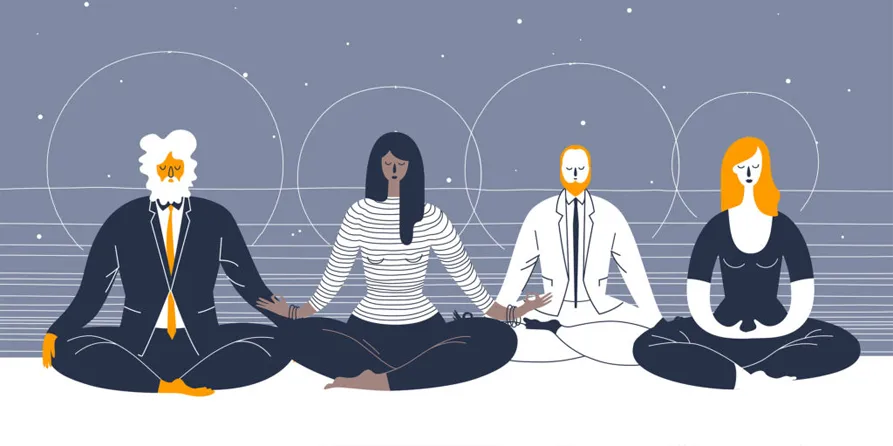
Deep breathing techniques and meditation help to relax the body and calm the mind. Mindfulness meditation helps you stay in the present moment and allows stressful thoughts to drift away. Practices such as breathing exercises and yoga are also highly effective for reducing stress levels.
3. Making Time for Mental Health
Taking care of your own health is part of stress management. In the hustle and bustle of everyday life, it is very important to take time for yourself and ensure your mental relaxation. Rewarding yourself, spending time with hobbies or being alone for a while is beneficial for your mental health.
4. Healthy Nutrition
The food we eat directly affects our mood and our ability to cope with stress. Low-quality and processed foods can make it harder for the body to cope with stress. Instead, by following a healthy and balanced diet, you can fight stress more effectively. Foods such as omega-3 fatty acids, vegetables, fruits and whole grains reduce the negative effects of stress.
5. Building Social Connections
Spending time with family, friends and loved ones alleviates the effects of stress. Social connections provide emotional support and help you cope with stress. Helping others and spending time together can also lift your spirits.
6. Paying Attention to Sleep Patterns
Adequate and quality sleep directly affects our ability to cope with stress. Lack of sleep can increase stress levels and make you more psychologically vulnerable. Establishing regular sleep habits is essential for stress management.
7. Time Management
One source of stress is the feeling of not having enough time. Daily tasks, meetings and other responsibilities can cause you to race against time and increase your stress levels. By improving your time management skills, you can prioritize and feel less pressured.
Conclusion:
While stress is an inevitable fact of life, knowing how to manage it is key to a healthy and long life. With strategies such as physical activity, mental relaxation, healthy eating and good sleep, you can manage stress and live a more balanced life. By integrating stress management into your life, you can strengthen both your mental and physical health and live a healthy and happy life for many years to come.

 Turkish
  English
  German
  French
  Italian