
Sapphire FUE
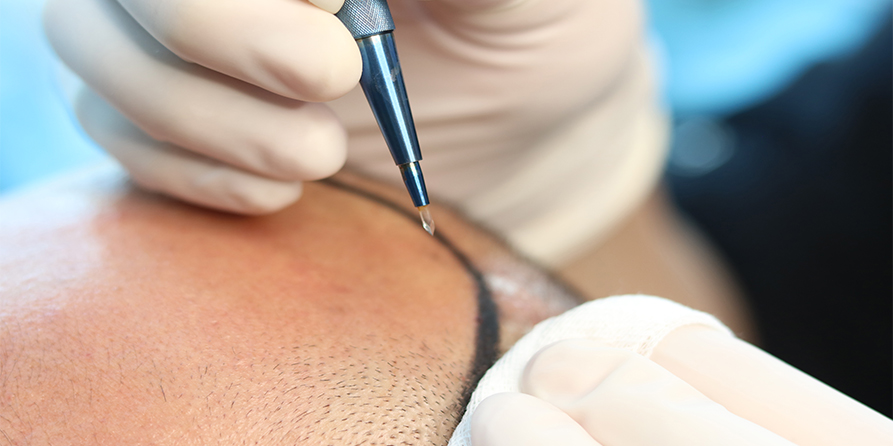
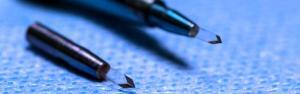
What is a Sapphire Knife?
Sapphire-tipped knives have significant advantages over steel tools:
- Sapphire, which is a very hard crystal, does not lose its sharpness; therefore, there is no tissue loss during canal opening. (steel instruments can cause more damage to tissues during canal opening as they can lose their sharpness over time)
- Blood circulation is not impaired
- Anti-microbial
- Sapphire-tipped blades increase the retention rate of transplanted grafts
The steps performed in Sapphire FUE are as follows:
1- Planning the hair transplant operation
2- Determining the areas to be planted
3- Local anesthesia and collection of grafts
4- Preparation of the area to be planted / Opening of canals
5- Placement of grafts

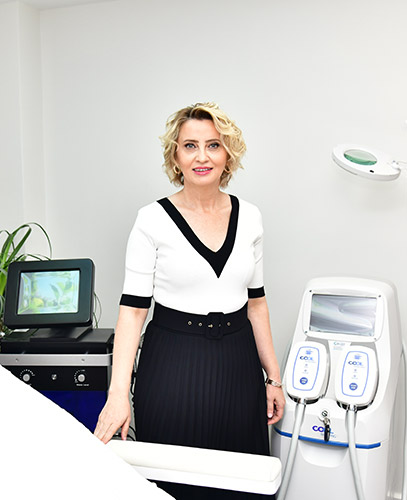
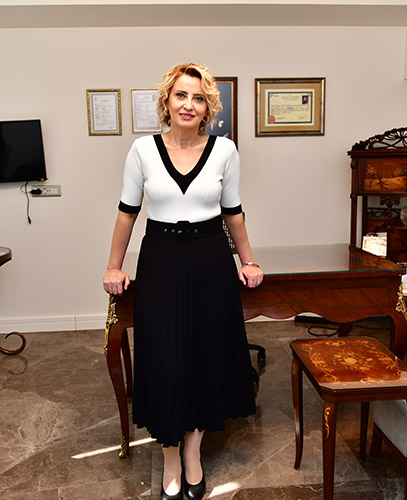
Nişantaşı'nda Safir FUE Saç Ekimi
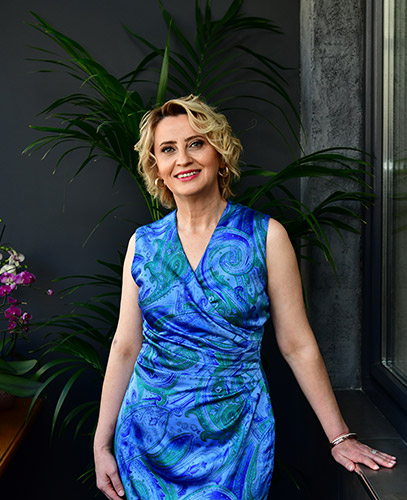
Özel Medlook Polikliniği, İstanbul’un Şişli ilçesine bağlı Nişantaşı semtinde, Harbiye’de Abdi İpekçi Caddesi üzerinde yer alır. Saç ekimi uygulamaları kurucu ve medikal direktör Dr. Handan Yavuz tarafından planlanır ve yürütülür.
Safir FUE’nin size uygun olup olmadığı; saç dökülme tipiniz, donör bölgenizin kapasitesi ve hedeflediğiniz yoğunluk değerlendirilerek muayenede belirlenir.
- Adres: Harbiye, Abdi İpekçi Cad. No: 59, Kat: 4, Daire: 4, Nişantaşı, 34367 Şişli / İstanbul
- Telefon: +90 212 230 10 80
- Çalışma saatleri: Her gün 09:00 – 19:00
Safir FUE ile Klasik FUE Arasındaki Fark Nedir?
Her iki yöntemde de kökler donör bölgeden tek tek alınır ve ekim alanına yerleştirilir. Fark, kanal açma aşamasında kullanılan uçtaIt is.
Classic FUE — kanallar çelik uçlarla açılır. Çelik aletler kullanım süresince keskinliğini kademeli olarak kaybedebilir.
Sapphire FUE — kanallar safir kristalinden üretilmiş uçlarla açılır. Safirin sert bir kristal olması nedeniyle uç keskinliğini korur; bu da kanal açılırken çevre dokuda daha az hasar oluşmasını hedefler.
Sayfanın üst bölümünde belirtildiği gibi safir uçların öne çıkan özellikleri şunlardır: keskinliğini koruması sayesinde doku kaybının önlenmesi, kan dolaşımının korunması ve anti-mikrobiyal yapısı.
Kanal açma aşamasının hiç bulunmadığı bir alternatif için DHI hair transplant sayfamızı, genel FUE süreci için FUE hair transplant You can check our page.
Kanal Açma Neden Bu Kadar Önemli?
Kanallar, ekilecek greftlerin yerleşeceği yuvalardır. Bu aşamada üç unsur sonucun doğallığını belirler:
- Açı: Kanalın cilde göre açısı, çıkacak saçın yönünü belirler. Yanlış açı, saçın dik ya da ters yönde uzamasına yol açar.
- Yön: Saçın doğal büyüme yönüyle uyum, özellikle ön saç çizgisinde belirleyicidir.
- Sıklık ve derinlik: Kanalların birbirine uzaklığı yoğunluğu, derinliği ise greftin doğru oturmasını etkiler.
Kanal boyutunun greft kalınlığına uygun olması da önemlidir; gereğinden geniş açılan kanal greftin oynamasına, dar kanal ise yerleştirmede zorlanmaya neden olabilir.
Safir FUE Kimler İçin Uygundur?
Safir FUE, geniş alan ekimi gereken ve yüksek greft ihtiyacı bulunan adaylar için değerlendirilen bir yöntemdir. Uygunluk muayenede belirlenir; genel olarak şu başlıklar göz önünde bulundurulur:
- Donör bölge kapasitesi: Ense bölgesinden güvenle alınabilecek kök miktarı kişiden kişiye değişir ve planlamanın sınırını belirler.
- Dökülme tipi ve alanın genişliği: Ön saç çizgisi mi, tepe bölgesi mi, yoksa geniş bir açıklık mı hedefleniyor.
- Saç yapısı: Kalınlık, kıvırcıklık ve renk kontrastı sonucun görünen yoğunluğunu etkiler.
- General health status: Kronik hastalıklar ve kullanılan ilaçlar önceden değerlendirilir.
- Tıraş tercihi: Klasik FUE’de genellikle tıraş gerekir. Tıraşsız uygulama isteyenler için DHI or Long Hair FUE değerlendirilir.
Things to Consider Before and After the Procedure
İşlem öncesi
- Kan sulandırıcı ilaç ve alkol kullanımı en az 3 gün öncesinden bırakılmalıdır.
- Kronik rahatsızlıklar ve kullanılan ilaçlar hekime eksiksiz bildirilmelidir.
- Kan testleri ve saç analizi işlem öncesinde tamamlanmalıdır.
- Rahat kıyafetler, tercihen önden düğmeli giysiler tercih edilmelidir.
After the procedure
- İlk yıkama kliniğimizde uzman tarafından yapılır; sonraki yıkamalar için hasta ayrıntılı bilgilendirilir.
- 10 gün boyunca doğrudan güneş ışığından, darbe ve travmalardan kaçınılmalıdır.
- Spor, sauna ve havuz gibi aktiviteler 2–3 hafta ertelenmelidir.
- Ekim yapılan alan kaşınmamalı; kabuklar zorlanmadan kendiliğinden dökülmelidir.
- Önerilen şampuan ve bakım ürünleri belirtilen periyotlarla kullanılmalıdır.
Sonuçlar Ne Zaman Görülür?
Saç ekiminde sonuç kademeli olarak ortaya çıkar. Beklenen seyir şu şekildedir:
- 7–10 gün: Kabuklanmalar dökülür.
- İlk haftalar: Geçici bir “şok dökülme” yaşanır. Bu beklenen bir aşamadır; ekilen köklerin kaybedildiği anlamına gelmez.
- 3. ay: Yeni saçlar çıkmaya başlar.
- 6. ay: Görünüm belirginleşir.
- 12. ay: Nihai sonuç değerlendirilir.
Bu süreler ortalamadır ve kişiden kişiye değişir.
Frequently Asked Questions
Safir FUE acı verir mi?
İşlem lokal anestezi altında yapılır; operasyon süresince ağrı hissedilmez. İşlem sonrasında hafif hassasiyet olabilir. Anestezi aşamasında ek konfor sağlayan seçenekler de sunulmaktadır.
Ekilen saçlar kalıcı mıdır?
Ekimde kullanılan kökler ense bölgesinden alınır; bu kökler dökülmemeye kodlanmıştır ve yeni bölgelerinde de bu özelliklerini korurlar.
Tıraş gerekir mi?
Klasik FUE uygulamalarında genellikle tıraş gerekir. Saçları kestirmeden uygulama isteyenler için DHI and Long Hair FUE seçenekleri değerlendirilir.
Safir FUE ile DHI arasında nasıl seçim yapılır?
Safir FUE’de kanallar önce açılır, greftler sonra yerleştirilir; DHI’de ise kanal açma aşaması yoktur, kökler özel bir kalemle doğrudan yerleştirilir. Geniş alan ve yüksek greft ihtiyacında Safir FUE, tıraşsız uygulama ve sıklaştırma odaklı taleplerde DHI öne çıkar. Karar muayenede verilir.
Fiyatı neye göre değişir?
Ekilecek greft sayısı, uygulama alanının genişliği, seans planlaması ve varsa destek tedaviler (PRP, mezoterapi gibi) maliyeti belirler. Net bilgi muayene ve planlama sonrasında verilir. Randevu için iletişim sayfamızdan bize ulaşabilirsiniz.

 Turkish
  English
  German
  French
  Italian