
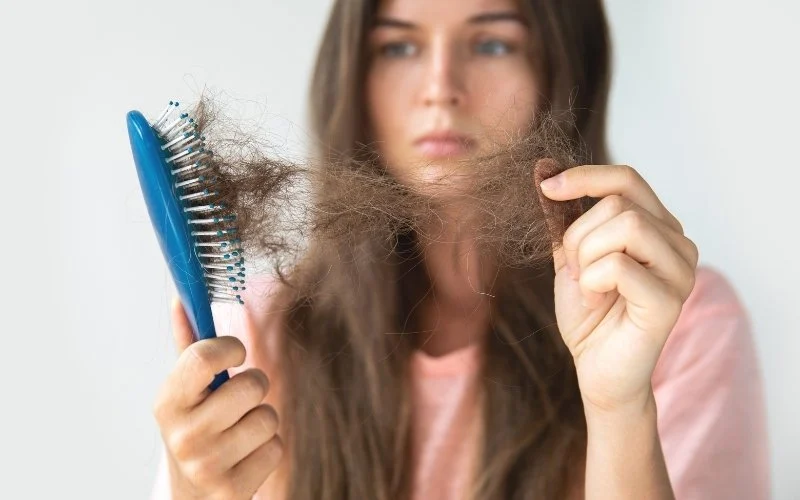
Hair transplantation When you look in the mirror after your hair transplant, you may see something you didn't expect: your newly transplanted hair is falling out! Don't panic; this is what many people who have had a hair transplant experience. is a natural and temporary process. “This loss, called ”shock loss", does not indicate that the hair transplantation has failed. On the contrary, this loss It is a necessary step for healthy and strong hair to grow.
Featured Headlines
ToggleIn this article, we will talk about the causes of hair loss after hair transplantation, the shock hair loss process and the points to be considered during this period. By having information about this natural stage that you may encounter during the hair transplantation process, you can eliminate your concerns about the process and enjoy healthy, full hair as a result.
Why Does Hair Fall Out After Hair Transplantation? Shock Hair Loss Process
Hair loss after hair transplantation, is a natural part of the operation and is usually not a cause for concern. This spillage, It is a natural process that takes place for the hair follicles to adapt to the new place and go through a new growth cycle.
What is Shock Spill?
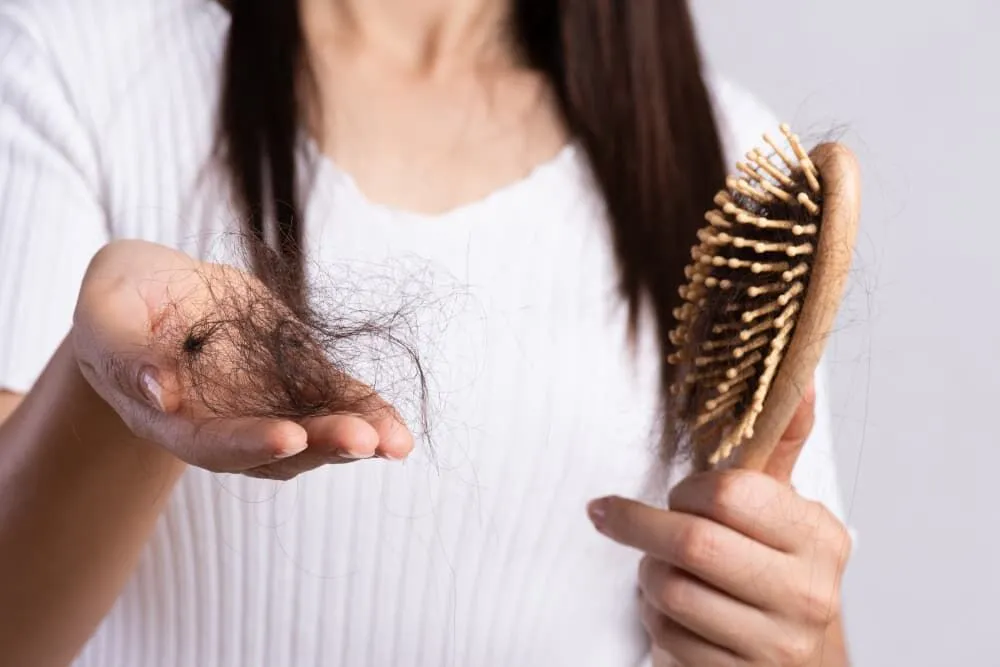
Shock hair loss is the sudden loss of transplanted hair within a few weeks or months after hair transplantation. This situation is quite common in people who have hair transplantation, is a temporary process and is part of the hair follicles' adaptation to the new environment. Shock shedding, does not affect the success of hair transplantation.
Causes and Physiological Process of Shock Shedding
During hair transplantation, hair follicles are removed from the donor area and transplanted to the recipient area. This process creates a shock effect for the hair follicles and the follicles enter a resting phase for a while to adapt to the new environment.
During this resting phase, while the hair strands are shedding, the hair follicles begin to nourish by connecting with new blood vessels. This process is necessary for new and healthy hair to grow.
The Effect of Shock Hair Loss on Hair Transplant Success
Shock shedding does not mean that the transplant operation has failed; quite the contrary, It indicates that the hair follicles have adapted to their new environment and have started the regrowth cycle. After the process is completed, the hair follicles start producing hair again and permanent, healthy results are achieved.
When Does Shock Spillage Start? How Long Does It Last?
Although you want to see your new hair immediately after hair transplantation, you should be prepared for a temporary shedding phase called “shock shedding”. The beginning and duration of this period may vary depending on individual differences.
Shock Spill Onset Time
Shock hair loss, usually after hair transplantation After 2 to 8 weeks occurs. In this process, while the transplanted hair follicles are trying to adapt to their new location, a temporary loss is experienced. This is a normal reaction of the follicles during the regeneration phase and does not mean permanent loss. The start time varies according to personal characteristics; age, genetic structure, health status and hair transplantation technique factors can influence this process.
For example, While shock shedding is experienced earlier in transplants performed with the FUE technique, this process may start a little later in people with DHI technique. Likewise, in young and healthy individuals, shedding can be milder and shorter, while in older people or those with health problems, this period can last longer.
Duration of Shock Spill
Although the duration of shock shedding varies according to the person, it is usually between a few weeks and 3 months continues. It is important to be patient during this period; shock shedding actually indicates that the hair follicles are adapting to their new location and moving into the nutrition phase. In this process, hair follicles strengthen by establishing new vascular connections and prepare to produce healthier hair strands.
Factors affecting the process include genetic factors, lifestyle, diet and stress levels takes place. Eating a balanced diet, adopting a healthy lifestyle and avoiding stress can both shorten the shedding process and support new hair to grow faster and healthier.
When Does Hair Grow After Shock Hair Loss?
Once the shock shedding phase is over, the hair follicles have adapted to their new location and are ready to grow. At this stage, your patience starts to pay off and new hair begins to grow. But how does this process work and when does the hair regain its former fullness?
Hair Growth Process After Transplantation
The growth of new hair after hair transplantation takes place in several stages and this process follows the different phases of the hair growth cycle:
- Anagen Phase (Growth Phase): During this phase, the hair follicles actively produce hair and the hair strands begin to grow. The first hair that grows may be thin and weak, but over time it will become thicker and stronger. Depending on individual characteristics, this growth phase 2 to 7 years it may take a while.
- Catagen Phase (Transitional Phase): In this short phase, hair growth slows down and the hair follicle begins to shrink. The catagen phase is about 2 weeks It lasts.
- Telogen Phase (Resting Phase): In this phase, when hair growth stops, the hair shaft falls out and the root prepares to produce a new hair shaft. The telogen phase is approximately 3 months lasts, after which the root enters the anagen phase again and starts to produce a new hair.
When Does New Hair Grow Completely?
After hair transplantation, your new hair %80’inin yaklaşık 6 ila 9 ay içinde çıkması is expected. When the hair is completely restored to its former appearance 12 to 18 months may take a while. Being patient during this period and following your doctor's recommendations will help the process to progress healthily. A healthy lifestyle, balanced nutrition and stress management also support hair growth, resulting in stronger and more vibrant hair.
How to recognize shock spillage?
Hair transplantationThe loss of hair after the first hair loss may cause concern in some people and may raise the question “Is this a shock hair loss or a permanent hair loss?”. It is important to distinguish shock hair loss from other types of hair loss in order to understand the process and avoid unnecessary concerns.
Identifying Features to Help You Distinguish Shock Spillage:
- Timing: Shock hair loss occurs in the first few weeks or months after transplantation. Other types of hair loss usually occur in the longer term and for various reasons.
- Spill Pattern: Transplanted hair falls out suddenly and intensely. In other types of hair loss, the process is slower and gradual.
- Health of Hair Roots: Hair follicles remain healthy and ready to produce new hair. In permanent hair loss, hair follicles weaken or completely lose their function.
- Affected Region: It is only seen in the transplanted area. Other types of hair loss can often affect different areas of the scalp.
If you are experiencing hair loss after hair transplantation and you are not sure whether it is a shock loss or a permanent loss, it is useful to consult a doctor. A specialized doctor can determine the type of hair loss and make appropriate treatment and care recommendations.
What You Can Do to Reduce Shock Loss and Promote Hair Growth
Shock shedding is a natural process after hair transplantation and there is no need to worry. This process is necessary for the hair follicles to adapt to their new environment and enter a new growth cycle. Shock shedding is usually temporary and does not affect the success of the hair transplant.
1. Gentle Washing and Choosing the Right Shampoo
After hair transplantation, the scalp becomes sensitive and needs special care. During the shock shedding period, you should be gentle when washing your hair and avoid harsh movements that can damage the hair follicles. Using special shampoos recommended by your doctor will help you clean the scalp without irritating it and help strengthen new hair follicles.
2. Scalp Massage and Blood Circulation Promotion
Massaging the scalp regularly increases blood circulation, allowing the hair follicles to receive more nutrients and oxygen. This shortens the shock shedding process and can help new hair grow faster and healthier. You can massage with your fingertips using circular motions and light pressure.
3. Balanced Nutrition and Vitamin Supplements
A healthy and balanced diet is always important for hair health, especially during a period of shock hair loss. Protein, iron, zinc and B vitamins Take care to consume adequate amounts of nutrients that contribute to hair health, such as vitamins and minerals. It may also be useful to use some vitamin and mineral supplements on the advice of your doctor.
Important Nutrients for Hair Health:
- Protein: Meat, fish, eggs, dairy products, legumes
- Iron: Red meat, spinach, dried beans, lentils
- Zinc Pumpkin seeds, almonds, cashews, red meat
- Vitamin B: Eggs, dairy products, green leafy vegetables, whole grains
Taking good care of your hair and adopting healthy living habits during the shock hair loss period will help your new hair grow stronger and faster.
Things to Consider After Hair Transplantation
After the transplant operation, there are a few important points to be considered in order for the newly transplanted hair follicles to hold on in a healthy way. Here are the things you should consider in the care and recovery process after hair transplantation:
Early Days
- Lying Position: Sleeping with your head above heart level for the first few days helps to reduce swelling in the transplant area.
- Washing: Do the first wash on the day and in the way recommended by your doctor. Generally, hair washing can be started 2-3 days after the operation.
- Drug Use: By using the medicines prescribed by your doctor regularly, you can reduce the risk of infection and speed up recovery.
- Avoid Touching the Sowing Area: Touching, scratching or rubbing the transplant area in the first days can damage the hair follicles and increase the risk of infection.
First Weeks
- Sun Protection: Protect the planting area from direct sunlight. If necessary, use a hat or sunscreen to protect this area from sun exposure.
- Stay Away from the Sea and Pool: Do not swim in the sea or pool for the first few weeks; chlorine and salt water can irritate the transplant site.
- Do not expose to heat: Do not use heat-operated hair stylers such as hair dryers, straighteners and tongs for a while.
- Limit Alcohol and Smoking: Since alcohol and smoking can negatively affect the healing process, it is recommended to avoid these substances after hair transplantation.
- Avoid Exercise: In the first weeks, you can avoid heavy sports and exercise and only take light brisk walks.
First Months
- Haircut Get your first haircut at the time recommended by your doctor; usually a cut is allowed one month after the hair transplant.
- Avoid Painting and Chemical Treatments: Consult your doctor for chemical procedures such as hair coloring and perming. It is usually recommended to wait 6 months for these procedures.
By paying attention to these recommendations after hair transplantation, you can speed up the healing process and get maximum efficiency from hair transplantation. Remember, following your doctor's advice and being patient is one of the most important ways to achieve a successful result.






 Turkish
  English
  German
  French
  Italian