

Having healthy, vibrant and strong hair is everyone's dream. However, only external care is not enough to maintain the health and beauty of our hair. Hair health It is of great importance for our body to get the vitamins it needs.
Featured Headlines
ToggleThe protein called keratin, which forms the basic structure of our hair, needs vitamins and minerals necessary for the hair follicles to function in a healthy way. Deficiency of these vitamins and minerals can cause problems such as hair loss, dullness, breakage and slow growth.
If you want to get healthy hair and avoid these problems, read on to learn about the vitamins you need and how to get them naturally.
The Importance of Vitamins for Hair Health
Our hair is a fundamental part of our appearance and self-confidence. We all want to have shiny and healthy hair, but hair health is not just about using shampoo or conditioner. It is of great importance for the body to regularly take the vitamins it needs to keep the hair strong and healthy.
Vitamins nourish the hair follicles, strengthen the hair strands and contribute to a healthy scalp. Adequate vitamin intake promotes hair growth, reduces hair loss and helps hair look more vibrant and shiny.
Vitamin deficiency can negatively affect hair health and lead to problems such as hair loss, breakage, lifelessness, dullness, dandruff and slow growth. For example, iron deficiency causes hair loss, biotin deficiency causes hair thinning and breakage, zinc deficiency causes scalp problems may be the cause.
That's why, It is important to get enough vitamins from a balanced diet to support your hair health. If you suspect that you have a vitamin deficiency, you can consult your doctor, have the necessary tests done and make up for your deficiencies with appropriate supplements.
The Most Important Vitamins and Minerals for Hair Health
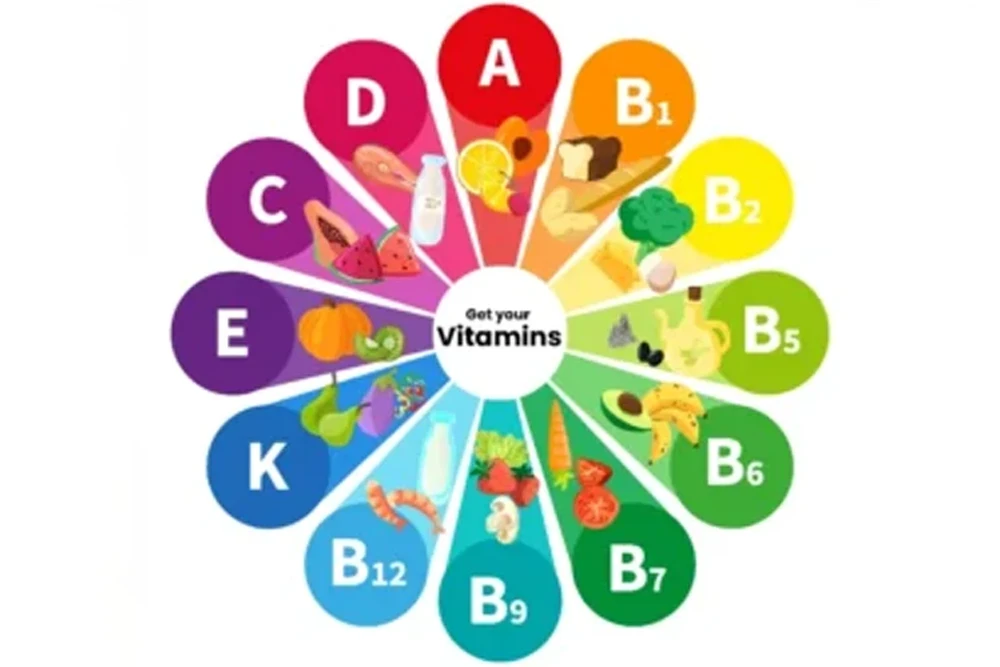
Our hair needs various vitamins to look strong and shiny. These vitamins nourish the hair follicles, strengthen the hair strands and help keep the scalp healthy. Here are some Vitamins critical for hair health, natural resources and deficiency symptoms:
Biotin (Vitamin B7)
Biotin is an essential vitamin for healthy hair growth and root strengthening. Provides thickening of hair strands by supporting keratin production and promotes cell growth. In case of deficiency, problems such as hair loss, hair thinning and fragility may occur. Biotin deficiency can also cause symptoms such as dryness and flaking of the skin.
- Natural Resources: Egg yolk, almonds, walnuts, hazelnuts, spinach, broccoli, cauliflower, avocado, banana
- Deficiency Symptoms: Hair loss, thinning of hair strands, brittle hair, dryness and scaling of the skin
Vitamin A
Vitamin A regulates sebum production in the scalp, ensuring moisture balance and preventing dry hair. Sebum is a natural oil that protects the scalp, prevents the hair from drying out and promotes hair growth. Vitamin A deficiency can lead to problems such as dryness, brittleness and dull appearance of the hair. Also itching and dandruff on the scalp can also be observed.
- Natural Resources: Carrot, sweet potato, spinach, chard, apricot, mango, milk, egg
- Deficiency Symptoms: Dry, brittle and dull hair, scalp itching and dandruff
Vitamin C
Vitamin C, a powerful antioxidant, protects hair follicles from free radical damage. It also supports collagen production, strengthening the hair strands and preventing breakage. Collagen plays an important role in hair structure and helps make hair stronger. Vitamin C deficiency can manifest itself with symptoms such as hair loss, breakage, lifeless hair and easy bruising on the scalp.
- Natural Resources: Orange, grapefruit, lemon, strawberry, kiwi, broccoli, pepper, tomato
- Deficiency Symptoms: Hair loss, hair breakage, lifeless and dull hair, easy bruising on the scalp
Vitamin D
Vitamin D is important for the healthy functioning of hair follicles and new hair growth. Vitamin D deficiency can cause hair loss, thinning of hair strands and in some cases it can also be effective in types of hair loss such as ringworm.
- Natural Resources: Salmon, tuna, sardines, egg yolk, mushrooms
- Deficiency Symptoms: Hair loss, thinning of hair strands, ringworm (alopecia)
Vitamin E
Vitamin E protects the scalp against oxidative stress and prevents damage to hair follicles. It also increases blood circulation in the scalp, allowing the hair follicles to be better nourished. In vitamin E deficiency, hair can become dry, brittle and lifeless.
- Natural Resources: Sunflower seeds, almonds, hazelnuts, spinach, broccoli, avocado
- Deficiency Symptoms: Hair loss, brittle and lifeless hair
Iron and Zinc
Iron promotes healthy growth by transporting oxygen to the hair follicles. Zinc plays an important role in cell repair and growth and balances oil production in the scalp. Deficiencies can cause problems such as hair loss, hair thinning and scalp dryness.
- Iron Sources: Red meat, spinach, lentils, dried beans, dried apricots
- Zinc Sources: Red meat, pumpkin seeds, chickpeas, lentils, spinach
- Deficiency Symptoms: Hair loss, thinning, scalp dryness and dandruff, white spots on nails
It is important to consume foods containing these vitamins regularly to maintain your hair health. If you are showing signs of deficiency, you can consult your doctor to get the necessary tests and get support with appropriate supplements.
Magnesium
Magnesium is an important mineral for hair growth and a healthy scalp. It helps strengthen the hair by supporting the oxygenation of hair follicles. In case of deficiency, hair loss, thinning of hair strands and lifelessness can be seen.
- Natural Resources: Almonds, walnuts, pumpkin seeds, dark green leafy vegetables, whole grains, bananas, avocados
- Deficiency Symptoms: Hair loss, thinning hair, lifeless hair, muscle cramps
Vitamin B12
Vitamin B12 is vital for the nutrition of hair follicles. It supports the production of red blood cells and ensures adequate oxygen transportation to the hair follicles. Deficiency can cause problems such as hair loss and scalp dryness.
- Natural Resources: Red meat, fish, eggs, milk, yogurt, cheese
- Deficiency Symptoms: Hair loss, scalp dryness, fatigue, lack of concentration
Folic Acid (Vitamin B9)
Folic acid promotes healthy hair growth by supporting cell renewal. It improves blood circulation and nourishes hair follicles. In case of deficiency, hair loss, hair thinning and lifelessness can be seen.
- Natural Resources: Spinach, broccoli, asparagus, oranges, lentils, dried beans
- Deficiency Symptoms: Hair loss, weakness of hair strands, skin pallor
Iodine
Iodine maintains hair growth and a healthy scalp by supporting the production of thyroid hormones. Its deficiency can lead to problems such as hair loss and weakened hair strands.
- Natural Resources: Seafood, iodized salt, eggs, milk, yogurt
- Deficiency Symptoms: Hair loss, thinning hair, dry skin, lack of energy
Hair Problems in Vitamin Deficiency
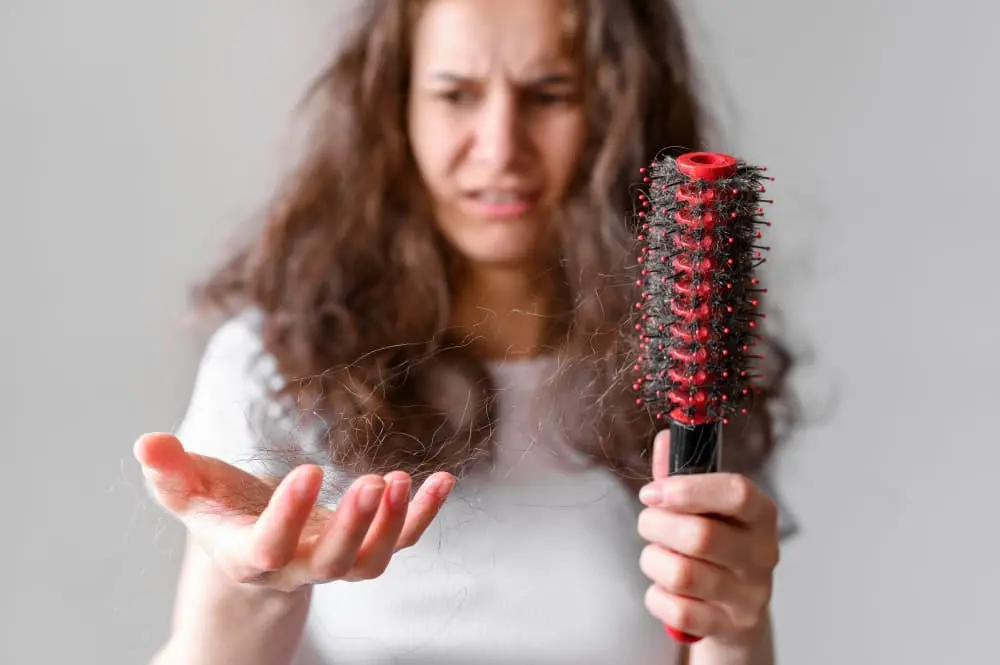
Inadequate intake of vitamins needed by the body can directly affect hair health and cause various hair problems. Here are some of the negative effects of vitamin deficiency on hair:
1. Hair Loss
Iron, zinc, biotin and vitamin D deficiency, are among the most common causes of hair loss. These vitamins are essential for keeping hair follicles healthy and supporting hair growth. In case of deficiency, hair follicles weaken and lead to hair loss.
2. Hair Breakage
Biotin, vitamin C and vitamin E deficiency, can cause hair strands to become brittle. These vitamins increase the elasticity of the hair and ensure its durability. When taken insufficiently, hair strands break and wear out more easily.
3. Lifeless and Dull Hair
Vitamin A and E deficiency, hair loses its vitality and takes on a dull appearance. These vitamins help the scalp to retain moisture and increase the shine of the strands. In case of deficiency, hair dry, lifeless and dull visible.
4. Scalp Problems
Zinc and vitamin B deficiency, on the scalp dryness, itching and dandruff can create problems such as. These vitamins support the scalp to stay healthy and maintain its natural oil balance. In their deficiency, various problems can be seen on the scalp.
5. Slow Elongation
Deficiency of protein, iron, zinc and B vitamins, can lead to slow hair growth. These nutrients form the basic building blocks for hair growth. In case of deficiency, the rate of hair growth may decrease.
Vitamins You Can Take Naturally for Hair Health
Taking the vitamins your hair needs from natural foods both supports your hair health and allows your body to use these vitamins in the best way. Here are some foods that contain vitamins important for hair health:
Foods Containing Biotin
Biotin is an important vitamin that strengthens hair follicles and promotes hair growth. Regular biotin intake, It helps prevent hair loss and makes hair look thicker, shiny and healthy.
- Egg: Egg yolks in particular are rich in biotin and protein.
- Milk and Dairy Products: Foods such as milk, yogurt and cheese are sources of biotin and calcium.
- Red Meat Veal and lamb contain biotin, which strengthens hair follicles.
- Nuts Nuts such as almonds, walnuts and hazelnuts are a source of biotin, healthy fats and vitamin E.
- Avocado: A fruit rich in biotin, vitamin E and healthy fats.
- Banana: It contains biotin and potassium and is also energizing.
- Sweet Potato Source of biotin and vitamin A.
- Oatmeal Rich in fiber and biotin, it supports digestion.
Foods Containing Vitamin A
Vitamin A is essential for keeping the scalp healthy and helps prevent scalp dryness and dandruff.
- Carrot: It contains beta-carotene, which the body converts into vitamin A.
- Spinach A green vegetable rich in vitamin A and iron.
- Red Pepper A storehouse of vitamin A and vitamin C.
- Apricot Supports hair health with its fiber and vitamin A content.
- Mango: A source of vitamin A with antioxidant properties.
- Milk and Dairy Products: Milk, yogurt and cheese contain vitamin A.
- Egg: Egg yolk is rich in vitamin A and other nutrients.
Foods Containing Vitamin C
Vitamin C supports collagen production and strengthens hair. Protects hair follicles from free radical damage with its antioxidant properties.
- Citrus fruits Fruits such as oranges, grapefruits and lemons are full of vitamin C.
- Strawberry It is rich in vitamin C and antioxidants and supports the immune system.
- Kiwi: A nutritious fruit containing vitamin C and fiber.
- Broccoli It is a source of vitamin C and vitamin K.
- Brussels Sprouts It is rich in vitamin C and fiber.
- Tomatoes Contains vitamin C and antioxidant lycopene.
- Pepper: Red peppers in particular stand out for their high vitamin C content.
Getting these vitamins regularly from food is an effective way to support your hair health and prevent hair loss. Providing the vitamins your hair needs naturally, helps you to have stronger and healthier hair in the long run.
Extra Tips for Healthy Hair
For strong and shiny hair, it is not enough just to take vitamin and mineral supplements. You may also need to make some lifestyle changes to maintain hair health in the long term. Here are some points you should pay attention to to make your hair look healthier and more vibrant:
- Balanced Nutrition: Follow a balanced diet to get the nutrients your hair needs such as protein, iron and zinc. Protein-heavy foods, green leafy vegetables and whole grains support hair health.
- Stress Management: Stress is one of the common causes of hair loss. Try to keep your stress under control with relaxation techniques such as yoga and meditation.
- Regular Exercise: Exercise increases blood circulation, so the hair follicles are better nourished. This helps hair grow faster and healthier.
- Adequate Sleep: Sleep supports the body's regeneration process. To maintain hair health, make sure to sleep at least 7-8 hours a day.
- Use the Right Hair Care Products: Use shampoo and conditioner suitable for your hair type. Avoid washing and heat styling your hair too often; these habits can cause hair to lose moisture and breakage.
- Massage the Scalp: Regular scalp massage increases blood circulation and provides better nutrition to the hair follicles. It also helps the hair grow faster.
- Avoid Harmful Chemicals: Chemical products such as hair dye, perms and hairspray can damage the hair fibers. Protect the natural structure of the hair by using such products as little as possible.
- Protect from the Sun: The sun's harmful UV rays can dry and damage the hair strands. Protect your hair by wearing a hat or using hair protection sprays when going out in the sun.
To achieve healthy and vibrant hair, it is important to support not only from the outside but also from the inside. Vitamin and mineral supportIn addition, you can preserve the natural beauty of your hair with a balanced diet, regular sleep, exercise and the right care routines.





 Turkish
  English
  German
  French
  Italian