

Do you involuntarily clench or grind your teeth during sleep or during the day? Do you feel pain in your jaw, head or teeth? If the answer is yes, tooth clenching (bruxism) you may be experiencing a problem. This fairly common condition can lead to tooth wear, problems with the jaw joint and even headaches.
Featured Headlines
ToggleIn this article, we will explain the causes, symptoms and treatment methodswill be discussed in detail. We also aim to help you manage this problem and protect your oral health by sharing practical ways to prevent clenching.
What is Teeth Clenching (Bruxism)?
Tooth clenching, in medical language bruxism is the involuntary clenching or grinding of the teeth during sleep or during the day. Many people may not even realize that they are clenching or grinding their teeth. This can lead to tooth wear, jaw pain, headaches and even sleep disturbances.
Bruxism usually occurs in two ways:
- Sleep Bruxism It occurs during sleep and often goes unnoticed by the person themselves. The sound of teeth grinding can be heard by a sleeping partner.
- Vigilant Bruxism It occurs during the day, often in stressful or intense moments. The person may notice that they clench their teeth or clench their jaw.
Bruxism is a very common disorder. Research has been done, approximately %8 of adults bruxism in children. This rate in children %14 ile %20 arasında can change. Although it can be seen at any age, especially more frequent among young adults and children are encountered.
Causes of Tooth Tightening

While the exact cause of clenching is not always clear, it is often a combination of multiple factors that contribute to the problem. Here are some of the most common causes of clenching:
Stress and Anxiety
Stress and anxiety are the leading causes of clenching. The stresses of everyday life (such as work pressures, school problems or relationship problems) can increase a person's stress levels and lead to clenching. Such stressful situations trigger the body's “fight or flight” response and can lead to involuntary contraction of the jaw muscles.
Sleep Disorders
Sleep disorders such as sleep apnea, snoring and insomnia are among the factors that increase the risk of clenching. Changes in brain activity during sleep can cause involuntary contraction of the jaw muscles, leading to clenching of the teeth.
Tooth Structure and Jaw Disorders
Problems in the structure of the teeth and jaw, such as crowded teeth, missing teeth or jaw joint problems, can also cause clenching. These structural disorders can lead to an imbalance in the jaw muscles, causing the teeth to close and clench incorrectly.
Alcohol and Caffeine Consumption
Substances such as alcohol and caffeine can increase the activity of the jaw muscles by stimulating the central nervous system. Alcohol and caffeine consumed especially in the evening hours can negatively affect sleep quality and increase the tendency to clench teeth.
Side Effects of Some Medicines
Some medications, such as antidepressants or antipsychotics, can cause clenching as a side effect. If you are experiencing this type of problem because of the medication you are taking, it is worth consulting your doctor to discuss alternative treatment options.
These various causes indicate that the problem of clenching has a complex structure. It is important to accurately identify the underlying causes in order to create a personalized treatment plan.
Symptoms of Tooth Clenching
Teeth clenching can present with symptoms that vary from person to person. Some people do not realize that they are clenching their teeth, while others may experience severe pain and discomfort. Here are the most common symptoms of clenching:
- Tooth Wear and Sensitivity: Teeth clenching can lead to wear of the enamel and sensitivity of the teeth. Teeth may become flattened, cracked or fractured, and sensitivity to hot, cold or sweet foods may increase.
- Jaw Pain and Headache: Overworking the jaw muscles as a result of clenching teeth can cause jaw pain, headaches, facial pain and even neck pain. These pains are usually more intense in the morning hours.
- Sleep Disorders: It can affect sleep quality, leading to problems such as sleep apnea, snoring and insomnia. The sleep partner may be disturbed by the sounds of teeth grinding, which can cause sleep interruptions.
- Tinnitus Since the jaw joint is located close to the ear canal, clenching can cause problems in the jaw joint and cause tinnitus or ear pain.
- Other Symptoms: Gum recession, loose teeth, locked jaws or facial swelling may also be associated with clenching.
If you are experiencing one or more of these symptoms, it is a good idea to see your dentist to assess your condition.
Teeth Tightening Treatment Methods
Bruxism treatment, may vary depending on the source and severity of the problem. Treatment aims to prevent damage to the jaw and teeth, relieve pain and improve quality of life. Here are the methods commonly used in treatment:
Night Record (Splint)
A night guard is an appliance, usually transparent or customized, that is worn over the teeth. The night guard prevents the teeth from rubbing against each other during sleep, preventing wear and damage to the jaw joint. It also helps the jaw muscles to relax, relieving pain.
Botox Application
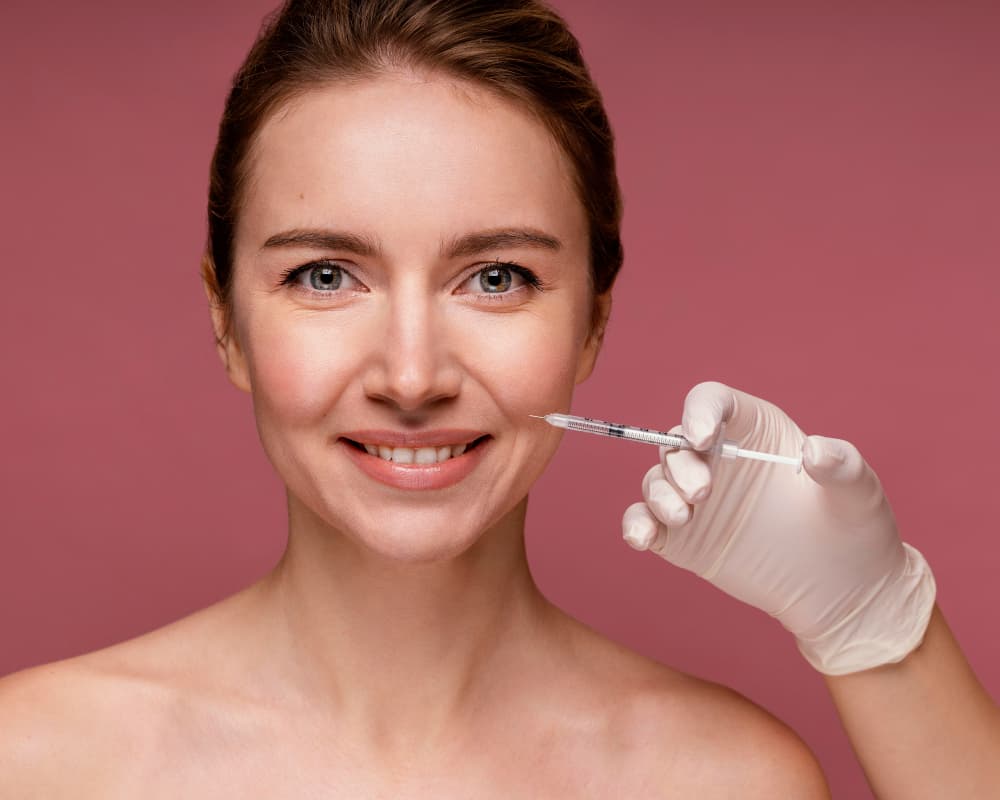
Botox injection, reduces the activity of the jaw muscles and reduces the severity of clenching. Botox is effective in jaw and headaches caused by clenching. It is usually effective for 3-6 months and may need to be repeated.
Stress Management Techniques
Stress is one of the main causes of clenching. Therefore, stress-reducing techniques such as yoga, meditation and deep breathing exercises are important in the treatment process. It is possible to control clenching behavior by reducing stress levels.
Physical Therapy and Exercises
Physical therapy, It can be applied to relax the jaw muscles, increase joint mobility and relieve pain. Physical therapists provide support with special exercises and manual therapy techniques for the jaw muscles.
Medication Therapy
In the treatment of clenching, painkillers, muscle relaxants or antidepressants can also be used in combination with other methods. These medications are usually used temporarily and should be taken on doctor's advice.
Lifestyle changes and supportive measures play an important role in treating clenching. Factors such as sleep hygiene, a healthy diet and regular exercise support treatment and can help reduce the negative effects of clenching. The treatment plan should be individually tailored to the needs of each individual.
Ways to Prevent Teeth Clenching
Although the problem of bruxism cannot be completely prevented, it is possible to reduce its risk with some changes in your lifestyle and new habits.
Stress Management
Stress is one of the most important triggers of clenching. You can try these methods to manage stress:
- Regular Exercise: Exercise helps you relax by reducing stress hormones in the body.
- Yoga and Meditation: Yoga and meditation increase the ability to cope with stress by calming the mind.
- Deep Breathing Exercises: Deep breathing relaxes the body and reduces stress levels.
- Hobbies and Interests: Engaging in different hobbies can help you reduce stress by distracting your mind.
Regular Sleep
Good quality sleep plays an important role in reducing the risk of clenching. During sleep, the jaw muscles relax and rest. You can follow these steps for a good sleep:
- Regular Sleep Hours: Going to bed and getting up at the same time every day regulates the body's biological clock.
- Pre-sleep relaxation: You can do relaxing activities before going to sleep, such as reading a book or taking a hot shower.
- Proper Sleep Environment: Keeping your bedroom dark, quiet and cool will help you get a good night's sleep.
- Limit Caffeine and Alcohol: Avoid caffeine and alcohol, especially in the evening.
Healthy Nutrition
A healthy diet supports the overall health of the body and can reduce the risk of clenching. Magnesium, calcium and vitamin B can help reduce stress by regulating muscle function. Vegetables, fruits, whole grains and protein rich in vitamins, minerals and minerals.
Reducing Alcohol and Caffeine Consumption
Alcohol and caffeine can increase the activity of the jaw muscles by stimulating the nervous system. Limiting alcohol and caffeine consumption, especially in the evening, can help prevent teeth clenching and sleep problems.
These lifestyle measures can reduce your risk of clenching and protect your oral health. However, if your symptoms of clenching persist, it is important to seek professional support by consulting a dentist.
When Should You Consult a Specialist?

It is important to consult a dentist or maxillofacial surgeon if you notice signs of teeth clenching or have concerns about this condition. It is advisable to consult a specialist, especially in the following cases:
- In case of worsening of symptoms: If you are experiencing symptoms such as tooth wear, jaw pain, headaches or sleep problems and these symptoms are getting worse, seek medical attention. Early diagnosis and treatment can help prevent permanent damage to the teeth and jaw joint.
- To get information about treatment methods: You can consult a doctor to get detailed information about bruxism treatment and to determine the most suitable treatment method for you. Your dentist, night trays, botox application, will inform you about stress management techniques and other treatment options.
A specialist dentist will perform a thorough examination to determine the cause of the clenching and offer you a suitable treatment plan. Untreated clenching can lead to permanent damage to teeth, jaw joint disorders and other health problems. Therefore, when you notice the symptoms of clenching, you should immediately contact a it was very important to consult a doctorr.
Other Articles
Saç Dökülmesi Hangi Doktora Gidilir? 2026 Rehberi
Çocuklarda Saç Dökülmesi Nedenleri 2026 Rehberi

Kadınlarda Saç Dökülmesi Neden Olur? 2026 Rehberi

Saç Dökülmesi Hangi Vitamin Eksikliği? 2026 Rehberi






 Turkish
  English
  German
  French
  Italian