
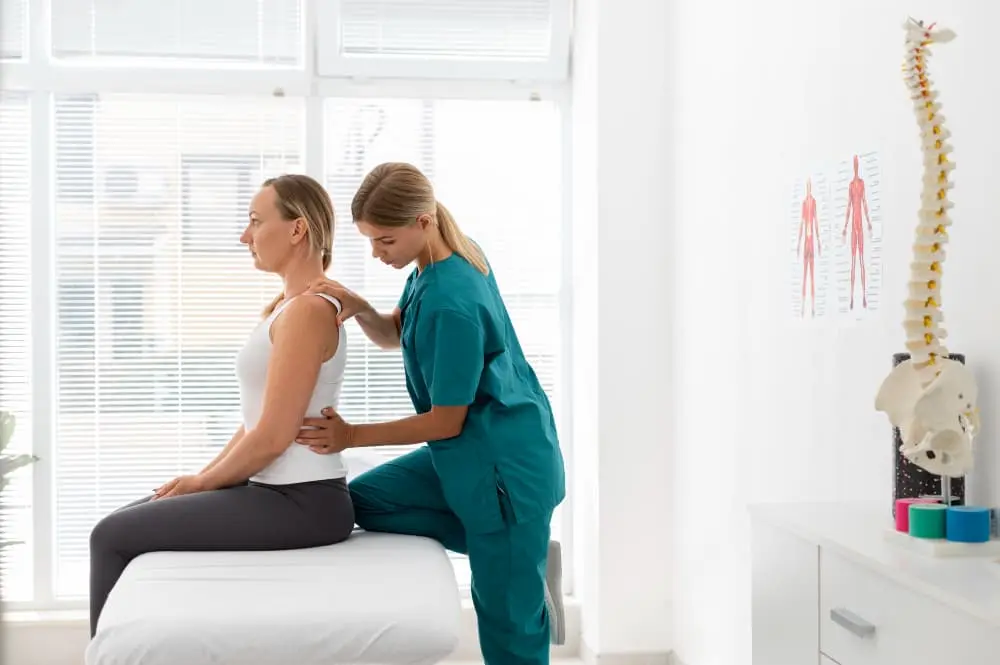
Back and neck pain is one of the most common problems that many people face today. One of the underlying causes of this pain is lumbar and neck hernia may be. For these conditions that cause restriction of movement, impair sleep quality and reduce the overall comfort of life physiotherapy offers a highly effective and reliable treatment option.
Featured Headlines
ToggleA Brief Overview of Lumbar and Cervical Hernia and the Place of Physiotherapy in Treatment
Lumbar and cervical hernia, age-related wear and tear or damage to the discs between the vertebrae as a result. When the gel-like substance inside the discs slides outwards, it presses on the spinal cord and nerves, causing pain, numbness and difficulty in movement. Physiotherapy plays an important role in managing these symptoms and in the treatment process.
Physiotherapy, using various techniques and exercises in the treatment of lumbar and cervical herniated discs reduce pain, increase mobility, strengthen muscles and improve posture helps. This allows the patient to continue with activities of daily living more comfortably and significantly improves quality of life. Also, with physiotherapy the need for surgery may be reduced or the operation may be postponed.
Physiotherapy can be used alone or in combination with other treatment modalities to treat herniated discs in the lower back and neck. Once a hernia has been diagnosed, you can consult a physiotherapist under the guidance of your doctor. Physiotherapist, will create a customized treatment plan to help you relieve your pain and regain your freedom of movement.
What is Lumbar and Cervical Hernia?

Lumbar and cervical disc herniation is one of the most common conditions that threaten the health of the spine. Our spine is made up of stacked bones called vertebrae, and between these vertebrae are cushions called “discs”. The discs support the flexibility of the spine and prevent the vertebrae from rubbing against each other during movement.
Lumbar and cervical hernia, the outer layer of these disks is damaged or torn, causing the gelatinous substance inside to come out as a result. This situation pain, numbness, tingling and muscle weakness by pressing on the spinal cord and nerve roots can cause symptoms such as.
Symptoms of Lumbar Hernia and Effects on Quality of Life
A herniated disc usually presents with symptoms such as pain and numbness in the lower back and legs. The pain can be aggravated by coughing, sneezing or prolonged sitting.
Common symptoms include:
- Low back pain
- Pain, numbness or tingling in the leg
- Weakness in the legs
- Loss of sensation in the ankle or fingers
- Difficulty with bladder or bowel control (in rare cases)
A herniated disc can cause difficulties in daily life by limiting mobility. Even simple movements such as walking, bending, lifting something heavy can trigger pain. This can affect the person's work and social life, leading to a decrease in overall quality of life.
Neck Hernia Symptoms and Effects
A cervical hernia is characterized by neck and arm pain, as well as numbness and loss of strength. Movements such as turning the head or raising the arm can aggravate the pain.
Common symptoms include:
- Neck pain
- Pain, numbness or tingling in the arm
- Arm weakness
- Loss of sensation in the hand or fingers
- Dizziness
A cervical herniated disc can limit the mobility of the neck, making it difficult to turn the head, lift the arm and perform daily tasks. It can also cause headaches, sleep problems and distraction, which can negatively affect quality of life.
It is important to consult a doctor when you notice symptoms of a herniated disc in the lower back and neck. Early diagnosis and treatment play an important role in stopping the progression of a hernia and preserving your quality of life.
What is Physiotherapy and How is it Applied?
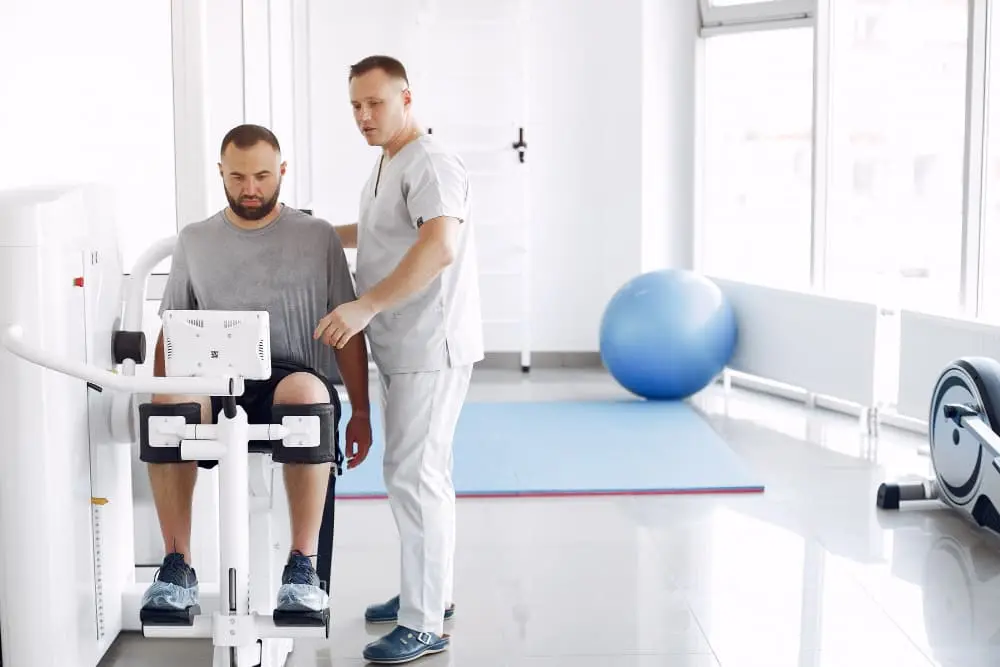
Physiotherapy, is a health discipline that uses physical methods to assess and treat movement and function disorders and to prevent these disorders. Physiotherapists, They use a variety of treatment techniques to help patients reduce pain, increase mobility, improve muscle strength and improve quality of life.
Spinal problems are one of the most common application areas of physiotherapy. In cases such as lumbar and cervical herniated discs, physiotherapy includes special exercise programs to relieve pain, increase the mobility of the spine, strengthen muscles and correct posture disorders, manual therapy techniques and other treatment methods.
Exercise and Stretching
Exercises and stretching movements in the treatment of lumbar and cervical disc herniation, strengthen the muscles around the spine, increase flexibility and relieve pain for herniated discs. These exercises support the spine, relieve the pressure of the hernia and prevent nerve compression. Your physiotherapist will identify the exercises that suit your needs and teach you the correct way to perform them.
Simple Exercises You Can Do at Home:
- Do not walk: Regular walking helps to strengthen the back and neck muscles.
- Yoga and Pilates: Ideal for building flexibility and muscle strength.
- Stretching (Stretching Movements): It relaxes muscles, increases circulation and relieves pain.
Manual Therapy
Manual therapy, are special techniques applied by the physiotherapist's hands to the spine and surrounding tissues. Increase joint mobility, reduce muscle tension, relieve pain and improve circulation Manual therapy is a very effective method in the treatment of lumbar and cervical herniated discs.
Electrotherapy
Electrotherapy is a treatment method that uses electric current for pain control and muscle relaxation. Electrodes are placed on the skin and a low-voltage electric current is applied. This method, reduce pain caused by hernia, relieve muscle spasms and accelerate the healing process is effective.
Hydrotherapy
Hydrotherapy is an exercise that utilizes the resistance and buoyancy of water. Moving in water relieves the load on the spine and allows the joints to move more freely. In patients with lumbar and cervical hernia reduce pain, strengthen muscles and improve joint mobility can be safely applied for the purpose.
Traction (Stretching) Method
The traction method aims to increase the distance between the vertebrae and reduce the pressure caused by the hernia with a controlled pulling force applied to the spine. This method in the treatment of lumbar and cervical herniated discs, relieve pain and relieve nerve compression for a good time.
Physiotherapy is applied in the treatment of lumbar and cervical disc herniation with a treatment program planned according to the specific needs of each patient. Your physiotherapist will create a personalized treatment program by determining the most appropriate methods for your condition and guide you through your recovery process.
Take action now to overcome your herniated disc pain and improve your quality of life! Our expert physiotherapists can help you get rid of hernia pain with customized treatment plans. Contact us for detailed information and appointments. Take the first step to regain your health!
Benefits of Physiotherapy for Lumbar and Cervical Hernia

Physiotherapy, Physiotherapy is an effective method to improve the quality of life of patients without resorting to surgery in the treatment of lumbar and cervical hernia. The benefits of physiotherapy in hernia treatment are as follows:
Pain Reduction
The pain caused by a hernia can make everyday life difficult and lead to restricted movement. Physiotherapy offers methods to alleviate this pain. Manual therapy, exercise and electrotherapy Physiotherapy techniques such as physiotherapy help the patient to relax by reducing pain. This natural pain management, can reduce or completely eliminate the use of pain medication.
Increasing Mobility
Lumbar and cervical herniated discs can cause restriction of movement due to pressure on the spine and nerves. Physiotherapy exercises, improves joint mobility and strengthens muscles allows for more comfortable movement. This allows patients to perform their daily tasks more easily and maintain their independence.
Strengthening Muscles and Increasing Flexibility
Strong muscles around the spine provide support to the spine by reducing the pressure of the hernia. Physiotherapy exercises increase the stability of the spine by strengthening the back and neck muscles. In addition, stretching exercises increase the flexibility of the muscles, which increases the range of motion and relieves pain.
Correcting Posture
Incorrect posture can increase the risk of a hernia as well as worsen the symptoms of an existing hernia. Physiotherapy can help patients correct posture positions teaching the correct posture reduces pressure on the spine and relieves the pain caused by a herniated disc. Correct postural habits also help prevent herniated discs from reoccurring.
Reducing or Postponing the Need for Surgery
Physiotherapy offers an alternative or complementary treatment to surgery for many hernia patients. Regular physiotherapy treatments can relieve pain, improve mobility and strengthen muscles. In some patients, this healing process may eliminate the need for surgery or allow surgery to be postponed.
When should physiotherapy be consulted?
The best time to start physiotherapy for lumbar and cervical herniated discs is immediately after diagnosis. Early physiotherapy can help relieve pain, maintain mobility and prevent progression of the hernia.
Situations in which you should consult a physiotherapist:
- When a Hernia is Diagnosed: When you receive a diagnosis, consulting a physiotherapist can improve the effectiveness of treatment. Your physiotherapist will create a customized exercise program to help alleviate the pain and restriction of movement caused by the hernia.
- When Symptoms Worsen: If your hernia symptoms, such as pain, numbness or weakness, are worsening or making your daily life difficult, it may be helpful to seek physiotherapy. Physiotherapy can help manage these symptoms and improve your quality of life.
- Preoperative and Postoperative Period: Before surgery, physiotherapy offers an ideal preparation to strengthen muscles and improve flexibility. After surgery, it speeds up the healing process, restores mobility and reduces the risk of hernia recurrence.
Physiotherapy provides much more effective results when started early in the treatment of lumbar and cervical herniated discs. If you are experiencing hernia symptoms or would like to get information about treatment options, consulting a physiotherapist would be the right step.
Remember, early diagnosis and correct treatment methods are of great importance in the treatment of lumbar and cervical herniated discs. At Medlook, you can get rid of your pain, regain your mobility and improve your quality of life with individually planned sessions with our expert physiotherapists. You can contact us for detailed information and appointments. We would be happy to support you on your journey to a healthy spine.
How to Plan Physiotherapy Sessions?
Physiotherapy is a treatment approach that needs to be tailored specifically to the needs of each patient. The type of hernia, severity, symptoms and general state of health differ in each patient. Therefore, physiotherapy sessions are planned individually.
Physiotherapist Assessment
The physiotherapy process begins with a detailed assessment. Physiotherapist, The doctor reviews the patient's medical history and performs a physical examination. The severity of pain, mobility and other factors are taken into account during this assessment. This comprehensive analysis is important to create the most appropriate treatment plan for the patient's needs.
Personalized Treatment Plan
After the assessment, the physiotherapist creates a treatment plan taking into account the patient's age, occupation, lifestyle and hernia symptoms. This plan may include various physiotherapy methods such as exercises, manual therapy, electrotherapy. Each treatment method is specific to the patient's condition and the way it is applied is individualized.
Session Frequency and Duration
The frequency and duration of physiotherapy sessions depends on the patient's condition. Usually several sessions are held per week and each session between 30 minutes and 1 hour may take longer. Sessions may be scheduled more frequently at the beginning of the treatment process; as the patient's condition improves, session intervals may be extended. The physiotherapist closely monitors the treatment process and adapts to the patient's needs by updating the treatment plan when necessary.
Things to Consider Outside Physiotherapy
Physiotherapy is very effective in the treatment of lumbar and cervical herniated discs, but it is also important to pay attention to certain life habits to speed up the healing process and reduce the risk of herniated discs. A healthy lifestyle will help you maintain your spine health and contribute to the treatment process.
Correct Posture and Sitting Positions
Paying attention to correct posture and sitting positions in daily life can reduce the risk of hernia by reducing the load on the spine.
- Sitting: Keep your back straight, shoulders back and feet firmly planted on the floor. Try not to stay in the same position for too long and get up and move every 20-30 minutes.
- Standing: Distribute your weight evenly on both feet, pull your shoulders back and slightly tighten your abs.
- Walking: Standing up straight, take moderate steps.
- Bending over: Bend at the knees, not the waist, and use support when lifting heavy objects.
Exercise and Activity Level
Regular exercise supports spinal health by strengthening the muscles around the spine. Hiking, swimming and cycling activities are spine-friendly exercises. Yoga and Pilates Exercises such as the use of a stretching exercise can also improve posture by increasing flexibility. However, if you have symptoms of a hernia, talk to your doctor or physiotherapist before starting exercises.
Nutrition and Stress Management
A healthy diet supports spinal health and reduces the risk of hernia. Especially calcium, vitamin D and magnesium intake for bone and muscle health take care. At the same time, stress management is also important, as stress can increase muscle tension and exacerbate pain. Yoga, meditation and deep breathing Techniques such as these are useful in reducing stress.
By following these recommendations, you can reduce the risk of herniated discs in the lower back and neck and support the effectiveness of physiotherapy treatment. A healthy lifestyle is one of the most important ways to protect your spine health.







 Turkish
  English
  German
  French
  Italian