
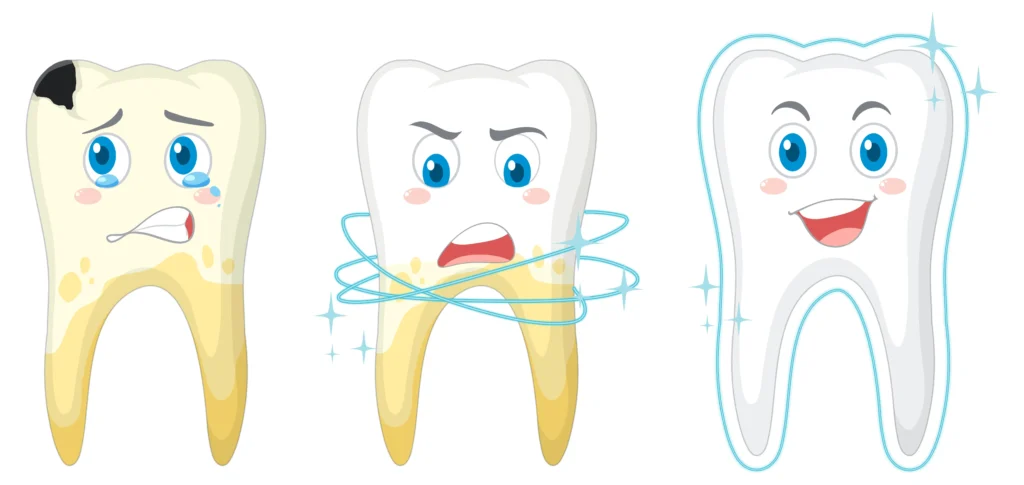
Bad breath is a common problem that negatively affects our social life and can damage our self-confidence. Often, poor oral hygiene leads to the accumulation of plaque and calculus on the teeth. These accumulations are one of the main causes of bad breath.
Featured Headlines
ToggleIn this article; tartar removalWe will focus on how dental hygiene affects bad breath, its contribution to oral hygiene and ways to prevent bad breath. Having your teeth cleaned can eliminate the source of bad breath and give you fresher and healthier breath.
What is Tartar?
Tartar is a hard and porous structure that forms on our teeth. Plaque, which is constantly formed in the mouth, hardens over time if it is not cleaned regularly and effectively. tartar called tartar, which builds up on the outer surfaces of the teeth and in the interdental areas. Tartar usually accumulates near the gums, on the outer surfaces of the teeth and in the interdental areas.
What is the Difference Between Tartar and Plaque?
Dental plaque is a soft and sticky layer of bacteria that accumulates on the teeth. It can be easily removed by brushing and flossing. However, when plaque is not cleaned, it hardens by combining with minerals in saliva and Move your toothturns into calculus. Tartar cannot be removed with home toothbrushing methods and requires a professional cleaning.
What are the Harms?
Tartar, can cause many problems for oral health:
- Bad breath It creates an ideal environment for the harboring of odor-causing bacteria in the mouth.
- Gum diseases: Tartar The build-up can cause inflammation of the gums (gingivitis) and gum recession. In advanced cases, periodontitis (gingivitis) can develop, which can even lead to tooth loss.
- Tooth decay It weakens tooth enamel and increases the risk of tooth decay.
- Tooth staining It can cause yellowing and staining of teeth.
Tartar formationIn order to prevent unu, it is important to brush and floss regularly and correctly and to visit the dentist regularly.
What is Halitosis?

Halitosis, or halitosis in medical terms, is an unpleasant odor from the mouth that bothers both the person and those around them. Halitosis can negatively affect social interactions and undermine self-esteem.
Causes of Bad Breath
Bad breath can have many different causes. The most common causes are:
- Inadequate oral hygiene: Not brushing the teeth regularly and correctly, not flossing and not paying attention to tongue hygiene cause bacterial plaque and tartar to accumulate in the mouth and cause bad odor.
- Tooth and gum diseases: Dental and gum diseases such as tooth decay, gingivitis and periodontitis can cause bad breath.
- Dry mouth Saliva helps to clean the mouth of bacteria and food debris. Dry mouth (xerostomia) can cause bad breath due to reduced saliva production.
- Dietary habits: Some foods can cause bad breath, such as onions, garlic and spicy foods.
- Smoking and alcohol use: Smoking and alcohol can cause dry mouth and bad breath.
- Systemic diseases: Some systemic diseases such as diabetes, kidney failure, liver diseases and digestive system disorders can also cause bad breath.
- Ear, nose and throat diseases: ENT diseases such as sinusitis, tonsillitis and nasal discharge can also cause bad breath.
Varieties
Bad breath can be classified in different ways according to its source and cause. For example:
- Physiological halitosis: It is a temporary and normal odor, like the smell we feel when we wake up in the morning or on an empty stomach.
- Pathological halitosis: It is a persistent odor caused by a problem in the mouth. It can be caused by tartar, gum diseases and dry mouth.
- Extraoral halitosis: Odor caused by a problem outside the mouth. It can be caused by sinusitis, tonsillitis and systemic diseases.
If you suffer from bad breath, it is important to consult a dentist to determine the cause and receive appropriate treatment.
The Relationship Between Tartar and Bad Breath

Bad breath is a common problem that negatively affects our social life. Understanding the underlying causes of this problem is crucial for finding an effective solution. Tartar is one of the most common causes of bad breath and there is a strong connection between the two.
How Does Tartar Cause Bad Breath?
Our teeth tartar, It can have a yellowish or brown color in appearance and tends to accumulate near the gums. So how does this hard structure cause bad breath?
- Bacteria accumulation: Tartar, has a rough and porous surface. This rough surface creates an ideal environment for bacteria in the mouth to attach and multiply. Bacteria produce sulfur compounds as they break down food residues and proteins. These sulfur compounds are the main cause of bad breath. Dental calculus nthe more it is, the more bacteria accumulate and the more severe the bad breath becomes.
- Gum diseases: Tartar accumulation can cause inflammation of the gums (gingivitis) and gum recession. Inflamed gums and gum pockets create a favorable environment for bacteria to multiply, increasing bad breath. If left untreated, gingivitis can develop into a more serious gum disease called periodontitis (gingivitis), which can make bad breath even worse.
- Plaque accumulation on the tongue: That's calculus.The formation of plaque on the tongue can increase plaque accumulation, not only on the teeth but also on the tongue. Plaque on the tongue is another important source of bad breath and tartar can exacerbate bad breath.
Tartar cleaning, is an important step in the prevention and treatment of bad breath. With a professional cleaning, bad breath can be reduced or completely eliminated by removing bacterial plaque and tartar from the mouth.
What is Tartar Removal? How is it done?
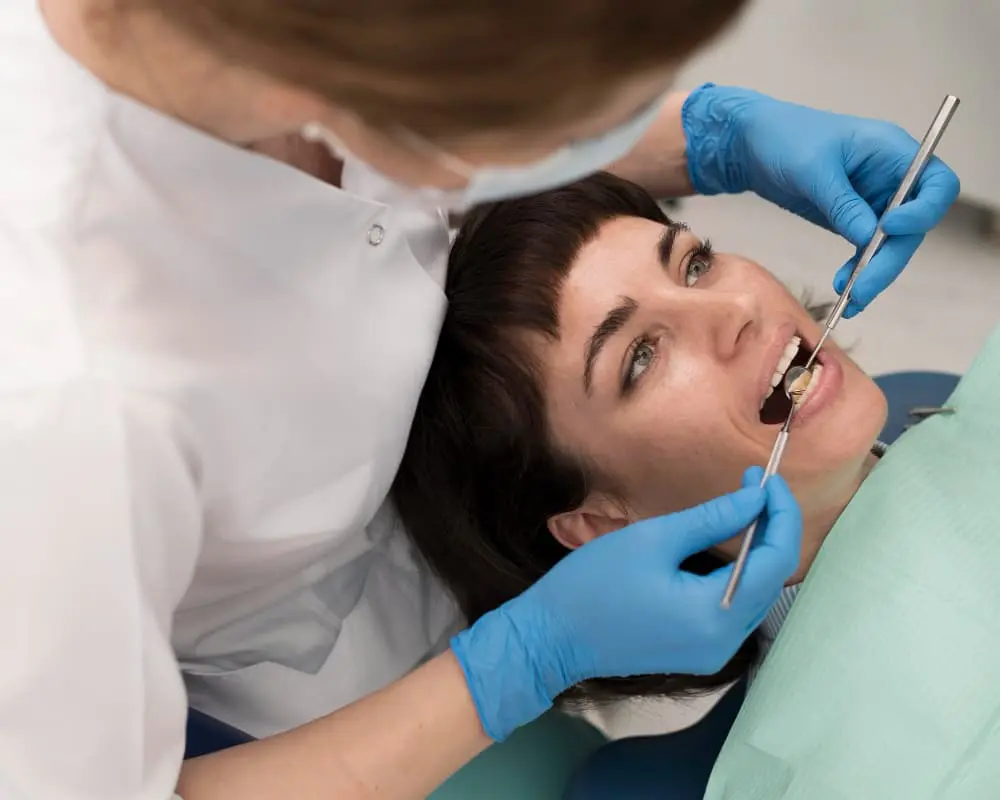
Tartar cleaning, is the process of removing plaque and tartar accumulated on your teeth professionally by specialized dentists. This procedure, oral healthIt is very important to protect your teeth, prevent gum diseases and have a fresh breath.
During the procedure, your dentist removes tartar from the surface of your teeth and below the gum line using specialized instruments. These instruments may include ultrasonic devices, curettes and polishing tools.
- Ultrasonic devices break down tartar with high-frequency vibrations and remove it from the tooth surface.
- Curettes are hand tools used to remove tartar below the gum line.
- In the polishing process, it helps prevent plaque accumulation by smoothing the tooth surface.
Tartar removal is usually a painless procedure. However, if you have sensitive gums or a lot of tartar, you may feel slight discomfort during the procedure. In this case, your dentist may give you a local anesthetic.
Konu hakkında daha detaylı bilgi edinmek ve sunduğumuz profesyonel tartar removal hizmeti ile ilgili bilgi almak için ilgili sayfamızı ziyaret edebilirsiniz.
Benefits of Tartar Removal for Bad Breath

Having your teeth cleaned is a very effective method to eliminate bad breath and get a fresh breath. So, how does tartar cleaning eliminate bad breath?
- Removes bacterial plaque and tartar: During the cleaning process, the dentist uses special instruments to remove the bacterial plaque and tartar accumulated on your teeth. In this way, the accumulation of bacteria, which is the main cause of bad breath, is eliminated and bad breath is reduced.
- Improves gum health: Tartar build-up can lead to gingivitis (gingivitis) and, in advanced cases, periodontitis. Gingivitis is an important cause of bad breath. Tartar cleaning prevents inflammation in the gums and protects gum health, thus reducing bad breath.
- Cleans the tongue surface: When tartar is removed, plaque and bacteria accumulated on the surface of the tongue are also removed. This is also effective in reducing bad breath.
- Improves oral hygiene: Helps prevent bad breath by improving general oral hygiene.
The benefits of scaling for bad breath are not limited to these. It also prevents gum diseases, teeth whitening and maintain overall health.
Ways to Prevent Bad Breath

Bad breath is often a preventable problem. By paying attention to your daily oral care routine and taking some simple precautions, you can achieve fresh breath.
1. Correct Brushing Techniques
You should brush your teeth at least twice a day, for 2 minutes each time. During the brushing process, you should hold the toothbrush at a 45-degree angle to the gums and clean all surfaces of the teeth. You should also take care in choosing a toothbrush and prefer a soft-bristled brush. Electric toothbrushes can also provide a more effective cleaning than manual brushes.
2. Tongue Cleaning and Other Important Oral Care Steps
In addition to brushing your teeth, tongue cleaning is also an important step in preventing bad breath. Bacteria that accumulate on the tongue can cause bad breath. You can clean your tongue surface using the tongue cleaner on the back of your toothbrush or a tongue scraper.
Flossing is also an essential part of oral care. Flossing helps prevent gum disease and bad breath by removing plaque and food debris from the in-between areas where the brush cannot reach. You can also add mouthwashes to your oral care routine. However, keep in mind that mouthwashes containing alcohol can cause dry mouth.
3. Importance of Regular Checkups
Dental check-ups, oral healthThe dental hygiene is very important for protecting your teeth and preventing bad breath. By checking your teeth and gums, your dentist can detect potential problems at an early stage and apply the necessary treatment. You can also prevent plaque and tartar build-up on your teeth by having professional scaling. It is recommended that you have your dental check-ups at least every 6 months.











 Turkish
  English
  German
  French
  Italian