
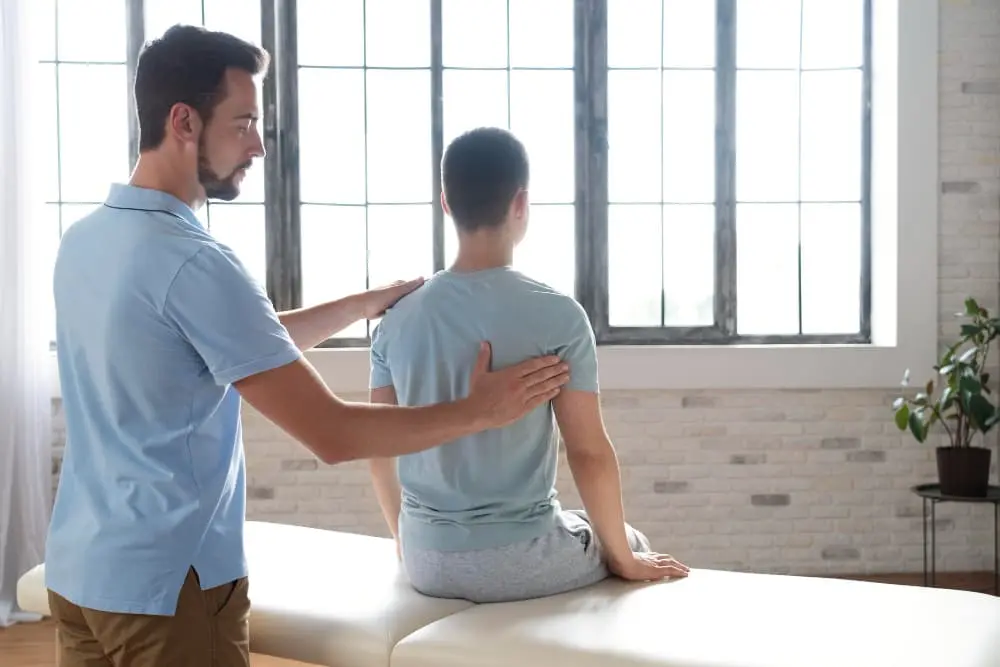
Nowadays, posture disorders have become quite common, especially due to sedentary lifestyles, desk jobs and intensive use of technological devices. Back pain, stiff neck, even headaches... Many of us face these problems from time to time. However, correct posture and posture not only makes us look more upright and aesthetic, but is also of great importance for our overall health and quality of life.
Featured Headlines
ToggleSo, what is ideal posture? What causes posture disorders and what health problems can they lead to? PhysiotherapyHow can the body help us to gain correct posture and posture? In this article, you will find answers to all these questions and learn what you can do to improve your posture and lead a healthier life. If you are ready, let's open the doors to correct posture!
The Importance of Correct Posture and Posture
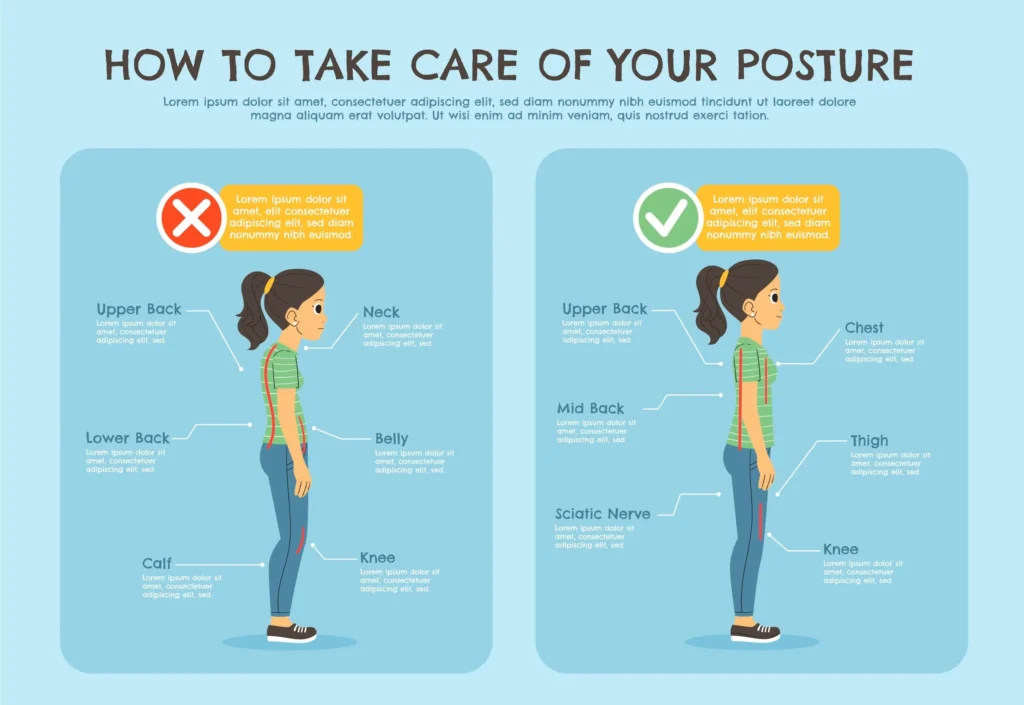
Correct posture aligns the skeletal system of our body in an ideal way, allowing our muscles, joints and ligaments to function in a balanced way. So, what should the ideal posture look like?
Ideal Posture Position
- Standing: Your head should be upright, your chin parallel to the floor. Your shoulders should be relaxed and slightly backward. While keeping your chest forward, pull your abdomen in slightly. Your feet should be shoulder-width apart.
- Sitting: Your back should be straight and supported. Your feet should be flat on the floor and your knees should be in line with your hips. The computer screen should be at eye level and you should reach the keyboard with your arms at a 90-degree angle.
Contributions of Healthy Posture to Daily Life
Correct posture not only improves your physical appearance, but also brings many benefits:
- Less pain: Correct posture helps prevent back, neck and lower back pain by reducing the load on your spine and joints.
- Better breathing: The upright posture allows your lungs to expand more, allowing you to breathe more easily.
- Improved digestion: Correct posture helps your digestive system to work more efficiently.
- Increased energy levels: As your posture improves, your body uses less energy and you feel more energized.
- A better mood: Research shows that correct posture positively affects self-confidence and mood.
What Causes Posture Disorders?
Posture disorders can be caused by a combination of various factors:
- Sedentary lifestyle: Long periods of sedentary work or a sedentary lifestyle can lead to muscle weakness and poor posture.
- Wrong working positions: Sitting at a computer or desk in the wrong position for long periods of time can cause neck and back pain and posture disorders.
- Use of technological devices: Constantly using devices such as phones and tablets with a bent neck can lead to a posture disorder called "text neck".
- Excess weight: Excess weight can put excessive strain on your spine and joints, causing posture disorders.
- Genetic factors: In some cases, posture disorders can be caused by genetic factors.
- Muscle weakness: Weak abdominal, back and hip muscles can make it difficult to support your spine, leading to poor posture.
We have learned that correct posture is so important, but what happens if our posture is disturbed? What signals does our body give us? Let's take a closer look at the symptoms and health effects of posture disorders.
Symptoms and Health Effects of Posture Disorders
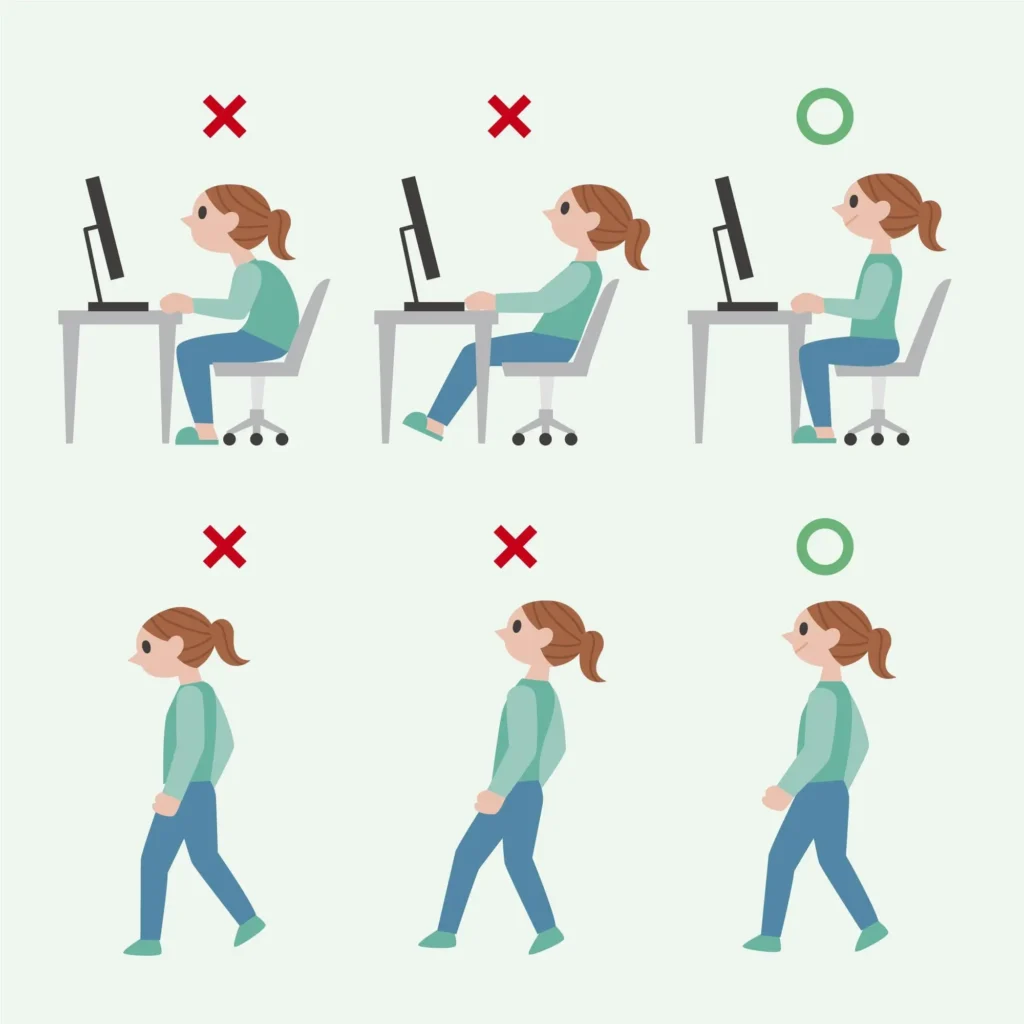
Bad posture is our body's way of telling us that "something is not right". Reading these signals correctly is very important for early diagnosis and treatment. Here are some clues that posture disorders can give you:
Back, Neck and Lower Back Pain
The most common and first noticeable symptom of poor posture is often pain. Your spine is like the pillar of your body and misalignment puts excessive strain on it. This causes tension and pain in your back, neck and lower back muscles.
For example, if you sit hunched over while working at a desk, you may start to feel pain in your neck and shoulders. These pains may initially appear at the end of the day and go away when you rest. However, over time, it can become more frequent and severe, and even become chronic and reduce your quality of life.
Headache and Migraine
The muscles in the neck play an important role in controlling head and neck position. Posture disorders can cause tension and spasms in these muscles, triggering headaches.
In particular, the posture disorder we call "text neck", in which we tilt our head forward while using phones and tablets, can affect blood circulation and nerve conduction in the head and neck area, causing frequent headaches and migraine attacks.
Respiratory Problems
Slouching compresses your rib cage, preventing your lungs from fully expanding. This can make breathing difficult and lead to shortness of breath. Over time, your breathing capacity may decrease and you may even find it difficult to carry out your daily activities. If you have a respiratory disease such as asthma or COPD, poor posture can worsen the symptoms of these diseases.
Digestive Problems
Correct posture is also important for the healthy functioning of your digestive system. Slouching negatively affects the digestive process by compressing the organs in the abdominal area. This can lead to digestive problems such as indigestion, constipation, reflux and bloating.
Joint Pains
Poor posture not only affects your spine, but can also put excessive strain on other joints such as the knees, hips and ankles. The uneven distribution of your body weight can accelerate wear and tear on joints, causing pain, stiffness and restricted movement. For example, if you are constantly putting weight on one leg while standing, you may develop pain in the knee and hip joints in that leg over time.
Fatigue and weakness
Your body spends minimal energy to maintain correct posture. But when your posture is off, your muscles have to work harder to keep your body balanced. This leads to fatigue, weakness and low energy. If you constantly feel tired and exhausted during the day, it is useful to have your posture checked for posture disorders.
Psychological Effects
Poor posture can affect your mental state as well as your physical health. Slouching posture and slumped shoulders have been linked to emotional problems such as low self-esteem, depression and anxiety. Upright posture, on the other hand, can boost self-confidence and help you to have a more positive mood.
How to Treat Posture Disorders with Physiotherapy?
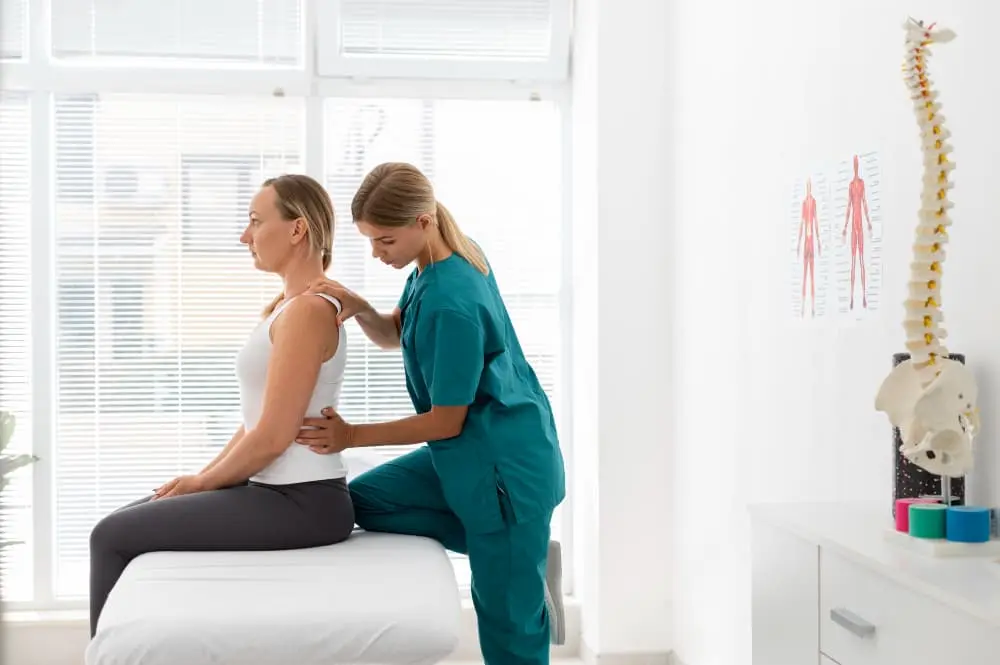
Physiotherapyis one of the most effective methods to treat posture disorders and gain correct posture. Specialist physiotherapistsThey help you reduce your pain, strengthen your muscles and correct your posture by creating personalized treatment programs based on your individual needs. So, how does physiotherapy treat posture disorders?
Manual Therapy
Manual therapyManual therapy includes techniques used by the physiotherapist to reduce muscle tension, increase joint mobility and improve circulation. Manual therapy methods frequently used in posture disorders are as follows:
- Massage It is applied to reduce tension in the back, neck and shoulder muscles, increase blood circulation and relieve pain.
- Mobilization: Slow and controlled movements are applied to increase joint mobility and relieve joint restrictions.
- Manipulation: Fast and controlled movements are applied to resolve joint blockages and increase range of motion.
Exercise Therapy
Exercise therapy is one of the cornerstones in the treatment of posture disorders. Your physiotherapist will create customized exercise programs to help you strengthen weak muscles, stretch short and tight muscles and improve your body balance. These exercises should be performed regularly both in a clinical setting and at home.
- Strengthening exercises: It strengthens the abdominal, back, shoulder and hip muscles to support the spine and maintain correct posture.
- Flexibility exercises: By stretching the muscles of the chest, back and neck, it increases range of motion and helps to correct posture disorders.
- Balance exercises: By improving your body balance, it allows you to control your posture and reduce the risk of falling.
Medical Devices and Equipment
Your physiotherapist may also use some medical devices and equipment during the treatment process. For example, posture-correcting braces can be worn day or night to help support correct posture and train the muscles. In addition, electrotherapy devices can be used to reduce pain and stimulate muscles to speed up the healing process.
Posture Training
Posture training increases your awareness and enables you to maintain correct posture in everyday life. Your physiotherapist will teach you the correct sitting, standing and walking positions. He/she will also provide information and suggestions on creating an ergonomic working environment and choosing the right mattress and pillow.
Physiotherapy offers a holistic approach to treating posture disorders. Manual therapycombines different methods such as exercise therapy, medical devices and posture training to create a customized treatment plan. In this way, you can get rid of your pain, correct your posture and have a healthier life.
Posture Exercises You Can Do at Home
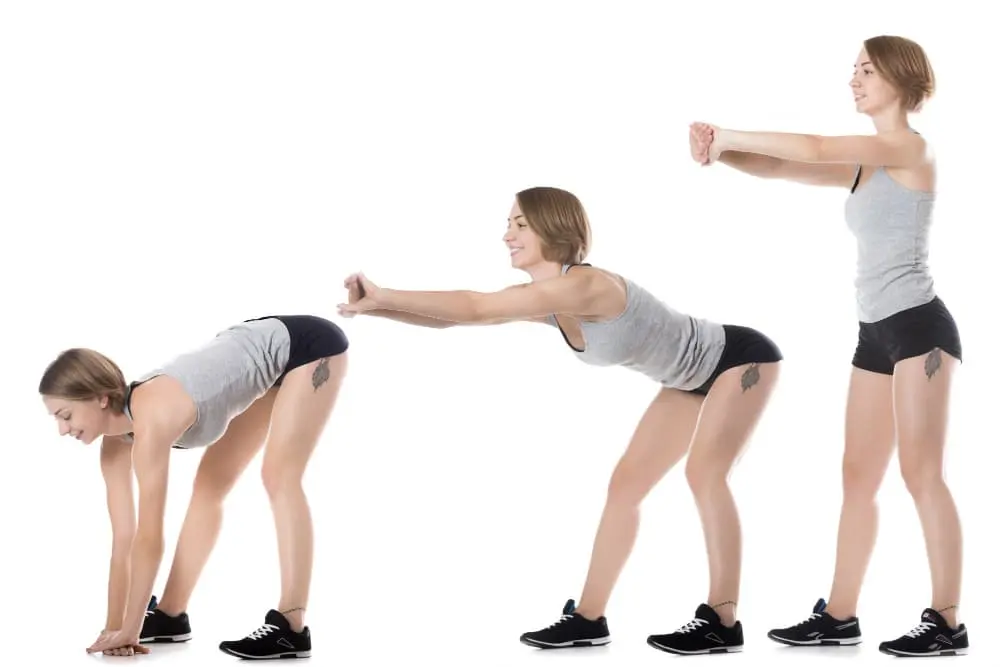
In addition to exercises with a physiotherapist, some exercises that you can do regularly at home can help you correct your posture and strengthen your muscles. Here are some effective posture exercises that you can easily incorporate into your daily routine:
Exercises to Strengthen Shoulder and Back Muscles
- Scapula compression: Sit or stand with your back straight. Pull your shoulders back and bring your shoulder blades closer together. Hold this position for 5 seconds and do 10-15 repetitions.
- Wall angels Stand with your back against the wall, feet shoulder-width apart. Place your arms against the wall with your elbows bent at 90 degrees. Without separating your arms from the wall, lift them up and stretch them over your head. Hold this position for 5 seconds and do 10-15 repetitions.
- Superman: Lie face down and stretch your arms over your head. At the same time, lift your arms and legs off the floor so that your body forms the shape of a letter "U". Hold this position for 5 seconds and do 10-15 repetitions.
Exercises to Strengthen the Abdominal Muscles
- Plank: Rest on the floor with your elbows under your shoulders and your body in a straight line. Hold this position for 30 seconds and do 3-5 repetitions.
- Side plank Rest on the floor sideways on one elbow, with your body in a straight line. Hold this position for 30 seconds and do 3-5 repetitions on each side.
- Shuttle: Lie on your back, knees bent. Place your hands behind your head and lift your upper body off the floor, squeezing your abs. Do 10-15 repetitions.
Flexibility and Balance Exercises
- Cat-and-mouse movement: Stand on your hands and knees. As you inhale, arch your back upwards (cat position), as you exhale, hollow your back downwards (camel position). Do 10-15 repetitions.
- Chest lift Stand in a doorway and place your arms on the doorjambs. Push your chest forward and stretch until you feel the tension. Hold this position for 30 seconds and do 3-5 repetitions.
- Standing on one leg: Try to stand on one leg with your eyes open and closed. You can spread your arms to the sides to keep your balance. Repeat for 30 seconds for both feet.
Exercises to relieve neck pain and tension
- Jaw pulling Sit or stand with your back straight. Pull your chin back, as if you were doing a double chin. Hold this position for 5 seconds and do 10-15 repetitions.
- Side bending of the neck: Slowly tilt your head to the right and left, trying to touch your ear to your shoulder. Do 10-15 repetitions for each side.
- Don't turn your neck: Slowly turn your head to the right and left, bringing your chin towards your shoulder. Do 10-15 repetitions for each side.
By doing these exercises regularly, you can improve your posture, strengthen your muscles and reduce your pain. However, it is important to consult your doctor or physiotherapist before starting any exercise.
Remember, it is very important to maintain correct form during exercises. Exercises performed with the wrong form can cause injuries. If you feel pain during exercise, stop immediately and contact a specialist.
Posture Correction with Physiotherapy in Medlook

If you want to work with a professional team to correct your posture and posture disorders, Thoughts we will be happy to support you in this matter.
Our Expert Physiotherapists and Approach
As Medlook family, we have a team of experienced and specialized physiotherapists. Recognizing that each patient's needs are different, we create personalized treatment plans. For us, our patients are not just cases, they are valuable partners with whom we work together on the journey to achieve their health goals. This approach is crucial for the success of the treatment process.
Physiotherapy service at Medlook you first go through a detailed evaluation process. Our expert physiotherapistsanalyzes your posture, measures your range of motion and assesses your muscle strength. In addition, they will get information about your lifestyle, occupation and health history to create the most appropriate treatment plan for you.
Treatment Methods We Use
At Medlook, we use the latest technology and the most effective methods to treat posture disorders. You can benefit from the following methods in your treatment plans:
- Manual therapy Reduce muscle tension, increase joint mobility and relieve pain through techniques such as massage, mobilization and manipulation.
- Exercise therapy: Strengthening weak muscles, stretching short and tense muscles and improving body balance with personalized exercise programs.
- Medical devices: Supporting the treatment process using medical devices such as posture correction braces and electrotherapy devices.
- Posture training: Teaching correct sitting, standing and walking positions and providing guidance on creating an ergonomic working environment.
During posture correction with physiotherapy at Medlook, your treatment is continuously monitored and evaluated. Our physiotherapists closely monitor your progress and update your treatment plan when necessary. In this way, we ensure that you get the most effective results.
We are ready to guide you to gain correct posture and posture. You can contact us for more information and to schedule an appointment.
Frequently Asked Questions (FAQ)
The process of posture correction depends on the person's age, severity of the posture disorder, lifestyle and compliance with the treatment. In mild posture disorders, noticeable improvements can be achieved within a few weeks, while in more serious cases, the treatment process can take up to several months.
The most effective exercises for posture correction vary according to the needs of the individual. In general, however, exercises that strengthen the abdominal, back, shoulder and neck muscles play an important role in correcting posture. PlankExercises such as shoulder blade compression, wall angels, bridge and neck rotations are some of them. Your physiotherapist will determine the most suitable exercises for you.
The frequency and duration of physiotherapy sessions depends on the individual's needs. Usually, 1-3 sessions are held per week and each session lasts 30-60 minutes. Your physiotherapist will inform you about this when creating your treatment plan.









 Turkish
  English
  German
  French
  Italian