
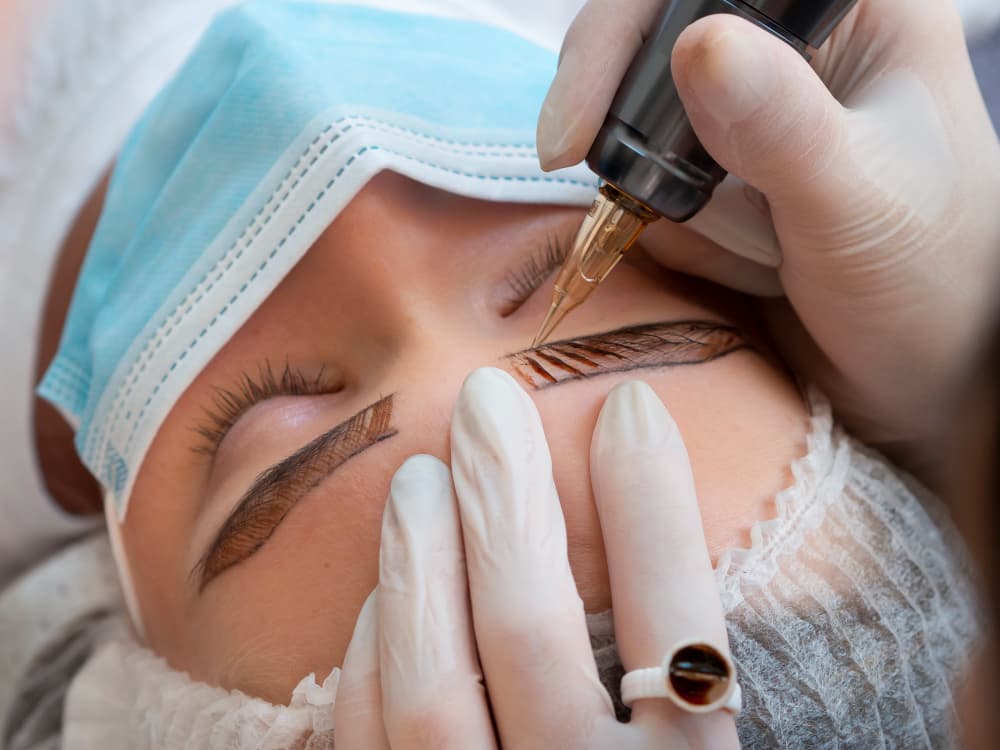
Eyebrow transplantation is an effective solution to help your eyebrows regain their natural appearance. Genetic factors over time, hormonal eyebrows that disappear due to changes or various skin problems can destabilize your facial expression and affect your self-confidence.
With eyebrow transplantation, you can get full, natural eyebrows that are suitable for your facial features thanks to the hair follicles carefully placed in the needed areas. This procedure is performed with modern medical technologies invasiveness and rapid recovery, providing a permanent and aesthetics allows you to renew your confidence with results.
Why do our eyebrows fall out?
- Genetic causes: The most common reason for sparse eyebrows is genetics. In other words, you are born with a weak eyebrow structure.
- Age: Many changes occur in our bodies over time. One of these is the change in hormone levels. These hormonal changes can sometimes cause thinning of hair or other body hairs such as eyebrows. Again, like all body cells, hair follicles also weaken due to aging. For this reason, eyebrow loss/thinning is a common condition in advanced ages.
- Eyebrow Plucking If you want to have thicker eyebrows, you should put the tweezers aside. It takes about 6 weeks for each hair you remove from your eyebrow with tweezers to grow back. However, long-term continuous eyebrow plucking can damage the eyebrow hair follicle and prevent it from growing back.
Other reasons for sparse eyebrows:
- Dietary habits: The choices you make about nutrition affect your whole body. If you are not eating healthy enough, your eyebrows will start to fall out just like your hair.
- Hypothyroidism If your thyroid gland is not secreting enough hormones, one of the possible consequences is hair and eyebrow loss.
- Atopic dermatitis (eczema): Almost people have this condition, which causes itching, redness and sometimes rashes on the skin. Atopic dermatitis can sometimes cause eyebrows to fall out.
- Alopecia areata (ringworm): Alopecia arata, an autoimmune disease, usually occurs on the scalp. In rare cases, it can also be observed on the eyebrows.
- Chemotherapy Cancer cells are fast-growing cells. Chemotherapy drugs aim to destroy these cells and remove the disease from the body. Hair, eyebrows and eyelashes are also fast growing cells. Therefore, chemotherapy drugs can also damage these cells. However, this is usually temporary. In other words, when chemotherapy treatment is over, hair, eyebrows and eyelashes start to grow again.
Is There a Treatment for Eyebrow Loss?
Your eyebrows can be strengthened with some supplements. However, it should not be forgotten that oral or local applications cannot ensure the formation of new eyebrow follicles. These methods can only strengthen the existing hair follicles.
What is Eyebrow Transplant?
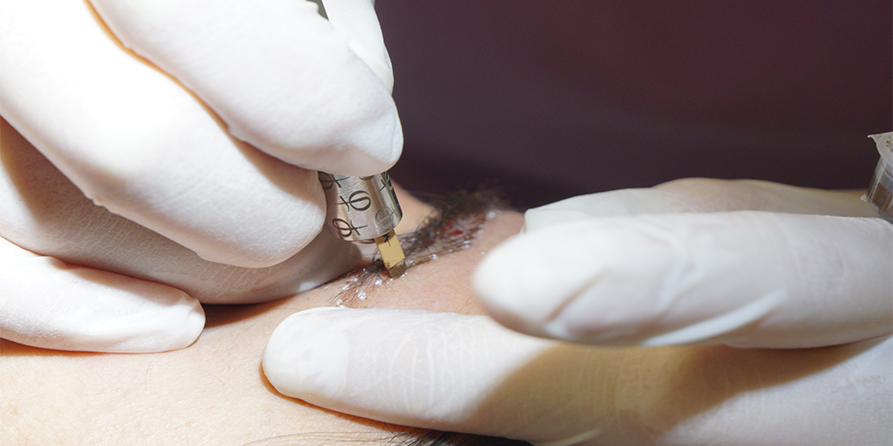
Eyebrow transplantation is a hair transplant applied to people with thinning, shedding or loss of eyebrows due to various reasons to gain natural and full eyebrows. is the procedure. In this procedure, it's usually done in the back of the head. donor Healthy hair follicles taken from the area are carefully transplanted to the eyebrow area. FUE (Follicular Unit Extraction) or DHI (Direct Hair Implantation) like hair transplantation techniques using single or double follicular units are precisely positioned.
The shape, density and angle of the eyebrows are determined in accordance with the facial features of the person. This results in eyebrows that look natural and support one's facial expression. The procedure is usually local anesthesia and offers a comfortable experience for the patient. Eyebrow transplantation helps restore facial expression and self-confidence by providing natural results.
Is Eyebrow Transplant a Painful Procedure?
Eyebrow transplantation is usually a painless procedure. Procedure local anesthesia under the skin, which ensures that you do not feel pain or discomfort during transplantation. Donor You will feel comfortable with the effect of anesthesia while the hair follicles are removed from the area and transplanted to the eyebrow area.
In the post-procedure period, mild tenderness or discomfort may be experienced, but this is usually easily managed with mild painkillers. Although the healing process varies from person to person, it is usually completed in a short time and patients can quickly return to their normal daily activities.
Are There Scars After Eyebrow Transplantation?
Eyebrow transplantation does not cause permanent scars when it is performed using scarless techniques. Modern hair transplant techniques which is FUE (Follicular Unit Extraction) and DHI (Direct Hair Implantation) methods such as minimal invasiveness and when applied correctly, they do not leave any scars or scars. However, the experience and application skills of the doctor who will perform the procedure are of great importance for the quality of the result.
When Can I Get Results After Eyebrow Transplantation?
It takes time to see the full results after eyebrow transplantation, but the post-procedure process usually proceeds as follows:
- First Week There may be a slight crusting in the planting area, but these crusts usually fall off within 7-10 days. Mild redness and swelling can also be seen during this period.
- 2-3 months: The transplanted eyebrow hairs may fall out after a while, this is a natural process and is called "shock hair loss". After this shedding, new hair follicles begin to grow.
- 4-6 months: New eyebrows begin to grow slowly during this period. Initially they may be thin and sparse, but over time they become thicker and more prominent.
- 6-12 Months: The final results are usually visible after 6 months and the transplanted hairs begin to grow completely. It may take up to 12 months before full results can be seen.
Although the results may vary from person to person, usually within a year, the transplanted eyebrows are fully grown and have a natural appearance.
Where are the hairs to be transplanted in eyebrow transplantation?
- Donor site in men: The beard, sideburns or the part of the back of the head between the two ears (nape) can be selected.
- Donor site in women: Mostly the area between the two ears at the back of the head is preferred.
The first choice for donor site selection in both men and women is the hair on the back of the head (nape). Because the hair follicles here are genetically coded not to fall out. Therefore, the grafts taken from here will not fall out for a lifetime after growing where they are transplanted.
Who Can Have Eyebrow Transplant?
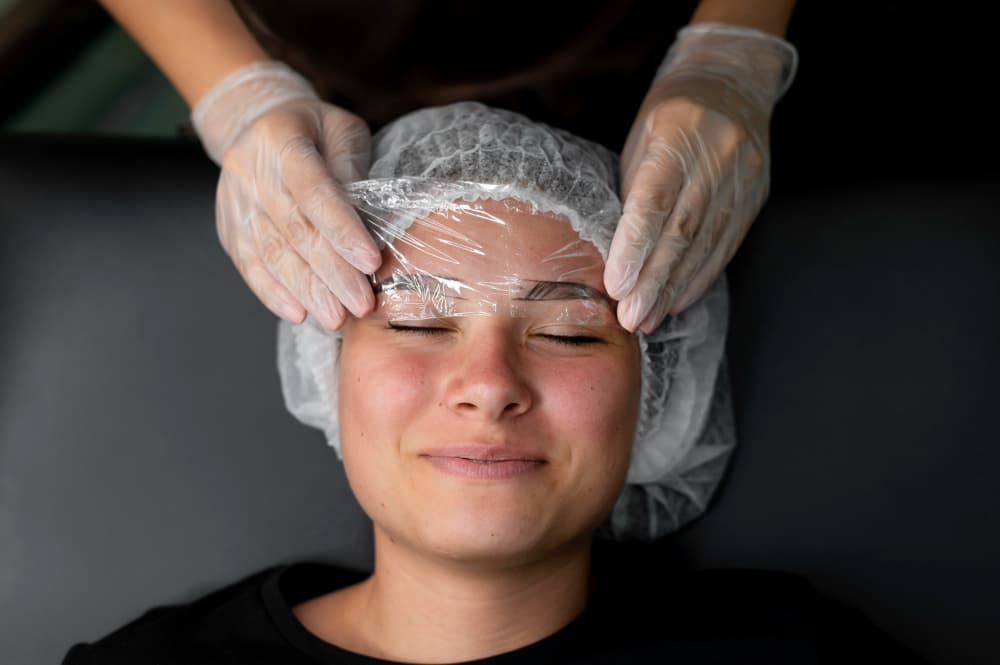
Eyebrow transplantation can be applied to people who experience thinning, loss or loss of shape in their eyebrows for various reasons. This procedure is suitable for the following cases:
- Congenitally Sparse or Weak Eyebrows: Some people may genetically have sparse or weak eyebrows. Eyebrow transplantation can be used to correct such natural deficiencies.
- Eyebrow Loss It can be applied to restore lost eyebrows in people who have lost eyebrows as a result of accidents, burns, surgical interventions or infections.
- Hormonal or Medical Causes: It can be applied to those who experience eyebrow loss due to hormonal imbalances or some medical conditions.
- Aesthetic Causes: People who want to change the shape of their eyebrows or thicken their existing eyebrows, who want to have full and prominent eyebrows.
- Alopecia: Those suffering from ringworm (alopecia areata) or other hair loss disorders.
- Thinning Eyebrows as a Result of Wrong Plucking: People whose eyebrows become thinner or sparse over time due to excessive eyebrow plucking in the past.
However, eyebrow transplantation may not be suitable in all cases. Every patient is different and it is important to consult a specialist to understand if you are a suitable candidate.
Eyebrow Transplant Methods and Techniques
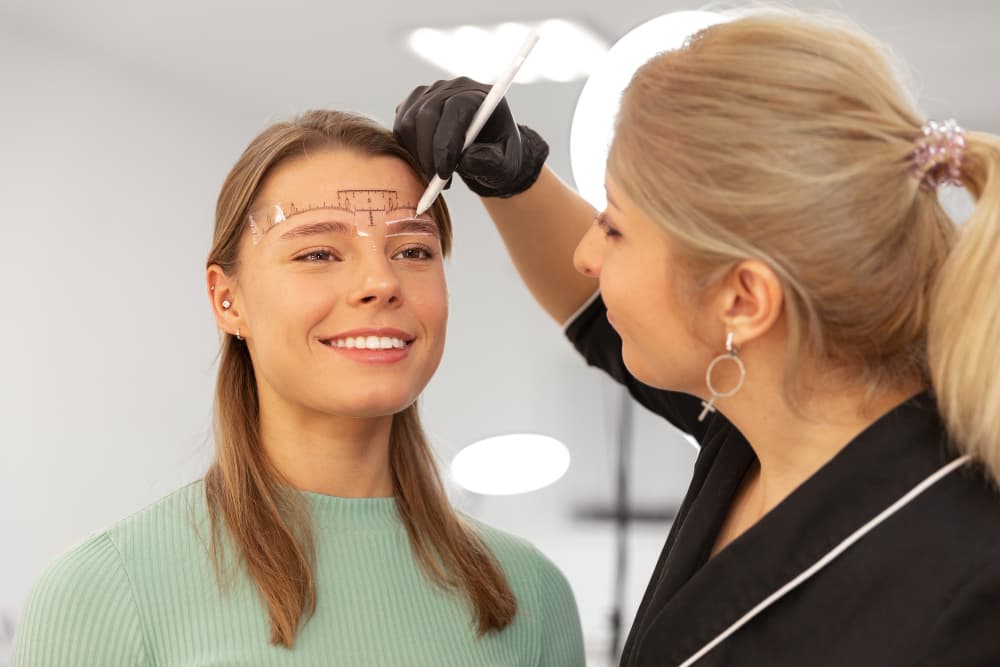
Eyebrow transplantation is a procedure that involves two main techniques FUE (Follicular Unit Extraction) and DHI (Direct Hair Implantation) methods. In both methods de on the back of the head donor hair from the region follicles and carefully placed in the eyebrow area. Here are the details of both techniques:
1. Classical FUE Method (Follicular Unit Extraction)
The classical FUE method is one of the most commonly used techniques in eyebrow transplantation. In this method, hair follicles taken from the nape area are placed one by one in the eyebrow area by opening micro channels. The hair follicles are extracted with the help of special micro motors and transplanted at an angle suitable for the natural growth direction of the eyebrow.
The classic FUE method is an effective solution for people with thinning eyebrows or gaps in certain areas. It leaves no scars after the procedure and the healing process is usually fast. However, in the first period after transplantation, the healing process must be completed to see the final shape of the eyebrows.
DHI Method (Direct Hair Implantation)
The DHI (Direct Hair Implantation) method offers a more controlled placement in eyebrow transplantation. In this technique, after the hair follicles are harvested, they are directly implanted into the eyebrow area with the help of a special pen (implanter pen) without pre-opening the channels.
The DHI method is especially preferred in cases where the eyebrow form needs to be planned very precisely. Since the transplantation depth and angle of the hair follicles are more controlled, it is easier to achieve a natural result. It is a suitable option for patients who need density planning in eyebrow transplantation.
Long Hair FUE Eyebrow Transplant Method
Long Hair FUE Eyebrow Transplant, Unlike classical methods, it allows the hair follicles to be removed and transplanted in their long form without shaving. In this way, the shape of the eyebrows can be seen immediately after the procedure and the patient can instantly observe the eyebrow form after transplantation.
This method is especially advantageous for people who want to return to their social life quickly and want to see the eyebrow design without waiting after the procedure. The Long Hair FUE technique allows for a clearer planning of the natural curve and direction of the eyebrow.
For more information about this method Long Hair FUE Eyebrow Transplant You can check our page:
Both techniques offer effective and reliable options for eyebrow transplantation. While the classic FUE method has been widely practiced for many years, the DHI method is preferred in cases where more precise control over the direction and density of eyebrow growth is required.
However, for those who want to see the eyebrow form without waiting after the procedure, aiming for a more natural preview and a quick return to social life Long Hair FUE Eyebrow Transplant is a prominent alternative. The most appropriate technique is determined by an evaluation by a specialist doctor, taking into account the eyebrow structure, expectations and lifestyle.
How is eyebrow transplantation done?
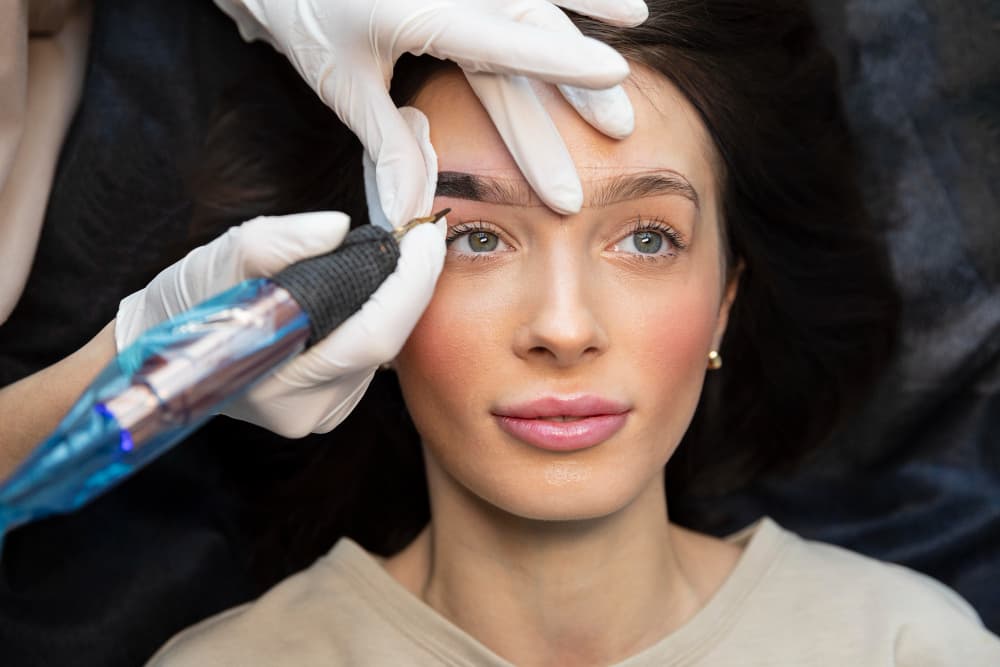
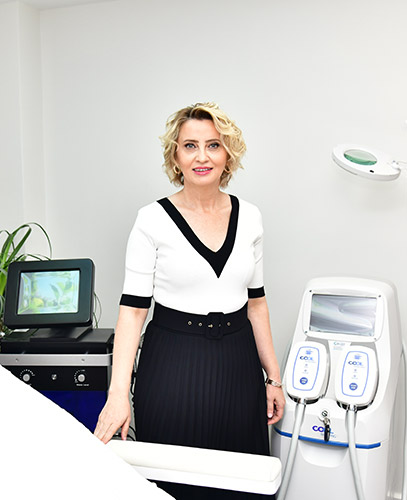
A general examination is performed before eyebrow transplantation. The person's complete blood count and general health findings are checked. Dr. Handan Yavuz After the evaluation made by the doctor, the person's facial structure, the donor area and the type of eyebrow he/she wants are determined by talking to each other.
After the eyebrow shape is decided, the number of grafts required is calculated. The donor area where the grafts will be taken and the eyebrow area to be transplanted are numbed with local anesthesia. In this way, patients do not feel anything during the procedure. If desired, painless anesthesia is also available. For this, a special device is used that delivers the anesthetic under the skin through pressure.
In our clinic, the process proceeds as follows:
- The first step is a consultation with a specialized doctor to determine the patient's expectations and needs.
- The doctor examines the eyebrow area, determines the eyebrow shape suitable for the patient's facial features and evaluates whether it is suitable for the procedure.
- The donor area (usually the back of the head) and the eyebrow area to be transplanted are determined.
- The hair follicles are carefully transplanted into the eyebrow area to be placed in a natural-looking and appropriate angle.
- In the FUE method, the roots are manually placed into the opened canals.
- In the DHI method, hair follicles are directly implanted using the Choi pen.
- On the day of the procedure, preparation is done to sterilize the donor area and administer local anesthesia.
- Hair follicles are usually taken individually or in groups from the back of the head.
- In the FUE method, hair follicles are extracted one by one using a micro-motorized device or a manual punch.
- In the DHI method, hair follicles are removed with the help of a special device.
- The roots are carefully harvested and made suitable for transplanting.
- The eyebrow area is numbed with local anesthesia.
- The doctor makes small incisions (canals) for the placement of the roots to be transplanted. The DHI method involves direct transplantation without the need for incisions.
- After the procedure is completed, there may be mild swelling or crusting in the transplant area. These symptoms usually disappear within 1-2 weeks.
- The patient learns how to care for the transplant site according to the doctor's recommendations.
- In the first few weeks, the transplanted eyebrows may fall out in a process known as shock shedding, but this is normal.
- Within a few months, new eyebrows begin to grow from the transplanted roots and full results are seen in 6-12 months.
A determined number of grafts are taken from the donor area and these follicles are placed on the empty eyebrow areas by adjusting their directions correctly. Eyebrow transplantation hair transplant It is performed on a much smaller area. However, since even a single hair follicle affects the appearance considerably, it is necessary to avoid the smallest mistake. Therefore, it is a procedure that requires great skill and meticulousness.
How long does the process take?
Do Grafts Taken from the Donor Area Leave Scars in Eyebrow Transplantation?
How long after eyebrow transplantation can I return to normal life?
In the first 3 days after eyebrow transplantation, in order for the newly transplanted eyebrows to hold, it should be very careful not to have any impact or physical contact with the transplanted area. The head should not be tilted forward as much as possible. However, this is not an obstacle to returning to normal life.
Things to Consider Before and After Eyebrow Transplantation
In order for the eyebrow transplantation procedure to be successful and the healing process to go smoothly, some important points should be considered before and after:
Things to Consider Before Eyebrow Transplant
- Do Not Follow Doctor's Instructions: Carefully follow all instructions given by the doctor before the procedure.
- Blood Thinners: If you are taking blood thinners, you should stop taking them a few days before the procedure in consultation with your doctor. This includes medicines such as aspirin and ibuprofen.
- Smoking and Alcohol: Smoking can affect blood circulation and delay healing. It is recommended to stop smoking a few weeks before the procedure. Likewise, alcohol consumption should be stopped a few days before the procedure as it can increase bleeding.
- Hair and Eyebrow Care: Keep the hair and brow area clean and healthy. Keep the eyebrow area free of makeup or other chemical products.
- Healthy Nutrition: Eating a diet rich in vitamins and protein before the procedure to increase your body resistance can facilitate healing.
Things to Consider After Eyebrow Transplant
- Attention to Planting Area: Avoid rubbing or scratching the transplant area after eyebrow transplantation. Slight crusting is a natural process, let it fall off on its own.
- Sun Protection: Protect the transplanted area from the sun. It may be helpful to use sunscreen or wear a wide-brimmed hat.
- Smoking and Alcohol: Avoid smoking and alcohol consumption during recovery.
- Avoid Heavy Exercise: For the first few weeks, avoid activities that may cause sweating, such as heavy exercise, swimming or saunas.
- Doctor Check-ups Go to follow-up appointments at the intervals recommended by the doctor and evaluate the progress of the planting.
- Regular Cleaning: Gently clean the transplant area as recommended by the doctor. Usually, the area can be cleaned with a mild shampoo after a few days.
- Shock Spill: It is normal for the transplanted eyebrows to fall out in a process called shock shedding. New eyebrows will start to grow again in a few months.
By paying attention to these guidelines, you can ensure that eyebrow transplantation gives healthy results.
Istanbul Eyebrow Transplant Prices 2026
Eyebrow transplant prices in Istanbul for the year 2024 vary in a wide range. Prices vary depending on factors such as the transplant technique used, the number of follicles to be transplanted, the location of the clinic and the experience of the doctor. For example, different transplantation techniques such as FUE and DHI, the duration and complexity of the operation can affect the cost.
It will be useful to contact your preferred clinic directly for detailed information and a planning suitable for your personal situation. You can send us the current eyebrow transplant prices in Istanbul and the questions you are curious about. Contact us now for a free consultation Give us a call!
Contact Us
Contact Us Now for Free Consultation and Appointment!
Why Should You Choose Us?
Medlook clinicoffers personalized eyebrow transplantation solutions, allowing you to achieve aesthetic and natural results that adapt to facial contours. Dr. Handan Yavuz Our expert team under the leadership of our team serves you with its high experience and success rates.
Patient satisfaction and positive references, the latest technology used Equipment and supported by innovative techniques. We are Thoughts we promise to provide you with quality service and strive to achieve your aesthetic goals. For detailed information, you can make an appointment on our website and contact us communication you can move on.





 Turkish
  English
  German
  French
  Italian