
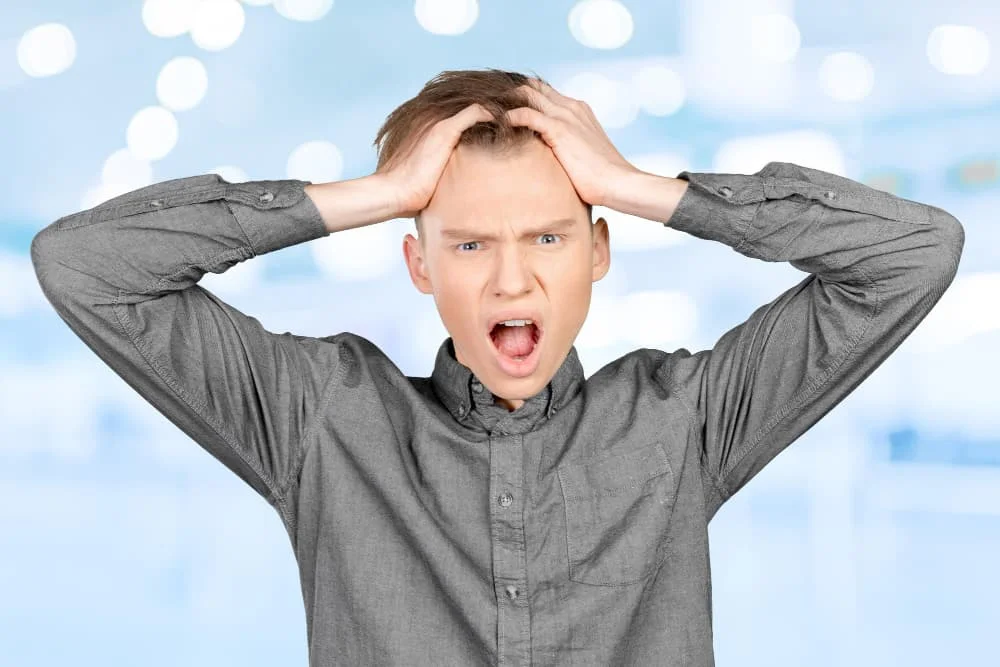
In today's fast-paced life, stress causes many health problems. One of these problems is stress, which negatively affects hair health. stress-induced hair loss. But does stress really cause hair loss? In this article, we will discuss how stress causes hair loss, its symptoms and effective solutions.
Featured Headlines
ToggleThe Scientific Link Between Stress and Hair Loss
The intense stress of modern life has various negative effects on our bodies. One of them is hair lossis. Stress disrupts the normal functioning of hair follicles, activating complex biological processes that can trigger hair loss or worsen the existing condition.
How Does Stress Make Hair Fall Out?
Stress changes the hormonal and biochemical balances in our body. These changes negatively affect the way hair follicles work. Here are some of the basic mechanisms by which stress causes hair loss:
- Telogen Effluvium: Intense stress causes hair follicles to prematurely enter the “resting” phase that they should normally go through. This leads to sudden and abnormal hair loss after a few months.
- Hormonal Changes: The body during stress, cortisol called stress hormone. High cortisol levels disrupt the hair growth cycle, weakening hair follicles and increasing the rate of hair loss.
- Suppression of the Immune System: Chronic stress can lower the effectiveness of the immune system. In rare cases, immune cells can attack the hair follicles, which can lead to alopecia areata can lead to problems like.
- Decreased Blood Circulation: Stress causes blood vessels to constrict, reducing the amount of oxygen and nutrients reaching the hair follicles. Malnourished hair follicles weaken and begin to fall out.
In summary, stress activates a complex set of biological processes that can trigger hair loss. Therefore, stress management practices are critical in maintaining hair health.

Symptoms of Stress-Induced Hair Loss
Stress-related hair loss usually occurs suddenly and manifests itself as diffuse thinning of the entire scalp. The distinctive features that distinguish it from other types of hair loss are as follows:
Typical Symptoms of Stress-Induced Hair Loss
- General Hair Thinning: Hair is not concentrated in a specific area, but is evenly thinning throughout the head.
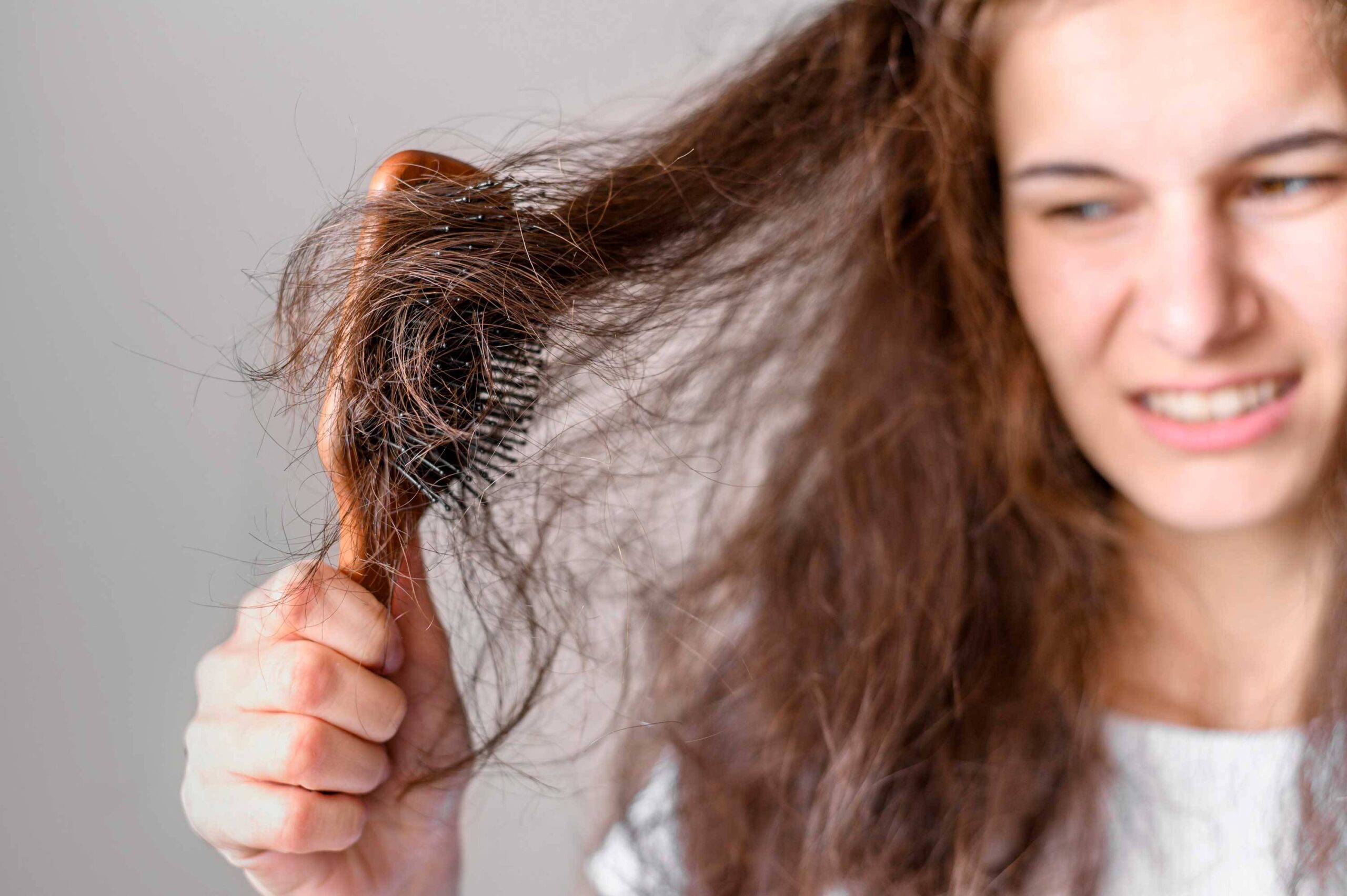
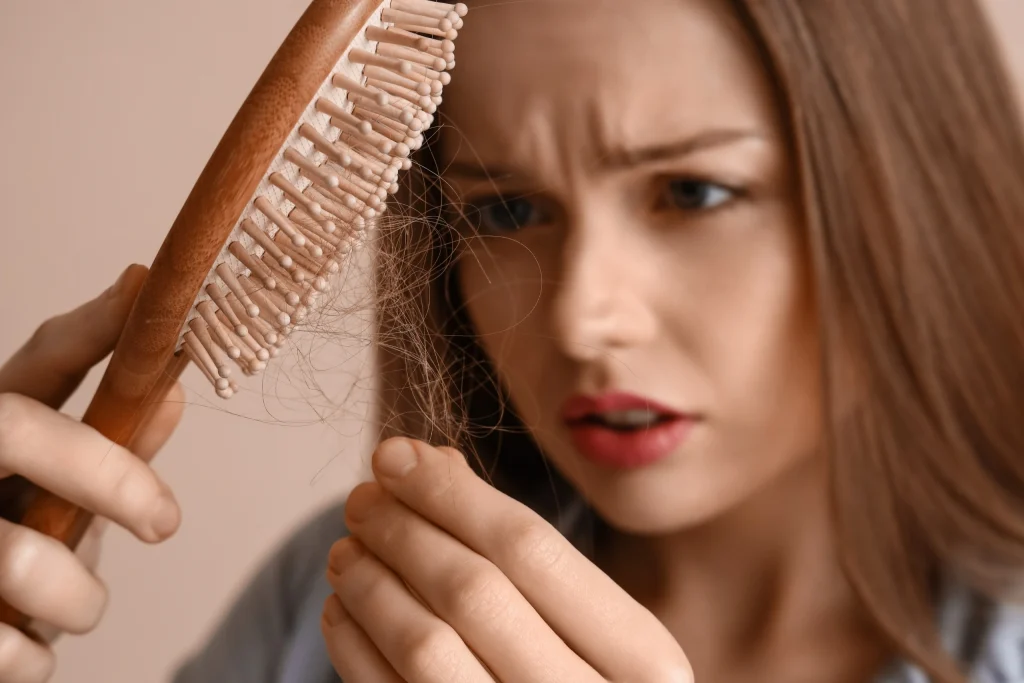
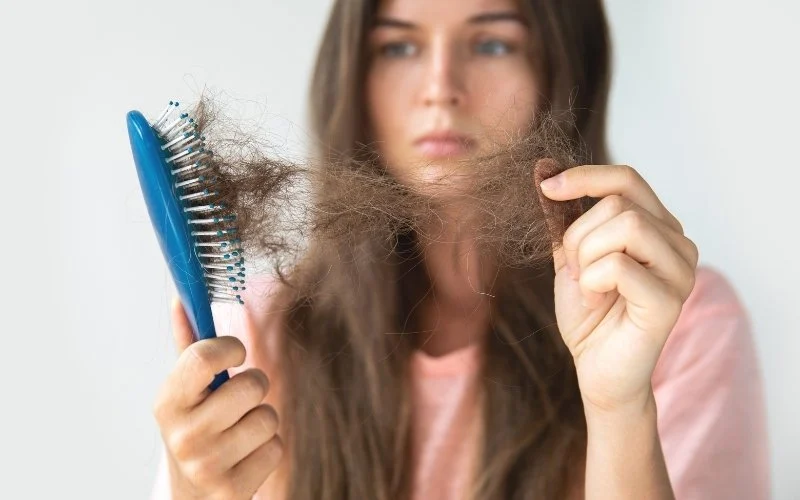
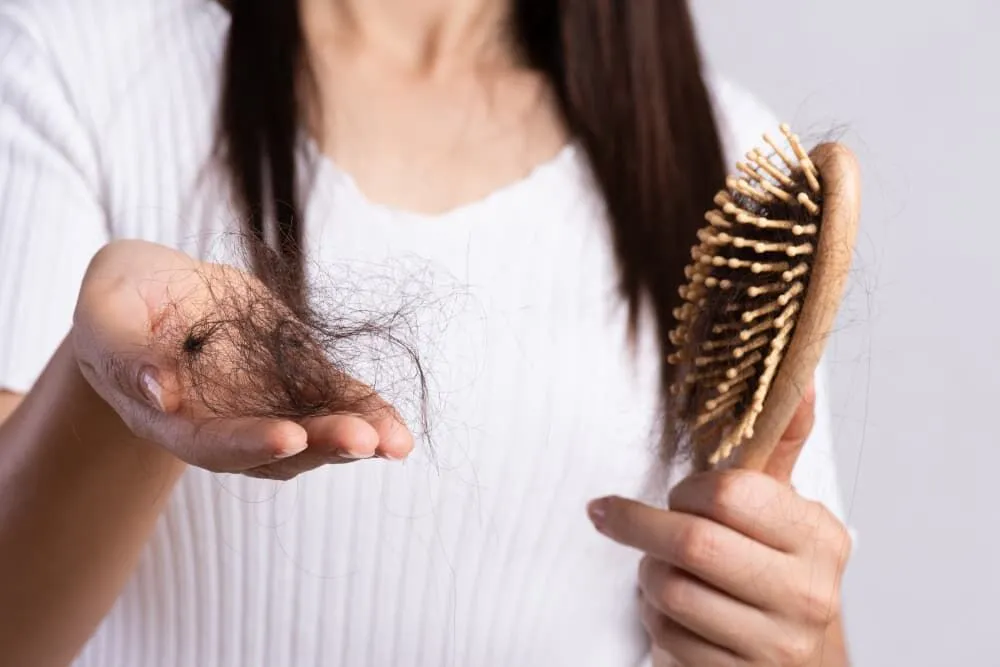
- Increased Hair Loss: When washing or combing your hair, you may notice more strands than usual; hair loss can be seen on pillows, clothes or all over the house.
- Lifeless and Fragile Hair: Hair strands are drier, dull and fragile hair may become brittle; split ends may increase.
Distinguishing Features from Other Types of Hair Loss
- Telogen Effluvium: Due to stress, hair follicles go into an early “resting” phase. This is temporary and hair can regrow when the stress is reduced.
- Androgenetic Alopecia: Conditions such as male pattern baldness are usually permanent and follow a specific shedding pattern, for example, spreading from the temples or thinning at the crown.
- Alopecia Areata: Hair loss usually occurs in patches, usually the size of a coin.
These symptoms help you understand how stress triggers hair loss. With early diagnosis and appropriate treatment, stress-induced hair loss usually becomes a temporary condition.
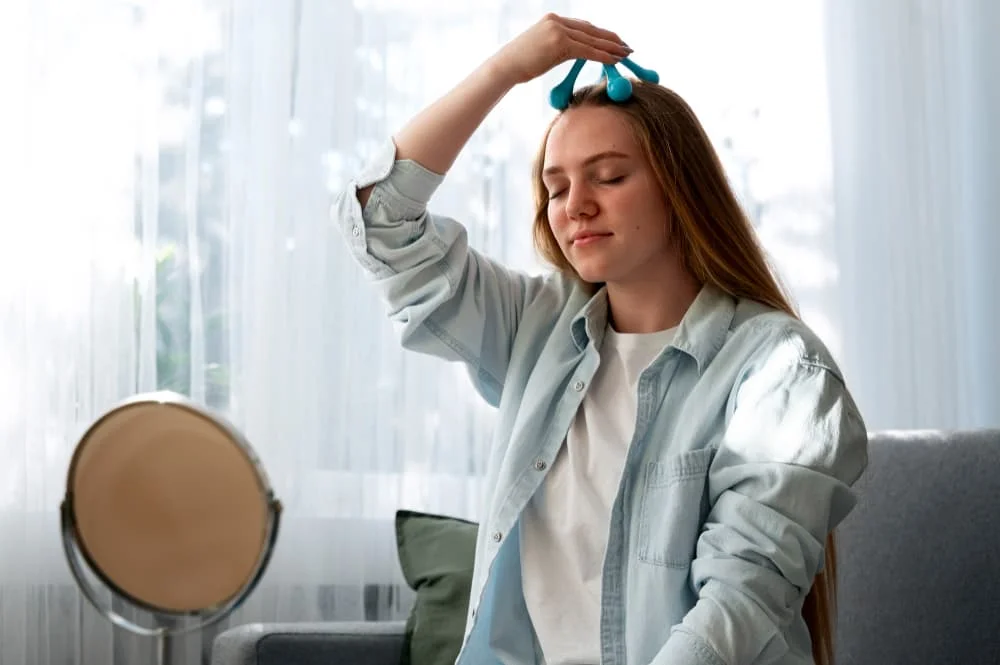
Managing Stress and Reducing Hair Loss
Stress is one of the major factors that trigger hair loss. Therefore, controlling your stress levels is one of the most fundamental steps to protecting your hair health. Below are effective ways to manage stress and reduce hair loss:
Tips for Managing Stress
- Develop Awareness: Recognizing your stressful situations and sources of stress is the first step in dealing with them.
- Yoga and Meditation: These techniques calm your mind, reduce stress and help you find inner peace.
- Deep Breathing Exercises: Slow and deep breathing calms your nervous system and reduces the level of stress hormones.
- Exercise Regularly: Most days of the week at least 30 minutes moderate-intensity physical activity helps to reduce stress hormones and release endorphins.
- Adequate Sleep: Every night 7-8 hours Getting quality sleep reduces stress and helps prevent hair loss.
- Healthy Nutrition: A balanced and nutritious diet helps your body cope better with stress. Limit processed foods, sugar and caffeine, and eat plenty of vegetables, fruit, whole grains and healthy fats.
- Hobbies and Social Activities: Engaging in activities you enjoy and socializing are effective ways to reduce stress.
- Professional Help If you find it difficult to cope with stress, you may need a psychologist or therapist support can be useful.
Additional Tips to Reduce Hair Loss
- Gentle Care Avoid brushing your hair hard or gathering it tightly. Such actions can damage the hair follicles and increase hair loss.
- Choosing the Right Product: Gentle and suitable for your hair type sulfate-free use shampoos and conditioners. If possible, choose products with natural ingredients.
- Avoid Heat Use heat styling tools such as hair dryers, straighteners or tongs as little as possible.
These recommendations offer a holistic approach to help you manage stress as well as maintain your hair health and reduce hair loss.

Professional Treatment Options for Stress-Induced Hair Loss
Stress management and lifestyle changes play an important role in alleviating hair loss. However, if the methods you apply at home are not enough or if hair loss is severe, it is best to seek professional help. MedLook, is at your side with its team specialized in hair loss treatments and personalized treatment options.
Treatment Options Offered at MedLook
- PRP (Platelet Rich Plasma) Treatment: It is applied by injecting plasma obtained from your own blood and rich in growth factors into the scalp. PRP reduces hair loss by stimulating hair follicles and encourages new hair growth.
- Mesotherapy A special mixture of vitamins, minerals, amino acids and other nutrients is injected into the scalp with micro-needles. This method nourishes the hair follicles and promotes healthier and stronger hair growth.
- Hair Transplantation: In cases of advanced hair loss or unresponsive to other treatments, hair transplantation offers a permanent solution. At MedLook, modern techniques such as FUE and DHI are successfully applied by our expert surgeons.
Treatment Selection and Personalized Planning
At MedLook, a detailed assessment is carried out to determine the cause and severity of your hair loss. As a result of this evaluation, the most appropriate treatment option or combination is determined by our specialist doctors.
- Personalized treatment plan: Every patient's skin structure and hair loss is different. Therefore, treatment plans are completely customized for you.
- Preliminary examination Your health history, existing hair problems and expectations are examined in detail.
- Expert opinion: Our doctors will determine the most appropriate treatment method for you and recommend options such as PRP, mesotherapy or hair transplantation if necessary.
Remember, stress-induced hair loss is a treatable condition. It is possible to regain your hair with early intervention and correct treatment methods. If your hair loss problem continues, you can get a free pre-interview appointment by contacting us.
Frequently Asked Questions (FAQ)
Is stress-induced hair loss permanent?
Usually no. Stress-induced hair loss (telogen effluvium) is usually a temporary condition. Once the stressor is removed or managed, hair usually starts to grow back within a few months. However, if hair loss persists for a long time or is severe, it is important to consult a specialist.
Which vitamins should be taken to prevent hair loss?
Here are some essential vitamins and minerals that are important for hair health:
- B Vitamins (especially Biotin): Supports keratin production, the building block of hair.
- Vitamin D: It is essential for the healthy cycle of hair follicles.
- Iron: It plays an important role in oxygen transportation to hair follicles.
- Zinc It is essential for the growth and repair of hair tissue.
- Vitamin C: It is essential for collagen production and is a powerful antioxidant.
- Vitamin E: Supports blood circulation in the scalp.
However, before taking vitamin supplements, you should always you should consult your doctor.
How long does stress-induced hair loss last?
Stress-induced hair loss usually occurs 2-3 months after the onset of a stressful event and 3 to 6 months until the end of the day. This time may vary from person to person.
When should I see a doctor for hair loss?
If your hair loss has started suddenly, if it is intense, if baldness occurs in certain areas or if you have additional symptoms such as itching, redness, pain on your scalp; also if the methods you apply at home are not effective, you should consult a dermatologist it is important that you apply.
What else besides stress can cause hair loss?
Hair loss can have many different causes. These include genetic factors (male/female pattern baldness), hormonal changes (pregnancy, menopause), certain medications, thyroid diseases, autoimmune diseases, nutritional deficiencies, tight hairstyles and chemical treatments.
Is hair loss normal?
On the day 50-100 wires hair loss is considered normal.





 Turkish
  English
  German
  French
  Italian