
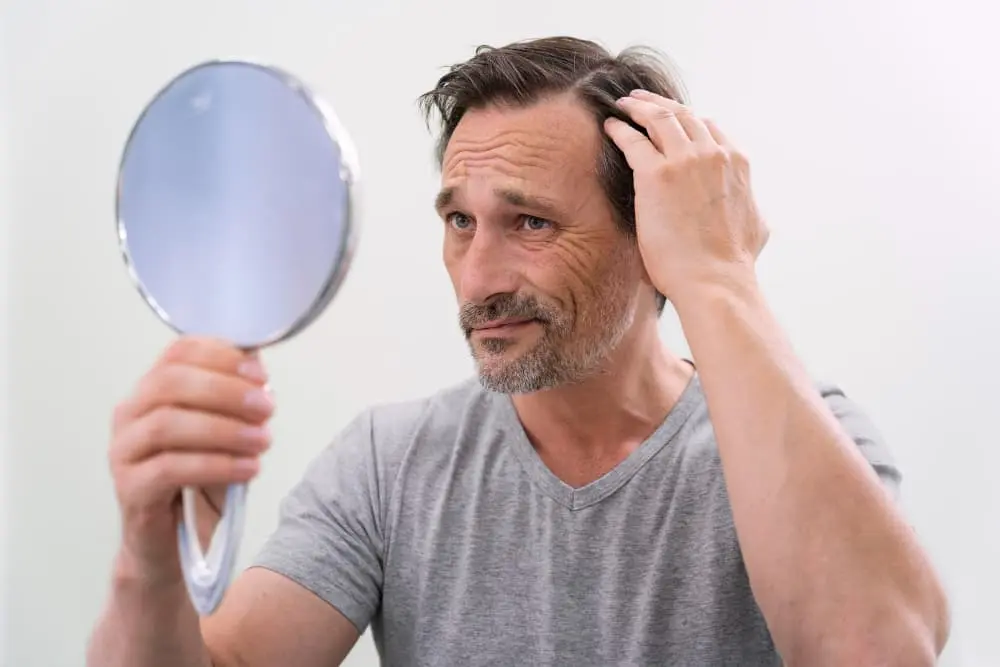
Our hair is an important part of our appearance and self-confidence. However, hair loss is a problem that many people face and worry about. While it is normal to lose some of our hair every day, excessive hair loss can negatively affect our quality of life.
Featured Headlines
ToggleIn this article, we will explore the causes, types and effective solutions to hair loss. Get ready to learn what you can do to combat hair loss and regain healthy hair.
Why Does Hair Fall Out?
Our hair is an important part of our appearance and self-confidence. However, excessive hair loss is a problem that many people face and worry about. While it is normal to lose a certain amount of hair every day more than 100 strands lost per day, is considered to be hair loss. This is a common problem that can affect both men and women and can have various causes.
Hair loss can have many different causes. Among the most common causes are the following:
- Genetic Factors
- Hormonal Imbalances
- Nutritional Deficiencies
- Stress
- Effect of Hair Care Products
Genetic Factors
Genetic factors are one of the most common causes of hair loss. Male pattern hair loss (androgenetic alopecia) is the most common type of hair loss in men due to genetic predisposition.
In this type of hair loss, the hair usually begins to thin at the temples and crown first, and may fall out completely in the later stages. Genetic hair loss can also occur in women, but is not as common as in men. In female pattern hair loss, there is usually a general thinning of the entire scalp.
Hormonal Imbalances
Hormonal imbalances are another important cause of hair loss. Hormonal changes such as thyroid problems, polycystic ovary syndrome (PCOS) and the postpartum period can lead to hair loss.
Thyroid hormones are important for hair growth and cycling. Inadequate or excessive production of thyroid hormones can lead to hair loss. PCOS is a hormonal imbalance in women and can lead to hair loss as well as acne, weight gain and irregular menstrual cycles. Hormonal changes in the postpartum period can also cause temporary hair loss.
Nutritional Deficiencies
Deficiency of certain vitamins and minerals such as iron, zinc, biotin and vitamin D can lead to weakened hair and hair loss.
Iron is an important component of hemoglobin, which carries oxygen to the hair follicles. Zinc is essential for hair growth and repair. Biotin is involved in the production of keratin, the structural protein of hair. Vitamin D is important for the healthy development of hair follicles.
An unbalanced and inadequate diet can contribute to hair loss by causing a deficiency of these vitamins and minerals.
Stress
Intense stress can trigger hair loss or worsen the existing condition. Stress can inhibit hair growth by reducing blood flow to the hair follicles. Stress can also trigger hormonal imbalances that cause hair loss.
Effect of Hair Care Products
Chemical-containing hair dyes, shampoos, hair sprays and styling products can irritate the scalp and cause hair loss. The harsh chemicals in these products can damage hair follicles and cause hair weakening.
In addition, tying or braiding hair too tightly can also damage the hair follicles, leading to weakened hair. Therefore, when choosing hair care products, it is important to opt for products with natural and gentle ingredients.
Types of Hair Loss: Which One Affects You?
Hair with the loss of if you're faced with a problem, first of all specialized PhD It is important that you get the right diagnosis in consultation. Physician, will determine the type and cause of hair loss and recommend the most appropriate treatment method for you.
Hair loss is not a single problem; it is a condition that has several types with different causes and symptoms. Accurate diagnosis is the first step in creating an effective treatment plan. Here are the most common types of hair loss:
Male Pattern Hair Loss
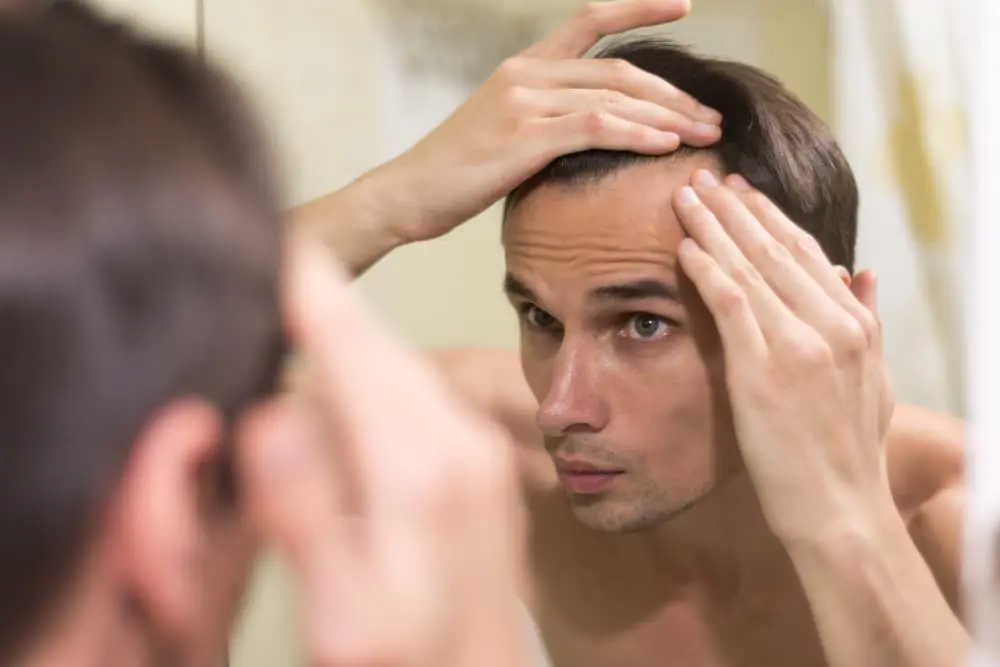
Androgenetic Alopecia, genetics and hormonal occurs as a result of the interaction of factors. This type of hair loss is most common in men and usually starts in their 20s. Typically, the hair first starts to thin at the temples and crown, and over time, it may completely disappear from these areas. balding may occur.
Female Pattern Hair Loss
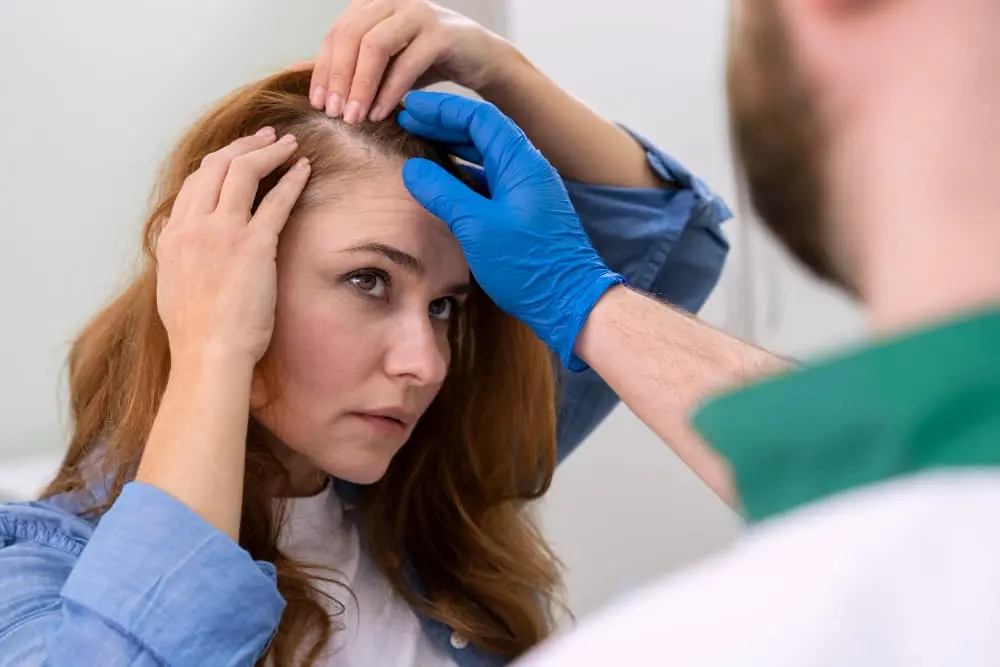
Frontal Fibrosing Alopecia, hormonal/genetic It is influenced by factors, but unlike male pattern hair loss, it usually presents as a more diffuse thinning. The hairline is usually maintained, but the hair becomes thinner and sparser overall. Such as menopause hormonal Changes, this problem can trigger or accelerate.
Alopecia Areata (Ringworm)
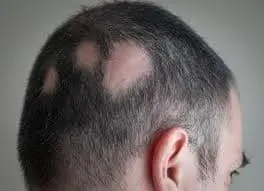
Ringworm, is a type of hair loss that occurs when the immune system attacks the hair follicles. In this case, patchy balding patches, usually round or oval in shape, form on the scalp. Alopecia areata, It can occur at any age and can affect the hair as well as the beard, eyebrows and eyelashes.
Temporary Hair Loss
Stres is a type of temporary hair loss that occurs as a result of triggering factors such as illness, surgery, childbirth or the use of certain medications. In this case, the hair growth cycle is disrupted and hair begins to fall out faster than usual. Telogen effluvium It usually resolves spontaneously within a few months, but can recur if the underlying cause is not treated.
What is Good for Hair Loss?
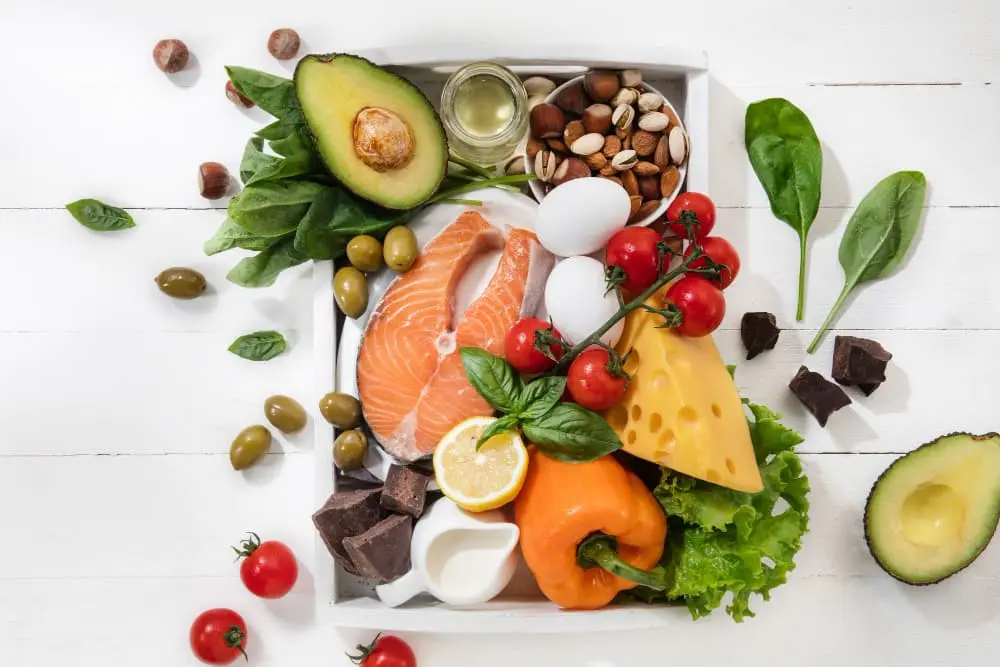
Proper nutrition and effective care products are essential in the fight against hair loss. A diet enriched with vitamins and minerals that support hair health and specially formulated care products against hair loss can help your hair become stronger and healthier.
Adequate intake of certain vitamins and minerals is important for healthy hair growth and to prevent hair loss. Here are some nutrients that are important for hair health:
- Iron: Iron is an important component of hemoglobin, which carries oxygen to the hair follicles. Iron deficiency can cause hair loss. You can add iron-rich foods such as red meat, spinach, lentils and dried fruits to your diet.
- Zinc Zinc is essential for hair growth and repair. Zinc deficiency can lead to weakened hair and hair loss. Shellfish, red meat, nuts and seeds are rich in zinc.
- Biotin: Biotin is involved in the production of keratin, the structural protein of hair. Biotin deficiency can cause hair to become brittle and fall out. You can consume biotin-rich foods such as eggs, almonds, avocados and sweet potatoes.
- Vitamin D: Vitamin D is important for the healthy development of hair follicles. Vitamin D deficiency can contribute to hair loss. Sunlight, oily fish, egg yolks and vitamin D-fortified dairy products can help increase vitamin D intake.
- B Vitamins B vitamins are an important group of vitamins for hair health. Especially vitamin B7 (biotin) and vitamin B12 are essential for hair growth and health. Whole grains, green leafy vegetables, meat, fish and dairy products are rich in B vitamins.
Remember, healthy hair is not just about vitamins and minerals. A balanced diet, regular exercise, stress management and the use of the right hair care products also play an important role in maintaining hair health. If you notice any serious hair loss or problems, it is important to consult a dermatologist.
What Can You Do to Prevent Hair Loss?
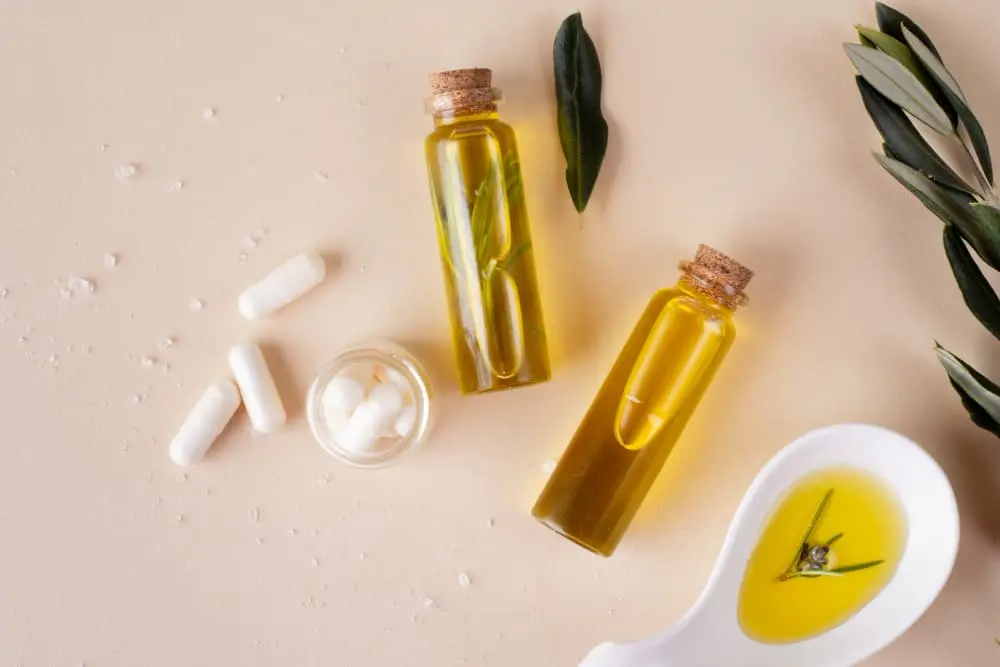
Taking preventive measures is of great importance in the fight against hair loss. Adopting a healthy lifestyle can help prevent hair loss and keep your hair stronger and healthier. Here are some steps you can take to prevent hair loss:
Nutrition Recommendations
A healthy and balanced diet is one of the cornerstones of hair health. Getting enough of the vitamins and minerals your hair needs can help prevent hair loss. Here are some nutritional recommendations for your hair:
- Eat Protein-Rich Foods: Hair is made up of a protein called keratin. Therefore, adequate protein intake is important for hair health. Include protein-rich foods such as red meat, chicken, fish, eggs, dairy products, legumes and nuts in your diet.
- Pay Attention to Foods Containing Iron: Iron is an important component of hemoglobin, which carries oxygen to the hair follicles. Iron deficiency can cause hair loss. Eat iron-rich foods such as red meat, spinach, lentils and dried fruits.
- Increase Your Zinc Intake: Zinc is essential for hair growth and repair. Zinc deficiency can lead to hair loss and thinning hair. Shellfish, red meat, nuts and seeds are rich in zinc.
- Consume Foods Containing Biotin: Biotin is involved in the production of keratin, the structural protein of hair. Biotin deficiency can lead to hair loss and brittle hair. Include biotin-rich foods such as eggs, almonds, avocados and sweet potatoes in your diet.
- Do Not Neglect Vitamin D Intake: Vitamin D is important for the healthy development of hair follicles. Vitamin D deficiency can contribute to hair loss. Sunlight, oily fish, egg yolks and vitamin D-fortified dairy products can help increase vitamin D intake.
- Eat foods rich in Vitamin B: B vitamins are an important group of vitamins for hair health. Especially vitamin B7 (biotin) and vitamin B12 are essential for hair growth and health. Whole grains, green leafy vegetables, meat, fish and dairy products are rich in B vitamins.
Natural Oils and Herbal Remedies
Some natural oils and herbal remedies can help prevent hair loss and support hair health. Here are some popular options:
- Coconut Oil: Coconut oil moisturizes the scalp and can help prevent breakage by strengthening the hair strands. You can regularly massage coconut oil into the scalp and ends of the hair.
- Argan Oil Argan oil nourishes, moisturizes and adds shine to the hair. It is also rich in vitamin E.
- Rosemary Oil Rosemary oil, increases blood circulation in the scalp, stimulates hair follicles and promotes growth. You can use it by adding a few drops of rosemary oil to your shampoo or by massaging the scalp.
- Aloe Vera: It soothes the scalp, prevents dandruff and promotes growth. You can use aloe vera gel by applying it to the scalp or adding it to your shampoo.
- Green Tea Green tea is rich in antioxidants and can help prevent hair loss. You can apply green tea after brewing and cooling it.
The effects of natural remedies can vary from person to person. Before applying any natural method, it is advisable to test a small area of your skin for the risk of an allergic reaction.
Effective Care Products
Specially formulated shampoos, conditioners and serums against hair loss can strengthen hair follicles and help hair grow healthier. These products often contain ingredients that help prevent hair loss, such as biotin, keratin, caffeine, argan oil and saw palmetto.
When choosing effective care products against hair loss, it is important to choose products suitable for your hair type and the cause of hair loss. You can choose the most suitable products for you in consultation with your doctor. In addition, using hair care products regularly and massaging the scalp can increase the effectiveness of the products.
Remember: In order to keep hair healthy and prevent hair loss problems, it is important to adopt a healthy lifestyle, eat a balanced diet, avoid stress and use appropriate hair care products. It is also important to seek professional help if your complaints persist or intensify.
Which methods are used in hair loss treatment?
Hair loss treatment varies depending on the cause, type and severity of hair loss. Today, there are many effective methods available to combat hair loss. Some of the most commonly used treatment methods:
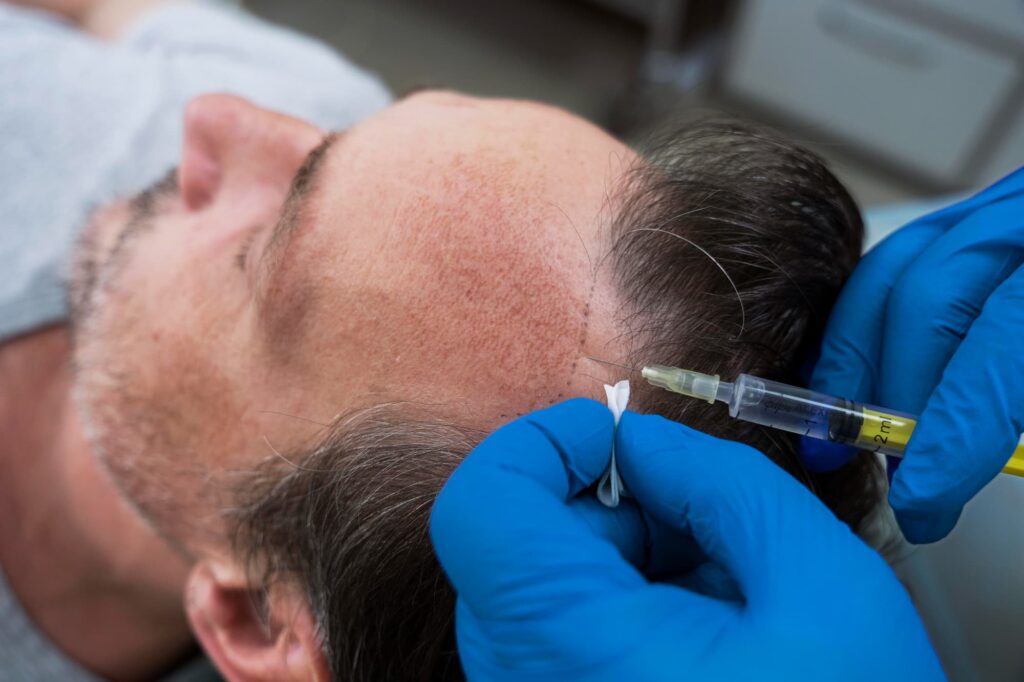
PRP Treatment
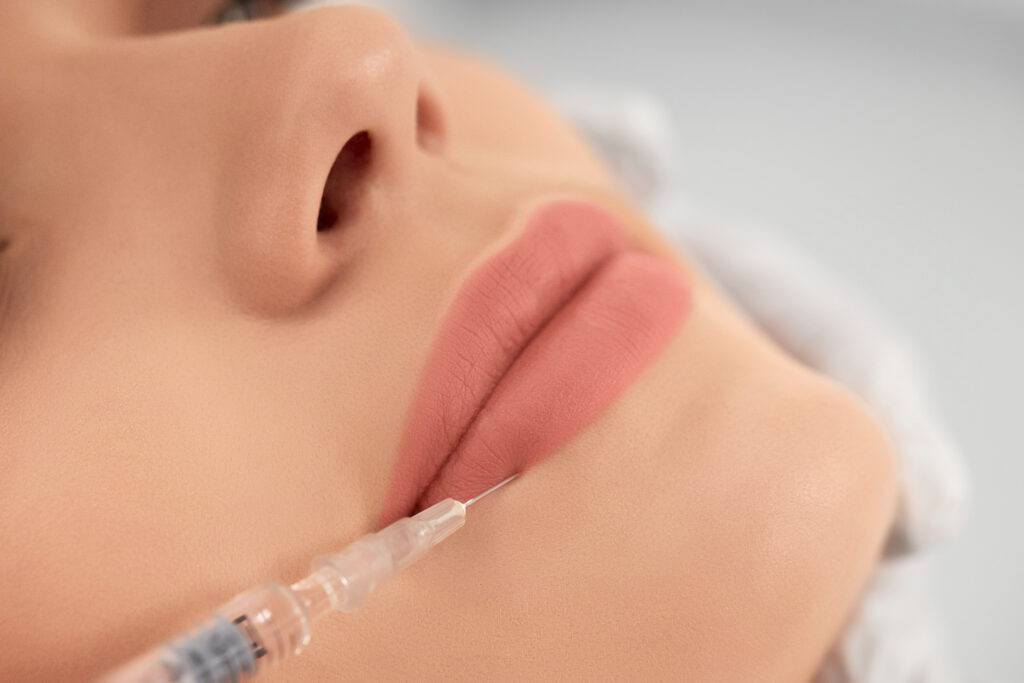
PRP (Platelet Rich Plasma) treatment, is the process of injecting platelet-rich plasma obtained from the person's own blood into the scalp. It helps to reduce hair loss, thicken the hair strands and improve the overall health of the scalp.
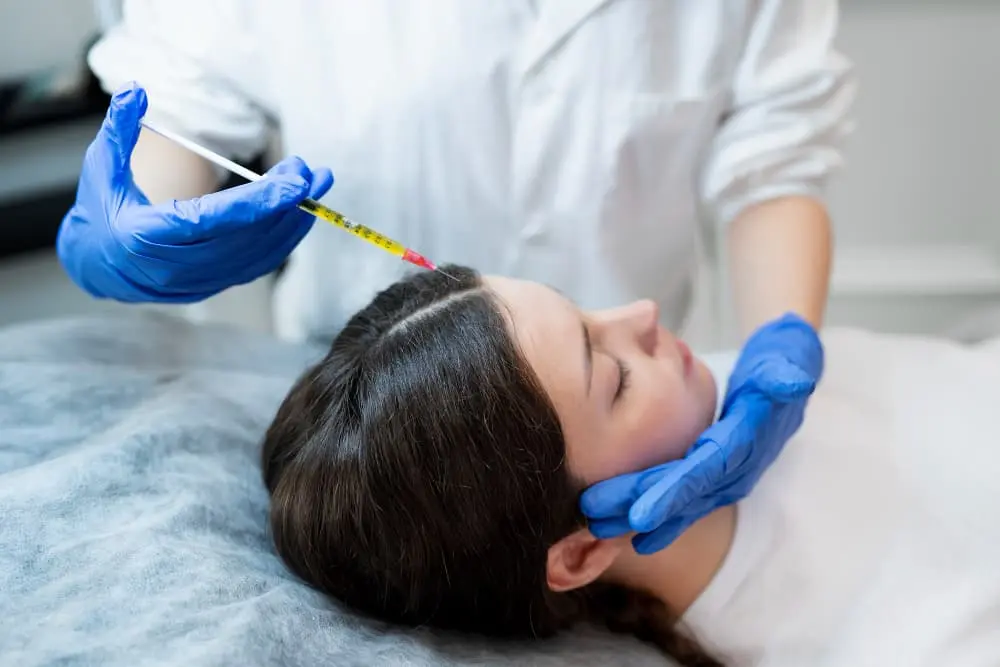
Mesotherapy
Hair mesotherapy In the method, a special mixture containing vitamins, minerals, amino acids and growth factors is injected into the scalp through micro-needles. Snourishes hungry roots, improves blood circulation and stimulates hair growth.
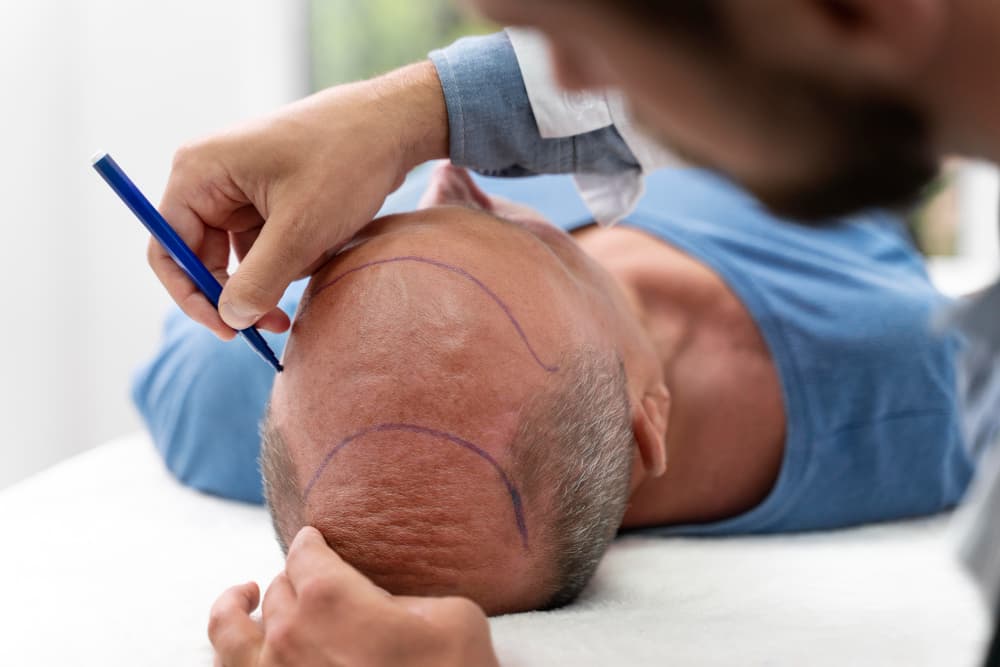
Hair Transplant: A Permanent Solution?
Hair transplantation, is the most permanent solution for hair loss. In this method, the person's own healthy hair follicles are taken and transplanted to balding or sparse areas. Hair transplantation offers natural and permanent results. However, it is a surgical procedure and may require a recovery period.
Hair Loss Treatment at Medlook: Personalized Solutions
Hair loss is a problem that negatively affects the quality of life of many people. As Medlook, we help you eliminate this problem by offering personalized solutions in hair loss treatment.
In our polyclinic, we determine personalized treatment plans according to the cause and type of hair loss and apply them using the most effective methods. Thanks to our treatments, many of our patients have regained healthy and thick hair.
Hair Analysis and Personalized Treatment Plan
Before starting hair loss treatment at Medlook, our specialists perform a detailed hair analysis. This analysis is important to determine the cause and type of hair loss. According to the results of the analysis, the most appropriate treatment methods are determined and a customized treatment plan is created for you.
In our outpatient clinic; PRP treatment, mesotherapy and hair transplant There are effective methods such as. These treatments help to reduce hair loss by strengthening hair follicles, thicken hair strands and encourage new hair growth.
Reasons to Choose Us:
- Experienced Expert Staff
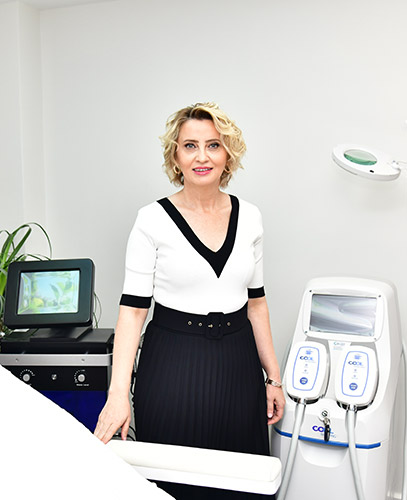
- Latest Technology Devices
- Personalized Treatment Plans
- Comfortable and Hygienic Environment
- Satisfaction Oriented Service
To combat hair loss and regain healthy hair Medlook's Put yourself in expert hands. With our personalized solutions, you can stop the loss of your hair and have more lush and vibrant hair.


 Turkish
  English
  German
  French
  Italian