
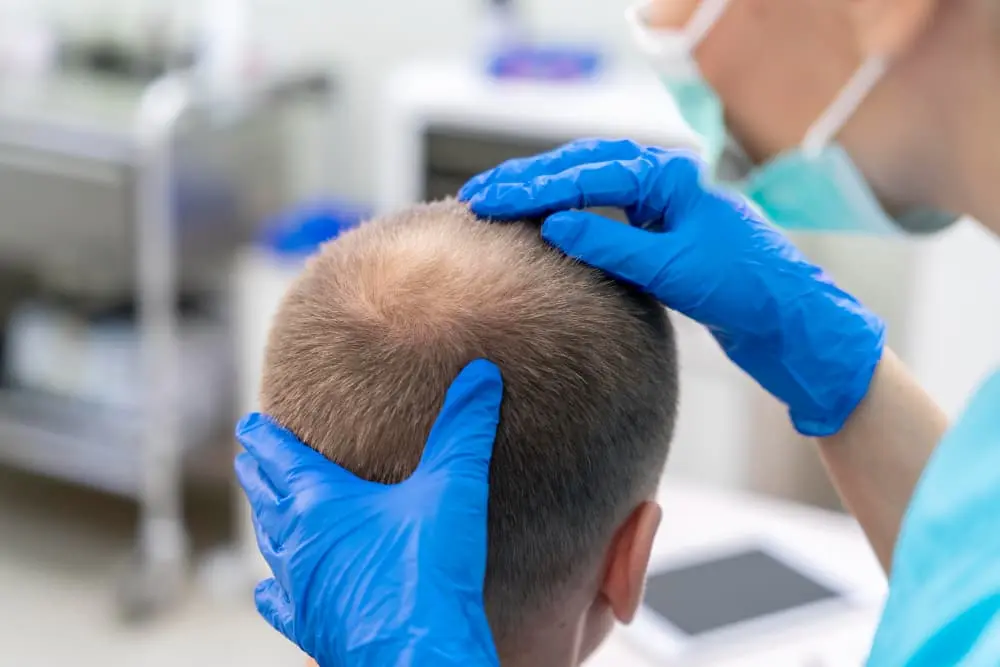
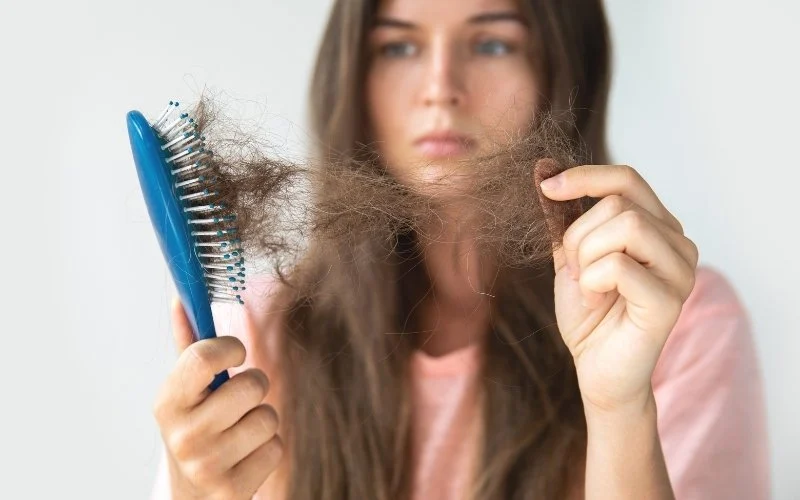
Looking in the mirror and seeing unexpected gaps in your hair is undoubtedly an alarming experience. Ringworm, or alopecia areata, is a condition caused by the immune system attacking the hair follicles. autoimmune disease.
Featured Headlines
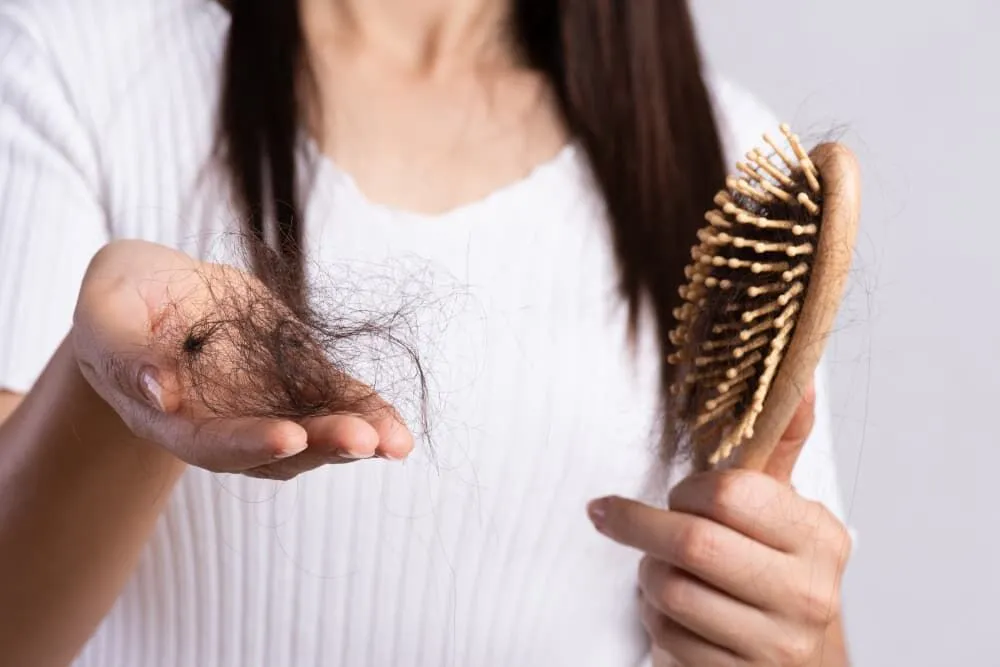
ToggleThis can cause hair to fall out abruptly, and the scalp can develop prominent patches. Although it does not cause physical pain psychological effects can be quite devastating.
Fortunately, modern medicine offers a variety of ways to treat ringworm. In this comprehensive guide, you will learn the causes, symptoms, treatment optionsand strategies to cope with this situation in detail.
What is Ringworm (Alopecia Areata)?

In medical language alopecia areata ringworm, also called ringworm, is a disease in which the immune system mistakenly attacks the hair follicles. autoimmune disease.
As a result of this attack, hair falls out and the scalp is usually round or oval shaped, smooth balding patches occurs. It can occur at any age, but most often starts before the age of 30.
Who Can See It?
Alopecia Areata, The disease can occur in any age group and gender, but is generally more common in young adults. The incidence of the disease is closely related to genetic predisposition. People with a family history of autoimmune disease have a higher risk of developing ringworm.
In addition, environmental factors such as stress, viral infections and hormonal imbalances can also play a role. Factors that increase the risk include;
- Family history People with a family history of ringworm have a higher risk of developing the disease.
- Other autoimmune diseases: It is more likely to occur in people with another autoimmune disease such as thyroid diseases, vitiligo or type 1 diabetes.
- Atopi: People with atopic diseases such as atopic dermatitis, asthma or allergic rhinitis may also be at increased risk.
Spread and Impacts
Ringworm usually coin-sized küçük ve yuvarlak hair loss alanları ile başlar; ancak bazı durumlarda daha geniş alanlara yayılabilir. Bazı insanlarda sadece birkaç küçük yama oluşurken, bazılarında saç dökülmesi daha yaygın olabilir.
Hair loss is not limited to the scalp, but can also occur in the beard, eyebrows, eyelashes and body hair. Alopecia Areata Universalis A rarer form, known as the "hair loss syndrome", can cause the loss of all body hair.
The psychological effects of the disease can be as important as the physical symptoms, so it is important that the patient receives emotional and psychological support during the treatment process.
Difference with Other Skin Diseases
Alopecia Areata, Unlike other skin diseases, it is caused by an immune system response that specifically attacks the hair follicles. Psoriasis or Eczema In skin diseases such as ringworm, symptoms such as marked redness, scaling or itching on the skin surface are usually absent. Distinguishing feature, is rapid and irregular hair loss.
Types of Alopecia Areata (Scalp, Beard, Body)
Ringworm can be classified into different types depending on the affected area:
- Ringworm of the scalp: It is the most common type and causes patchy hair loss on the scalp.
- Beard ringworm It is characterized by hair loss in the beard area, usually in patches.
- Body ringworm It can affect hair on any part of the body, including eyebrows, eyelashes, arm and leg hair.
Symptoms and treatment approaches may vary depending on the type and severity of the condition.
Why Ringworm Occurs (Causes and Risk Factors)

Alopecia Areata is a complex condition and its exact cause is not fully understood. However, several factors are thought to play a role in its development. Causes and risk factors:
1. Immune System and Autoimmune Diseases
Ringworm is a disease triggered by the body's own immune system. autoimmune disease. In the case of ringworm, the immune system, which normally protects the body against external threats such as viruses and bacteria, mistakenly attacks the hair follicles.
This attack causes the hair follicles to shrink and the hair to fall out. Autoimmune diseases are usually defined as conditions in which the immune system attacks its own tissues, and alopecia areata is a typical example of such diseases.
This situation is often may be associated with other autoimmune diseases; for example, thyroid diseases or vitiligo. People with a family history of autoimmune diseases (such as type 1 diabetes, rheumatoid arthritis, lupus) are at higher risk.
2. Genetic Predisposition
Genetic factors also play an important role. In individuals with a family history of autoimmune disease The risk of developing ringworm is higher. Genetic predisposition is one of the most important factors that increase the likelihood of developing the disease.
Research shows that close relatives of ringworm patients are more likely to have similar symptoms. This shows how influential genetic factors are in the development of the disease.
Associated with the development of Alopecia Areata specific genes have been identified. Having these genes increases a person's risk of developing ringworm. People with first-degree relatives are more likely to develop it.
3. Stress and Emotional Factors
Stress and emotional factors play an important role in triggering the disease. In particular in individuals under intense stress, The immune system may be weakened and the risk of autoimmune diseases such as ringworm may increase.
Stress can negatively affect the immune system by disrupting the body's biological balance. In addition, emotional traumas, depression and anxiety can also trigger the onset of the disease.
Therefore, stress management in ringworm treatment is an important element. Severe emotional stress or trauma can trigger its onset or worsening. Stress can affect the immune system, triggering an autoimmune response. Emotional states such as anxiety and depression can also increase the risk.
4. Other Potential Triggers (Hormonal Changes, Vitamin Deficiencies)
Hormonal changes and vitamin deficiencies are other important factors that play a role in the occurrence of ringworm. Hormonal imbalances in particular can lead to ringworm by disrupting the normal functioning of the immune system.
For example; puberty, pregnancy or menopause Hormonal fluctuations can occur during such periods and this can increase the risk. Likewise; in the body Vitamin B12, vitamin D or zinc A lack of vital vitamins and minerals, such as vitamins and minerals, can also trigger hair loss. Therefore, a healthy diet and vitamin supplements are important in the fight.
Some medications, although rare, can cause hair loss as a side effect and Alopecia Areata may be the cause. Environmental factors may also play a role in development, but more research is needed.
Important Note Ringworm is not contagious and is not caused by a lack of personal hygiene. The causes are complex and multifactorial. Although the factors mentioned above increase the risk, not everyone gets ringworm. If you are experiencing symptoms of ringworm, it is important to seek help from a dermatologist.
What are the Symptoms of Ringworm?
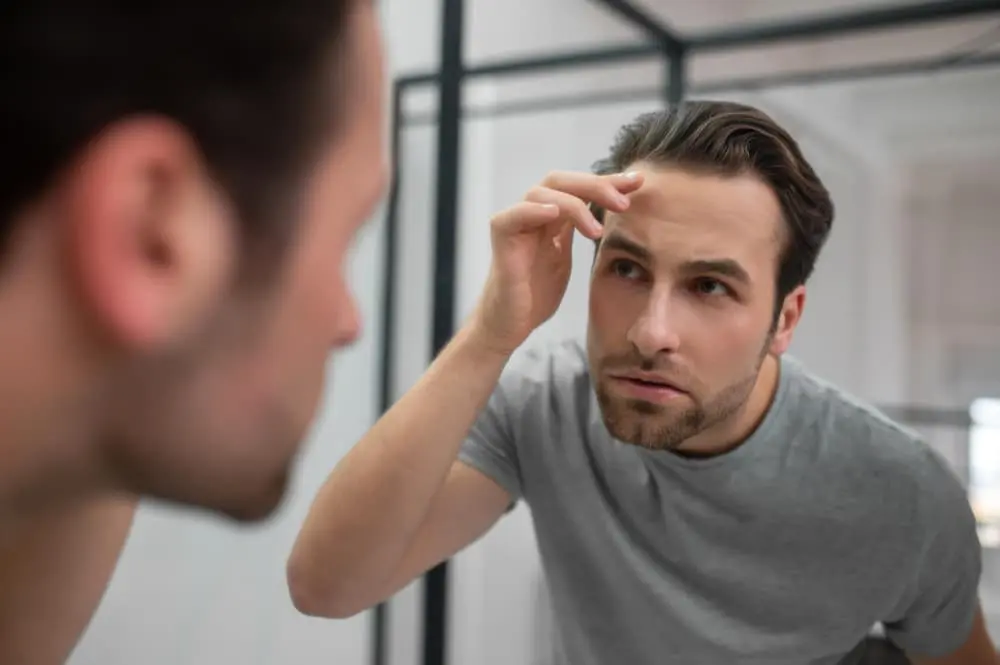
Alopecia areata, It can occur in different ways and its symptoms may vary from person to person. It is usually characterized by sudden and irregular hair loss. It forms prominent, usually round or oval-shaped cavities in the scalp. The most common and prominent symptom of ringworm sudden hair loss is usually painless and may already be evident by the time it is noticed.
1. Sudden and Irregular Hair Loss
- Patch Formation in Hair: The most typical symptom is sudden and irregular hair loss on the scalp. This loss usually occurs in coin-shaped, round or oval patches and hair may fall out overnight.
- Spillage in Different Areas: Hair loss may not be limited to the scalp. Beards, eyebrows, eyelashes and hair on other parts of the body can also be affected.
2. Round or Oval Patches on the Scalp
- Smooth and Empty Patches: Shedding areas are usually smooth and empty. In some cases, these patches may be slightly red, scaly or itchy.
- Patch Growth or Merger: Initially small patches may grow or merge over time, affecting larger areas. The presence of these patches plays an important role in their early detection.
3. Changes in Nails (Pitting, White Spots)
Alopecia areata not only affects the scalp; it can also lead to various changes in the nails.
- Changes on the Nail Surface: Changes such as pitting, white spots or thinning of the nails may occur.
- Brittle Nails Nails may become more brittle and break easily. These changes in the nails are more common in more severe forms of the disease and are considered a helpful sign in the diagnosis.
4. Itching or Sensitivity (in some cases)
Although it is known to be a painless condition, some patients may experience itching or tenderness in the areas where hair loss occurs. These symptoms can occur because the hair follicles are being attacked by the immune system. Symptoms such as itching or tenderness can provide additional clues in diagnosing the disease.
Important Note Ringworm symptoms can be confused with other skin conditions. Therefore, if you notice any of the above symptoms, you should contact a specialist for proper diagnosis and treatment. dermatologist it is important that you seek advice. Early diagnosis and treatment, spillage can help prevent progression and help hair regrowth.
Is Ringworm Contagious?

Contrary to popular belief, it is absolutely is not a contagious disease. This means that being in close contact or using the same objects as a person with ringworm does not cause the disease to be passed on.
This disease is caused by the immune system mistakenly attacking the hair follicles and is not transmitted through external contamination. Alopecia Areata; viruses, bacteria or fungi such as infections not associated with an infectious agent. Therefore, coming into contact, using the same objects or being in the same environment as someone with ringworm will not cause the disease to spread to others.
Infectious diseases are usually caused by microorganisms such as viruses or bacteria, and ringworm does not fall into this category.
Personal Hygiene and Ringworm
Alopecia Areata, personal is also not associated with a lack of hygiene. It can also develop in people who wash their hair regularly and pay attention to their hygiene. Therefore, it is extremely wrong and unfair to accuse a person with ringworm of lack of hygiene or to shun them.
Ringworm Treatment Methods

Alopecia areata Treatment may vary according to the severity and prevalence of the disease and the individual needs of the patient. The main goal of treatment is to stop hair loss, promote hair regrowth and prevent recurrence. Fortunately, there are several treatment modalities for ringworm and these can be effective at different stages and severities of the disease.
1. Topical Treatments
Topical treatments are carried out with creams and lotions applied directly to the areas affected by ringworm. This method is usually preferred in mild cases and requires regular application.
Creams or lotions containing cortisone are applied to the scalp to reduce inflammation and prevent the immune system from attacking the hair follicles. This reduces inflammation in the hair follicles and promotes hair regrowth.
2. Injection Treatments
Cortisone injections involve injecting cortisone directly into the areas of intense hair loss.
This method promotes hair regrowth by reducing inflammation and stimulating hair follicles. It is particularly effective in small and localized areas of hair loss. The treatment is usually administered at intervals of a few weeks and results can be seen within a few weeks of starting treatment. However, it should be performed under the supervision of a dermatologist as it carries the risk of side effects.
3. Systemic Treatments (Oral Medications, Light Therapy)
Systemic therapies are an option when the disease has spread to larger areas or has not responded to other treatment modalities.
- Oral Medicines: In severe or widespread cases of ringworm, doctors may prescribe oral corticosteroids or other immunosuppressive drugs. These medications can stop hair loss and promote hair regrowth by preventing the immune system from attacking the hair follicles.
- Light Therapy (Phototherapy): Light therapy involves the controlled application of ultraviolet light to the scalp. This method can reduce hair loss and stimulate hair growth by affecting the immune system. It is often combined with other treatment methods. Systemic treatments should be carefully planned and monitored by a specialist as they carry the risk of side effects.
New Developments in Ringworm Treatment
Significant progress has been made in the treatment of Alopecia Areata in recent years and promising developments continue for the future.
- Biological Therapies: In particular, new generation drugs such as JAK inhibitors show promise in stopping the immune system's attack on hair follicles. These drugs may be effective in more severe cases and widespread hair loss.
- Stem Cell Therapy: Stem cell therapy is seen as a promising area in the treatment of ringworm. This method involves the use of stem cells to repair damaged hair follicles or to create new follicles. However, this method is still in the research phase and more studies are needed.
Important Note Ringworm treatment should be done under the supervision of a dermatologist. Each treatment method may have potential side effects and risks. Your doctor will evaluate your medical history, the severity of ringworm and other factors to determine the most appropriate treatment option for you. As treatment options are constantly evolving, it is important for patients to evaluate their treatment plan in light of current information.
What should a person with ringworm pay attention to?
Alopecia areata Individuals living with the disease should be aware of some important considerations for managing the disease and mitigating its effects. This can be emotionally challenging because of the effects on physical appearance. However, to improve their quality of life and hair healthto support the development of the world.
1. Stress Management and Relaxation Techniques
Stress can be one of the triggers of this condition and can worsen the current situation. Therefore, stress management is of great importance.
- Relaxation Techniques: Relaxation techniques such as yoga, meditation, deep breathing exercises and daily walks can help lower stress levels and improve overall mood.
- Regular Exercise and Hobbies: Regular physical activity reduces stress and improves mood by increasing the release of endorphins. Engaging in hobbies is also an effective way to reduce stress.
- Adequate Sleep: Sleep is important for the body to regenerate and cope with stress. Aim for 7-8 hours of sleep each night.
- Professional Support: If needed, support from a therapist or counselor can help develop stress coping skills and maintain emotional health.
2. Healthy Nutrition and Vitamin Supplements
A healthy diet plays an important role in supporting hair health and mitigating the effects of the disease.
- Balanced Nutrition: A balanced diet with plenty of fruit, vegetables, whole grains and protein should be followed. It is especially important to eat foods that strengthen the immune system and limit the consumption of processed foods.
- Vitamin and Mineral Supplements: On doctor's advice, supplements of vitamins and minerals important for hair health such as vitamin D, zinc, iron, biotin and vitamin B12 can be taken. Foods containing omega-3 fatty acids also support hair health.
3. Hair and Scalp Care
The treatment can protect existing hair and promote the growth of new hair.
- Gentle Products and Regular Moisturizing: It is necessary to use gentle and natural shampoos that do not irritate the scalp and to moisturize the scalp regularly. Shampoos containing harsh chemicals should be avoided
- Warm Water and Scalp Massage: Showering with warm water instead of hot water can help maintain the health of the scalp. Regular massage can also stimulate hair follicles by increasing blood circulation.
- Avoiding Heat and Chemical Treatments: Heat styling or chemical treatments can damage the hair and increase hair loss. Therefore, such procedures should be avoided.
- Sun Protection: A hat or sunscreen should be used to protect the scalp from the harmful rays of the sun.
4. Coping with Psychological Effects
This can lead to psychological problems such as loss of self-esteem, anxiety and depression. Therefore, it is also important to pay attention to emotional health.
- Support Groups and Professional Help: It can be helpful to join support groups or see a therapist to connect with other people, share experiences and get support.
- Positive outlook and self-care: Maintaining a positive outlook can be effective in managing the disease. Self-care and engaging in activities that make you feel good can help you gain psychological strength.
Remember, ringworm is usually a temporary condition and with treatment, hair can grow back. It is possible to cope with this condition and maintain quality of life. Stress management, healthy eating, hair care and emotional support are important steps in this process.
Frequently Asked Questions (FAQ)
Yes, hair that has fallen out usually grows back. In most cases, it is a temporary hair loss problem and hair can grow back with treatment or spontaneously. However, when and how long it takes for hair to grow back varies from person to person. In some people, hair may grow back within a few months, while in others it may take longer.
The duration of treatment depends on the severity and extent of the disease and the response to treatment. In mild cases, it can last for a few months; in more severe or widespread cases, treatment can take a year or more. In some cases, the disease may recur and treatment may need to start again.
One for treatment dermatologist (a dermatologist) should be consulted. The dermatologist will perform the necessary tests to determine the cause of ringworm and offer you appropriate treatment options.
It is usually not a permanent condition. Most people regain their hair with treatment or on their own. However, in some cases it can recur or become more common. In rare cases, ringworm can cause permanent hair loss.
Aleopasi areata If left untreated, hair loss can continue and affect larger areas. There may also be an increased risk of developing changes in the nails or other autoimmune diseases. Therefore, when the symptoms of ringworm are recognized, it is important to seek dermatologist and receive appropriate treatment. Early diagnosis and treatment can help prevent progression and help hair regrowth.






 Turkish
  English
  German
  French
  Italian