
Sustainable Nutrition
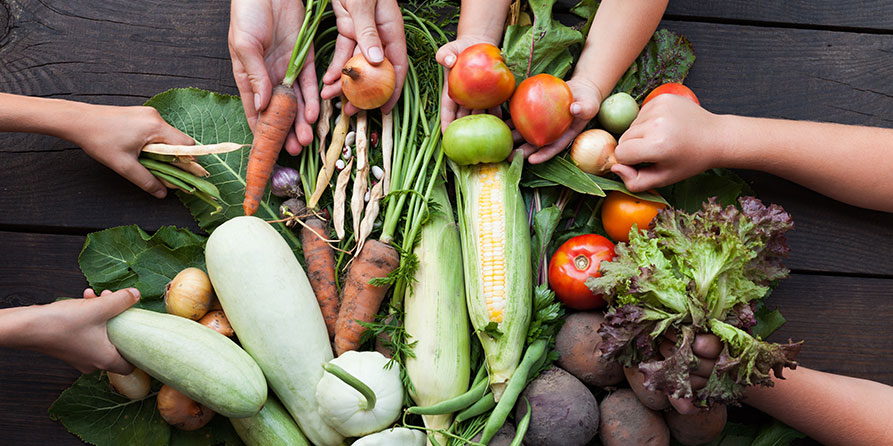
We are all aware of the current climate crises caused by the unconscious agricultural production and consumption activities of people as the world population increases, but did you know that you can actually make a difference even just with our diet in order to prevent it and protect our planet?
Sustainable nutrition was introduced with the aim of feeding the growing world population in a healthy way and at the same time protecting nature and the planet we live in by reducing waste. The Food and Agriculture Organization of the United Nations (FAO) defines sustainable nutrition as a way of life that is nutritious, safe, healthy, ecosystem-protective, accessible, equitable, economically affordable and naturally covered.
Changes in current farming patterns and consumption habits are a key goal of sustainable nutrition.
As the world's population grows, the need for food and water resources increases, but natural resources are being rapidly depleted.
For this reason, sustainable nutrition aims to ensure that people regardless of race, faith, gender, education and country of residence have access to healthy and balanced food, and to leave a habitable nature and planet for future generations by preventing waste in production and consumption.
Principles of Sustainable Nutrition
- Adequate and balanced nutrition
- Reducing the consumption of proteins of animal origin and increasing the consumption of plant protein sources
- Consuming an average of 5 servings of seasonal vegetables and fruits per day
- Reducing the frequency of consumption of packaged foods containing sugar, fat and salt
- Increase consumption of legumes, whole grain foods, and oilseeds such as raw nuts, walnuts or almonds
- Consume fish caught in season at least 2 times a week
- Consume local foods and shop from local producers
- Maintaining or achieving ideal body weight
- Reduce consumption of processed meat products and fats of animal origin
- Storing purchased food under correct storage conditions
- Not wasting any food
- Utilization of juices and parts of food such as stems and leaves
- Reduce the use of packaging, bags, plastics and prefer recyclable products






 Turkish
  English
  German
  French
  Italian