
What Is Botulinum Toxin? The Science Behind Botox
The question “What is botulinum toxin?” is the starting point for understanding the science behind Botox. Botulinum toxin is a purified protein that temporarily blocks nerve signals to the muscles.
Featured Headlines
ToggleThe procedure commonly known as “Botox” actually involves the use of this substance in very small doses. In this article, we discuss what the substance is, how it works, and where it is used.
Highlights
- Botulinum toxin is a purified protein that temporarily blocks nerve signals to muscles.
- Botox is the widely recognized brand name for this substance as used in cosmetic procedures.
- It has been used in various fields of medicine since the 1980s.
- Estetik dozlar, zararlı eşiğin çok altındadır ve etkisi %100 geçicidir.
How Does Botulinum Toxin Work?
The mechanism of action of botulinum toxin is based on blocking the release of a neurotransmitter called acetylcholine from nerve endings. When the nerve cannot transmit the “contract” signal to the muscle, the muscle relaxes.
This effect is limited to the treated area. Over time, the nerve endings form new connections, and the muscle returns to its normal function.
What's the Difference from Botox?
The difference between Botox and botulinum toxin is actually a brand-substance relationship. Botulinum toxin is the name of the substance, while Botox is the common name for a product that contains it.
In other words, every Botox treatment is an application of botulinum toxin. There are different brands on the market, but the active ingredient is the same.
Acetylcholine and Muscle Interaction
Our muscles contract in response to acetylcholine released from nerve endings. Botulinum toxin temporarily blocks the release of this molecule.
As a result, the muscle relaxes and the skin over it does not wrinkle. For scientific details, source of botulinum toxin can be viewed.
What Are the Uses of Botulinum Toxin?
The uses of botulinum toxin are not limited to cosmetic purposes. It is used to treat chronic migraines, excessive sweating, teeth grinding, and certain muscle spasms.
In cosmetic medicine, it is preferred for softening dynamic wrinkles. Each use requires a different dose and treatment plan.
Is it safe?
The doses used in cosmetic procedures are well below the harmful threshold and have been administered in a controlled manner for decades. The dose is the key factor in safety.
It is considered safe when administered by a qualified professional and at the appropriate dose. Its effects are always temporary; it does not cause any permanent changes.
What Is Botulinum Toxin, and What Is It Called?
This substance takes its name from the scientific name of the bacterium that produces it. In its purified form and in very small doses, it is used in medicine and cosmetic procedures. The term “Botox,” which has become widely used among the general public, actually comes from a brand name. For this reason, the substance and the brand name are often confused.
Although its scientific name may seem complex, its basic function is simple: to temporarily block nerve signals to the muscles. This function forms the basis for both therapeutic and cosmetic applications. The difference in terminology does not alter the essence of the substance. What matters is understanding exactly how it works.
Different brands contain the same active ingredient and work in a similar way. The differences between them mostly lie in the details of production and dosing. Therefore, it is not the brand that matters, but the correct dose and application. A thoughtful approach eliminates confusion over brand names.
How Many Different Types Are There?
There are several types of this substance found in nature, but only a few are used in medicine. A specific type is the most common in cosmetic and therapeutic applications. The other types are generally associated with research or specific medical conditions. This distinction is part of ensuring safe use.
The dosage and effects of the type used have been studied in detail over the years. This body of knowledge ensures that its application is predictable. Standards consistently support safety. Scientific monitoring forms the basis for its use.
Differences in types do not have any direct significance for most patients. What matters is that the doctor administers the correct product at the correct dose. This choice is based on experience and the patient’s needs. Safe use depends on adherence to standards.
In Aesthetics, in What Contexts Is It Used?
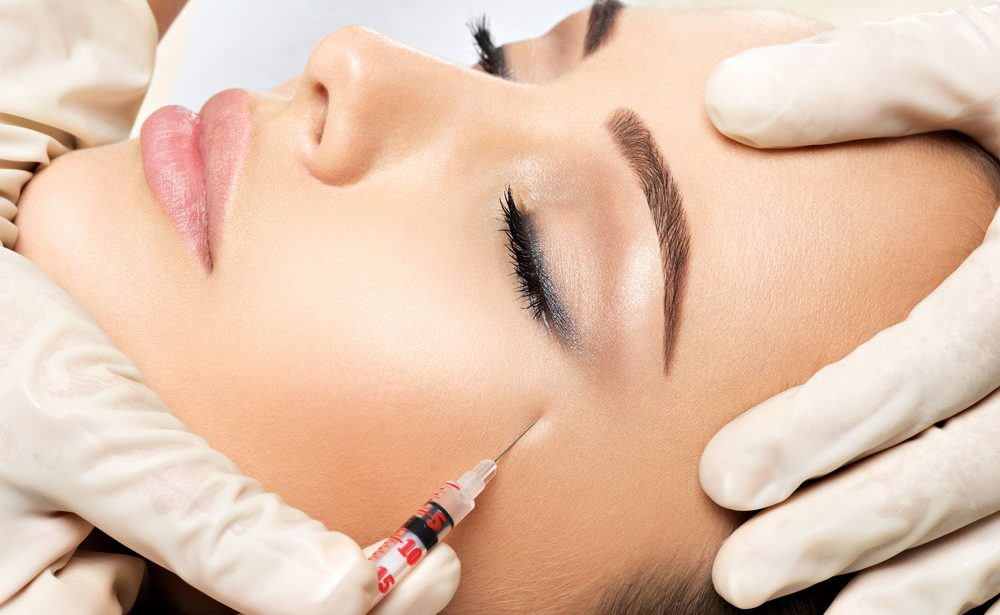
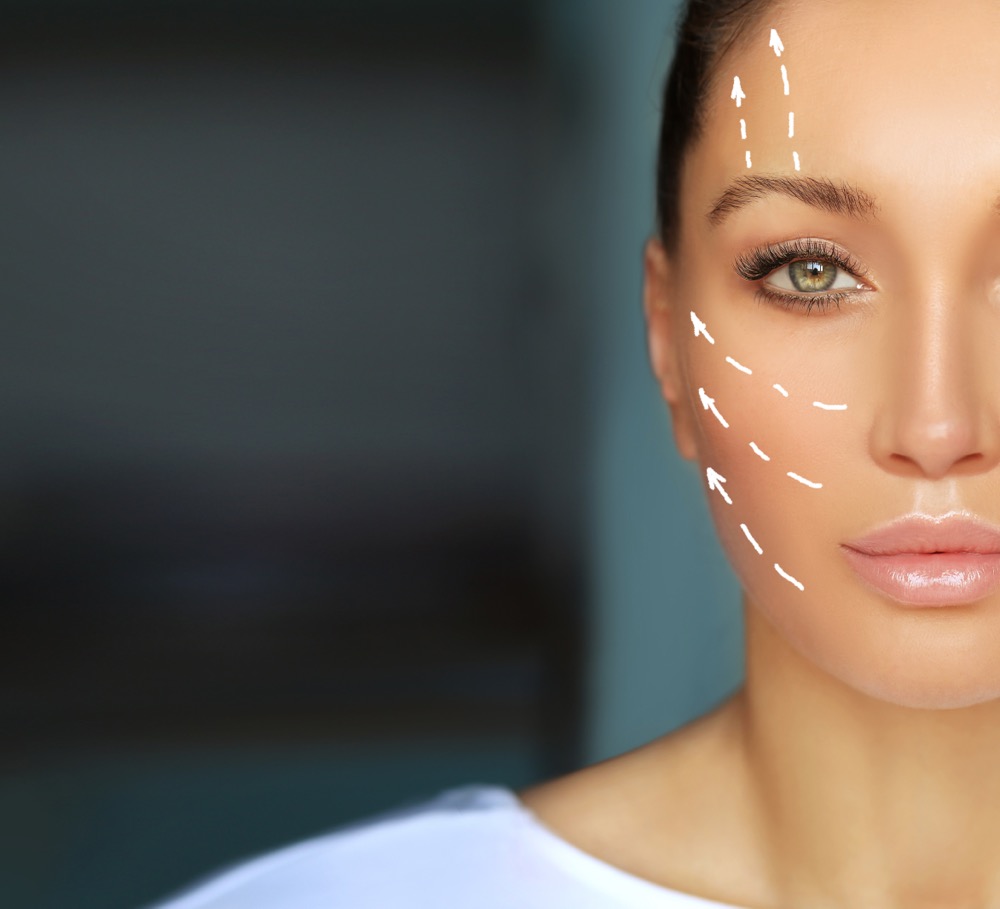
In cosmetic procedures, this substance is preferred for dynamic lines caused by facial expressions. The forehead, the area between the eyebrows, and the corners of the eyes are the most common treatment areas. The goal is to soften lines that have deepened due to repetitive movements. For this reason, the treatment targets the muscles.
Different methods are required for fine lines on the skin’s surface or for volume loss. This treatment is effective only for lines caused by movement. The correct indication determines the quality of the result. Unrealistic expectations can lead to disappointment.
The treatment area is determined during the consultation based on the origin of the line. Since every face is different, the treatment plan is tailored to the individual. This personalized approach ensures a natural-looking result. Accurate analysis eliminates unnecessary procedures.
Why Is the Effect Temporary?
The effect is temporary because nerve endings form new connections over time. Thanks to these new connections, the muscle regains its original function. This recovery is a physiological process and cannot be stopped. Therefore, the results must be maintained at regular intervals.
The duration of the effect ranges from three to six months on average. The area treated, the dose, and the individual’s metabolism all affect this duration. Once the effect wears off, the appearance returns to its original state. It does not result in a permanent change.
Temporariness is actually a security advantage. Even if an undesirable outcome occurs, it will resolve itself over time. This feature makes the application more manageable. Knowledge eliminates unnecessary anxiety.
How Does It Work for Migraines and Sweating?
This substance is used not only for aesthetic purposes but also to treat various medical conditions. In chronic migraines, it may be effective in areas involved in pain transmission. In cases of excessive sweating, it temporarily reduces the signals that stimulate the sweat glands. These uses demonstrate the substance’s broad range of effects.
In medical applications, dosage and treatment planning are often different from those used in aesthetic procedures. Each case requires a unique approach. This diversity has evolved through years of experience. Experience supports safe use.
Teeth grinding and certain muscle spasms are also among the conditions we treat. These treatments are planned based on the dentist’s evaluation. Medical use also instills confidence in aesthetic procedures. Extensive experience is the foundation of safety.
Common Misconceptions About This Article
The most common misconception is the belief that the substance accumulates in the body. In reality, the effect is temporary, and the substance is naturally eliminated over time. Another misconception is that every treatment will cause the face to look frozen. In fact, when administered in moderation, facial expression is fully preserved.
Some people view this substance as a dangerous poison. While it can be harmful in high doses, cosmetic doses are well below that threshold. Controlled use is the key to safety. Accurate information dispels unfounded fears.
Most misinformation stems from exaggerated accounts and incomplete sources. Accessing reliable information leads to sound decision-making. Talking to your doctor is the best way to find guidance. A mindful approach builds trust.
How Does Science Evaluate This Article?
The scientific community has been studying this substance in detail for decades. Its long history of use has led to the accumulation of safety data. This accumulation has helped refine dosage and technical standards. Ongoing research keeps this knowledge up to date.
Clinical studies show that use at the appropriate dose is considered safe. The rarity of serious adverse events supports this safety profile. These data underpin confidence in the treatment. Scientific monitoring ensures continued safety.
Research continues to expand into new areas of application. This dynamic field reveals the potential of matter. As our knowledge grows, applications become safer. Science is the most reliable source of confidence.
How Will This Article Be Used in the Future?
Research continues to explore new applications for this substance. Studies are ongoing into its potential effects on various medical conditions. This dynamic field highlights the substance’s broad scope.
In the field of aesthetics, dosages and technical approaches continue to evolve to achieve more natural results. As knowledge increases, the procedures become more predictable. This progress consistently enhances safety.
Future use will be shaped by scientific monitoring and clinical data. That is why it is important to rely on reliable sources. Science provides the most solid foundation for evaluating this substance.
Botulinum Toxin: The Substance and Its Application
The table below summarizes the basic concepts.
| Concept | Description |
|---|---|
| Botulinum toxin | Active ingredient (protein) |
| Botox | Common brand name |
| Impact | It temporarily blocks the nerve signal to the muscle |
| Duration | On average, 3–6 months |
Those who wish to explore the topic of botulinum toxin in its entirety What is Botox? and Is Botox harmful? You can browse our content; for all Botox treatments, botox applications You can check out our page.
A personalized assessment for botulinum toxin treatment begins with a detailed examination at the Medlook Clinic. Please contact us with any questions you may have. you can contact.
Author: Dr. Handan Yavuz, Medical Aesthetics Specialist. This content has been prepared to answer patient questions about the science of botulinum toxin.
Contact Us
Contact Us Now for Free Consultation and Appointment!
Frequently Asked Questions (FAQ)
It is a purified protein that temporarily blocks nerve signals to the muscles. When used in very small doses in cosmetic procedures, it smooths out dynamic wrinkles.
Basically, yes. "Botulinum toxin" is the name of the substance, while "Botox" is the common name for a product that contains it. Every Botox treatment is a botulinum toxin treatment.
It relaxes the muscle by blocking the release of acetylcholine from nerve endings. The effect is limited to the treated area and wears off over time.
In addition to cosmetic purposes, it is used to treat chronic migraines, excessive sweating, teeth grinding, and certain muscle spasms.
Although it is highly toxic, the doses used in cosmetic procedures are well below this threshold. It is considered safe when administered in controlled doses.







 Turkish
  English
  German
  French
  Italian