

What Is Hair PRP, and Who Is It For?
 Dr. Handan YavuzUpdated 6 min read
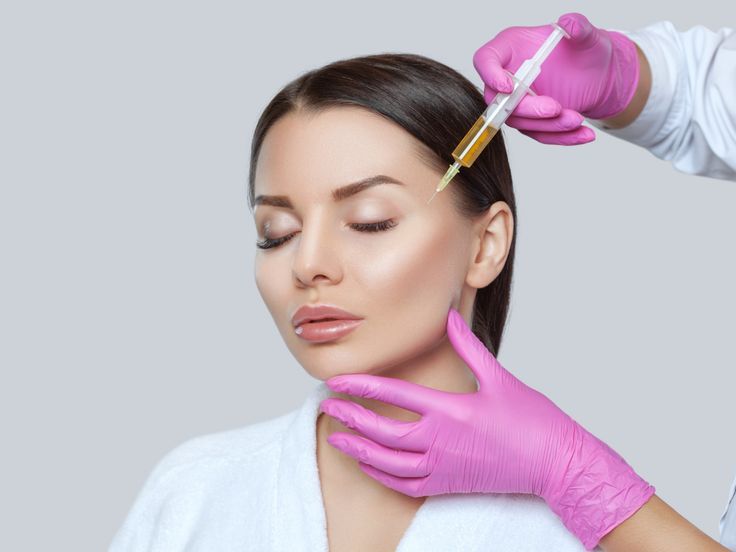
Hair PRP, in essence, is the delivery of concentrated platelet-rich plasma prepared from a person's own blood into the scalp. The aim is to revive blood circulation around weakening roots and slow hair loss. The method strengthens the body's own repair signals without adding any outside substance. In this way, the scalp is guided to use its own resources more efficiently.
In this article we look at how the procedure works in hair loss, who it suits, and how a session is planned. The aim is to set out a realistic framework of expectations. That way, you can make your decision about the procedure with the right information. A piece that also covers the general logic of the method: What is PRP?
Highlights
- The procedure revives the circulation around the roots by delivering plasma prepared from the person's own blood to the scalp.
- It aims to slow hair loss in early and mid-stage thinning.
- A session usually lasts 30-45 minutes and requires no recovery period.
- Because the person's own blood is used, the risk of allergy is very low.
- An increase in hair density is reported in about 65-70% of patients with early-stage thinning.
What is Hair PRP?
Hair PRP begins with a small amount of blood being drawn from the arm and separated in a device. This produces plasma with a high platelet concentration. The resulting fluid is delivered to the scalp at many points. Because the material used belongs to the person themselves, no foreign substance is involved.
The aim is to concentrate the growth factors carried by platelets around the roots. This revives circulation and nutrient flow, and weak roots find support. The result emerges not from a single session but from accumulated stimulation. In this respect, the procedure aims at a gradual strengthening process.
Is PRP Effective for Hair Loss?
Hair loss is noticed at an early stage in many people, and the procedure is more meaningful during this period. Response is generally better in areas where the roots are weakened but not yet gone. The aim is to slow hair loss and strengthen existing hair. Timing therefore directly determines the result achieved.
In completely bald areas, however, expectations remain limited. In such areas, the procedure alone is not a sufficient solution. The assessment is made according to the stage of hair loss and the condition of the scalp. Correct timing is one of the most important factors determining the result.
Who Is PRP Hair Treatment Suitable For?
PRP hair treatment is suitable for people with early and mid-stage hair thinning. Those who have not yet decided on surgery and are looking for a natural form of support also fall into this group. Suitability is determined by the current condition of the scalp and roots. The same approach is not recommended for everyone; the plan is built around the individual.
Realistic expectations matter for satisfaction. In advanced-stage hair loss, it may not be sufficient on its own. In such cases, other options are considered together. Choosing the right candidate determines both safety and the quality of the result.
What Does a Hair PRP Session Involve?
A PRP session begins with a small amount of blood being drawn from the arm, a step no different from an ordinary blood test. The blood is spun in a centrifuge for a few minutes to separate the plasma. The prepared fluid is then delivered to the scalp with fine needles. What is felt during the procedure is generally only a slight prick.
The whole procedure usually takes between half an hour and forty-five minutes. Afterwards, people generally return straight to daily life. To see the application steps in detail, take a look at our article on how PRP is done That way, you can follow the entire process from start to finish.
How many sessions are required?
The number of sessions varies according to the stage of hair loss and how the scalp responds. A starter program planned at set intervals is generally applied. After this initial period, the schedule moves to less frequent repeats to maintain the effect. The aim is thus to sustain the result achieved.
The result emerges not from a single session but from accumulated stimulation. That is why completing the program is recommended. A plan abandoned halfway means seeing a result that has not yet matured. The renewal interval becomes clear based on the response to the first sessions.
What Is the Difference Between Hair PRP and Hair Mesotherapy?
In hair mesotherapy, externally prepared mixtures of vitamins and minerals are delivered to the scalp. In hair PRP, by contrast, plasma obtained from the person's own blood is used. In other words, one adds an outside contribution, while the other concentrates the body's own resources. This is where the working logic of the two approaches differs.
The two methods are sometimes planned to complement each other. Which one is suitable depends on the type of hair loss and the condition of the tissue. In some cases they are chosen together, in others separately. The right combination is determined after a personal assessment.
Is Hair PRP Used for Women?
Hair thinning is not exclusive to men; it is also common in women. The procedure can also be applied to women with hair loss at a suitable stage. The assessment is based on the condition of the scalp and the roots. Hormonal and seasonal factors are also taken into account in this assessment.
In women, hair loss most often appears as general thinning across the hair. In this case, the procedure is planned to maintain density. Keeping expectations realistic matters here as well. Whether you are a suitable candidate becomes clear only at the examination.
When Are Results Visible?
The first changes generally start to be noticed a few weeks after the procedure. A reduction in hair shedding is often the first positive sign. A clear increase in density settles over a process spread across several months. That is why it would not be right to judge the result too early.
With this method, patience is the key to the result. Revival of the roots is a natural process and moves at the body's own pace. For publications on androgenetic hair loss, you can look at the clinical studies on this subject if you like. These sources help you shape your expectations with solid information.
What Should You Keep in Mind Before and After the Procedure?
Before the procedure, any medications and supplements with a blood-thinning effect should be shared with the physician. Some painkillers and herbal products may increase the likelihood of bruising. On the day of the procedure, it is enough for the scalp to be clean. These small preparations help the session go efficiently.
After the procedure, it is recommended not to massage the area for the first few hours. On the same day, it is advisable to avoid intense exercise, saunas and direct sun. You can then return to your daily routine. These recommendations generally apply only to the first day.
Contact Us
Contact Us Now for Free Consultation and Appointment!
Can Hair PRP and Hair Transplant Be Done Together?
A hair transplant is a surgical method that transfers roots to thinning areas. This procedure, by contrast, does not transfer roots; it can help support the area after the transplant. That is why the two are sometimes planned together for different purposes. Supporting root survival after transplantation is a commonly considered approach.
Which sequence is suitable depends on the person's situation and the physician's plan. Both methods focus on different aspects of the same problem. Using them together is therefore a choice, not a necessity. The right plan is determined through a detailed assessment.
What Should Hair PRP Aftercare Look Like?
After the procedure, it is recommended not to massage or rub the scalp on the first day. It is advisable to stay away from activities that cause heavy sweating and from direct sun on the same day. Regarding when to wash your hair, following your physician's advice is enough. These simple steps support the effectiveness of the procedure.
In the following days, you can pick up your daily hair care where you left off. Balanced nutrition and adequate water intake contribute to the overall health of the scalp. These recommendations concern not a single session but the whole process. Consistency plays an important role in preserving the result achieved.
Hair PRP Comparison Table
The table below summarizes frequently asked practical topics.
| Criteria | Expected Situation |
|---|---|
| Session duration | 30-45 minutes |
| First result | A few weeks |
| Noticeable effect | A few months |
| Suitable stage | Early-to-mid thinning |
| Recovery process | It's not necessary |
For other related topics, you can browse our category hair loss .
If you would like to assess whether hair PRP is suitable for you, you can speak to Medlook Private Clinic you can contact. The plan begins with a detailed examination of the scalp.
Author: Dr. Handan Yavuz, Medical Aesthetics Specialist. This content has been prepared to answer patient questions about plasma treatment for hair loss.
Frequently Asked Questions (FAQ)
Does hair PRP stop hair loss?
In early-stage thinning, it helps slow hair loss and strengthen existing hair. It does not bring back roots that have disappeared completely. Expectations are set according to the stage of hair loss.
How many sessions do you need?
A starter program of a few sessions at set intervals is usually planned. After that, the schedule moves to less frequent repeats to maintain the effect. The exact number is determined at the examination.
Is the procedure painful?
Because the needles are very fine, a slight prick is usually felt. If desired, a topical numbing cream can be applied beforehand. No significant pain is expected after the procedure.
Can it also be applied to women?
Yes, it is also applied to women with hair loss at a suitable stage. The assessment is based on the condition of the scalp and the roots. Suitability is determined at the examination.
When are results visible?
The first changes are noticeable within a few weeks. A clear increase in density settles in over a few months. That is why completing the program is recommended.
Is it done together with mesotherapy?
In some cases, the two methods are planned to complement each other. Which one is suitable depends on the type of hair loss. The decision is made after the physician's assessment.
Can’t find your question here?Send us what you would like to know and our team will get back to you.
WhatsAppYou May Also Like
NoMor or Light Filler? 5 Differences Under the Eyes
NoMor or light filler for the under-eye area? Compare the purpose and effect of both methods, and which type of dark circle each suits, from an expert perspective.
PRP Prices 2026: What Do They Depend On?
What do PRP prices depend on, and which factors determine the cost? We explain, from an expert's perspective, how the number of sessions, kit type and treatment area affect the 2026 price.
What Is PRP Used For? 2026 Benefits Guide
What is PRP used for, and what benefits does it offer for hair and skin? We cover the uses of platelet-rich plasma and realistic expectations.
 Turkish
 English
 German
 French
 Italian
 Russian
 Romanian