

What Is Botox, How Is It Done, and How Long Does It Last?
 Dr. Handan YavuzUpdated 10 min read

If the lines on your forehead or between your eyebrows are visible in the mirror even when your face is at rest, not only when you frown, the reason is facial expressions repeated over the years. What is Botox The short answer to that question is this: Botox is a botulinum toxin-based treatment that temporarily relaxes these facial expression muscles, reducing the appearance of dynamic wrinkles.
In this guide, we cover how Botox works, which areas it is applied to, how many months its effect lasts and how often sessions are repeated. Our aim is not exaggerated promises, but to help you make your decision with knowledge.
Highlights
- Botox temporarily blocks the nerve signal to the facial expression muscles, smoothing dynamic wrinkles; it leaves no permanent change.
- Its effect lasts 3-6 months on average; when it is renewed before the result fades, the appearance is maintained for longer.
- According to data from the American Society of Plastic Surgeons (ASPS), botulinum toxin has for years been the most frequently performed minimally invasive aesthetic procedure in the world.
- It is used not only in aesthetics, but also for medical conditions such as migraine, excessive sweating and teeth clenching.
What is Botox?
Botox is the injection of very small doses of a purified protein called “botulinum toxin type A” into a muscle. The word actually comes from a brand name, but it has become the common name for all botulinum toxin treatments among the public.
The protein temporarily stops the nerve signal carrying the “contract” message to the target muscle. When the muscle relaxes, the skin above it no longer wrinkles. This reveals the essence of what Botox is: a method that does not fill the muscle, but rests it.
The use of this protein in medicine is not new. Since the 1980s, it has been used in many fields, starting with eye muscle disorders; its aesthetic use developed from there.
How Does Botox Work?
Our muscles contract through a messenger molecule called acetylcholine, released from nerve endings. Botulinum toxin temporarily blocks the release of this molecule. When the nerve can no longer tell the muscle to “contract”, the muscle relaxes.
The effect remains limited to the injected area; it does not freeze the entire face. When applied correctly, your expression is preserved and only the excessive contraction that creates the deep line is softened. Over time the nerve endings form new connections and the muscle returns to its former function; this is why the effect is temporary, not permanent.
How Is Botox Done?
For those wondering how Botox is done, the process is short and outpatient. The treatment usually takes 10-15 minutes and requires no special preparation.
- Evaluation: Your facial expressions are examined in motion, and the dose and injection points are determined for each person.
- Preparation: The area is cleaned; a superficial anesthetic cream may optionally be applied.
- Injection Small doses are given into the identified muscles using very fine needles.
- The post: The person returns to daily life the same day; they are asked to avoid massage and bending over for a few hours.
What is usually felt during the procedure is a slight pricking sensation. Planning the treatment individually is the most important condition for a natural result.
Which Areas Is Botox Applied?
Facial Botox stands out in the upper face, where the facial expression muscles work intensively. The most commonly treated areas are:
- Forehead lines,
- Vertical lines between the eyebrows (frown lines),
- Crow's feet at the corners of the eyes,
- Bunny lines at the root of the nose,
- Fine-tuning areas around the chin and lips.
Several of these areas are usually planned together in one session. The approach of treating three areas (forehead, between the eyebrows, crow's feet) together is often preferred for a balanced result in the upper face.
How Long Does the Effect of Botox Last?
The duration of Botox's effect varies from person to person; it averages 3 to 6 months. While the duration may be shorter with first treatments, the effect is reported to be maintained for longer with regular repeats.
The onset of the effect, however, is not sudden. The first change is noticed within 2-3 days, and the full result settles in about 10-14 days. In clinical studies, patient satisfaction is reported to be above 90%; this rate is closely related to correct candidate selection and a measured dose.
How Often Is Botox Done?
The interval between sessions is determined by the natural course of the effect. The general approach is to renew it before the first result has completely faded, roughly every 3-4 months for most people.
Applying it to the same area too often is not recommended. Waiting at least 3 months (about 90 days) between treatments is important both for a healthy evaluation of the result and for the muscle to respond in a balanced way. The right interval becomes clear after the first sessions, according to the person's response.
Botox or Filler? The Key Difference
The two methods are often confused, but they address different problems. Botox targets lines created by movement; filler, on the other hand, corrects volume loss and static hollows.
| Criteria | Botox | Filling |
|---|---|---|
| Goal | Dynamic wrinkles caused by facial expressions | Volume loss and static hollows |
| Mode of action | Relaxes the muscles | Fills the area |
| Region | Mainly the upper face | Lips, cheekbones, chin, lower face |
| Duration | 3-6 months | 6-18 months depending on the product |
The most balanced result is often achieved by planning the two methods together in different areas. Which one is suitable is determined after a facial analysis.
Where Is Botox Used Beyond Aesthetics?
The non-aesthetic use of botulinum toxin is in fact its original history in medicine. It is applied therapeutically in many conditions related to excessive contraction or secretion.
- Chronic migraine: With specific protocols to support attack-free periods,
- Excessive sweating (hyperhidrosis): In areas such as the underarms and palms,
- Teeth clenching and grinding (bruxism): To reduce excessive contraction of the jaw muscle,
- Neck and facial muscle spasms: With a physician's evaluation.
These uses require different doses and planning than aesthetic treatment; all are carried out under a physician's supervision.
What Are the Side Effects of Botox?
Botox side effects are generally mild and temporary. When applied by skilled hands at the right dose, no serious problems are expected.
- Short-lived redness or small bruises at the injection points,
- Mild headache (in the first days),
- Rarely, temporary drooping of the eyebrow or eyelid depending on the dose and technique.
Most of these unwanted effects resolve on their own. The way to minimize risks is an experienced physician and a measured dose. For the general scientific framework of botulinum toxin, see source of botulinum toxin you can take a look.
Who Should Not Have Botox?
Although it is a safe method, in some cases the treatment is postponed or not performed. Choosing the right candidate is decisive for the quality of the result as much as for its safety.
- People who are pregnant or breastfeeding,
- People with certain neuromuscular diseases,
- People with an active skin infection in the treatment area,
- People with a known allergy to the product used.
For this reason, a detailed medical history is taken before the procedure. For the approach of health authorities to wrinkle treatment, see the American Academy of Dermatology's resources you can examine.
What to Watch Out for Before and After Botox
Informing the physician about certain medications and supplements that have a blood-thinning effect before the treatment reduces the risk of bruising. On the day of the procedure, it is enough for the area to be clean.
Afterwards, it is recommended not to lie down for the first few hours, not to massage the area and to avoid intense exercise. These simple rules help the product stay in the intended muscles. To compare treatment options, see our nose Botox and permanent Botox articles, and for all Botox treatments, our Botox page .
What Types of Botox Are There?
Botox is not a single treatment; there are different approaches depending on the area and the purpose. Each requires a different dose and technique.
- Classic upper face Botox: The most common treatment for forehead, glabella and crow's feet lines.
- Preventive Botox: At a low dose, to soften the habit of facial expression before the lines become permanent.
- Nefertiti (neck) Botox: Aimed at tightening the neck and jawline.
- Masseter (jaw) Botox: To slim the chewing muscle at the angle of the jaw.
Which technique is suitable is determined according to facial analysis and expectations. Often several areas are planned together in a single session.
What Is Baby Botox?
Baby Botox is an approach performed with lower doses than the classic treatment. The aim is not to stop facial expressions completely, but to soften them slightly.
This method stands out for those who want a more natural and unnoticeable result. Because the dose is low, the duration of the effect may be slightly shorter. It is often preferred by people who will have Botox for the first time and want to start cautiously.
Botox for Men
Botox is not only for women; it is becoming increasingly common among men as well. Because the facial expression muscles in the male face are generally stronger, dose planning differs.
The aim is to soften forehead and glabella lines while preserving expression. For men, the goal is usually a vigorous, rested look; a natural result without exaggeration is the priority. With the right dose, the masculine character of the facial features is preserved.
Masseter Botox and Its Use for Teeth Clenching
The masseter is the strong chewing muscle on both sides of the jaw. Overactivity of this muscle can lead both to teeth clenching and to a wide-looking lower face.
Masseter Botox provides a two-way benefit by relaxing this muscle. On one hand, teeth clenching and the related jaw pain decrease; on the other, the jawline gradually takes on a slimmer appearance. The result becomes noticeable within a few weeks and generally lasts longer than the classic treatment.
Because jaw pain and morning stiffness can also decrease in people with teeth clenching, masseter Botox stands out as both an aesthetic and a functional solution. For this reason, the jaw area has become one of the most popular treatment areas in recent years.
What Do Botox Prices Depend On?
Botox prices cannot be reduced to a single figure; they depend on several factors. That is why a clear figure can only be given after an in-person evaluation.
- The number of areas to be treated and the total units used,
- The brand and characteristics of the preferred product,
- The physician's experience and the clinic's standards,
- The scope of the personalized planning.
Prioritizing not the lowest price but the right dose and an experienced hand is a safer choice. A cheap but incorrect application puts both the result and safety at risk.
What to Look for in a Good Botox Result?
The quality of the result depends more on the person performing the treatment than on the product. The same product can give very different results in different hands.
- The treatment being performed by a physician in a suitable setting,
- A personalized dose plan based on facial analysis,
- A measured approach that preserves natural expression,
- Following the post-treatment recommendations.
A well-planned treatment aims for a rested look that “doesn't look like you've had anything done”. At Medlook, every plan is built on this principle of naturalness.
Contact Us
Contact Us Now for Free Consultation and Appointment!
What to Watch Out for in the First 24 Hours After Botox?
The first day after the treatment is the most important period for the result to settle. Following a few simple rules helps the product stay in the intended area.
- Not lying down or bending forward for the first 4 hours,
- Not massaging or rubbing the treated area,
- Avoiding heavy exercise, sauna and hammam on the same day,
- Taking care not to sleep face down.
These precautions apply only for the first day; after that, you can return fully to your daily routine.
At Medlook, every treatment is planned individually after a detailed facial analysis. To get more information about Botox, get in touch with us you can contact.
Is It Possible to Extend the Effect of Botox?
Botox is not permanent, but maintaining the effect for a little longer is in your hands. The secret is not expensive products, but a few simple habits.
- Renewing the sessions at regular intervals before the effect has completely faded,
- Protecting yourself from the sun and following a regular skin care routine,
- Staying away from cigarettes and drinking enough water,
- Following the recommendations for the first day after the treatment.
With regularly renewed treatments, the effect is reported to last longer over time as the muscle “gets used to it”. In other words, consistency matters more than individual sessions.
Common Misconceptions About Botox
Many urban myths circulate about Botox. Most of them arise from incorrectly performed examples or incomplete information.
“Botox becomes addictive once you have it” is a common misunderstanding; there is no physical dependence, and a person can stop whenever they wish. The belief that it “permanently freezes the face” is also not valid when it is applied at the right dose. The concern that it is “a poison and harmful” overlooks the fact that the doses used remain within a medically safe range.
The best protection against misinformation is to make the decision by talking to a physician. Asking your questions without hesitation helps you set the right expectations.
What Is the First Botox Experience Like?
For people having Botox for the first time, the most common feelings are curiosity and slight nervousness. Yet the process is much calmer than most people expect.
In the consultation, your expectations and facial expressions are evaluated first. The treatment takes a few minutes, and afterwards you can go straight back to your daily life. You notice the first result within a few days and see the full effect within two weeks. For a first experience, a cautious, low-dose start is usually the most appropriate approach.
In Short: What Is Botox and Who Is It Suitable For?
If we sum up the essence of what Botox is in a single sentence: it is a treatment that temporarily relaxes the facial expression muscles to soften dynamic wrinkles, leaving no permanent trace. Its effect lasts 3-6 months, and when it is renewed regularly, the appearance is maintained for longer.
Most people searching for what Botox is are actually looking for answers to two questions: is it safe and is it right for me? Safety is largely ensured by the right dose and an experienced physician. Suitability depends not on your age but on the state of your lines and your expectations.
People who are bothered by lines that appear with movement on the forehead, between the eyebrows or at the corners of the eyes, and who want a natural, measured result, are good candidates for Botox. Pregnancy, breastfeeding and certain health conditions, however, postpone the treatment. It is healthiest to make the right decision not by what you observe in the mirror, but by talking to a physician. Clarifying your curiosity about what Botox is in an evaluation consultation is the best place to start.
Author: Dr. Handan Yavuz, Medical Aesthetics Specialist — works on Botox and injectable aesthetics with an approach that prioritizes natural, measured results.
Frequently Asked Questions (FAQ)
Does Botox hurt?
Because very fine needles are used, you’ll usually feel only a slight prick. If desired, a topical anesthetic cream can be applied beforehand to increase comfort; the procedure is completed in a few minutes.
Does Botox freeze the face?
When administered at the correct dose, your natural facial expressions are preserved. The goal is not to stop all facial movements, but to soften the excessive muscle contractions that cause deep lines. A frozen appearance is usually the result of an excessive dose.
When does Botox start to work?
The first changes are usually noticeable within 2–3 days. The full results become apparent in about 10–14 days; therefore, it is best to wait two weeks before evaluating the results.
Do wrinkles increase when you stop using Botox?
No. Once the effects wear off, the muscles return to their normal movement, and the lines go back to how they were before the treatment; they don’t get worse. Regular treatment can slow down the deepening of the lines.
At what age can you get Botox?
There is no specific age rule; the determining factor is when the lines begin to become permanent, even on the face at rest. In some people, this occurs in their late 20s; in others, it occurs later.
Are Botox and fillers administered during the same session?
Yes, they are often scheduled together in different areas. Botox targets expression lines on the upper face, while fillers address volume loss; the order and suitability are determined by the doctor.
Can’t find your question here?Send us what you would like to know and our team will get back to you.
WhatsAppYou May Also Like
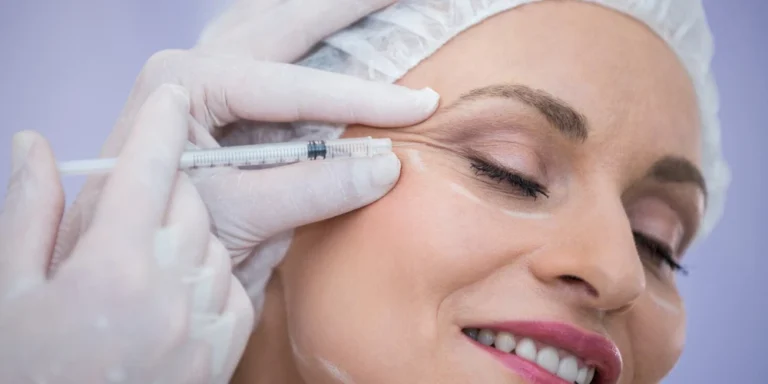
NoMor or Light Filler? 5 Differences Under the Eyes
NoMor or light filler for the under-eye area? Compare the purpose and effect of both methods, and which type of dark circle each suits, from an expert perspective.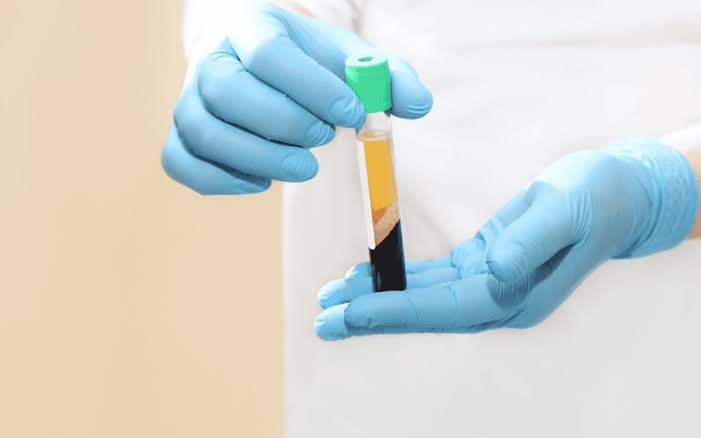
PRP Prices 2026: What Do They Depend On?
What do PRP prices depend on, and which factors determine the cost? We explain, from an expert's perspective, how the number of sessions, kit type and treatment area affect the 2026 price.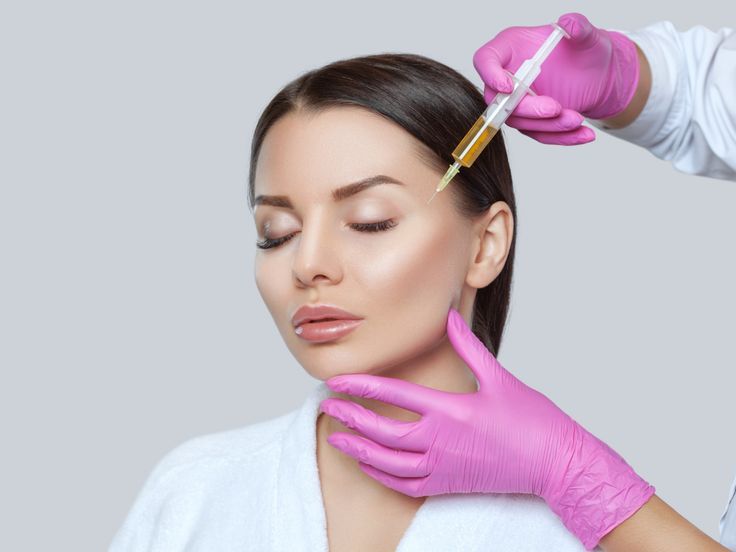
How Many Sessions of Hair PRP? Procedure and Aftercare 2026
What is hair PRP, how does it work against hair loss, and who is it for? We cover the use of plasma prepared from a person's own blood for hair.
 Turkish
 English
 German
 French
 Italian