

What Helps with Hair Loss, and What Works?
 Dr. Handan YavuzUpdated 7 min read
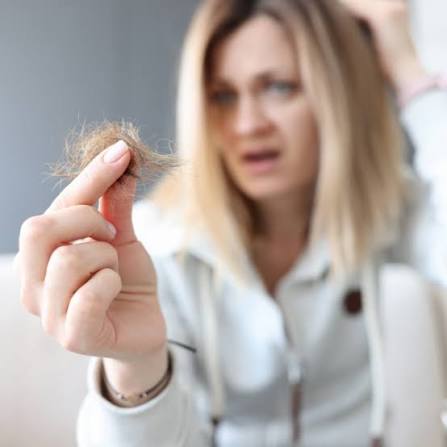
When your hair starts to thin, the first question that comes to mind is usually this: what helps with hair loss? The answer is not a miracle product; it is finding the cause correctly and consistently maintaining habits that support the foundation. Results come when nutrition, scalp care and, when necessary, medical support are addressed together.
In this article, we have gathered, without exaggeration, both simple steps that can be done at home and approaches with a scientific basis. The aim is to offer you a realistic roadmap. Let us state from the start that if there is a lasting problem, these will not replace treatment.
Highlights
- The most effective first step is finding the cause of the hair loss; trying products blindly wastes time.
- A balanced diet containing iron, zinc and enough protein directly supports hair health.
- In clinical studies, marked improvement is reported in up to 60% of suitable individuals.
- Scalp care and gentle cleansing increase the effectiveness of treatments.
- For lasting thinning, a specialist evaluation is needed for evidence-based medical options.
What Helps with Hair Loss, and Where Should You Start?
The first answer to the question of what helps with hair loss should be “the right diagnosis.” The same symptom can stem from a nutritional deficiency, a hormonal problem or a genetic predisposition. Attempts made without knowing the cause usually waste both money and time.
That is why the logical order is assessment first, then supportive steps. If the loss is rapid and noticeable, a specialist should be consulted as soon as possible. If it is mild and linked to unbalanced nutrition, even daily adjustments can make a difference.
Should the Cause Be Found First?
The cause behind hair loss determines which approach will work. If there is iron deficiency, supplementation comes to the fore; if there is a hormonal problem, regulating it does. A recommendation that does not fit the cause, however well-intentioned, will not produce results.
Simple blood tests and a scalp examination are often enough to understand the cause. You can find the general framework of hair loss in our What Causes Hair Loss? article. The right start begins with the right question.
What Are the Foods That Strengthen Hair?
Foods that strengthen hair are, in fact, parts of a balanced plate. Eggs, oily fish, leafy greens, nuts and legumes are rich in iron, zinc, protein and healthy fats. These foods provide the hair follicle with the raw materials it needs.
Instead of waiting for a single “superfood,” it is more accurate to focus on variety. Strict diets and monotonous eating can show up in the hair within a short time. Enough water and regular meals also complete the picture.
Do Herbal Solutions for Hair Loss Work?
Herbal solutions for hair loss are widespread among the public, but their effects should not be exaggerated. There are promising observations for some oils such as rosemary and black seed; even so, they should not be expected to stop lasting hair loss on their own. It is more realistic to see them as supportive contributions.
It should not be forgotten that herbal products can also carry a risk of irritation and allergy. For oil options, our hair loss and vitamin deficiency content also provides guidance. Testing a new product on a small area is a wise start.
When Does Minoxidil Treatment Come Into Play?
Minoxidil treatment is one of the most researched options for lasting-type hair loss. When applied regularly to the scalp, it can support the growth phase. Its effect varies from person to person and fades when use is stopped.
This approach is not suitable for everyone and must always be planned on a doctor’s advice. It should be known that a temporary increase in shedding in the first weeks can be normal. Choosing the right candidate and regular use are the two key factors that determine the result.
What Are Some Hair Care Tips?
Hair care tips do not have to be complicated; the basic principle is to be gentle. Avoiding harsh products that dry out the scalp, very hot water and frequent heat styling reduces breakage. Not combing wet hair roughly also lowers strand loss.
Tight hairstyles and heavy accessories create tension that damages the root over time. Soft brushes and loose styles are safer. These small changes make a bigger difference than expected in protecting existing hair.
Are Scalp Massage and Treatments Beneficial?
Regular and gentle scalp massage provides relaxation by supporting blood circulation in the area. Its effect is modest, but it is a harmless and enjoyable habit. When combined with oil applications, it makes a nice contribution to the care routine.
Massage alone should not be expected to stop lasting hair loss. Still, looking after scalp health strengthens the foundation for other approaches. It is best to apply it regularly and lightly, without overdoing it.
Why Is Stress Management Important?
Prolonged stress can disrupt the hair cycle and trigger temporary hair loss. For this reason, sleep patterns, regular movement and relaxation techniques provide an indirect but real contribution. A reduction in stress usually shows in the hair within a few months.
Those curious about approaches with a scientific basis can take a look at clinical publications on this topic if they wish. Stress management is not a solution on its own, but it removes a factor that worsens the picture. A holistic approach is always stronger.
What Should Be Avoided?
Products that promise miracles and unproven cures mostly just sell hope. Uncontrolled high-dose supplements, on the other hand, can do harm instead of good. Uninformed use can lead to accumulation with some vitamins.
Aggressive chemical treatments and very frequent coloring also damage existing hair. A doctor’s opinion is safer than unverified internet advice. Changing products frequently out of impatience also makes it harder to see the real effect.
When will the result be seen?
Hair is a slow-growing tissue; for this reason, no approach should be expected to deliver results overnight. The effect of most supportive steps becomes noticeable within months. Consistency is more decisive than individual applications.
Tracking with photographs is a practical way to see change objectively. If there is no noticeable improvement after a few months, the approach needs to be reviewed. Patience and continuity give the best result when combined with realistic expectations.
Are PRP and Mesotherapy Good for Hair?
PRP and hair mesotherapy are among the most frequently asked-about clinical procedures that support the scalp. These methods aim to improve the growth environment with substances delivered directly to the root. Their effects vary according to the person and the type of hair loss, and they require sessions. If there is a lasting predisposition, they should be considered part of a holistic plan rather than expecting a miracle from them alone.
These procedures must always be planned in a suitable setting and after a doctor’s assessment. While they may not be suitable for everyone, they can provide a supportive contribution in the right candidate. Seeing the result requires a few months and regular sessions. Keeping expectations realistic is the most important condition for satisfaction.
Contact Us
Contact Us Now for Free Consultation and Appointment!
Do Caffeine-Containing Products Work?
Caffeine-containing shampoos and lotions are products that often feature in advertisements. Although laboratory observations are encouraging, their effects in daily use are limited and variable. Even though these products are not harmful, they should not be expected to stop noticeable hair loss on their own. It is more accurate to see them as a supportive care step.
Before starting a product, its ingredients and its suitability for your scalp should be evaluated. If irritation or itching occurs, use should be stopped. Changing products frequently makes it harder to see the real effect. Patient and regular use is wiser than expecting sudden results.
Do Sleep and Exercise Affect Hair?
Enough sleep and regular movement indirectly benefit hair by maintaining the body’s overall balance. Poor sleep and inactivity can pave the way for hair loss by increasing stress hormones. Exercise supports blood circulation and increases general well-being. These effects are modest, but they are harmless and lasting habits.
None of these steps alone stops lasting hair loss. Even so, they strengthen the foundation and make the work of other approaches easier. A healthy lifestyle is one of the soundest investments for both hair and body. Continuity is far more decisive than short bursts of intense effort.
Comparison of Methods
The table below offers a general summary of commonly used supportive approaches.
| Approach | Expected Contribution | Result Duration | Note |
|---|---|---|---|
| Balanced nutrition | Strengthens the foundation | 2-4 months | More effective if there is a deficiency |
| Herbal oils | Supportive | Variable | Limited evidence |
| Minoxidil | Effective in lasting type | 3-6 months | On a physician's recommendation |
| Hair care routine | Reduces breakage | Fast | Protective effect |
Those who want to evaluate all the options together can visit our hair loss category to browse its content. Which method suits you becomes clear only according to the cause.
For a roadmap tailored to you, a scalp assessment is carried out at Medlook Private Clinic. For your questions, with us you can contact.
Author: Dr. Handan Yavuz, Medical Aesthetics Specialist. This content has been prepared to answer the questions of those curious about what helps with hair loss.
Frequently Asked Questions (FAQ)
What helps with hair loss, and what is the most effective step?
The most effective step is finding the cause of the hair loss. Once the cause is known, nutrition, care and any necessary medical support can be planned correctly; trying products blindly wastes time.
Do herbal oils stop hair loss?
Some oils can be supportive, but they are not expected to stop lasting hair loss on their own. It is more accurate to see them as supportive contributions and to test them on a small area.
Which foods are good for hair?
Eggs, oily fish, leafy greens, nuts and legumes stand out. A varied diet rich in iron, zinc and protein supports hair health the most.
Is minoxidil suitable for everyone?
No. It can be effective in lasting-type hair loss, but it must always be used on a doctor’s advice. Its effect is maintained only as long as use continues, and choosing the right candidate is important.
How long does it take to see results?
Hair grows slowly; the effect of most steps becomes noticeable within months. Consistency is essential, and tracking with photos is useful for seeing the change.
Should I take supplements?
Supplements make sense only if a deficiency has been proven by testing and they are taken under supervision. Uncontrolled high doses can lead to accumulation and harm with some vitamins.
Can’t find your question here?Send us what you would like to know and our team will get back to you.
WhatsAppYou May Also Like
NoMor or Light Filler? 5 Differences Under the Eyes
NoMor or light filler for the under-eye area? Compare the purpose and effect of both methods, and which type of dark circle each suits, from an expert perspective.
PRP Prices 2026: What Do They Depend On?
What do PRP prices depend on, and which factors determine the cost? We explain, from an expert's perspective, how the number of sessions, kit type and treatment area affect the 2026 price.
How Many Sessions of Hair PRP? Procedure and Aftercare 2026
What is hair PRP, how does it work against hair loss, and who is it for? We cover the use of plasma prepared from a person's own blood for hair.
 Turkish
 English
 German
 French
 Italian