

Why Does Hair Loss Happen and How Can It Be Stopped?
 Dr. Handan YavuzUpdated 10 min read
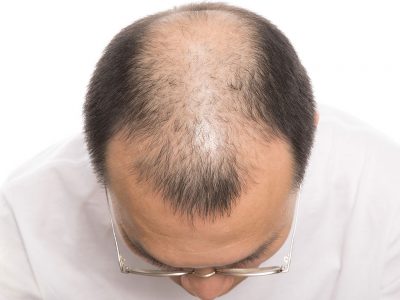
If you see a few more hairs on your pillow or in the shower drain every day, the first question that comes to mind is: why does hair loss happen? The short answer is that there is no single reason. Hair loss is a symptom that arises when many factors come together, such as genetic predisposition, hormonal changes, nutritional deficiencies and scalp problems.
Losing about a hundred hairs a day is normal; what really matters is when this increases markedly and the hair begins to thin. In this guide we explain, in plain language, the mechanisms behind hair loss, the most common causes and when you should see a specialist.
Highlights
- A loss that exceeds 100 hairs a day and becomes persistent usually points to an underlying cause.
- The androgenetic type is seen in nearly 50% of men with advancing age; it is also common in women.
- Temporary hair loss known as telogen effluvium mostly resolves on its own once the trigger is gone.
- Iron, vitamin D and thyroid problems directly affect hair health and can be detected with simple tests.
- Early evaluation is decisive in delaying permanent thinning.
Why Does Hair Loss Happen, and What Is the Basic Mechanism?
To understand why hair loss happens, you first need to look at the hair growth cycle. Each hair is a living structure that passes through growth, resting and shedding phases. When this cycle is disrupted, the number of hairs entering the resting phase increases and the loss becomes visible.
The source of the disruption is sometimes hormones acting on the fine root, and sometimes a temporary condition that strains the body. Depending on the cause, hair loss can be permanent or temporary. That is why the right approach lies in seeing the whole picture rather than pinning hair loss on a single cause.
How Does the Hair Cycle Work?
After a long growth phase, the hair root enters a short transition and resting period. In a healthy scalp, most hairs are in the growth phase. Hairs in the resting phase fall out after a certain time and new ones take their place.
When this balance is maintained, the loss goes unnoticed, because the number of hairs coming in matches the number falling out. When the balance tips against the new hairs, hair density begins to decrease. In the following sections we go through the main factors that upset this balance in turn.
What Is Androgenetic Hair Loss?
Androgenetic hair loss is the most common permanent type, caused by genetic predisposition and hormone sensitivity acting together. The hair follicles become sensitive to a particular hormone and, over time, thin out and produce shorter hairs. This process is slow, but if left untreated the thinning becomes permanent.
In men it shows up as recession at the crown and temples, while in women it appears as a widening of the hair parting. Family history is a strong clue for this type. With approaches started early, progression can be slowed, so evaluating without delay is important.
What Is Telogen Effluvium (Temporary Hair Loss)?
Telogen effluvium is a widespread but temporary hair loss that occurs when a large number of hairs enter the resting phase at the same time. It usually begins within a few months after stress, a febrile illness, surgery or rapid weight loss. The loss spreads across the whole scalp and there is no clump-by-clump shedding.
The good news is that once the trigger is gone, this picture mostly recedes on its own. It can take a few months for the hair to return to its former density. During this time, finding and removing the trigger is a more effective path than panicking.
What Are the Hormonal Causes?
Fluctuations in hormone balance directly affect the hair cycle. An underactive or overactive thyroid gland, pregnancy and the postpartum period, menopause and certain hormone therapies can trigger hair loss. In these cases the loss is usually widespread and depends on the root cause.
In hair loss of hormonal origin, the real solution is aimed not at the hair but at the underlying imbalance. Simple blood tests reveal the thyroid and hormone status. For this reason, in resistant hair loss an internal medicine or endocrinology evaluation is a useful guide.
Do Nutrition and Vitamin Deficiencies Matter?
Because hair is made of rapidly dividing cells, it is sensitive to nutritional inadequacies. Iron, vitamin D, zinc and adequate protein intake are necessary for healthy growth. A drop in these values is one of the grounds that make hair loss easier.
Strict diets and unbalanced eating can lead to marked loss in a short time. To see which deficiency stands out, you can read our article on hair loss and vitamin deficiency . Supplements, however, only make sense when a deficiency has been proven and is monitored.
Do Stress and Sleep Increase Hair Loss?
Intense and prolonged stress can trigger temporary hair loss by shifting the hair cycle into the resting phase. Lack of sleep and an irregular lifestyle strengthen this effect. The loss usually becomes noticeable a few months after the stressful period.
This kind of hair loss is mostly not permanent and recedes as your routine recovers. Even so, constantly recurring stress can make an underlying predisposition visible. A regular sleep pattern and relaxation techniques offer a supportive but realistic contribution.
How Do You Recognize the Symptoms of Hair Loss?
The symptoms of hair loss do not always appear in the same way. In some people a widening hair parting is the first sign, in others thinning at the crown. More hair on the comb and pillow and a thinning ponytail are also noticeable findings.
Hair loss in clumps and in limited areas, on the other hand, may point to a different picture and calls for a separate evaluation. Noticing the symptoms early lets you act at the right time. Photo tracking is a practical way to see change objectively.
Is There a Difference Between Women and Men?
Although similar mechanisms lie behind hair loss, its appearance varies by sex. In men, a receding hairline and an open crown stand out, while in women widespread thinning is usually seen at the top of the head. Complete baldness is rare in women.
The causes of hair loss in women are often intertwined with hormonal periods and iron deficiency. We cover the topic in detail in our article on what is good for hair loss . A correct diagnosis requires taking these sex-specific differences into account.
Is Seasonal Hair Loss Normal?
At certain times of the year, especially in autumn, a slight increase in hair loss is common. This increase is temporary and evens out within a few weeks. It usually does not cause a permanent loss of hair density.
The criterion that separates seasonal fluctuation from a real problem is persistence. A loss that lasts beyond a few months and becomes increasingly noticeable cannot be explained by the season. In such a picture, it is more sensible to have an evaluation rather than wait.
What Is the Role of Illnesses and Medications?
Some chronic illnesses, scalp inflammations and autoimmune conditions can come with hair loss. Certain groups of medications can also cause hair loss as a side effect. This kind of hair loss eases once the underlying condition is brought under control.
Sharing the medications you use and the illnesses you have had with your physician speeds up finding the right cause. Stopping medication on your own is not the right way. If a change is needed, only the physician plans it, weighing benefit against harm.
Why Does Scalp Health Matter?
Healthy hair grows on healthy ground. Excessive dandruff, itching, redness and oiliness negatively affect how the hair follicles work. Treatments carried out without resolving these problems cannot deliver their full benefit.
Aggressive products that irritate the scalp and frequent heat styling also make the hair brittle. Gentle care, balanced cleansing and avoiding irritation protect the foundation. These simple measures directly support the success of the treatment.
How Is Hair Loss Treatment Planned?
Hair loss treatment begins with the right diagnosis; trying products blindly wastes time. If the cause is temporary, the aim is to remove the trigger; if there is a permanent predisposition, the aim is to slow progression. The plan takes shape according to the person and the type of hair loss.
Approaches include treatments aimed at the scalp, dietary adjustment and, when needed, medication support. For the scientific framework, you can refer to the general resource on hair loss . Realistic expectations are the foundation of satisfaction.
When Should You See a Specialist?
Hair loss that starts suddenly, progresses quickly or comes with patchy loss in clumps should be assessed without losing time. This is even more important if itching, redness and sores accompany it on the scalp. Early diagnosis keeps most options open.
Thinning that becomes noticeable at a young age should also be addressed without waiting. If you are unsure which specialist to see, for a roadmap you can reach our team via you can contact. A step taken at the right time turns the process in your favor.
Can Hair Loss Be Reduced with Daily Habits?
Small but consistent habits make a visible contribution to hair health. Eating a balanced diet, drinking enough water and keeping a regular sleep pattern strengthen the foundation. Avoiding tight hairstyles and excessive heat styling also reduces breakage.
These measures do not remove an existing predisposition, but they reduce the factors that make the picture worse. In other words, daily habits do not replace treatment; they support it. If there is a lasting problem, a specialist evaluation is still necessary.
How Decisive Is Genetic Predisposition?
One of the strongest determinants of hair loss is family history. A similar tendency is more likely in people with early thinning on the mother's or father's side. Genetic predisposition determines how sensitive the hair follicles are to certain hormones. Even so, predisposition is not a fixed fate; early precautions and the right approach can slow the process.
The genetic background alone does not tell you exactly when and how fast you will lose hair. Nutrition, stress and general health can push this picture forward or back. That is why it is wise for people with a family history to start monitoring early. When a predisposition is noticed early, the options are always broader.
Contact Us
Contact Us Now for Free Consultation and Appointment!
How Does Hair Loss Change with Age?
Hair density and growth rate change naturally with age. Hair loss seen at a young age is often due to temporary triggers or to a genetic predisposition that starts early. In later life, hormonal changes and accumulated factors come to the fore. For this reason, the same symptom can point to different causes at different ages.
As age advances, hairs thin and the growth phase can shorten; to some extent this is an expected process. However, marked and rapid thinning should be evaluated at any age. Treating age as an excuse and waiting leads to overlooking correctable causes. The right distinction is, once again, made through examination and tests.
Do Smoking and Bad Habits Have an Effect?
Smoking negatively affects blood circulation in the scalp and the oxygenation of tissues. This can contribute to an existing predisposition becoming visible earlier. Excessive alcohol and unbalanced nutrition also upset the body's overall balance and show up in the hair. These habits do not cause baldness on their own, but they create grounds that make the picture worse.
The good news is that most of these factors can be changed. Quitting smoking, eating a balanced diet and keeping a regular sleep pattern indirectly support hair health. These changes do not remove an existing genetic predisposition, but they turn the process in your favor. Small but consistent steps make a difference in the long run.
Is Hair Transplant a Permanent Solution?
Hair transplant is a surgical option that comes up in the advanced stages of permanent thinning. In the procedure, roots taken from an area resistant to hair loss are placed in the thinned areas. In the right candidate it can deliver a permanent and natural result. However, it is not suitable for every type of hair loss or every person.
A transplant does not stop the underlying tendency to hair loss; a separate plan is needed to preserve the existing hair. That is why medical follow-up before and after the transplant is important. In the early stage, the process can be managed in many people without surgery. The decision on suitability is made only after a detailed evaluation.
Does Hair Loss Affect Mental Well-Being?
In many people, hair loss creates anxiety and a confidence problem that goes beyond appearance. This emotional burden can sometimes be harder to bear than the hair loss itself. Constantly counting hairs in the mirror or avoiding social settings increases the stress. Yet this stress sets up a vicious circle that disrupts the cycle and can trigger even more hair loss.
That is why it is important to address the process not only physically but also emotionally. Accurate information and a realistic plan are the most effective ways to reduce anxiety. Simply knowing the cause brings noticeable relief to most people. When needed, getting professional support is a healthy way to lighten this burden.
What Are the Common Misconceptions About Hair Loss?
Most of the misinformation circulating around hair loss serves no purpose other than increasing anxiety. The belief that wearing hats often or washing every day makes hair fall out is one of them. In the same way, the expectation that a single shampoo will stop hair loss is not realistic. These beliefs, which have no scientific basis, can lead a person away from the right step.
Another common misconception is that hair loss only occurs in old age. In fact, thinning can start at a young age too, for genetic and hormonal reasons. The safest way to reach accurate information is to consult a specialist instead of relying on internet rumors. A realistic expectation prevents both unnecessary worry and wrongly spent money.
Comparison of Hair Loss Types
Different types of hair loss require different courses and approaches; the table below offers a general framework.
| Type | Course | Typical Cause | Is it permanent? |
|---|---|---|---|
| Androgenetic | Progresses slowly | Genetics and hormones | Usually yes |
| Telogen effluvium | Resolves in a few months | Stress, illness, childbirth | No. |
| Nutrition-related | Improves once the deficiency is corrected | Iron, vitamin D | No. |
| Alopecia areata | Variable | Autoimmune | Variable |
Those who want to look at the topic as a whole can also explore the other content in our hair loss category. Each type can be told apart only through examination and the necessary tests.
In Short: Why Does Hair Loss Happen?
The question of why hair loss happens has no single answer; genetic, hormonal, nutrition-related and scalp-related causes play a role together. What matters is telling a temporary fluctuation apart from permanent thinning. The right tests and an examination make this distinction.
In a process that is noticed early and planned correctly, the options are far broader. Finding the cause saves time compared with trying products on your own. The right start is made not with your own guess in the mirror, but with a specialist's evaluation.
Author: Dr. Handan Yavuz, Medical Aesthetics Specialist — works with a realistic approach that puts the cause first in hair and scalp health.
Frequently Asked Questions (FAQ)
How many hairs is it normal to lose per day?
A loss of up to about one hundred hairs a day is considered normal. A marked increase in this number, together with the hair starting to thin, is a sign that calls for evaluation.
Why does hair loss happen, and is it always permanent?
No. Temporary types such as telogen effluvium resolve once the trigger is removed. The androgenetic type, on the other hand, has a genetic basis and can progress if left untreated; an examination determines the distinction.
Can stress alone cause hair loss?
Intense and prolonged stress can trigger temporary hair loss. It usually becomes noticeable a few months after the stressful period and recedes as your routine recovers.
Does vitamin deficiency affect hair?
Yes. A drop in values such as iron, vitamin D and zinc makes hair loss easier. However, supplements only make sense when a deficiency has been proven by testing and is monitored.
Is it possible to stop hair loss?
It depends on the cause. In temporary types, removing the trigger may be enough. In a permanent predisposition, the aim is to slow progression rather than stop it; starting early improves the outcome.
When should I see a specialist?
If you have sudden, rapidly progressing loss, patchy loss in clumps, or itching and redness on the scalp, do not wait to seek help. Early diagnosis keeps your options open.
Can’t find your question here?Send us what you would like to know and our team will get back to you.
WhatsAppYou May Also Like

NoMor or Light Filler? 5 Differences Under the Eyes
NoMor or light filler for the under-eye area? Compare the purpose and effect of both methods, and which type of dark circle each suits, from an expert perspective.
PRP Prices 2026: What Do They Depend On?
What do PRP prices depend on, and which factors determine the cost? We explain, from an expert's perspective, how the number of sessions, kit type and treatment area affect the 2026 price.
How Many Sessions of Hair PRP? Procedure and Aftercare 2026
What is hair PRP, how does it work against hair loss, and who is it for? We cover the use of plasma prepared from a person's own blood for hair.
 Turkish
 English
 German
 French
 Italian