

What Is PRP Treatment and How Is It Performed?
 Dr. Handan YavuzUpdated 7 min read
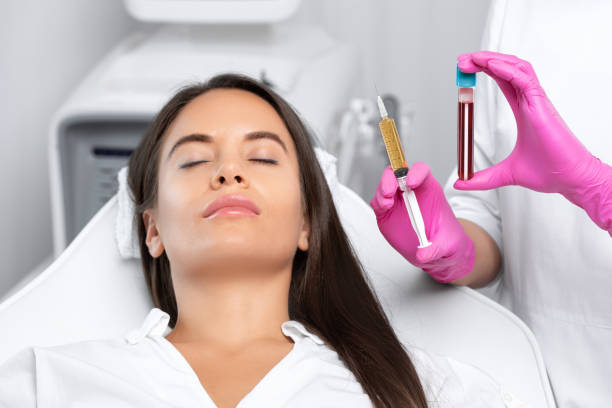
PRP treatment means returning to the problem area platelet-rich plasma separated from a person’s own blood. This plasma is rich in growth factors that start tissue repair. The method is based on the idea of strengthening the body’s own healing mechanism without adding an outside substance. In this way, the tissue’s capacity to repair itself is brought one step forward.
In this article, we cover in which situations the treatment is preferred, how a session goes and who it is suitable for. We also explain possible side effects and realistic expectations. Our aim is to present the topic without exaggeration and in a way that is understandable from the patient’s point of view. A general piece of content in which we also touch on the main headings: What is PRP?
Highlights
- The treatment supports repair by delivering platelet-rich plasma prepared from the person’s own blood to the target area.
- It is most often preferred for hair loss and skin rejuvenation.
- A session usually lasts 30-45 minutes and requires no recovery period.
- Because the person’s own blood is used, the risk of an allergic reaction is low.
- In clinical studies, improvement is reported in about 65-70% of patients with early-stage hair thinning.
What is PRP Treatment?
PRP treatment begins with a small amount of blood drawn from the arm being spun in a special device. During this spinning, the blood separates into layers and plasma with a high platelet concentration is obtained. The resulting fluid is given back to the problem area with fine needles. Because the material used belongs entirely to the person, no foreign substance is involved.
The aim is to concentrate the growth factors carried by platelets and steer the tissue toward renewal. These signals encourage the surrounding cells to repair and revive circulation. In this way, the tissue’s own recovery process is supported. The result is the product not of a single injection but of accumulated stimulation.
In Which Situations Is PRP Treatment Used?
This method is used in several areas, the best known being the scalp. It is also considered for skin rejuvenation, under-eye revitalization and certain joint complaints. In every area the goal is to support the tissue's own repair capacity. The only things that change are the treated region and the technique.
Whether the treatment is suitable depends on the complaint and the condition of the tissue. Expectations are higher in early-stage problems, while results remain limited in areas with advanced damage. For this reason each case is assessed individually. The right area to treat becomes clear after a physician's evaluation.
What Does Hair PRP Treatment Do?
Hair PRP treatment is preferred in areas where the roots have weakened but have not yet been lost. The prepared plasma is injected into the scalp at many points. The aim is to revive circulation around the roots and slow shedding. This may help preserve hair density.
This approach also aims to make the existing hair look stronger and fuller. It is usually planned as a program of several sessions and maintained with preventive repeats. In completely bald areas, however, expectations should be kept realistic. In such cases the treatment alone is not a sufficient solution.
How Does a PRP Session Go?
A PRP session begins with a small amount of blood drawn from the arm, a step no different from a routine blood test. The blood is spun in a centrifuge for a few minutes to separate the plasma. The prepared fluid is then injected into the target area with fine needles. What you feel during the procedure is usually no more than a slight prick.
The whole process usually takes between thirty and forty-five minutes. After the treatment, most people return directly to their daily lives and do not need any special rest. Apart from slight redness, no noticeable marks remain. In this respect the session can easily fit into even a busy schedule.
How Many Sessions Does PRP Treatment Take?
The number of sessions varies with the type of complaint, the area treated and how the tissue responds. In hair treatments, an initial program spaced at set intervals is usually applied. After this first period, the sessions move to less frequent repeats to maintain the effect. The same number of sessions is not recommended to everyone; the plan is tailored to the individual.
Because the result comes from accumulated stimulation rather than a single session, completing the program is important. Abandoning a plan midway means judging a result that has not yet matured. To see the application steps in detail, take a look at how PRP is done in our content. This way you can follow the whole process from start to finish.
When Are Results Visible?
The first positive signs often appear a few weeks after the treatment. In hair treatments, reduced shedding is usually the first sign seen. A clear increase in density, on the other hand, settles in over a period of several months. That is why it would not be right to judge the result too early.
With this method, patience is the most important component of satisfaction. Tissue repair is a natural process and moves at the body's own pace. Regular follow-up helps the process be read correctly. This makes a realistic assessment possible instead of unnecessary worry.
What Are the Side Effects and Risks of PRP?
PRP side effects are mostly mild and short-lived. Because the person's own blood is used, situations such as allergy or rejection are quite rare. Temporary redness, slight tenderness or a small bruise may appear at the injection site. These resolve on their own within a few days.
Serious problems arise only under unsuitable conditions or when the wrong candidate is chosen. For this reason it is important that the treatment is carried out in a hygienic environment by an experienced physician. For scientific publications, you can refer to the clinical studies on this subject . When the right conditions are met, the method is applied safely.
Who Is Not Eligible for PRP Treatment?
In people with a blood disease, a clotting disorder or an active infection, the treatment is postponed or not performed. Pregnant and breastfeeding women are also considered within this evaluation. A history of certain cancers or regular use of blood thinners requires additional examination. In these cases the decision is made according to medical criteria.
That is why the person's health history is questioned in detail before the procedure. When necessary, tests are requested to confirm suitability. If the treatment is not appropriate, the physician refers the person to a different method. The aim is to protect both safety and a realistic result.
What Should You Pay Attention to Before the Treatment?
Before the procedure, medications and supplements that have a blood-thinning effect need to be reported to the physician. This matters because some painkillers and herbal products can increase the likelihood of bruising. Limiting alcohol for a few days before the treatment also helps reduce this risk. This way the session is both more comfortable and more effective.
On the day of the session, it is enough for the area to be treated to be clean and well kept. Sharing your expectations openly with your physician ensures the plan is built to suit you. A realistic expectation is the foundation of satisfaction with the result. This preparation makes the rest of the process easier.
Contact Us
Contact Us Now for Free Consultation and Appointment!
What Is Recovery Like After PRP Treatment?
No marked recovery period is needed after the treatment; most people return to normal life the same day. Slight redness in the area usually fades within a few hours. On the first day, avoiding strenuous activity and direct sunlight is enough. No restrictions are needed in the following days.
The repair of the tissue, meanwhile, continues in the background over days and weeks. During this time no condition arises in the area that needs special care. Still, paying attention to general health habits is useful to support the result. In this respect, recovery describes a period that is both quick and effortless.
What Is the Difference Between PRP Treatment and Hair Transplant?
In a hair transplant, a person's own hair roots are surgically moved to thinning areas. This method, by contrast, does not move any roots; it aims to slow shedding by supporting the surroundings of the existing roots. In other words, one places new roots in an emptied area, while the other strengthens the roots that are already there. Because they respond to different problems, the two are often considered together as well.
In completely bald areas, a surgical solution is generally needed. In early-stage thinning, on the other hand, a supportive treatment comes to the fore. Which path is suitable is determined by the stage of the hair loss. The right choice becomes clear through a detailed examination.
PRP Treatment Comparison Table
The table below summarizes frequently asked practical topics.
| Criteria | Expected Situation |
|---|---|
| Session duration | 30-45 minutes |
| First result | A few weeks |
| Noticeable effect | A few months |
| Recovery process | It's not necessary |
| Allergy risk | Very low |
For more topics hair loss .
If you would like to assess what PRP therapy means for your own situation, you can reach Medlook Private Clinic via you can contact. Your personalized plan begins with a detailed examination.
Author: Dr. Handan Yavuz, Medical Aesthetics Specialist. This content has been prepared to answer patients' questions about the treatment process and expectations.
Frequently Asked Questions (FAQ)
Is PRP treatment safe?
Because it is based on the person’s own blood, the safety profile is generally favorable. Even so, a sterile environment, suitable equipment and an experienced hand are required. Suitability is determined by an examination before the procedure.
How long does a session take?
From the blood draw to the injection, the whole procedure usually takes between thirty and forty-five minutes. After the procedure, most people return directly to daily life.
Is the result permanent?
The effect is not permanent; it supports the tissue’s repair capacity. Renewal at regular intervals is recommended to maintain the result. Consistency matters more than individual sessions.
Is the treatment painful?
Because very fine needles are used, a slight prick is usually felt. If desired, a superficial numbing cream can be applied beforehand. No marked pain is expected after the procedure.
To whom is it not applicable?
In cases such as blood disorders, active infection and pregnancy, the treatment is postponed or not performed. Suitability is assessed through the health history and the necessary tests.
When will the results be announced?
The first changes are noticeable within a few weeks. A clear increase in density settles in over a few months. That is why completing the program is recommended.
Can’t find your question here?Send us what you would like to know and our team will get back to you.
WhatsAppYou May Also Like
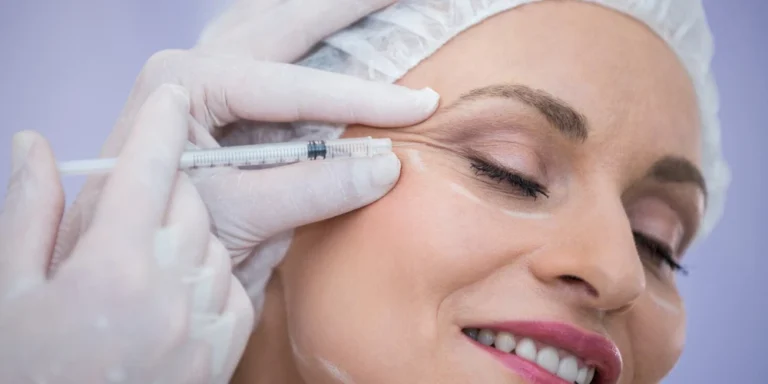
NoMor or Light Filler? 5 Differences Under the Eyes
NoMor or light filler for the under-eye area? Compare the purpose and effect of both methods, and which type of dark circle each suits, from an expert perspective.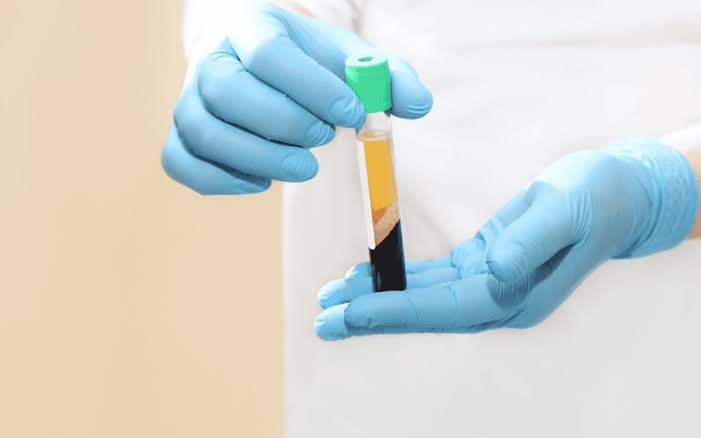
PRP Prices 2026: What Do They Depend On?
What do PRP prices depend on, and which factors determine the cost? We explain, from an expert's perspective, how the number of sessions, kit type and treatment area affect the 2026 price.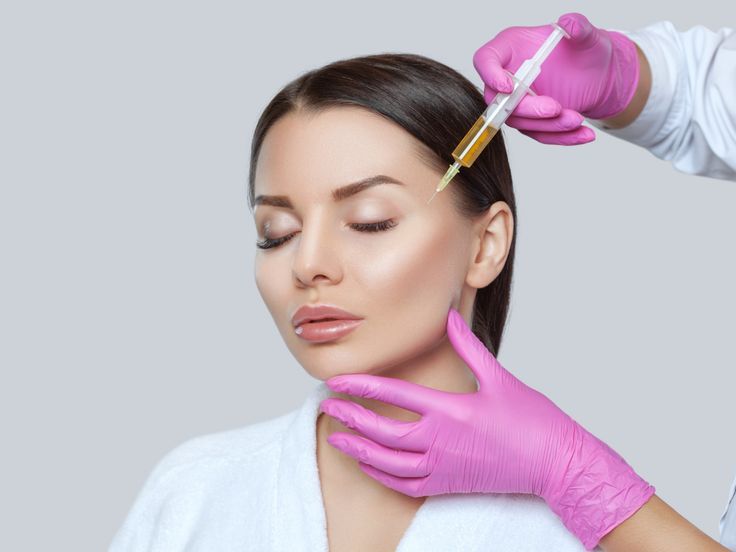
How Many Sessions of Hair PRP? Procedure and Aftercare 2026
What is hair PRP, how does it work against hair loss, and who is it for? We cover the use of plasma prepared from a person's own blood for hair.
 Turkish
 English
 German
 French
 Italian
 Russian
 Romanian