

What Is PRP, How Does It Work and Who Is It For?
 Dr. Handan YavuzUpdated 10 min read
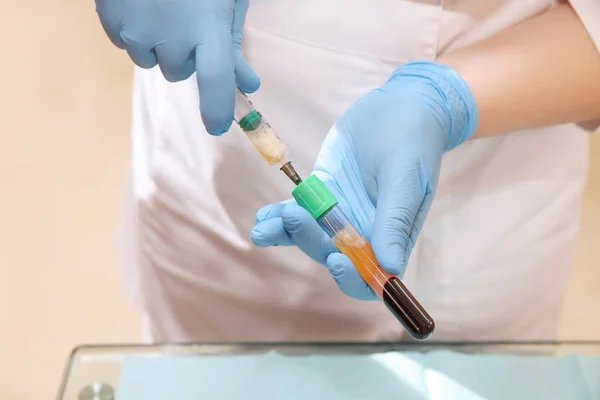
PRP is, in short, a plasma fluid with an increased platelet concentration, separated from a person’s own blood, that is given back to the same person. Platelets are not only cells that stop bleeding; they carry many growth factors that start tissue repair. The method is based on the idea of concentrating the body’s own healing signals instead of adding an outside substance. In other words, the aim is not to give the tissue something foreign, but to help it use its own resources more strongly.
In this guide, we cover the scientific basis of the procedure, the areas in which it is used and who it is suitable for. We also explain the steps of the treatment, possible side effects and how it differs from commonly confused methods. Our aim is for you to see the subject from all angles, not under a single heading. The goal is not an exaggerated promise but to help you make your decision with the right information.
Highlights
- The method supports tissue repair by returning platelet-rich plasma prepared from the person’s own blood to the target area.
- It is used in different areas such as hair loss, skin rejuvenation and joint problems.
- A session usually takes 30-45 minutes, and most people return to their routine the same day.
- Because the person’s own blood is used, the risk of an allergic reaction is low and serious side effects are rare.
- In clinical studies, a visible improvement in hair density is reported in about 70% of patients.
What is PRP?
PRP is the abbreviation of “platelet-rich plasma” and means plasma rich in platelets. A small amount of blood drawn from the person is spun in a special device and separated into its layers. At the end of this separation, the plasma portion with a platelet concentration much higher than normal is obtained. This portion of the fluid is highly rich in the molecules that trigger repair.
The resulting fluid is given back to the problem area with fine needles. Most people who search for what PRP is are actually curious about how healing is accelerated. The answer lies in the growth factors released by platelets steering the tissue toward restructuring. These molecules work like a “repair” message, mobilizing local cells.
How Does Platelet-Rich Plasma Work?
Platelets store repair signals in small vesicles inside them called granules. When the concentrated plasma is delivered to the target area, these signals are released and stimulate the surrounding cells. In this way, cell multiplication, new blood vessel formation and collagen production are supported. Increased circulation also brings more oxygen and nutrients to the tissue.
This process is not completed overnight; it progresses gradually over weeks. As the tissue repairs itself, both structural support and surface quality improve slowly. The result emerges not from a single injection but from the accumulation of repeated stimulation. That is why the logic of the method is built on “supporting repair,” not on “correcting in one go.”
In Which Areas Is PRP Used?
This method is not specific to a single problem; it appears in many different fields of medicine. It has a wide range of uses, from hair loss to skin rejuvenation, from joint pain to wound healing. In every area the aim is the same: to support the tissue’s own repair capacity. The only things that change are the area where the plasma is delivered and the technique used.
The best-known use is the form applied to the scalp. However, it is also chosen in sports medicine for tendon problems and in dermatology for skin rejuvenation. It is also known to be used in fields such as oral and dental surgery to support wound healing. Which area comes to the fore depends on the person’s complaint and the doctor’s assessment.
How Is PRP Hair Treatment Performed?
PRP hair treatment is preferred in areas where the hair roots have weakened but have not yet disappeared completely. The prepared plasma is delivered to the scalp through many small points. The aim is to revive blood circulation and nutrient flow around the roots. In this way, the goal is for weakening roots to become stronger again.
This approach aims to slow shedding and thicken existing hair. It is usually planned as a program of several sessions and then continued with maintenance repeats. While the result is more pronounced in early-stage thinning, expectations remain limited in completely bald areas. For this reason, the timing of the treatment directly affects the result achieved.
What Does PRP Do for the Skin?
When applied to the skin, the aim is to increase collagen and elastin production by stimulating the upper layer. This helps soften fine lines and makes the skin tone look more vibrant. The effect is not instant; it becomes noticeable gradually within a few weeks. As the skin begins to produce its own building blocks again, the result matures.
Areas such as the under-eye area, the face and the neck are frequently chosen for this treatment. This use, aimed at improving skin quality, is often planned as several sessions. It is suitable for people who want a natural refresh and do not want a sudden change. The result appears as a soft, unnoticeable improvement in the skin’s texture.
Is PRP Used for Joint and Musculoskeletal Problems?
In orthopedics and sports medicine, this method is used for some problems around tendons and joints. The concentrated plasma is delivered to the relevant area to support the repair of damaged tissue. Research continues, particularly on chronic tendon strain and some joint complaints. This use is considered a non-surgical supportive option.
The response varies from person to person and it is not suitable for every case. In some cases it is planned together with methods such as physiotherapy. The right indication can only be determined through a detailed medical examination. Keeping expectations realistic is the foundation of satisfaction in this field too.
Who Is PRP Treatment Suitable For?
People with early and mid-stage hair thinning who have not yet decided on surgery are good candidates for this method. Those who want to improve skin quality in a natural way can also be considered. Suitability is determined by the type of complaint and the current condition of the tissue. A PRP treatment plan is set up personally only after this assessment.
Realistic expectations are important for satisfaction with the result. Hair roots that have been lost completely, or areas with advanced tissue damage, cannot be regained with this method. In such cases, the doctor also puts different options on the table. Choosing the right candidate determines both safety and the quality of the result together.
Who Is PRP Not Performed On?
In people with a blood disorder, a platelet disorder or an active infection, the treatment is postponed or not performed. Pregnant and breastfeeding people are also generally assessed within this scope. A history of certain cancers or regular use of blood thinners also requires detailed review. In these cases, the decision rests not on the patient’s wish alone but on medical assessment.
For this reason, the person’s health history is carefully reviewed before the procedure. When necessary, blood tests are requested to clarify suitability. In unsuitable cases, the doctor refers the person to a different and safer method. In this way, both safety and a realistic result are ensured.
How Does a PRP Session Go?
The session begins with a small amount of blood being drawn from the arm, and this step is no different from an ordinary blood test. The collected blood is spun in the centrifuge for a few minutes to separate the plasma. The prepared fluid is then delivered to the target area in small doses with fine needles. What is usually felt during the procedure is a slight prick.
The whole process usually takes between half an hour and forty-five minutes. After the procedure, the person often returns directly to daily life and no special rest is needed. Apart from mild redness, no marked trace remains, and this too goes away quickly. In this respect, the procedure can easily be scheduled even on a busy day.
How Many Sessions Are Needed and When Is It Renewed?
The number of sessions is determined by the type of complaint, the area and the response of the tissue. For hair treatments, a starting program of several sessions at set intervals is usually planned. After this initial period is completed, the plan moves to less frequent repeats to maintain the effect. In this way, the aim is to preserve the result achieved over time.
Because the result emerges not from a single session but from accumulated stimulation, completing the program is recommended. A plan abandoned early leads to seeing a result that has not yet matured. The renewal interval becomes clear on an individual basis according to the response to the first sessions. That is why the same schedule is not applied to everyone.
When Are PRP Results Seen?
The first changes usually start to be noticed a few weeks after the treatment. In hair treatments, reduced shedding is often the first positive sign seen. A marked increase in density settles over a period of a few months, and the lasting appearance takes shape during this time. That is why it is important not to rush the evaluation.
Patience is the most important key to the result in this method. Tissue repair is a natural process and progresses at the body’s own pace. Giving up early means deciding without seeing a result that is not yet complete. Regular follow-up helps the process be read correctly.
What Are the Side Effects of PRP?
The side effects of PRP are generally mild and temporary; serious problems are quite rare. Because the person’s own blood is used, the risk of allergy or rejection is very low. Short-lived redness, tenderness or a small bruise may appear at the injection points. Most of these effects subside on their own within a few days.
Unexpected situations arise only under non-sterile conditions or with unsuitable candidates. For this reason, it is important that the procedure is performed by an experienced doctor in a suitable environment. The right technique and hygiene minimize possible risks. When these conditions are met, the method can be chosen with confidence in terms of safety.
Contact Us
Contact Us Now for Free Consultation and Appointment!
What Is the Difference Between PRP and Mesotherapy?
In mesotherapy, externally prepared vitamin and mineral mixtures are delivered to the skin or the scalp. In this method, on the other hand, plasma obtained from the person’s own blood is used. In other words, one adds an outside supplement, while the other concentrates the body’s own resources. In this respect, the working logic of the two approaches differs.
The two methods can sometimes be planned to complement each other. Which one is suitable depends on the complaint and the condition of the tissue. In some cases they are chosen together, in others separately. The right combination is determined after a personal assessment.
Is PRP a Reliable Method?
Because it is based on the person’s own blood, the safety profile is generally favorable. Even so, like any medical procedure, it must be performed under the right conditions. A sterile environment, suitable equipment and an experienced hand directly affect the result. When these three elements come together, the method is applied safely.
Those who are curious about its scientific framework in depth can look at independent sources. For a general definition of the method, you can browse the platelet-rich plasma source for reference. Such sources help you support your decision with information. Even so, the final assessment belongs to the doctor who examines you.
What Are the Factors That Determine the Price of PRP?
The cost cannot be reduced to a single number; it depends on more than one factor. The area to be treated, the number of planned sessions and the type of kit used affect the price. The standards of the clinic and the experience of the doctor are also decisive. That is why the plan and budget of two people can differ.
Prioritizing suitable conditions and an experienced hand rather than the lowest price is a safer choice. A cheap but unsuitable treatment puts both the result and safety at risk. A clear figure can only be given after a face-to-face assessment. A transparent plan clarifies both expectations and budget.
Is PRP Different from Exosome Treatment?
In exosome treatment, a product prepared from small vesicles that carry communication between cells is used. When you look at what PRP is, the key difference emerges: here, the plasma obtained from the person’s own blood is essential. In other words, one relies on a laboratory-sourced product, the other on the person’s own resources. Although the goals of the two methods are similar, their way of working differs.
Which method is suitable depends on the type of complaint and the condition of the tissue. In some plans, the two approaches are addressed so as to complement each other. The decision is made by the doctor after a personal assessment. That way, the expectation and the method are matched appropriately.
Aftercare Tips for PRP Treatment
Taking care of the area after the treatment is an important step that supports the result achieved. It is recommended to avoid intense exercise, saunas and direct sunlight on the first day. Not rubbing or massaging the area also helps the plasma stay where it is intended. These simple habits increase the effectiveness of the process.
In the following days, you can pick up your daily care routine where you left off. Drinking enough water, eating a balanced diet and staying away from smoking generally support tissue repair. These recommendations concern not a single treatment but the long-term result and overall tissue health. Consistency plays a decisive role in preserving the result achieved and in obtaining a more stable appearance over time.
PRP Comparison Table
The table below summarizes the different areas of use and their expected general characteristics.
| Criteria | Hair Treatment | Skin Treatment |
|---|---|---|
| Goal | Root revitalization | Increased collagen |
| Session duration | 30-45 minutes | 30-45 minutes |
| First result | A few weeks | A few weeks |
| Program | Several sessions | Several sessions |
| Recovery Time | It's not necessary | It's not necessary |
In Summary: What Is PRP and Who Is It Suitable For?
If we sum up the essence of what PRP is in a single sentence: it is a method that supports tissue repair with platelet-rich plasma prepared from a person’s own blood. Its effect is not permanent and is preserved with regular renewal. It is considered for hair loss, skin rejuvenation and some joint problems. Choosing the right candidate and realistic expectations are the main determinants of the result.
Those who want to examine the topic in detail can read our articles on what PRP treatment is and how PRP is done and, for all related topics, can browse hair loss our category.
Clarifying what PRP is according to your personal situation is the best way to start. To determine the plan that suits you, you can work this out together with Medlook Private Clinic you can contact.
Author: Dr. Handan Yavuz, Medical Aesthetics Specialist, works with measured approaches based on the body’s own resources in hair and skin health.
Frequently Asked Questions (FAQ)
Whose blood is PRP prepared from?
The treatment is prepared entirely from the person’s own blood. A small amount of blood drawn from the arm is separated in the device, and the platelet-rich plasma is given back to the same person. For this reason, the risk of allergy is very low.
Does PRP hurt?
Because very fine needles are used, a slight prick is usually felt. If desired, a superficial numbing cream can be applied beforehand. No marked pain is expected after the procedure.
When can I go back to work after PRP?
Most people return to daily life the same day. Mild redness goes away within a few hours. It is recommended to avoid intense exercise, saunas and direct sunlight on the first day.
How many PRP sessions are performed?
The number of sessions varies depending on the complaint. For hair treatments, a starting program of several sessions at set intervals is usually planned, followed by maintenance repeats. The exact number is determined during the examination.
Is PRP a permanent solution?
The effect is not permanent; it supports the tissue’s repair capacity. Renewal at regular intervals is recommended to maintain the result. Consistency matters more than individual sessions.
Can PRP be applied to everyone?
No. In cases such as blood disorders, active infection or pregnancy, the treatment is postponed or not performed. Suitability is determined by the health history before the procedure and the necessary tests.
Can’t find your question here?Send us what you would like to know and our team will get back to you.
WhatsAppYou May Also Like
NoMor or Light Filler? 5 Differences Under the Eyes
NoMor or light filler for the under-eye area? Compare the purpose and effect of both methods, and which type of dark circle each suits, from an expert perspective.
PRP Prices 2026: What Do They Depend On?
What do PRP prices depend on, and which factors determine the cost? We explain, from an expert's perspective, how the number of sessions, kit type and treatment area affect the 2026 price.
How Many Sessions of Hair PRP? Procedure and Aftercare 2026
What is hair PRP, how does it work against hair loss, and who is it for? We cover the use of plasma prepared from a person's own blood for hair.
 Turkish
 English
 German
 French
 Italian
 Russian
 Romanian