

How Is PRP Done? Step-by-Step Treatment Process
 Dr. Handan YavuzUpdated 6 min read

PRP : the answer to the question “how is it done?” can be summed up in three basic steps: drawing blood, separating the plasma and injecting it into the target area. A small amount of blood taken from the arm is spun in a special device and turned into plasma with a high platelet concentration. This plasma is given back to the problem area with fine needles. The most distinctive feature of the procedure is that all the material used belongs entirely to the person themselves.
In this article we go through every stage of the process step by step, what is taken into account beforehand and what is expected afterwards. The aim is for people curious about the procedure to see the process clearly. This reduces uncertainty and unnecessary worry about the treatment. A piece of content that also explains the general logic of the method: What is PRP?
Highlights
- The procedure proceeds in three main stages: blood draw, separation by centrifuge, and injection.
- The whole process usually takes 30-45 minutes and requires no recovery period.
- Because the person's own blood is used, the risk of allergy is very low.
- Blood-thinning medications should be shared with the doctor before the treatment.
- In clinical protocols, the quality of preparation can affect the result by roughly 20-30%.
How Is PRP Done?
For those wondering how PRP is done, the process is short and outpatient. The treatment begins with drawing a small amount of blood from the arm and requires no special preparation. After the blood drawn is separated in the device, it is given to the target area. The entire procedure is carried out under outpatient clinic conditions, with no need for a hospital stay.
The whole procedure is usually completed in between half an hour and forty-five minutes. The person generally returns to daily life the same day and needs no special rest. What is felt is a mild stinging sensation from the fine needle. In this respect, the treatment stands out as a procedure that does not disrupt the daily routine.
What Are the PRP Stages?
The process consists of clear steps that follow one another. The PRP stages begin with the evaluation and end with the injection. Each step is important in its own right for the quality of the result. Care taken at one stage directly affects the effectiveness of the next.
The list below shows the flow of a typical treatment. The order may show small differences from clinic to clinic. The basic logic stays the same everywhere. This flow is a good roadmap for people having the treatment for the first time.
- Examination and suitability assessment
- Blood draw from the arm
- Separation of the plasma by centrifuge
- Cleansing of the area
- Injection of the plasma
What Is the PRP Preparation Stage Like?
The PRP preparation stage covers small but important steps that begin a few days before the treatment. During this period it is necessary to tell the doctor about medications and supplements that have a blood-thinning effect. This matters because some painkillers and herbal products can increase the likelihood of bruising. This information helps the session go more comfortably.
On the day of the procedure, it is enough for the area to be clean and free of makeup. Drinking enough water and arriving well rested makes the blood draw and the overall process easier. Discussing your expectations with your doctor beforehand also clarifies the plan. That way, both you and your doctor are focused on the same goal.
How Is the Blood Centrifuge Process Performed?
The collected blood is placed in a centrifuge and spun at high speed. During this spinning, the heavy and light components of the blood separate into layers. The platelet-rich plasma portion is then carefully collected. The separation takes a few minutes and requires a meticulous technique.
The quality of the preparation directly affects the concentration of the plasma obtained. The right spin speed and the right duration are decisive for consistent results. For this reason, suitable equipment and an experienced hand matter greatly. A high-quality preparation is the first step toward a more effective treatment.
How Is the PRP Needle Applied?
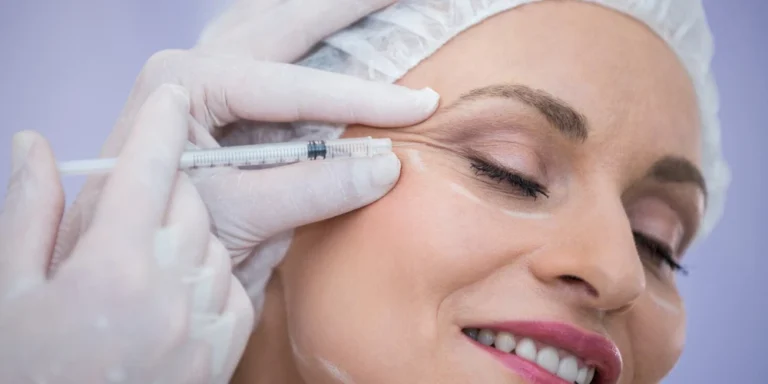
The prepared plasma is delivered to the target area through many small points using a PRP needle. On the scalp, these points are planned to fall around the hair roots. On the skin, the layer close to the surface is targeted and the dose is adjusted accordingly. The distribution of the points is important for an even application.
Because the needles are very fine, what you usually feel is a slight prick. If desired, a superficial numbing cream can be applied beforehand to increase comfort. The procedure is completed in a few minutes and leaves no lasting mark on the area. This step is the shortest but most critical part of the process.
Which Devices Are Used in PRP Treatment?
The most essential tool in the procedure is the centrifuge, which separates the blood into its layers. Sterile tubes and single-use needles are also part of the process. The quality of the materials used affects the yield of the plasma obtained. That is why the equipment is expected to meet the relevant standards.
Different kits can prepare plasma at different concentrations. Which kit is preferred depends on the treatment area and the goal. This choice is made by the doctor for the sake of consistent results. The right equipment is a prerequisite for a safe and effective treatment.
What to Pay Attention to After the Procedure
It is recommended not to massage the area during the first few hours after the procedure. Avoiding intense exercise, saunas and direct sunlight on the same day is advisable. Mild redness goes away on its own within a few hours. These simple precautions help the plasma stay in the desired area.
Afterward, you can comfortably return to your daily routine; no recovery period is required. To see in detail what the method offers, you can look at what PRP is used for in our content. The recommendations usually apply only to the first day. No additional restrictions are needed on the following days.
How Long Does the Process Take?
From the blood draw to the injection, the whole procedure usually takes between thirty and forty-five minutes. This time may vary slightly depending on the number of areas planned. Most of the waiting time is spent preparing the plasma. The treatment itself takes only a few minutes.
For this reason, the procedure can easily be scheduled even on a busy day. There is no need to set aside a long time before or after the appointment. For scientific publications on the procedure protocols, you can look at the preparatory studies in this field. These sources help you become more familiar with the standards of the process.
Is the Procedure Safe?
Because it is based on the person’s own blood, the safety profile is generally favorable. Short-lived redness or a small bruise may appear at the injection points. These effects subside on their own within a few days. Serious complications are quite rare.
Unexpected situations arise only under non-sterile conditions or with unsuitable candidates. That is why it is important for the procedure to be performed by an experienced doctor in a suitable environment. The right conditions determine both the result and safety. When these conditions are met, the method can be chosen with confidence.
Contact Us
Contact Us Now for Free Consultation and Appointment!
Is There Pain During PRP?
Because very fine needles are used, what you feel is usually a brief prick. Pain thresholds vary from person to person, so the sensation is not the same for everyone. If desired, a superficial numbing cream can be applied beforehand to increase comfort. As a result, the procedure is completed comfortably for most people.
A slight tenderness may remain in the area after the injection. This feeling usually goes away on its own within a few hours. No marked pain or lingering discomfort is expected. In this respect, the procedure offers an experience that does not disrupt daily life.
How Does the First Week After PRP Go?
In the first days, mild redness or a small bruise may appear in the area. This is a temporary condition that subsides on its own within a few days. On the first day, it is recommended to avoid heavy exercise, saunas and steam baths. After that, you return to your daily routine without restrictions.
It would not be right to expect a visibly large change in the first week. This is because the effect of the method emerges gradually over weeks. What needs to be done during this period is to follow the recommendations and be patient. As the process continues, the result is expected to settle.
PRP Procedure Timeline Table
The table below summarizes the main steps of the process and their estimated durations.
| Step | Approximate Duration |
|---|---|
| Evaluation | 5-10 minutes |
| Blood draw | A few minutes |
| Centrifugation | A few minutes |
| Injection | A few minutes |
| Total | 30-45 minutes |
For other related topics, you can browse our category hair loss .
If you would like to clarify how PRP is done in your own case, you can work this out together with Medlook Private Clinic you can contact. The process begins with a detailed examination.
Author: Dr. Handan Yavuz, Medical Aesthetics Specialist. This content has been prepared to answer patient questions about the treatment process step by step.
Frequently Asked Questions (FAQ)
How long does the procedure take?
From the blood draw to the injection, the whole process usually takes between half an hour and forty-five minutes. The treatment itself takes only a few minutes; most of the time is spent on preparing the plasma.
How much blood is drawn?
Drawing a small amount of blood from the arm is enough. This amount may vary slightly depending on the number of areas planned. The blood drawn is separated in a device and turned into plasma.
Is the treatment painful?
Because the needles are very fine, a slight prick is usually felt. If desired, a topical numbing cream can be applied beforehand. No significant pain is expected after the procedure.
Should I stop my medication beforehand?
You need to tell your doctor about any medications and supplements with a blood-thinning effect. Substances such as aspirin and fish oil can increase the risk of bruising. The decision to stop is made by your doctor.
What should I do after the treatment?
It is recommended not to massage the area for the first few hours and to avoid intense exercise on the same day. After that you can return to your daily routine; no recovery period is required.
Can I go back to work the same day?
Most people return to their daily life the same day. Mild redness fades within a few hours and no noticeable mark remains. It is enough to leave intense activity until the next day.
Can’t find your question here?Send us what you would like to know and our team will get back to you.
WhatsAppYou May Also Like
NoMor or Light Filler? 5 Differences Under the Eyes
NoMor or light filler for the under-eye area? Compare the purpose and effect of both methods, and which type of dark circle each suits, from an expert perspective.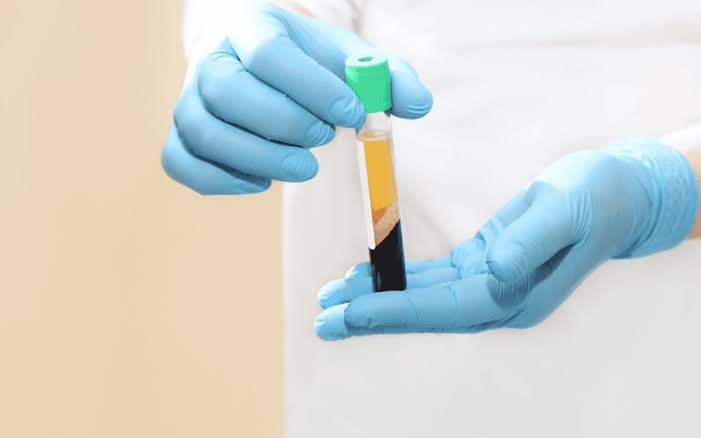
PRP Prices 2026: What Do They Depend On?
What do PRP prices depend on, and which factors determine the cost? We explain, from an expert's perspective, how the number of sessions, kit type and treatment area affect the 2026 price.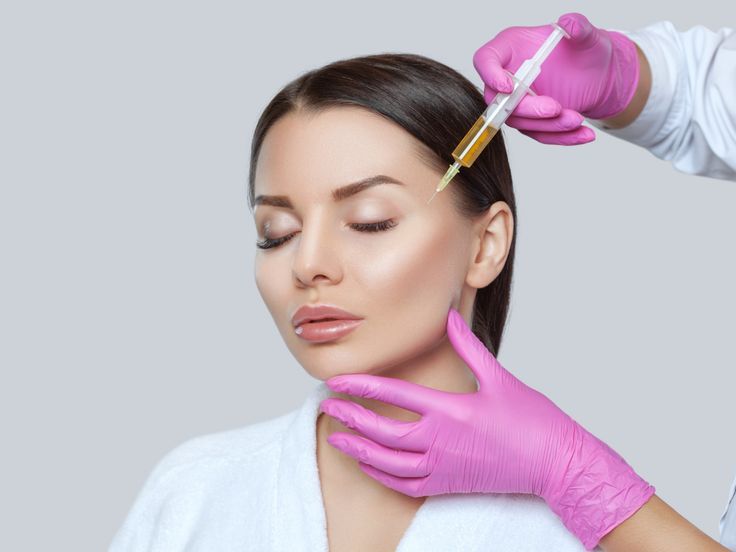
How Many Sessions of Hair PRP? Procedure and Aftercare 2026
What is hair PRP, how does it work against hair loss, and who is it for? We cover the use of plasma prepared from a person's own blood for hair.
 Turkish
 English
 German
 French
 Italian
 Russian
 Romanian