
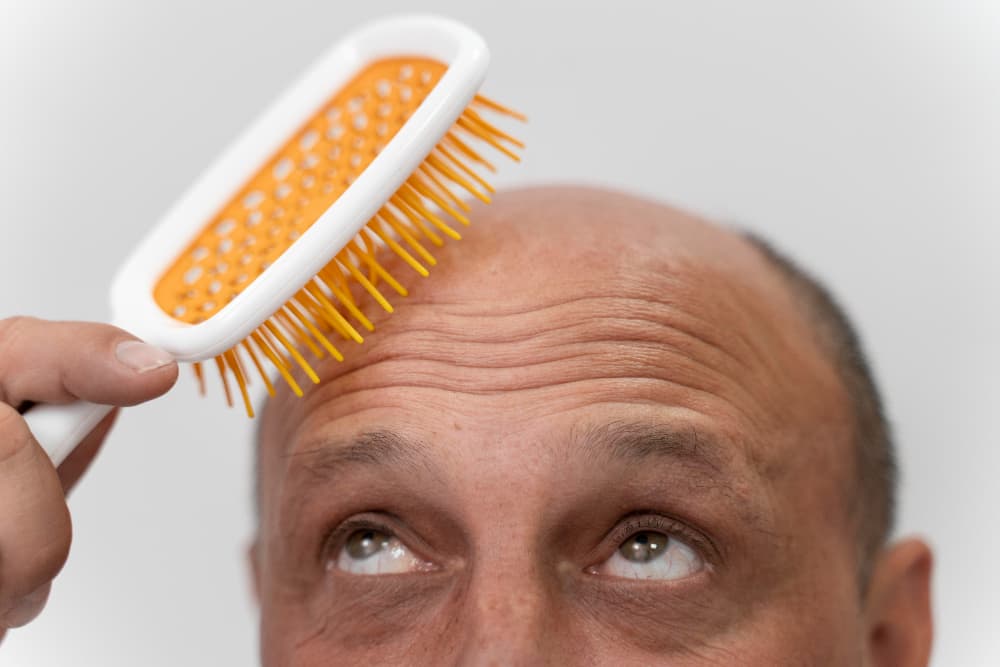
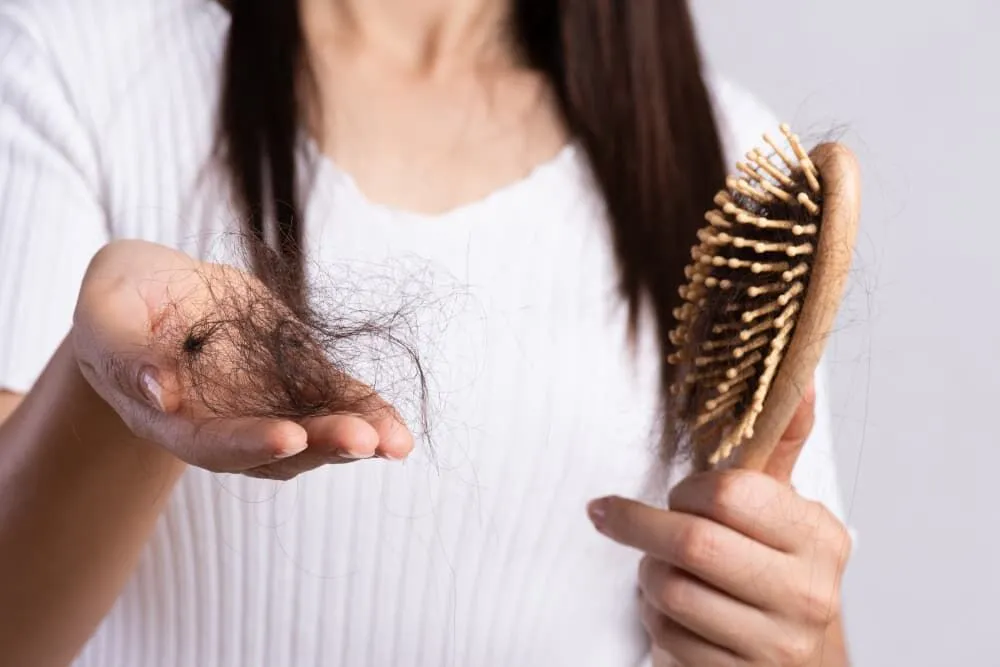
Our hair is an important part that completes both our appearance and our self-confidence. However, due to genetic reasons, our hair can fall out over time and this can be psychologically difficult for us. Fortunately, thanks to developing technology hair transplant, genetik hair loss yaşayanlar için oldukça etkili bir çözüm olarak karşımıza çıkıyor.
Featured Headlines
ToggleGenetic hair loss; Namely androgenetic alopecia, is the most common types of hair lossand can affect both men and women. This condition is usually inherited from the family is manifested as a feature of the hair follicles and is caused by the sensitivity of the hair follicles to certain hormones.
But is it possible to overcome your genetic heritage and regain your hair? Absolutely possible! With hair transplantation, genetically resistant hair follicles are transplanted to balding or thinning areas. Thus, instead of hair loss new and healthy hair on the way out, a natural look is also obtained.
What is Genetic Hair Loss?
Genetic hair loss is a common type of hair loss inherited from parents. Androgenetic Alopecia This condition, known as hair follicles dihydrotestosterone (DHT) to the hormone DHT. DHT is derived from the hormone testosterone and shrinks the hair follicles, causing the strands to weaken and eventually fall out.
This type of hair loss occurs in different ways among men and women:
Male Pattern Hair Loss
In men, it usually starts at the temples and the crown of the head. The hairline recedes and the hair on the crown becomes thinner and thinner, and may eventually become completely bald. This is usually characterized by a pattern of hair loss in the shape of the letter “M”. Male pattern hair loss, It can start at any age in the years after puberty and become more pronounced over time.
Female Pattern Hair Loss
In women, it follows a different course and does not form a distinct pattern as in men. There is usually a thinning and thinning of all hair. In women, the hairline is largely preserved, but there is a thinning that is concentrated in the crown area. This type of hair loss is characterized by menopause or may occur more frequently during periods of hormonal changes.
In both men and women genetic hair loss is permanent and will continue to progress if left untreated. However hair transplant It is possible to stop this loss and regain a healthy hair appearance with various treatment methods.
Causes of Genetic Hair Loss: Influence of Genes and Hormones
The main reason behind genetic hair loss lies in the person's hereditary structure. Genes inherited from the family, hair follicles dihydrotestosterone (DHT) to a hormone called DHT. DHT is a derivative of the hormone testosterone and triggers hair loss by causing hair follicles to shrink and weaken. Therefore, hair follicles that become sensitive to DHT become smaller and thinner over time, and eventually hair loss begins.
Each individual has a different sensitivity to DHT. In some, this sensitivity is greater and therefore hair loss can develop earlier and more rapidly. This is related not only to paternal but also maternal genes, so your family history is of great importance.
Hormones and Other Factors
In genetic hair loss, not only genetic heritage but also changes in hormone levels are decisive. Hormonal changes, In women, especially during periods of decreasing estrogen levels such as menopause, it can increase the effect of DHT on hair follicles and accelerate hair loss. In men, as age increases, the effect of DHT on hair follicles becomes stronger and hair loss may accelerate.
Not only hereditary factors affect genetic hair loss; aging, stress, nutritional deficiencies and some medical conditions can also accelerate this process. For example, iron deficiency, thyroid problems or some autoimmune diseases can cause hair loss. For these reasons, hair loss is a multifaceted process and can manifest itself differently in each individual.
In conclusion, genetic shedding is a complex condition and is caused by a combination of many factors. Genetic predisposition and hormone levels are the most important determinants of this process.
Symptoms of Genetic Hair Loss: Differences Between Men and Women
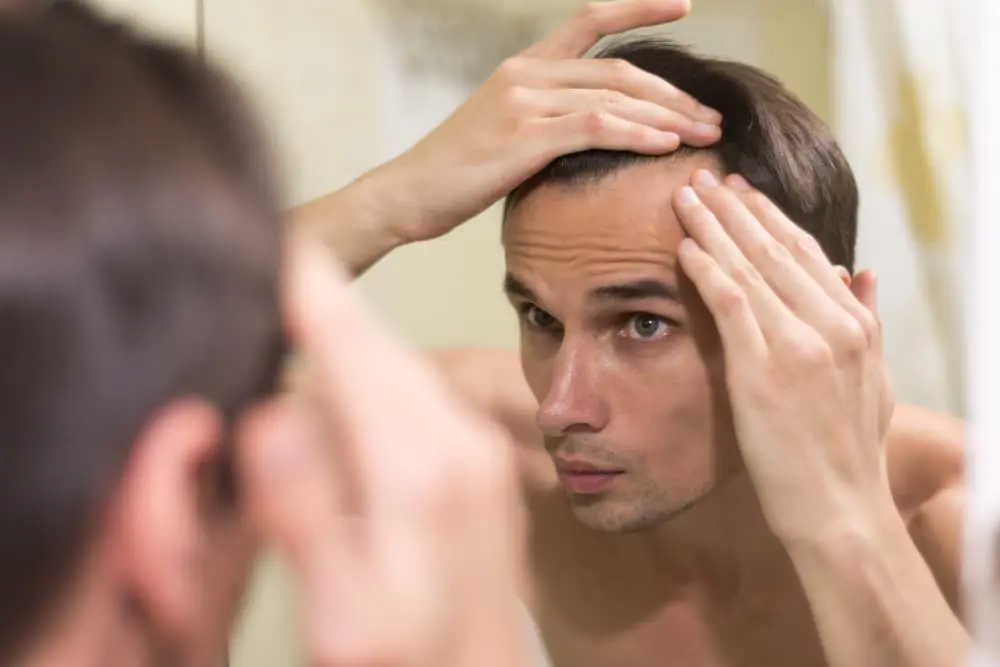
Genetic hair loss usually progresses gradually and in a distinct pattern. This condition can manifest itself with different symptoms in men and women. Understanding the symptoms is important to better manage the hair loss process and take the necessary precautions.
Symptoms in Men:
- Hairline Retraction: One of the first signs of hair loss in men is a patch on both sides of the forehead “An ”M" shaped opening is the pulling back of the hairline.
- Thinning in the Hill Region: Hair at the crown of the head is prominently thinning and thinning begins. This is, male pattern hair lossis one of the classical signs of.
- Opening at the temples: Hair loss at the temples These areas are increasingly characterized by prominent openings.
- Complete Baldness: When hair loss progresses, this process can affect the entire head, resulting in complete baldness may occur. This usually occurs in advanced stages.
Symptoms of Genetic Hair Loss in Women:
- General Hair Thinning: Hair loss is more common in women than in men and a general thinning in the form of a hair thinner and less dense. Hair becomes thinner and less dense over time.
- Widening of the Hair Parting: Hair separation (the line in the middle or side) gradually widens and more scalp becomes visible in this area. This is one of the most common symptoms of hair loss in women.
- Thinning in the Hill Region: At the crown of the head thinning and thinning occurs. This is also a common symptom of hair loss in women.
- Rare Complete Baldness: Genetically caused hair loss in women rarely results in complete baldness. It is mostly seen as thinning and thinning.
Differences in Symptoms and Rapid Intervention
Symptoms of genetic hair loss, different from person to person may vary and the rate of shedding may be variable. In some people, the process may progress very slowly, while in others it may become more pronounced more quickly.
If your hair marked thinning or shedding If you notice hair loss, it is important to consult a dermatologist or hair transplant specialist immediately. Early intervention provides a great advantage in terms of slowing down hair loss and maintaining hair health.
Effects of Genetic Hair Loss: Psychological and Social Dimensions
Genetic hair loss is not only an aesthetic loss; it is also a process that can deeply affect a person's mental and social life. The negative effects of hair loss play an important role in how a person sees and feels themselves and how they are perceived in society.
Psychological Effects
Especially when it starts at an early age, it can shake a person's self-confidence and cause various psychological problems. In society hair, youth, attractiveness and health hair loss can create the perception that these characteristics have been lost. This situation may cause lack of self-confidence, anxiety and even depression can lead to mental distress.
Psychological effects caused by hair loss They are:
- Loss of Self-Confidence: People who experience hair loss may feel less attractive and insecure because of the change in their appearance. This may cause the person to take a back seat in daily life.
- Depression: Feelings of hopelessness and worthlessness associated with hair loss can lead to long-term depression can lead to When people find it difficult to cope with this situation, they may find it difficult to enjoy life.
- Anxiety (Anxiety Disorder): The process of hair loss, especially in social environments, is a process anxiety can cause her to feel anxious. Worries about appearance are the main source of this anxiety.
- Social Phobia and Isolation: Due to hair loss, a person may feel may not feel comfortable and avoiding social situations can become lonely. In the long term, this can lead to social withdrawal and isolation.
Social Impacts
The impact of hair loss on social life cannot be underestimated. Society's standards of beauty and youth, hair loss can make it difficult for people experiencing hair loss to accept this condition and feel comfortable. People may feel more inhibited in social situations because of this change in their appearance.
Social effects of hair loss among them are the following:
- Social Isolation: People who have lost their hair, because they do not feel comfortable in society may avoid participating in social activities. This can lead to isolation and social isolation.
- Relationship Problems: The lack of self-confidence that comes with hair loss romantic and social relationships may affect negatively. This may cause disagreements and communication problems in relationships.
- Work and Career Impacts: Concerns about appearance can also have negative effects at work. Lack of self-confidence, can make it difficult for a person to move up the career ladder and affect their performance.
- Stigmatization and Discrimination: Negative perceptions of hair loss in society, individuals who experience this condition stigmatization or discrimination may cause them to suffer. This can make the person feel excluded from their social environment.
Coping with Genetic Hair Loss

Hair loss is more than just a physical condition, can significantly affect a person's quality of life is a problem. This process can be both psychologically and socially challenging.
In order to cope with hair loss, it is important for individuals to ways to provide emotional support and if necessary professional help from experts is of great importance. In this way, the negative effects of hair loss can be minimized and the quality of life can be improved.
Hair Transplantation Against Genetic Hair Loss: A Permanent Solution?
Hair loss, It can be a challenging process for many people, but today's modern medical approaches offer effective solutions to this problem. Hair transplantation, has become an increasingly popular option for those who want to reverse the effects of genetic hair loss and achieve a natural look.
Eligibility Requirements for Hair Transplantation
Hair transplantation may not be a suitable treatment for everyone and some criteria must be met for a successful operation. Determine whether you are suitable for hair transplantation you should consider the following factors:
- Amount of Hair in the Donor Area: The hair follicles used during transplantation are usually taken from the nape area. It is very important for the transplantation process that the hair follicles in this area are sufficiently dense and healthy. The presence of sufficient donor hair is the basic condition for a successful hair transplantation.
- Level of Hair Loss: Hair transplantation is suitable for areas that have reached a certain stage of hair loss and are significantly bald. However, in the case of complete baldness, the results may be limited. Therefore, before making a decision, it is important to consult a doctor whether your level of hair loss is suitable for the operation.
- General Health Status: Since hair transplantation is a surgical procedure, the general health condition of the person is also important. Some chronic diseases such as heart disease, blood clotting problems or regular medication use may complicate or prevent the operation. General health assessment before the procedure, is therefore a critical step.
To find out if you are suitable, you should consult a doctor and have a detailed analysis of your hair and skin structure. This assessment will help determine your individual treatment plan.
Results and Expectations of Hair Transplantation
With hair transplantation, you can reduce the effects of genetic hair loss and have permanent hair. Since the transplanted hair follicles are taken from areas that are genetically resistant to hair loss lasting results offers. Therefore, it is possible to regrow healthy and natural-looking hair in areas with hair loss problems.
However, there are some important points to consider after the procedure:
- Selected Hair Transplant Method: Today FUE (Follicular Unit Extraction), DHI (Direct Hair Implantation) and Sapphire FUE different hair transplantation techniques are used. Each of these methods has different advantages and disadvantages. The application process, results obtained and recovery times may vary depending on the method.
- Doctor's Experience and Expertise: The quality of the hair transplant procedure largely depends on the knowledge and skill of the doctor performing the procedure. Intervention by an experienced physician, is critical for achieving a natural and aesthetic result.
- Hair and Skin Structure: Factors such as hair thickness, color, skin structure and hair density in the donor area are factors that directly affect the success of hair transplantation. Since everyone's hair and skin structure is different, the results obtained may vary from person to person.
- Post Operative Care: Proper care after hair transplantation is very important for the hair follicles to hold on and grow in a healthy way. Proper care in the postoperative period and following the doctor's instructions, ensures a healthy healing process and increases the permanence of the results.
It is Important to Have Realistic Expectations
Hair transplantation offers a long-term and permanent solution to genetic hair loss. However, it is also important to have realistic expectations. Although the transplanted hair is resistant to hair loss, the existing hair may continue to fall over time. Therefore, it is very important to consult a doctor to get detailed information about hair transplantation and to create the most appropriate treatment plan for you.






 Turkish
  English
  German
  French
  Italian