
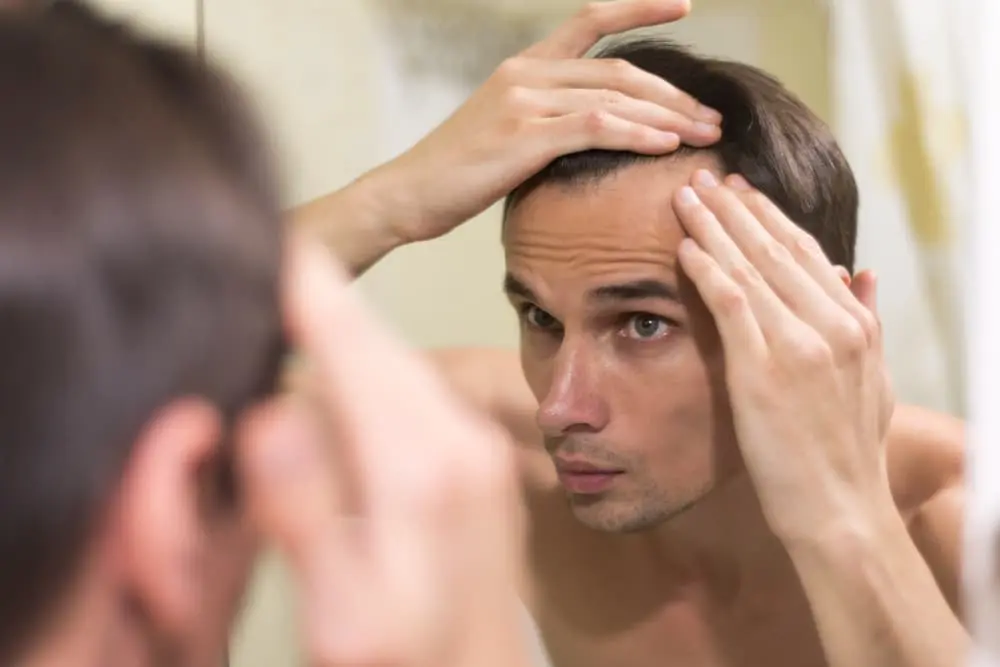
Male Pattern Hair Loss is a form of hair loss that progresses under the leadership of genetic factors and is frequently seen in men. This condition, which can start early in life, usually manifests itself as a gradual retraction of the hairline and thinning at the crown. This common condition, which affects approximately of men, can have a profound social and psychological impact on individuals.
Featured Headlines
ToggleWhile the causes of hair loss include hormonal changes, lifestyle factors and environmental factors, modern medicine offers various treatment methods to slow or stop hair loss.
In this article, we will discuss the causes, symptoms and preferred treatment methods of Male Pattern Hair Loss in detail. Together with you, we aim to help you find the most suitable solutions for yourself in terms of aesthetics and health while discovering ways to protect your hair health.
What is Male Pattern Hair Loss (Androgenetic Alopecia)?
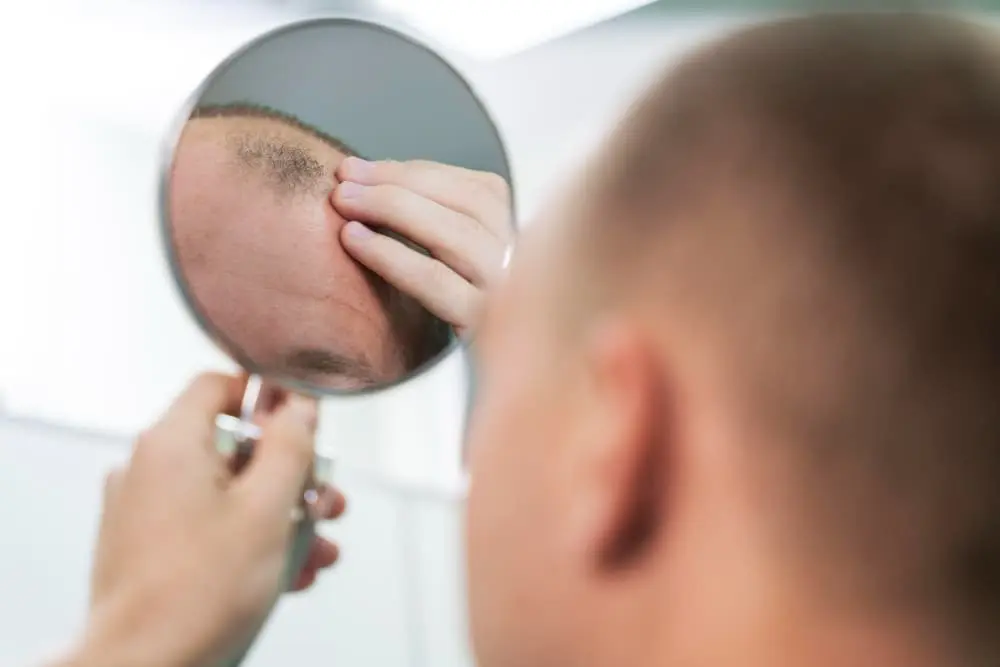
Male pattern hair loss or medically known as Androgenetic AlopeciaHair loss is a hair loss condition that is quite common among men and affects a large proportion of men worldwide, combining genetic and hormonal factors. This condition is caused by the action of the hormone dihydrotestosterone (DHT), a derivative of the hormone testosterone, on hair follicles, especially in men. The binding of DHT to the hair follicles causes them to shrink and over time, hair production decreases. As a result, the hair becomes thinner, weaker and eventually falls out.
Androgenetic Alopecia usually starts with a gradual recession of the hairline, followed by thinning of the hair on the crown. Over time, the loss of these two areas combines to form larger balding areas. In men with a genetic predisposition, this process can usually begin in their 20s or 30s and continues with advancing age.
Why Hair Loss in Men?
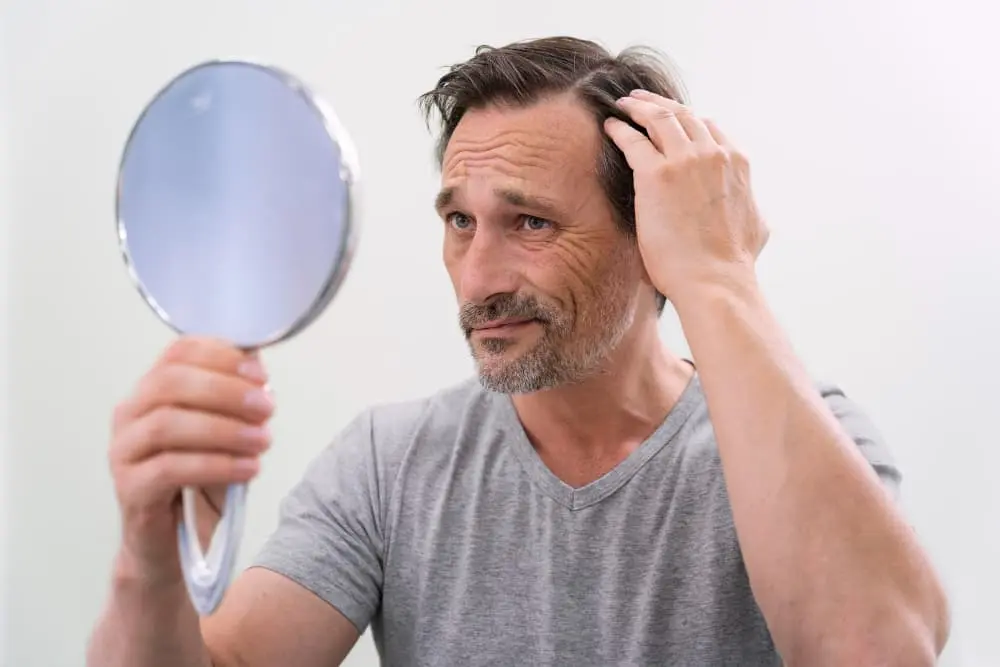
Male pattern hair loss can be caused by many different factors; but the most common causes are genetic factors, hormonal changes and the aging process. These three main factors are follicles triggers hair loss by directly affecting its health and function:
- Genetic Factors: Men's hair loss is a genetic trait that runs in families. If one or more of your family members has the condition, you are more likely to develop a similar pattern of hair loss. Genetics determine the sensitivity of hair follicles to the hormone dihydrotestosterone (DHT); the higher this sensitivity, the greater the risk of hair loss.
- Hormonal Changes: Androgen hormones, especially testosterone and dihydrotestosterone (DHT), play a key role in male pattern hair loss. Testosterone is converted to DHT in the hair follicles and this DHT shrinks the hair follicles, shortening the hair growth cycle and causing hair thinning. Hormonal imbalances or changes can accelerate this process and trigger hair loss.
- Aging and Hair Loss: As we age, hair follicles also age and gradually lose their function. The aging process also affects the natural cycle of the hair; strands become thinner, shorter and less pigmented. In addition, aging of the hair follicles and changes in overall body health can also contribute to hair loss.
These are the reasons in men plays an important role in the onset and progression of hair loss. BIndividual differences can determine how fast and how severe hair loss is. Early diagnosis and intervention are vital in managing and reducing the effects of hair loss.
Symptoms of Male Pattern Hair Loss
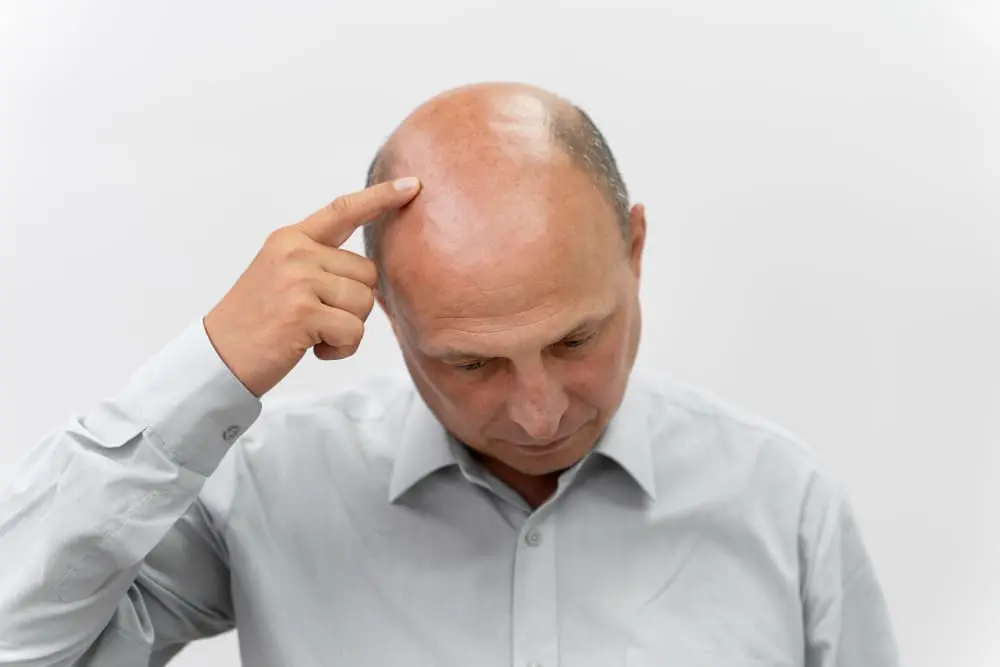
Androgenetic Alopecia The symptoms usually appear gradually and may vary from individual to individual. Symptoms may include receding hairline, thinning of the crown, thinning of existing hair and reduced hair density. Let's examine the most common symptoms together:
- Hairline Regression: For most men, the first sign of hair loss is a slow recession of the hairline on the forehead. This recession usually takes the shape of the letter "M", with the hairline receding from the temporal areas and a more pronounced recession in the frontal area. This usually begins in men in their 20s or 30s and progresses over time.
- Hair thinning in the crown area: In parallel with the recession of the hairline, hair thinning is also seen on the crown of the head. This thinning is characterized by a decrease in the density of hair on the top of the head and a more visible scalp. Thinning in the crown area is an indication that hair loss is progressing and expanding.
- General thinning of the hair: The hair strands themselves become thinner and weaker, leading to a general loss of volume. Hair loses its former thickness and fullness.
- Less Hair Density: As hair loss progresses, hair density decreases in various areas of the head. This is especially noticeable when wet or in the sun.
- Full Baldness As hair loss increases, recession of the hairline and thinning at the crown can combine to form large areas of baldness on the top of the head. This is usually seen in more advanced stages of hair loss and indicates that the hair follicles have largely lost their function. Complete baldness is more common in individuals with a genetic predisposition and those who start treatment late.
Symptoms of Male Pattern Hair Loss can cause psychological and aesthetic concerns that can affect an individual's quality of life. Being aware of these symptoms is important for early intervention and exploring appropriate treatment options.
Ways to Prevent Male Pattern Hair Loss
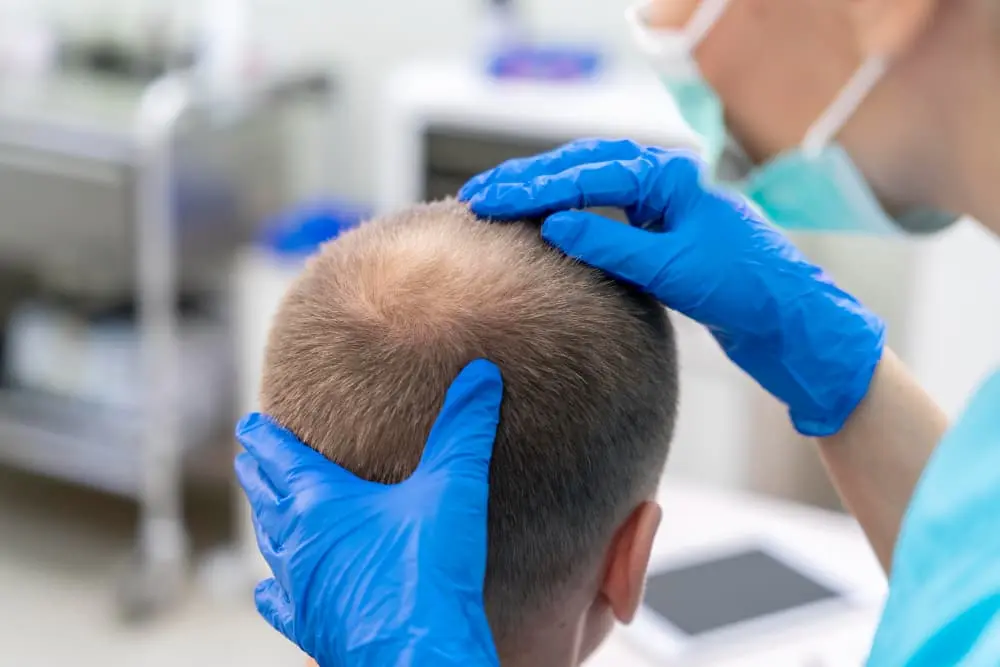
Malehair dThere are various methods that can be applied to prevent frizz. These include proper nutrition and vitamin supplements, the use of appropriate hair care products and shampoos, stress management and treatments such as scalp massage. Here are the details of these methods:
- Proper Nutrition and Vitamin Supplements: The foundation of healthy hair is a balanced and nutritious diet. Nutrients such as protein, iron, Omega-3 fatty acids, zinc and vitamins A, C, D and E are vital for hair health. In addition, vitamin B complexes such as biotin and folic acid support the natural hair growth process. To prevent hair loss, it may be helpful to consume natural foods containing these nutrients or to use vitamin supplements under the supervision of a doctor if necessary.
- Hair Care Products and Shampoos: It is important to use the right hair care products and shampoos to maintain hair and scalp health. In particular, products that are sulfate-free, deeply cleanse and moisturize the scalp, and help reduce the effects of DHT on hair follicles should be preferred. Products containing amino acids and natural oils can strengthen the hair strands and reduce the risk of breakage.
- Scalp Massage and Treatments: Regular scalp massage increases blood circulation, allowing more oxygen and nutrients to be transported to the hair follicles. This helps the hair to grow healthier. Also, laser treatments, plasma injections (PRP), mesotherapy Professional hair treatments, such as hair loss treatment, also help prevent hair loss.
- Regular Exercise and Stress Management: Physical activity improves overall blood circulation, which helps the hair follicles to receive more nutrients and oxygen. Also, regular exercise helps to lower stress levels. Stress is a major factor that can trigger hair loss, so stress management techniques can also be effective in maintaining hair health. Yoga, meditation and deep breathing techniques can help reduce stress.
These measures can help reduce the effects of male pattern hair loss and with early intervention, hair loss can be better controlled. However, it is best to consult a health professional before starting any treatment or supplementation.
How to Treat Male Pattern Hair Loss?
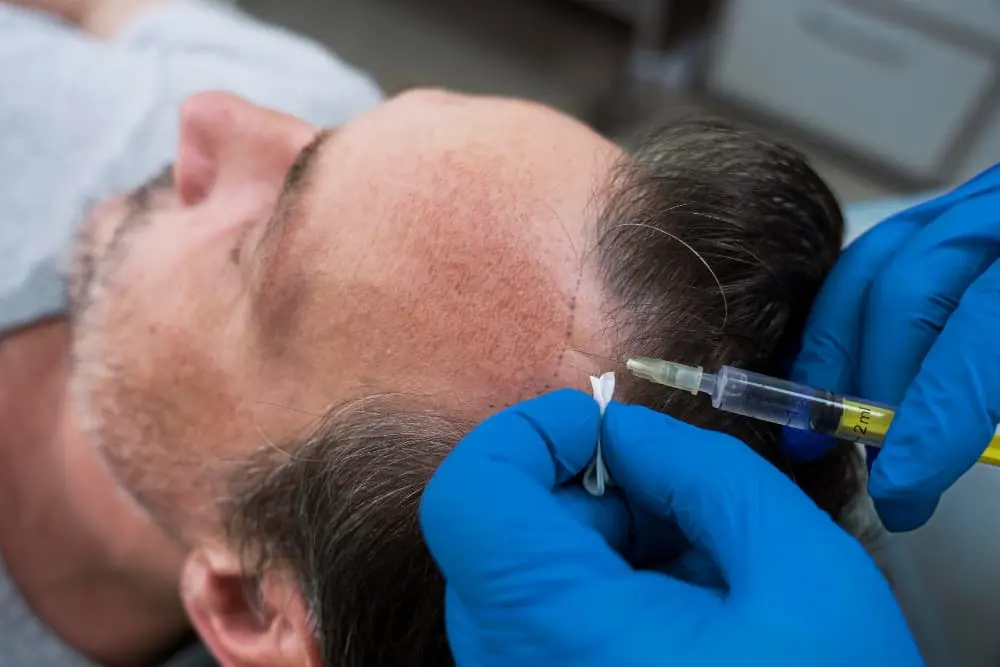
Androgenetic alopesi treatment both medicine based on solutions and clinical treatmentscovers. Medical treatments the effects of the medication after drug use is discontinueddecreased after a few minutes. Btherefore surgical methods are more precise results. Here is more information about these methods:
- Oral supportive therapies: Hair needs minerals, vitamins and certain substances to grow and maintain its structure. Deficiency of these substances in the body can cause hair to stop growing, become dull, weak and weak and fall out. Oral supportive therapies Thanks to this, the missing substances are replaced and hair growth can be supported.
- Hair Mesotherapy Hair mesotherapy, is the process of injecting vitamins, minerals, antioxidants and other nutrients into the scalp to treat hair loss. This treatment aims to slow hair loss and stimulate hair growth by nourishing the hair follicles. Hair mesotherapy is usually performed in several sessions, usually several weeks apart.
- PRP (Platelet Rich Plasma) Treatment: PRP treatment, is a process in which some of the patient's own blood is taken and platelets (platelets) are concentrated. This platelet-rich plasma is injected into the scalp to heal the hair follicles and stimulate hair growth. PRP treatment has the potential to slow the progression of hair loss and support the repair of damaged hair follicles.
- Hair Transplantation and Surgical Methods: Hair transplantation, is the process of transplanting healthy hair follicles, usually taken from the back of the head where hair is dense, into thinning or bald areas. This method provides permanent and natural-looking results. Modern hair transplant techniques between Follicular Unit Extraction (FUE) and Direct Hair Implantation (DHI) is available. These surgical interventions should be performed by a specialist physician and usually offer permanent results.
These treatments, malein the Hair offers effective options for managing hair loss. However, each treatment has potential benefits and risks, so it is important to talk to a healthcare professional and determine a treatment plan that is appropriate for your personal health condition.
Natural Remedies for Male Pattern Hair Loss

Biberiye oil, argan oil, etc. and use other nourishing oils, male Type. good for hair loss. Also, koffer popular options for those looking for chemical-free alternatives. Here are some suggestions for these natural solutions:
- Rosemary Oil Rosemary oil can prevent male pattern hair loss by reducing the effects of the hormone DHT (Dihydrotestosterone) on hair follicles.
- Coconut Oil When massaged into the scalp, coconut oil moisturizes the hair and strengthens the strands, preventing protein loss.
- Argan Oil Known for its rich vitamin E content, argan oil repairs dry and damaged hair and promotes healthy hair growth.
- Jojoba Oil It deeply moisturizes the scalp and nourishes the hair follicles, which helps reduce hair loss.
- Tea Tree Oil: Thanks to its antifungal and antibacterial properties, it treats dandruff and scalp problems and prevents clogging of hair follicles.
- Garlic and Onion Juice: Garlic and onion juice stimulates hair growth thanks to its sulfur content. When applied to the scalp several times a week, it can reduce hair loss.
- Aloe Vera: Aloe vera gel soothes the scalp and helps reduce hair loss by balancing sebum production. It can be applied regularly to the scalp.
- Green Tea Rich in antioxidants, green tea strengthens hair follicles and slows hair loss. A hair wash with chilled green tea can be applied several times a week.
- Egg Mask Known for its high protein content, eggs nourish and strengthen hair. Once or twice a week, beat an egg and apply it to your hair and scalp, then wash with warm water.
- A mixture of honey and olive oil: The moisturizing properties of honey and the nourishing effects of olive oil are ideal for hair health. This blend deeply moisturizes the hair and reduces the risk of breakage.
These are natural methods, Androgenetic Alopecia simple and effective solutions for hair loss. However, for serious hair loss problems, it is best to consult a specialist. Also, allergy testing is important before starting any new treatment.
Misconceptions About Hair Loss in Men
Male pattern hair losswith There are many misconceptions and information pollution. Below we have organized a few of these misconceptions for you. Here are some common myths and facts:
1.Hats Cause Hair Loss
There is no evidence that hats directly cause hair loss. However, hats that are too tight can put pressure on the hair follicles, causing the hair to pull and break, which can lead to hair weakening. However, this effect is mechanical damage rather than general hair loss.
2. Only older men lose hair
Male pattern hair loss can start at any age, usually becoming apparent in the 20s or 30s. Genetic factors largely determine when this process begins.
3. Frequent Hair Washing Increases Hair Loss
Washing your hair regularly does not increase hair loss. In fact, keeping the hair and scalp clean prevents hair follicles from clogging and promotes healthy hair growth. However, too harsh shampoos and hot water can dry the hair and make it brittle. However, hwash hair every other dayof, It is also important to remember that contrary to popular belief, it will cause your hair to become more oily. You can choose to wash your hair 2-3 times a week.
4. Hair Loss Only Runs in Your Mother's Family (Uncle)
The genetic transmission of male pattern hair loss can run in both maternal and paternal families. It is a complex trait determined by the interaction of many genes.
5. It is Possible to Stop Hair Loss Completely
There is currently no treatment to stop hair loss completely, but available treatments can slow hair loss and encourage hair regrowth. Treatment options vary from person to person and their effects depend on personal factors.
These myths and facts can help you make more informed decisions about male pattern hair loss and enable you to take appropriate steps to protect your hair health. If you are concerned about hair loss, it is best to consult a specialist physician.
Frequently Asked Questions (FAQ)
Although male pattern hair loss varies greatly between individuals, it can often start at an early age and becomes more pronounced in later years. Here are the most frequently asked questions and answers about hair loss in men:
Other Articles

Saç Dökülmesine İyi Gelen Yağlar: 5 Öneri 2026
Saç Dökülmesi Hangi Doktora Gidilir? 2026 Rehberi
Çocuklarda Saç Dökülmesi Nedenleri 2026 Rehberi
Kadınlarda Saç Dökülmesi Neden Olur? 2026 Rehberi





 Turkish
  English
  German
  French
  Italian