
Will Hair Lost Due to Stress Grow Back? Treatment and Support Methods
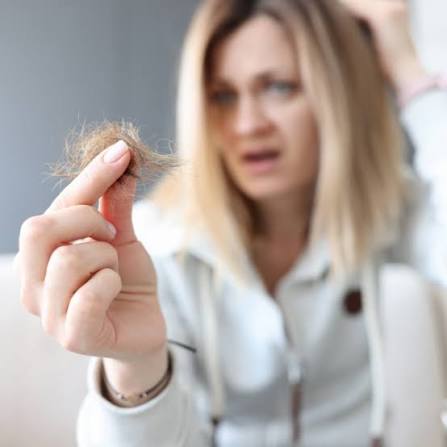
Our bodies are like an incredibly transparent mirror reflecting the emotional and physical traumas we experience. Intense pressures at work, a sudden loss, a severe illness (which was very common after COVID-19 during the pandemic), or deep anxiety—these take a toll on your biology just as much as they do on your spirit. A common concern among many patients who come to our clinic is hair loss by the handful. Our patients say, “My father isn’t bald; my genetics are good, but…” Will hair lost due to stress grow back?”..." they say, expressing their concerns.
Featured Headlines
ToggleThis is precisely where Medlook Clinic’s philosophy of “Health on the Inside, Beauty on the Outside” comes into play. We view hair not merely as a substance on the surface of the skin, but as an integral part of systemic health (longevity).
How Does Stress-Related Hair Loss (Telogen Effluvium) Occur?
Unlike losses caused by genetic factors (For details: What causes hair loss in men?), stress-related hair loss in medicine Telogen Effluvium It is called [name] and its mechanism is very different.
Saçlarımızın %85-90’ı sürekli uzama (Anagen) evresindeyken, geri kalanı uyku/dökülme (Telogen) evresindedir. Vücut ani ve ağır bir stresi “hayatı tehdit eden bir şok” olarak algılar. Hayatta kalma içgüdüsüyle, enerjiyi hayati organlara (kalp, beyin, akciğer) yönlendirir. Saç yapımı hayati olmadığı için vücut anında “şalteri indirir” ve büyümekte olan binlerce saç kökünü bir anda uyku/ölüm (Telogen) evresine iter.
Usually 2 to 4 months after a stressful event, the hair that had been in a dormant phase suddenly begins to fall out in clumps—in the shower or on the pillow.
Is Stress-Induced Hair Loss Permanent?
Let's get right to the good news: Yes, hair lost due to stress will grow back. In genetic (androgenetic) hair loss, the hair follicle shrinks and eventually dies, whereas in stress-related hair loss, the hair follicle remains perfectly healthy beneath the skin; it has simply gone into a “deep hibernation.” Once the stress factor is eliminated and the body regains its balance, the hair gradually begins to grow back on its own over the course of several months.
However, since this process can take anywhere from 6 months to 1 year, it causes the person to experience “greater stress” due to their reflection in the mirror, leading to chronic hair loss. This is where our clinic steps in to accelerate the “recovery process” much earlier with medical support.
| Support Method | What Does It Offer? | Mechanism of Action |
|---|---|---|
| Ozone Therapy | It relieves systemic stress and balances the immune system. | It maximizes the oxygen (energy) in the blood. (See: ozone therapy benefits) |
| PRP and Mesotherapy | It electrochemically stimulates dormant hair follicles. | It sends the command “Wake up and grow” to the roots beneath the skin. (Hair Mesotherapy in Istanbul) |
| IV Vitamin Therapy | It fully replenishes depleted vitamin and mineral stores. | It instantly replenishes the B12, zinc, and vitamin D depleted by stress. |
Remember: According to the World Health Organization (WHO), health is not merely the absence of disease, but a state of complete physical, mental, and social well-being. Managing stress is the first step to saving your hair.
At Medlook, every treatment plan is tailored to the individual following a detailed blood analysis and trichoscopy examination. Contact us to find out the real cause of your hair loss and begin treatment. you can contact.
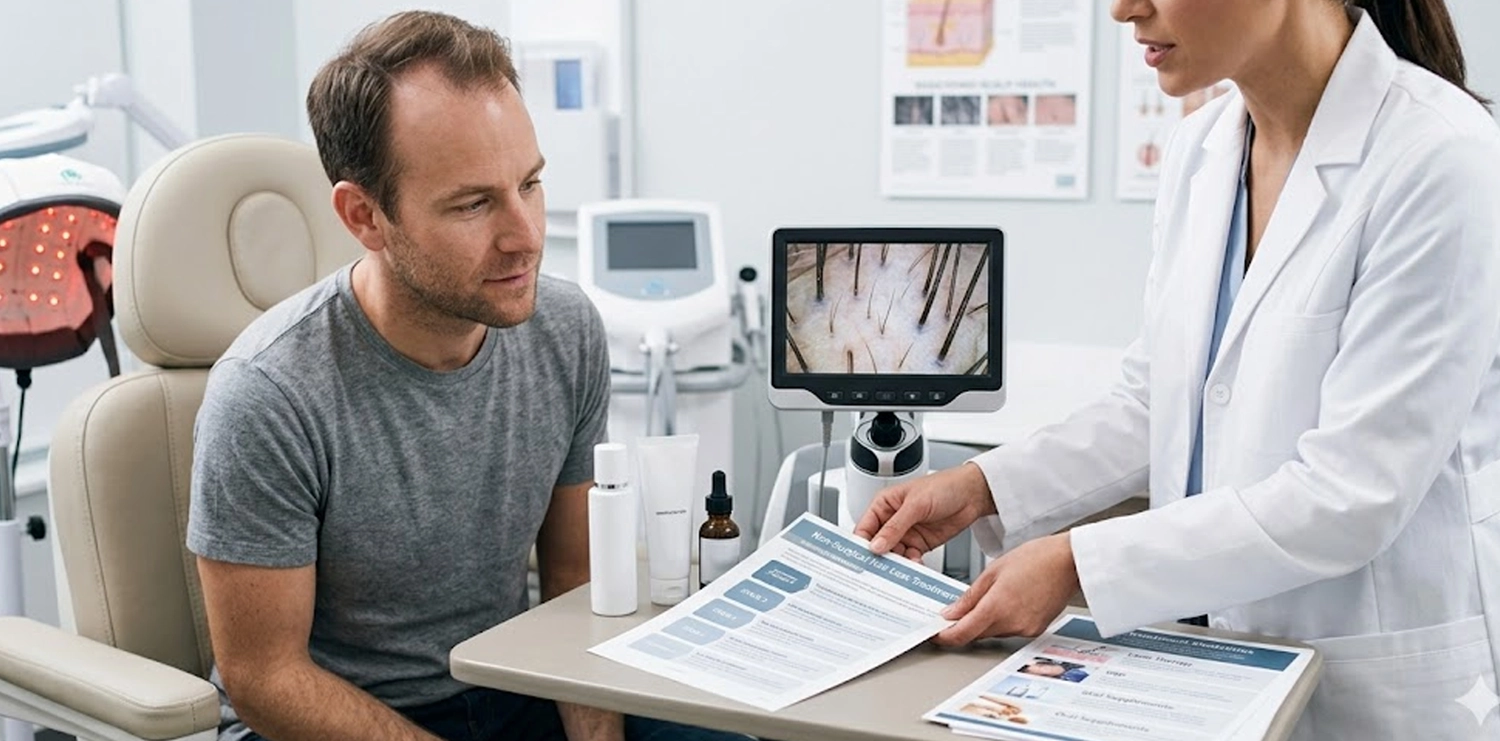
Stress-Related Hair Loss: What Is Telogen Effluvium?
The acute or chronic stress we experience in daily life directly affects not only our mood but also the life cycle of our hair follicles. In medicine Telogen Effluvium Stress-induced hair loss, as it is known, occurs when hair strands prematurely complete their growth phase (anagen) and enter the resting and shedding phase (telogen) all at once.
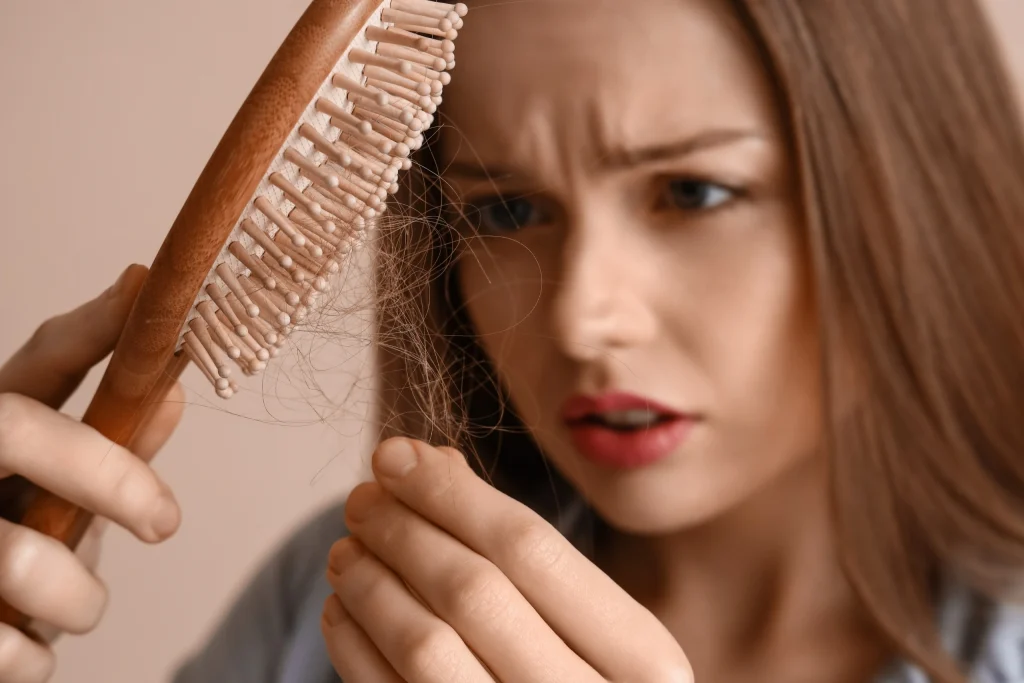
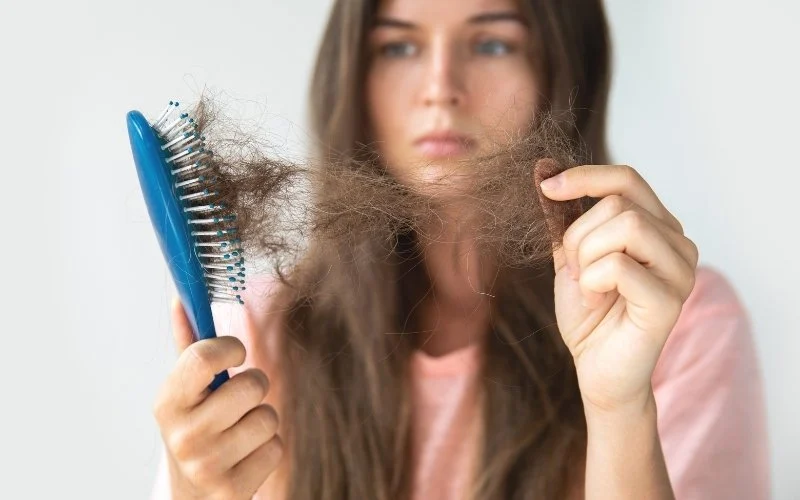
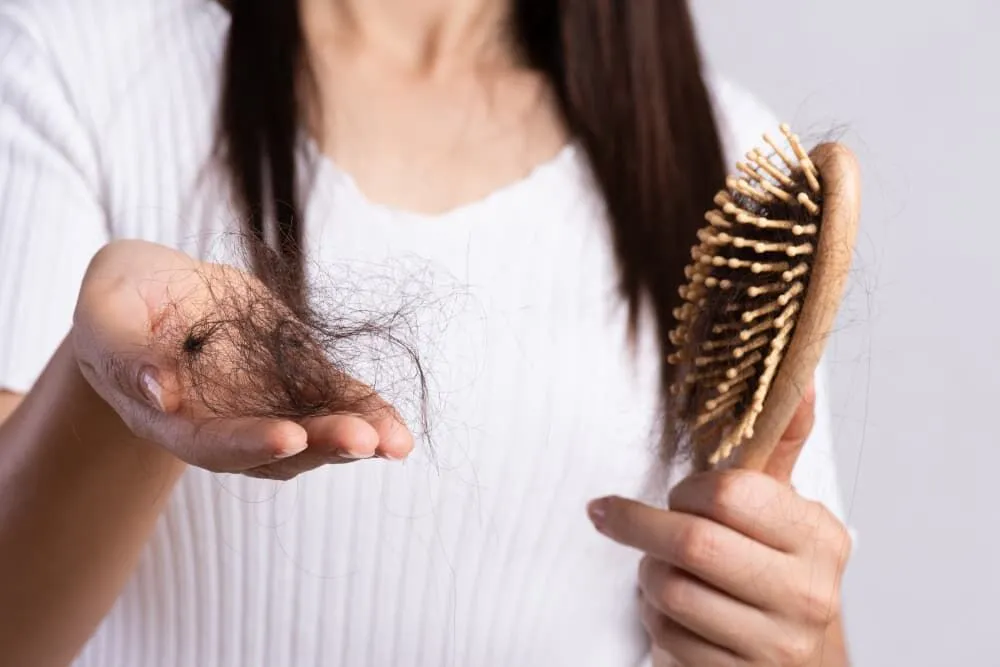
Normal şartlarda saçlarımızın %85-90’ı büyüme evresindeyken, yoğun stres durumunda bu oran dramatik şekilde düşebilir ve saçların %30’undan fazlası aynı anda telojen faza geçerek dökülmeye başlar. Bu dökülme genellikle stresli olaydan (örneğin ağır bir hastalık, ameliyat, yas dönemi veya yoğun iş stresi) 2 ila 4 ay sonra fark edilir. Saçların taranırken veya yıkanırken avuç avuç dökülmesi hastada yeni bir stres kaynağı yaratarak dökülme kısır döngüsünü tetikleyebilir.
Will Hair Lost Due to Stress Grow Back? Ways to Regain Hair Lost to Stress
The good news is this: In cases of stress-related hair loss, the hair follicles do not die; they simply enter a dormant phase. Once the source of stress is eliminated and the scalp is properly nourished, the lost hair usually grows back completely within 6–9 months. To speed up this process and strengthen the new hair strands, take the following steps:
- Lowering Cortisol Levels: Regular sleep, light exercise, and stress management help restore hormonal balance.
- Hair Mesotherapy Treatment By directly injecting the vitamins, amino acids, and minerals that hair follicles need, it quickly awakens follicles in the resting phase and transitions them into the growth phase.
- PRP (Platelet-Rich Plasma): Growth factors derived from a person's own blood repair weakened hair follicles and thicken hair strands.
Differences Between Acute Telogen Effluvium and Chronic Hair Loss
Accurately identifying the type of hair loss is critical to the success of the treatment. There are clear differences between stress-induced temporary hair loss (Telogen Effluvium) and genetic or other forms of chronic hair loss:
- Shedding Period: Acute Telogen Effluvium typically lasts less than 6 months and stops on its own once the stressor subsides. If hair loss persists for longer than 6 months, this may indicate “Chronic Telogen Effluvium” or be a sign of genetic hair loss.
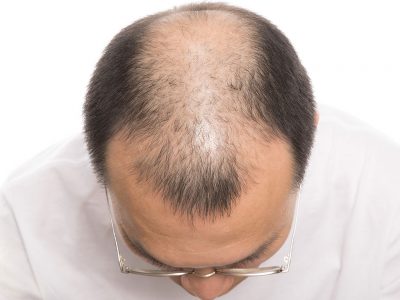
- Spill Pattern: While genetic hair loss (male-pattern baldness) typically results in localized thinning at the temples and crown, stress-related hair loss leads to uniform thinning throughout the scalp (diffuse). The hairline generally does not recede.
- Medical Diagnostic Methods: Thanks to the hair pull test and dermatoscopic hair analysis (trichoscopy) performed at our clinic, our specialist physician can clearly diagnose whether the hair loss is temporary stress-related hair loss or permanent hereditary hair loss.
The Role of Scalp Health in Stress-Related Hair Loss and Care Recommendations
During the process of stress-induced hair loss, nourishing and protecting the scalp (much like healthy soil) is vital. Stress can lead to dryness, dandruff, itching, and an imbalance in sebum (oil) production on the scalp. This makes it difficult for hair follicles to “breathe” and delays the growth of new hair strands. During treatment, pH-balanced, sulfate-free shampoos specifically formulated to soothe the scalp should be used. Gentle massages of the scalp with your fingertips help stimulate the follicles by increasing blood circulation in that area. Additionally, nourishing serums applied to the scalp also support new hair growth.
The Role of Nutrition and Supplements in Stress-Related Hair Loss
When the body is under stress, it directs all its nutrient resources to vital organs to protect them and prioritizes nourishing these areas over tissues that are not of vital importance, such as hair. For this reason, people experiencing stress-related hair loss need to pay extra attention to their diet. Maintaining full iron stores and ensuring adequate intake of hair-friendly vitamins—such as zinc, vitamin D, omega-3, and especially biotin (vitamin B7)—helps hair follicles “wake up” from dormancy more quickly. At our clinic, we prepare personalized nutrition and supplement plans based on our patients’ blood test results to support the growth of new, much thicker and stronger hair strands to replace the lost ones.
For our patients experiencing temporary stress-related hair loss, maintaining high morale and motivation directly accelerates the recovery process. Knowing that new hair will grow to replace the lost strands reduces the patient’s stress burden. At Medlook Nişantaşı, we help you get through this process as comfortably and quickly as possible with professional clinical treatments that optimize the health of your scalp. It’s important to remember that telogen effluvium is a temporary condition, and with proper scalp care, your hair can fully regain its former volume.
Contact Us
Contact Us Now for Free Consultation and Appointment!
Frequently Asked Questions (FAQ)
Genetic hair loss is slow, gradual, and develops over the course of years (usually only on the crown and temples). Stress-related hair loss, on the other hand, is 'acute”; it develops very quickly, and hair falls out in clumps in equal amounts not just from the crown but from all over the head (including the back and sides).
Oral vitamin supplements taken without proper guidance have low absorption rates, and most are broken down in the liver or stomach. Furthermore, if hair loss is caused by a thyroid or iron deficiency, simply taking biotin won’t help at all. The root cause must first be identified through a blood test.
If the stressor is removed from your life, the hair follicles enter the Anagen (Growth) phase. Hair grows an average of 1–1.5 cm per month. It takes an average of 3 to 5 months before you notice a visible increase in volume and start to see small 'baby hairs.'.




 Turkish
  English
  German
  French
  Italian