

What Causes Hair Loss in Children and What Should Be Done?
 Dr. Handan YavuzUpdated 6 min read
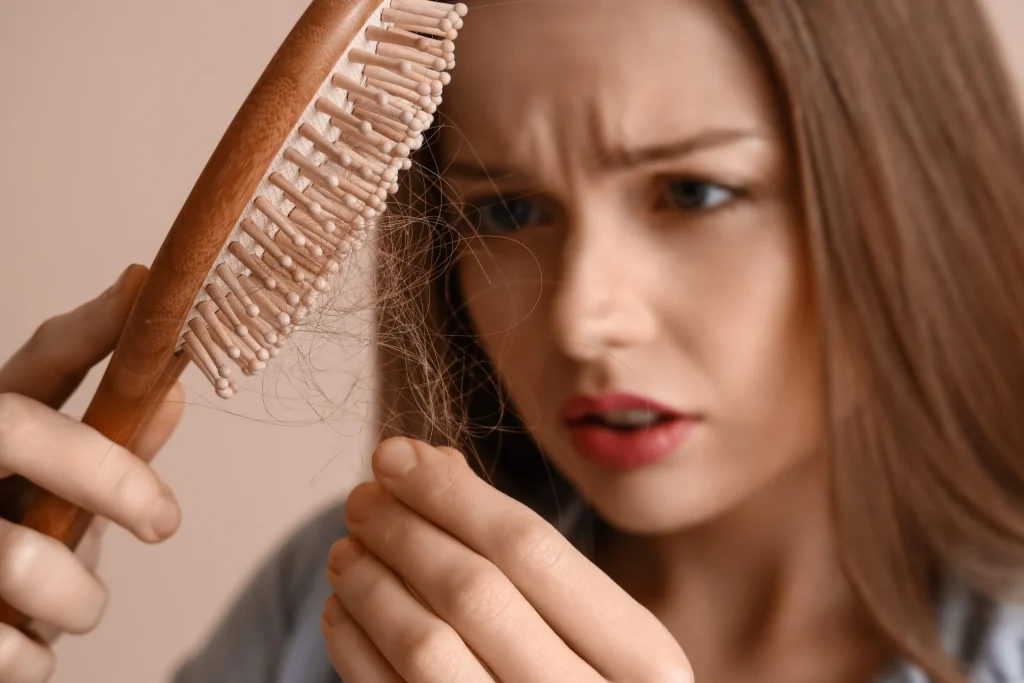
A bare patch on a child's scalp or more strands on the pillow rightly worry parents. Hair loss in children has different causes from adults and often has a treatable basis. Scalp ringworm, immune-related conditions and hair-pulling habits are the most common topics encountered.
The good news is that most of these causes can be managed quickly with the right diagnosis. In this article, we cover the main causes of hair loss in children, which symptoms should be taken seriously and which doctor to see. For a definitive diagnosis and treatment decision, a doctor must always be consulted.
Highlights
- Hair loss in children differs from that in adults; the genetic type is very rare at this age.
- Most childhood hair loss, about 50% of it, is associated with scalp ringworm.
- The hair-pulling habit is a behavioral cause that leads to loss in irregular, limited areas.
- Alopecia areata is an immune-related condition that shows up as limited, round bald patches.
- Hair loss accompanied by sores, redness and scaling should be shown to a doctor without waiting.
What Causes Hair Loss in Children?
Unlike the genetic type seen in adults, hair loss in children is mostly due to external factors and immune conditions. The most common causes are scalp ringworm, alopecia areata and the hair-pulling habit. In addition, febrile illnesses and nutritional deficiencies can also cause temporary hair loss.
Permanent thinning is rare at this age; most causes resolve with the right diagnosis. What matters is reading the pattern of hair loss and the accompanying symptoms correctly. A definitive distinction can only be made through a doctor's examination.
How Can Scalp Ringworm Be Recognized?
Scalp ringworm is one of the most common causes of hair loss in children and can be contagious. It is usually seen with scaling, itching and broken strands in limited areas. The area becomes more noticeable over time and can spread if left untreated.
This condition can be treated with appropriate medications, but the diagnosis must be made by a doctor. Trying creams on your own often delays the outcome. Early treatment protects both the child and those around them.
What Is Alopecia Areata in Children?
Alopecia areata is a condition that occurs when the immune system targets the hair follicles. It usually starts as limited, round and smooth bald patches. Redness or scaling is generally not seen in the affected area.
The course of this condition varies; in some children the hair grows back on its own, while in others it can recur. Treatment options are determined by a doctor's assessment. Early diagnosis ensures the process is managed correctly.
When Does the Hair-Pulling Habit Occur?
Hair pulling is a behavioral cause in which a child pulls out their own hair, either deliberately or without realizing it. It usually shows up as irregular, limited areas with broken strands of different lengths. Stress, distress or habit can trigger this behavior.
This situation often calls for understanding and support, not punishment. Addressing the underlying anxiety frequently reduces the behavior. Seeking help from a specialist when needed makes the process easier.
Does Vitamin Deficiency in Children Play a Role?
In children, vitamin deficiency, especially low iron and zinc, can pave the way for hair loss. These gaps are more common in children with unbalanced and selective diets. When the deficiency is corrected, this type of hair loss usually resolves.
However, the decision to give supplements should be based on tests, not guesswork. Uncontrolled vitamin use is especially risky in children. The right dose and need must always be determined by a physician.
Does Telogen Effluvium Occur in Children?
Telogen effluvium is a diffuse type of hair loss that occurs when a large number of hairs enter the resting phase at the same time. In children, it usually appears a few months after a febrile illness, surgery or intense stress. The loss spreads across the whole scalp and no limited bald patch forms.
This picture is mostly temporary and resolves on its own once the trigger has passed. Recovery can take a few months. During this time, understanding the trigger is more helpful than panicking.
Can Tight Updos and Hairstyles Cause Damage?
Very tight braids, ponytails and taut updo styles put constant tension on the hair root. Over time, this tension can lead to thinning along the hairline. Using the same tight style for a long period especially raises the risk.
Loose styles and gentle brushing prevent this kind of loss. Not brushing wet hair roughly also reduces breakage. A simple change of hairstyle is often enough to protect against this cause.
Is Hair Loss in Newborns Normal?
Hair loss seen in the first months of a baby's life is very common and completely normal. The fine hairs present at birth fall out and are replaced by permanent hair. In addition, babies who sleep on their backs may show thinning at the nape caused by friction.
These situations resolve on their own and do not require treatment. As the baby grows, hair density naturally increases. Even so, if there is widespread and ongoing hair loss, it is advisable to consult a doctor.
When Should Symptoms Be Taken Seriously?
Hair loss accompanied by redness, scaling, sores or itching should be shown to a doctor without delay. Rapidly spreading bald patches and recurring episodes of loss also require evaluation. This is even more important if there is any change in the child's general health.
Those curious about the general picture can look at our What Causes Hair Loss? article. For scientific sources, the publications on hair loss in children you can examine.
Which Doctor Should You See?
For hair loss in children, the first stop is usually a dermatologist. Evaluating the scalp and hair disorders falls within the scope of this field. When necessary, the dermatologist works together with the pediatrician and other departments.
Choosing the right department speeds up diagnosis. If you are unsure which specialist to see, consulting a center experienced in hair issues can point you in the right direction. For most causes, seeking help early makes the process easier to manage.
How Is Treatment Planned?
Treatment varies entirely depending on the cause, so the correct diagnosis is needed first. Medication for fungal infection, different approaches for immune-related conditions, and support for behavioral causes come to the fore. A method that does not suit the cause will not produce results.
We explain in detail which doctor to see for hair loss in our which doctor to see for hair loss article. In children, treatment must always be carried out under a physician's supervision. Parents' patience and accurate knowledge are the most important support in the process.
Contact Us
Contact Us Now for Free Consultation and Appointment!
What to Watch For at Home?
Gently brushing the child's hair, avoiding tight hairstyles and keeping the scalp clean are the basic measures. A balanced diet should be supported with foods rich in iron and zinc. Sharing combs and hats should be limited in cases of contagious conditions.
These measures are not a substitute for treatment, but they support the process. If symptoms persist or spread, a doctor should be consulted. An early and correct step produces a positive outcome in most children.
What to Watch For During the School Years?
In school-age children, sharing combs, hats and towels can make contagious scalp problems easier to spread. That is why it is important to keep personal care items separate. In addition, intense stress, such as during exam periods, can trigger temporary hair loss in some children. During these periods, it is helpful to look after the child's overall well-being.
In this age group, when eating habits become irregular, foods rich in iron and zinc must not be neglected. Excessively selective eating can lead to deficiencies that show up in the hair. With the cooperation of teachers and family, behavioral causes can be noticed earlier. Early observation makes the process easier to manage.
Summary of Causes of Hair Loss in Children
The table below briefly summarizes the common causes of hair loss in children.
| Why? | Typical Appearance | Accompanying Signs | Approach |
|---|---|---|---|
| Scalp fungal infection | Limited, broken hairs | Scaling, itching | Medication |
| Alopecia areata | Round bald patch | Usually none | Physician evaluation |
| Hair pulling | Irregular areas | Stress, habit | Behavioral support |
| Telogen effluvium | Diffuse loss | Previous illness | Removing the trigger |
Those who want to see all the causes in one place can browse the content in our hair loss category. A definitive distinction becomes clear only through an examination.
An evaluation is carried out at Medlook Private Clinic to determine the right step for your child's hair health. For any questions, you can you can contact.
Author: Dr. Handan Yavuz, Medical Aesthetics Specialist. This content has been prepared to answer the questions of parents who are curious about hair loss in children.
Frequently Asked Questions (FAQ)
Is Hair Loss in Children Dangerous?
Most causes are treatable and not dangerous. However, if there are sores, redness or rapid spread, a doctor should be consulted without waiting; a definitive diagnosis is made through examination.
Is Scalp Ringworm Contagious?
Yes, it can be contagious. That is why sharing combs and hats should be avoided, and treatment should be started early under a doctor's supervision.
Does Alopecia Areata Go Away?
Its course varies. In some children the hair grows back on its own, while in others it can recur. The approach is determined by a doctor's assessment.
My Child Pulls Out Their Hair, What Should I Do?
This behavior calls for understanding, not punishment. Addressing the underlying anxiety often helps; if it continues, seeking support from a specialist is recommended.
Is It Normal for My Baby's Hair to Fall Out?
In the first months it is very common and normal. The fine strands present at birth fall out and permanent hair replaces them; if the loss is widespread and persistent, it is appropriate to consult a doctor.
Which Doctor Should I See?
The first stop is usually a dermatologist. When necessary, the doctor works together with a pediatrician and other departments; the right department speeds up the diagnosis.
Can’t find your question here?Send us what you would like to know and our team will get back to you.
WhatsAppYou May Also Like
NoMor or Light Filler? 5 Differences Under the Eyes
NoMor or light filler for the under-eye area? Compare the purpose and effect of both methods, and which type of dark circle each suits, from an expert perspective.
PRP Prices 2026: What Do They Depend On?
What do PRP prices depend on, and which factors determine the cost? We explain, from an expert's perspective, how the number of sessions, kit type and treatment area affect the 2026 price.
How Many Sessions of Hair PRP? Procedure and Aftercare 2026
What is hair PRP, how does it work against hair loss, and who is it for? We cover the use of plasma prepared from a person's own blood for hair.
 Turkish
 English
 German
 French
 Italian