

Which Doctor Should You See for Hair Loss, and Who Should You Consult?
 Dr. Handan YavuzUpdated 6 min read
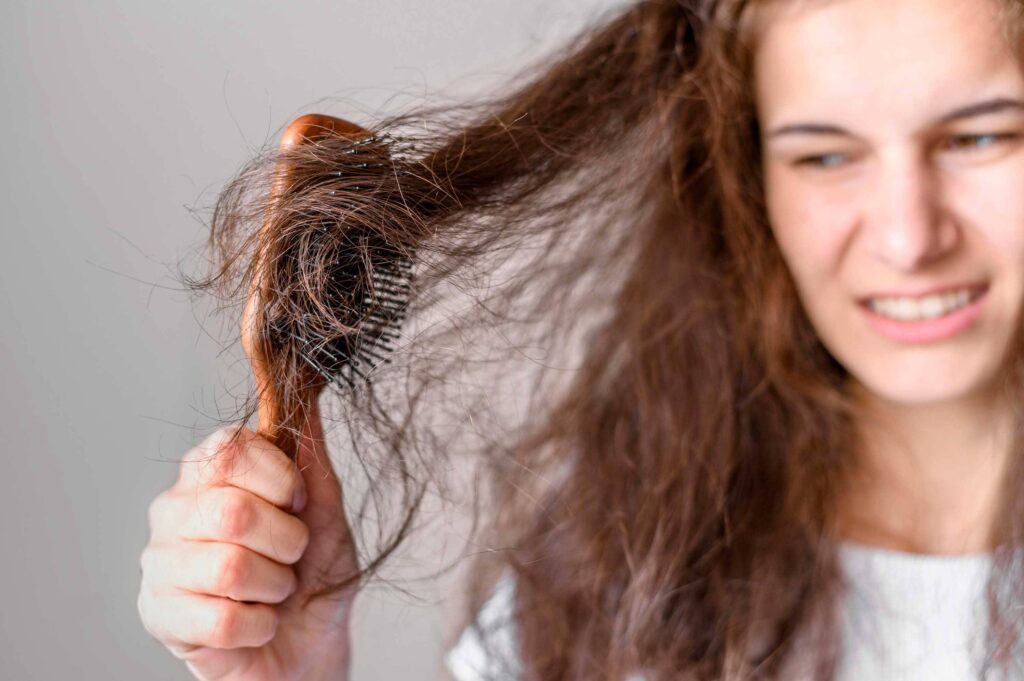
When your hair starts to fall out, the most practical question is this: which doctor should you see for hair loss? The short answer is that in most cases the first stop is a dermatology specialist, because hair and scalp conditions fall within this field. When needed, the work is carried out together with departments such as endocrinology or internal medicine.
Choosing the right department speeds up the diagnosis and avoids unnecessary trial and error. In this article we cover what each specialist does, which tests are requested and what is discussed at the first appointment. Our aim is to help you knock on the right door the first time.
Highlights
- For hair loss, the first and most appropriate stop is usually a dermatology specialist.
- In a significant share of hair loss cases, about 60%, simple blood tests point the way to the diagnosis.
- Trichoscopy helps distinguish the type of hair loss by examining the scalp under magnification.
- If a hormonal cause is suspected, an endocrinology evaluation comes into play.
- Sudden, rapid hair loss accompanied by sores should be assessed without delay.
Which Doctor Should You See for Hair Loss?
The first answer to the question of which doctor to see for hair loss is dermatology. All problems involving the hair shaft, the hair follicle and the scalp fall within this specialty. The dermatologist determines the type of hair loss and plans the right approach.
In some cases the hair loss is due to an underlying hormonal or systemic problem. In such a situation, support from endocrinology or internal medicine may be needed. In other words, the process is often not limited to a single department but is carried out jointly.
What Does a Dermatology Specialist Do?
A dermatology specialist examines the scalp to assess the pattern and likely cause of the hair loss. When considered necessary, they request hair analysis and blood tests. Based on the findings, they distinguish whether the hair loss is temporary or permanent.
This assessment is the most important step in preventing blind trial of products. The right diagnosis determines which approach will work. That is why the dermatologist plays a central role in hair health.
What Does Hair Analysis Show?
Hair analysis makes it possible to see the condition of the scalp and the hair shafts in more detail. Root density, shaft thickness and the intensity of shedding are assessed through this examination. The results serve as a guide in determining the type of hair loss.
This examination is painless and short. It does not make a diagnosis on its own, but together with the examination and tests it completes the picture. When repeated over time, it is also valuable for showing change objectively.
What Is a Trichoscopy Examination?
A trichoscopy examination is an examination of the scalp magnified with a special device. This method reveals features of the roots and hair shafts that cannot be seen with the naked eye. It makes an important contribution to distinguishing between different types of hair loss.
The procedure is quick, painless and harmless. The images obtained help clarify the diagnosis and follow the process. Those curious about the scientific framework can look at publications on diagnostic methods .
When Is an Endocrinology Evaluation Needed?
An endocrinology evaluation comes into play when the hair loss is thought to be linked to a hormonal problem. Thyroid disorders, polycystic ovary syndrome and other hormonal imbalances fall within this scope. In these cases the focus is not on the hair but on the underlying cause.
When the hormonal problem is corrected, the hair loss usually recedes as well. That is why a hormonal evaluation is a useful guide in resistant and widespread hair loss. When dermatology and endocrinology work together, the result is stronger.
Which Tests Are Requested?
The tests most often requested when evaluating hair loss are a blood count, ferritin, vitamin D, zinc, B12 and thyroid values. This panel largely clarifies whether the hair loss is related to nutrition or hormones. The results are interpreted together with the symptoms.
You can find the general causes of hair loss in our article on What Causes Hair Loss? . Choosing the right tests prevents unnecessary supplements and wrong referrals.
Can a Family Doctor Be the First Step?
A family doctor can be a good starting point for the initial assessment and for ordering basic tests. Simple deficiencies can be identified at this stage and a referral can be made. This route is especially practical for mild, recently started hair loss.
However, if the hair loss continues or is noticeable, a referral to a dermatologist is needed. The family doctor serves as a bridge that starts the process and leads to the right department. This reduces both the time spent and unnecessary effort.
Do Gynecology and Hormones Play a Role?
In women, hair loss can be related to pregnancy, the postpartum period and contraceptive methods. In these cases an evaluation by the gynecology and obstetrics department is helpful. Understanding the hormonal balance is the key to the right approach.
This kind of hair loss is mostly temporary and recedes as the root cause is resolved. Even so, if there is noticeable loss, the evaluation should not be neglected. Cooperation between departments gives the most balanced result in women.
What Is Discussed at the First Appointment?
At the first meeting, you are asked when the hair loss started, how fast it is progressing and about the history in your family. The medications you use, past illnesses and eating habits also matter. This information speeds up finding the right cause.
When going to the appointment, it is useful to bring any previous test results and your list of medications. Photo tracking is a practical way to show change. Open and honest sharing improves the quality of the evaluation.
How Can You Avoid Wrong Referrals?
Unproven cures and products that promise miracles mostly just waste time. The right address is an approach that works with physician evaluation and tests. Changing methods frequently out of impatience makes it harder to see the real effect.
Those curious about supportive care options can take a look at our article on oils that are good for hair loss . Even so, these products do not replace a medical evaluation. The right order is diagnosis first, then support.
When Is It Urgent?
Hair loss that starts suddenly, spreads quickly or comes out in clumps should be assessed without losing time. This is even more important if there are sores, redness and scaling on the scalp. Noticeable loss at a young age should also be addressed without waiting.
In such situations, applying early keeps most options open. If you are unsure which specialist to see, consulting a center experienced in hair care will point the way. A step taken at the right time makes the process easier.
Why Does Choosing the Right Specialist Matter?
The same symptom can be assessed differently by different specialists. That is why working with a team experienced in hair directly affects the result. The right specialist also protects you from unnecessary tests and treatments.
Experience makes a difference not only in the diagnosis but also in managing the process. A personalized plan is always more effective than a standard prescription. For this reason, getting the first step right makes the whole process easier. The right start both saves time and spares you unnecessary worry.
Contact Us
Contact Us Now for Free Consultation and Appointment!
Why Does Preparing Before the Appointment Help?
Good preparation lets you make the most efficient use of the limited appointment time. It is useful to note when the hair loss started and how it has progressed. Remembering whether there is a similar history in the family also makes the evaluation easier. This small preparation gets you to the right cause faster.
Bring with you the medications and supplements you use and any previous test results. Dietary changes in recent months and periods of intense stress should also be shared. This information helps the physician avoid unnecessary tests. A clear and organized account directly improves the quality of the process.
Summary of Specialists and Methods
The table below briefly summarizes which department to turn to in which situation.
| Status | First Department | Method | Note |
|---|---|---|---|
| Scalp problem | Dermatology | Trichoscopy, hair analysis | Most common starting point |
| Hormonal suspicion | Endocrinology | Hormone tests | Together with dermatology |
| General deficiency | Family doctor | Blood tests | First simple step |
| Female hormones | Gynecology and obstetrics | Evaluation | Postpartum period |
Those who want to see the whole topic in one place can browse the content in our hair loss category. The right department becomes clear depending on the symptoms.
An examination is carried out at Medlook Private Clinic to determine the right evaluation steps for your hair. For your questions, you can reach us via you can contact.
Author: Dr. Handan Yavuz, Medical Aesthetics Specialist. This content has been prepared to answer the questions of those wondering which doctor to see for hair loss.
Frequently Asked Questions (FAQ)
Which doctor should I see for hair loss, and who should I consult first?
The first and most appropriate stop is usually a dermatology specialist. When needed, the work is carried out together with endocrinology or internal medicine; the right department speeds up the diagnosis.
Is trichoscopy painful?
No. Trichoscopy is an examination of the scalp magnified with a device; it is quick, painless and harmless. It helps distinguish the type of hair loss.
Which tests should I have done?
A blood count, ferritin, vitamin D, zinc, B12 and thyroid values are commonly requested. The results are interpreted together with the symptoms, not on their own.
When should I see an endocrinologist?
If the hair loss appears to be linked to a hormonal problem, endocrinology steps in. Thyroid and hormone imbalances fall within this scope; it is usually managed together with dermatology.
Is it enough to see a family doctor?
It is a good start for the initial assessment and basic tests. However, if the hair loss continues or is noticeable, a referral to a dermatologist is needed.
How should I prepare for the appointment?
Note when the hair loss started, how fast it is progressing and your family history. Bring any previous test results and your list of medications; photo tracking is useful for showing change.
Can’t find your question here?Send us what you would like to know and our team will get back to you.
WhatsAppYou May Also Like
NoMor or Light Filler? 5 Differences Under the Eyes
NoMor or light filler for the under-eye area? Compare the purpose and effect of both methods, and which type of dark circle each suits, from an expert perspective.
PRP Prices 2026: What Do They Depend On?
What do PRP prices depend on, and which factors determine the cost? We explain, from an expert's perspective, how the number of sessions, kit type and treatment area affect the 2026 price.
How Many Sessions of Hair PRP? Procedure and Aftercare 2026
What is hair PRP, how does it work against hair loss, and who is it for? We cover the use of plasma prepared from a person's own blood for hair.
 Turkish
 English
 German
 French
 Italian