
What Is the 3-Area Botox Treatment? Forehead, Between the Eyebrows, Around the Eyes
3-Area Botox is a treatment that targets the three main groups of lines on the upper face (forehead, between the eyebrows, and around the eyes) all at once in a single session. These areas are the ones most affected by facial expressions.
Featured Headlines
ToggleIt is preferable to address all three areas together to achieve a natural and balanced result; correcting only one area while leaving the others as they are may appear disproportionate. In this article, we cover the procedure in its entirety.
Highlights
- The three-zone treatment targets the forehead, the area between the eyebrows, and the lines around the eyes (crow’s feet) simultaneously.
- These three areas are often planned together to achieve a balanced appearance in the upper face.
- It is performed in a single session, and the procedure takes just a few minutes.
- Üst yüz, botoksun en çok tercih edilen ve memnuniyeti %85 üzerinde bölgesidir.
Which Areas Does Upper Face Botox Cover?
Upper face Botox treatment covers forehead lines, vertical lines between the eyebrows, and crow’s feet at the corners of the eyes. These three areas are collectively referred to as the “3-zone.”.
Since different areas affect one another, planning them together yields balanced results. For example, if treatment is applied only to the forehead, the movement of the eyebrows may appear disproportionate.
Why Are the Three Zones Applied Together?
The facial muscles work as a whole. Relaxing just one area can accentuate the movement of other areas and create an unbalanced expression.
Planning these three regions together maintains this balance. For clinical approaches to implementation, top-page posts can be viewed.
How Is Forehead Botox Administered?
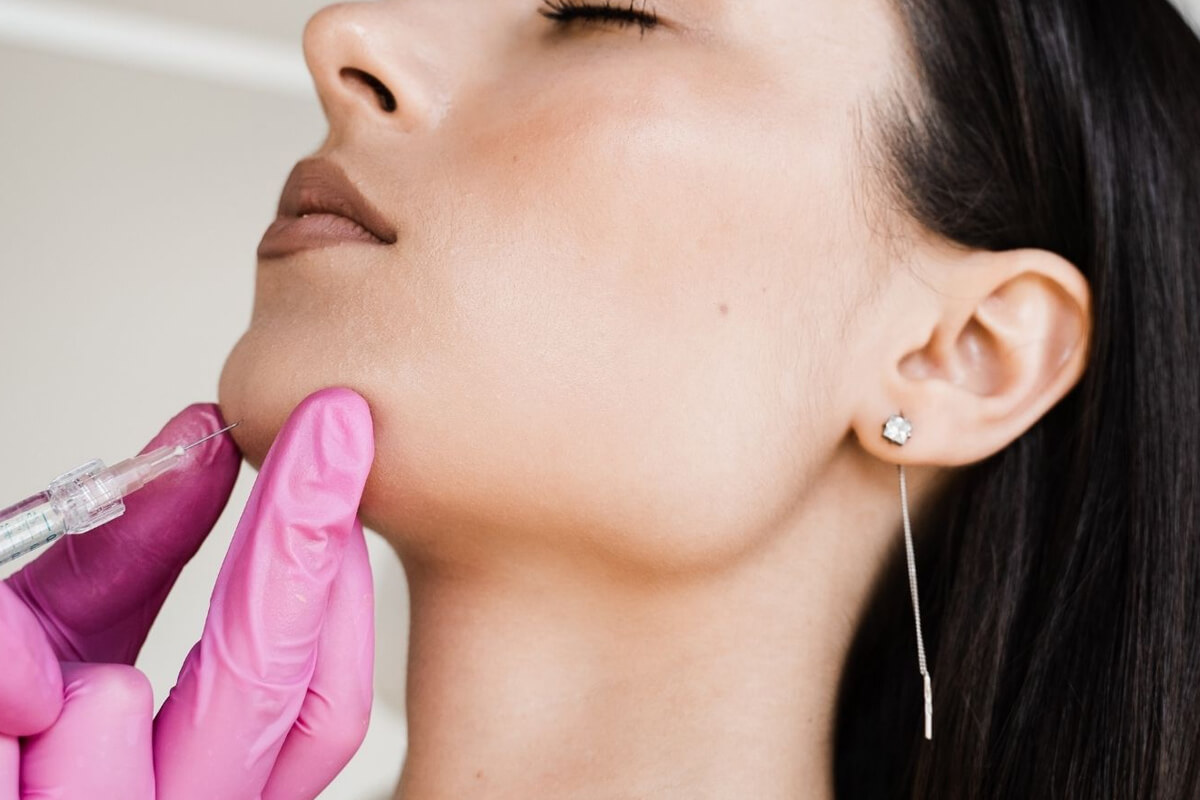
Forehead Botox is administered by injecting small doses into the frontalis muscle, which causes horizontal forehead lines. The dose is carefully adjusted to prevent the eyebrows from drooping.
The goal is to soften the lines while maintaining the natural position of the eyebrows. Using too much product can restrict eyebrow movement too much, resulting in a heavy look.
What Is Botox Between the Eyebrows Used For?
Botox between the eyebrows targets the vertical lines known as "frown lines." This area becomes more pronounced due to the habit of constantly furrowing the brows.
The treatment gives the face a more rested and softer appearance. It is one of the most frequently requested procedures in these three areas.
How Long Does the Effect Last?
The effects of Botox in these three areas last an average of 3–4 months. The duration of Botox’s effects may vary slightly depending on the area and muscle strength.
With regular touch-ups, the results last longer. It’s natural to opt for a conservative dose during the first application.
How Can You Maintain a Natural Look with Upper Face Botox?
The key to a natural-looking result on the upper face is to balance the movement rather than stop it entirely. The goal is to soften the lines while preserving the natural brow position and a lively expression. For this reason, the dosage is adjusted separately and in measured amounts for each area. Excessive amounts can lead to a heavy and stiff appearance.
Planning all three areas together is an approach that enhances natural beauty. If one area is relaxed, the movement of the others may appear disproportionate. A holistic plan ensures that the face looks balanced. As a result, the outcome is subtle and harmonious.
An experienced dentist evaluates a person’s smile and facial expressions. This observation ensures that the dosage is tailored to the individual. Instead of a standard prescription, a personalized plan is followed. This personalized approach yields the most natural results.
Why Is the Kaz Ayağı Area Included in the Plan?
Crow’s feet around the eyes directly affect the overall balance of the upper face. If the area between the forehead and the eyebrows is corrected but this area is left untreated, the appearance may remain disproportionate. For this reason, crow’s feet are often included in the same treatment plan. A holistic approach ensures a harmonious result.
Because this area is thin and sensitive, low doses are preferred. The goal is to soften the lines without affecting the smile. The correct dose preserves a natural expression. The sensitivity of the area requires an experienced practitioner.
Since crow’s feet lines are caused by movement, they respond well to this method. However, additional methods may be needed for deep, established lines. An accurate assessment determines the appropriate approach. A personalized plan increases satisfaction.
Who Is a Good Candidate for Upper Face Botox?
This treatment is suitable for people who are bothered by facial expression lines on the upper face but do not want surgery. Good results are achieved for mild to moderate lines. However, it may not be sufficient on its own for very deep, established wrinkles. The appropriate candidate is determined during an examination.
Pregnant and breastfeeding individuals, those with certain neuromuscular disorders, and those with an infection at the treatment site should avoid this method. For this reason, a detailed medical history is taken before the procedure. Alternatives are considered in cases where the procedure is not appropriate. Safety is always the top priority.
Satisfaction is significantly higher among people with realistic expectations. The goal is to achieve natural rejuvenation. Selecting the right candidate determines both safety and the outcome. A careful evaluation leads to the best choice.
How Is a Pre-Implementation Assessment Conducted?
The evaluation begins by observing facial expressions in motion. The physician assesses the strength of the muscles in each area and the depth of the lines. This analysis allows for the creation of a personalized dosage and injection site plan. A good start determines the quality of the result.
During this meeting, the individual’s expectations are also discussed in detail. Once it becomes clear what is desired, the plan is shaped accordingly. Mutual understanding is a prerequisite for satisfaction. Transparent communication strengthens trust.
During the evaluation, past treatments and medical history are also reviewed. This information is necessary for developing a safe treatment plan. A thorough examination minimizes surprises. A planned approach ensures a balanced outcome.
Why Is Dose Balance in the Forehead Area Important?
The strong muscle in the forehead also helps keep the eyebrows lifted. If the dose is too high in this area, the eyebrows may droop, creating a heavy appearance. For this reason, forehead planning requires a delicate balance. A moderate dose preserves the natural position of the eyebrows.
When the forehead is evaluated in conjunction with the space between the eyebrows, it yields a more harmonious result. Since the two areas influence each other, they are not considered separately. A holistic approach maintains balance. This approach creates a rested appearance.
Avoiding an excessive amount preserves both naturalness and comfort. The goal is to soften the lines, not to eliminate movement. The right balance is the foundation of satisfaction. Skilled application ensures this balance.
How Do You Plan for Renewal When the Effect Wanes?
The results last an average of three to four months, after which the lines gradually fade. Those who wish to maintain the results can have the treatment repeated before the effects fade completely. This continuity ensures a more seamless appearance. It has been observed that with regular repeat treatments, the results last slightly longer.
The treatment interval becomes clear on a case-by-case basis after the initial sessions. The face is reassessed before each session. Changing needs may require updating the treatment plan. As a result, the schedule settles into a routine over time.
During follow-up, the dosage is adjusted as needed, and the plan is tailored to the individual. This flexibility ensures that the results remain balanced. Follow-up is the final step that ensures satisfaction. A well-thought-out plan yields long-lasting results.
Common Mistakes in the Three-Zone Method
The most common mistake is that the expression becomes stiff due to a high dose that exceeds the natural limit. Another mistake is treating the regions separately, thereby disrupting the balance. In such cases, the result may appear disproportionate. A holistic plan prevents these mistakes from the outset.
In the hands of an inexperienced practitioner, the selection of injection sites may be inaccurate, and temporary asymmetry may occur. Since the facial muscles influence one another, the treatment plan requires careful consideration. Therefore, the practitioner’s experience is crucial. The correct technique enhances the quality of the result.
Most mistakes are temporary and fade away once their effect wears off. Still, getting off to the right start makes this process easier from the beginning. A conscious choice prevents unnecessary anxiety. Experienced practice yields the most balanced result.
3-Area Botox: Areas and Targets
The table below summarizes the three regions and the objective of each.
| Region | Finish Line | Muscle |
|---|---|---|
| Take it | Horizontal lines | Frontalis |
| Between the eyebrows | Vertical anger line | Glabella |
| Eye area | Goose foot | Orbicularis oculi |
Those who wish to evaluate this issue as a whole What is Botox? and Botox around the eyes You can browse our content; for all Botox treatments, botox applications You can check out our page.
A personalized assessment for the 3-area Botox plan begins with a detailed examination at the Medlook Clinic. Please contact us with any questions you may have. you can contact.
Author: Dr. Handan Yavuz, Medical Aesthetics Specialist. This content has been prepared to answer patient questions about Botox treatments in three areas (upper face).
Contact Us
Contact Us Now for Free Consultation and Appointment!
Frequently Asked Questions (FAQ)
It covers the forehead, the area between the eyebrows (frown lines), and the area around the eyes (crow’s feet). These three areas are treated together on the upper face.
The facial muscles work together; relaxing just one area can create an unbalanced expression. Treating all three areas together yields a more natural result.
The procedure usually takes 10–15 minutes. All three areas are treated together in a single session, and no recovery time is required.
The effects last an average of 3–4 months. The duration varies from person to person; with regular touch-ups, the results last longer.
When applied at the correct dose, it does not cause the eyebrows to droop. The dose is adjusted to maintain the eyebrow’s position; an excessive dose can result in a heavy appearance.


 Turkish
  English
  German
  French
  Italian