
Botox for the Eye Area: Crow's Feet Treatment
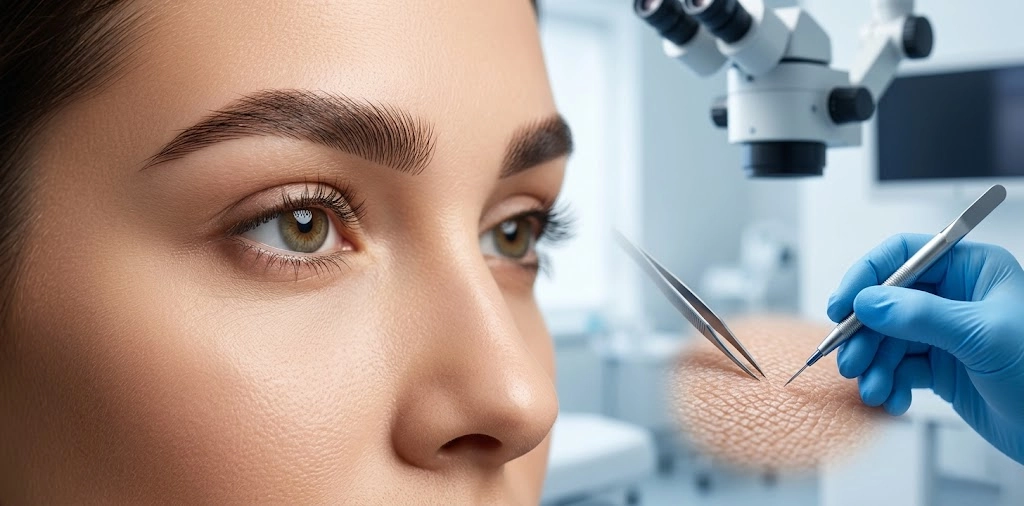
Botox around the eyes is a procedure performed to soften the crow’s feet lines that appear at the corners of the eyes when smiling. These lines become more pronounced over time due to the repetitive movement of the orbicularis oculi muscle.
Featured Headlines
ToggleBecause this area is thin and delicate, low doses and precise injection site selection are important. In this article, we discuss how Botox is administered around the eyes and what precautions are taken.
Highlights
- Botox is applied around the eyes to soften the crow's feet lines at the corners of the eyes.
- The procedure takes a few minutes; small doses are administered using fine needles.
- The effects last an average of 3–4 months, and a natural appearance is preserved.
- Kaz ayağı botoksu, en çok talep edilen üst yüz uygulamalarının başında gelir ve memnuniyet %85 üzerinde bildirilir.
How Is Cankle Botox Performed?
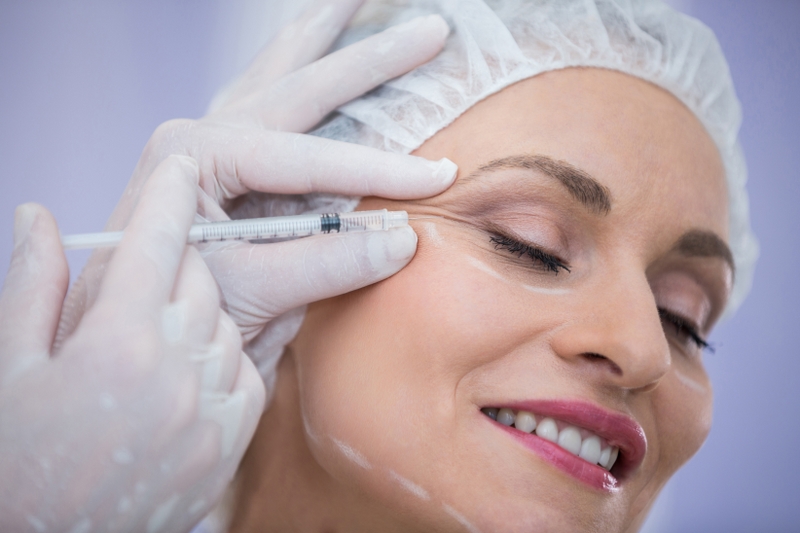
Crow’s feet Botox is administered by injecting very small doses into the muscle around the eyes at several points. The procedure takes just a few minutes.
Because the skin around the eyes is sensitive, the dosage is kept low; the goal is to soften the lines while preserving facial expression. The procedure is performed on an outpatient basis and requires no recovery time.
Is It Suitable for Under-Eye Wrinkles?
Botox is effective for lines around the eyes caused by movement. However, if under-eye wrinkles are caused by volume loss or sagging skin, Botox alone is not enough.
In this case, fillers or skin rejuvenation treatments are considered. The appropriate treatment is selected during the examination based on the cause of the line.
Why Do Laugh Lines Form?
Laugh lines become more pronounced as repeated facial expressions over the years cause the skin to fold. While they are visible only during movement at a young age, they eventually become permanent even on a relaxed face.
Early-stage, low-dose treatment may slow the progression of lines. For clinical approaches to this issue, Publications on the treatment of crow's feet can be viewed.
When Does the Effect Begin, and How Long Does It Last?
The effects become noticeable within 3–5 days, and the full results become apparent within two weeks. The duration of Botox in this area is, on average, 3–4 months.
The duration varies from person to person; with regular touch-ups, the results last longer. A conservative dose is recommended for the first application.
What Should You Keep in Mind?
It is recommended to avoid massaging the area and bending forward during the first few hours after application. This ensures that the product remains in the desired muscle.
Because the skin around the eyes is thin, having the procedure performed by an experienced physician is crucial for achieving natural-looking results.
Why Does "Goose Foot" Become Visible Early?
The skin around the eyes is one of the thinnest and most mobile areas of the face. With every smile and every squint, this area folds over and over again, and over time, lines become etched into it. External factors such as sun exposure and smoking further accelerate this process.
For this reason, crow’s feet may become visible earlier than lines on the forehead or between the eyebrows. They tend to become more noticeable sooner in people with thin skin. Taking preventive measures early on can slow down the process of these lines becoming permanent.
Lines that appear only when the face is in motion at a young age may persist on the face even at rest as the years go by. This transition underscores the importance of a preventive approach. Timing plays a direct role in the quality of the result.
At What Dosage Do You Get the Most Natural Results?
In this area, the dosage is the most critical factor in determining the naturalness of the result. Too much can restrict the smile and lead to an unnatural appearance. The goal is not to erase the line, but to soften the crease caused by movement.
For this reason, low and moderate doses are preferred. Starting cautiously with the first application allows for flexibility to adjust the dosage as needed. This helps achieve a personalized, natural balance.
An experienced physician adjusts the dosage by evaluating muscle strength and the shape of the smile. Since every face is different, there is no standard prescription. A personalized plan yields the most satisfying results.
Botox or Fillers: How Do You Decide in This Area?
The cause of the problem around the eyes determines which method is appropriate. For expression lines, muscle-targeted treatments are effective. If there is volume loss or hollowing, fillers are a better option.
In some cases, both methods are planned in conjunction to achieve a more comprehensive result. This decision is determined following a detailed examination. Choosing the wrong method may lead to a result that does not meet expectations.
That’s why the first step is to correctly identify the source of the line. A person’s skin type and age group also influence the decision. A proper analysis eliminates unnecessary procedures from the start.
What Are the First Few Days Like After the Procedure?
After the procedure, the patient usually returns to their daily routine the same day. It is recommended to avoid massaging the area and bending forward for the first few hours. This simple precaution helps ensure the product remains in the desired muscle.
The effects begin to show within three to five days, and the full results become apparent in two weeks. It is important not to jump to conclusions during this time. Any minor redness or bruising will subside quickly.
It’s also helpful to avoid intense exercise and hot environments during the first few days. Taking special care during this period helps ensure a more balanced result. Afterward, you can fully resume your normal routine.
Is the Eye Contour Treatment Different for Men?
In men, the muscles around the eyes are generally stronger and more pronounced. For this reason, the dosage regimen may be set differently than for women and may be slightly higher. The goal is still to preserve a natural appearance.
Since the lines usually start deeper in male patients, it may take some time for the results to become fully apparent. Individual muscle strength is the most decisive factor in the treatment plan. For this reason, the evaluation is conducted on a case-by-case basis.
Proper planning creates a relaxed expression rather than a stern one. For men, too, the goal is not to erase facial expressions but to maintain balance. A measured approach yields a subtle result.
How Do You Plan for Renewal When the Effect Wanes?
The results last an average of three to four months, after which the lines gradually fade. Those who wish to maintain the results can have a touch-up done before the effects fade completely. This continuity ensures a more seamless appearance.
It has been observed that the effects last slightly longer with regular sessions. The interval between sessions becomes clear after the first few sessions, depending on the individual. Therefore, the schedule falls into place as you gain experience.
Before the renewal, the area is reassessed and the dose is adjusted if necessary. Changing needs require the plan to remain flexible. This ensures that each session is more precise than the previous one.
What Are Some Common Mistakes in This Area?
The most common mistake is restricting the smile with a high dose that exceeds the natural limit. Another mistake is misinterpreting the origin of the line and choosing an inappropriate method. In these cases, the result does not meet expectations.
In the hands of an inexperienced practitioner, the selection of the treatment site may also be incorrect, and temporary asymmetry may occur. Since the area is small and delicate, dose precision is critical. For this reason, the practitioner’s experience is of great importance.
Most mistakes are temporary and fade away once their impact has passed. Still, getting off on the right foot makes this process easier from the start. A conscious choice eliminates unnecessary anxiety.
What Is the Role of This Treatment in Eye Contour Care?
Crow’s feet are just one part of eye-area care. While treatments targeting the muscles are effective for lines caused by movement, different approaches are needed to improve skin quality. For this reason, Botox is often part of a comprehensive plan. It is not expected to solve every problem on its own.
For fine lines on the skin’s surface, moisturizing and skin rejuvenation methods are used. If there is a loss of volume, options such as light fillers are considered. These methods work in a way that complements the muscle-targeted treatment. The right combination is determined during the consultation.
Sun protection is the most important daily habit for this area. The delicate skin around the eyes is particularly sensitive to ultraviolet light. Regular protection slows the deepening of fine lines, helping to maintain the results of the treatment for longer.
A comprehensive plan is tailored to the individual’s age and skin type. The goal is not only to address fine lines but also to balance the overall appearance. This approach yields a natural and harmonious result. Personalized care is the foundation of satisfaction.
Eye Area Lines and the Appropriate Treatment
The source of the line determines which method is appropriate.
| Line Type | Source | Appropriate Method |
|---|---|---|
| Goose foot | Muscle movement | Botox |
| Under-eye hollows | Loss of volume | Light Filler |
| Fine lines | Skin surface | Skin Rejuvenation |
Those who want to evaluate the topic of Botox around the eyes as a whole What is Botox? and Botox in 3 areas You can browse our content; for all Botox treatments, botox applications You can check out our page.
A personalized assessment for Botox around the eyes begins with a detailed examination at the Medlook Clinic. Please contact us with any questions you may have. you can contact.
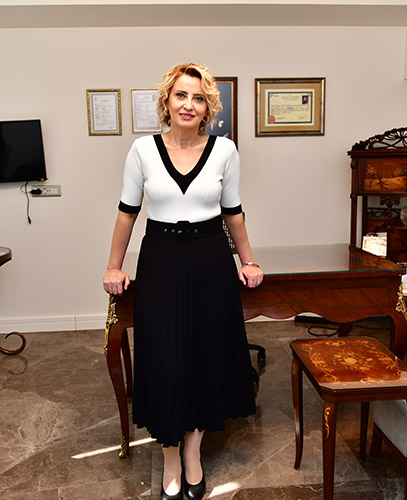
Author: Dr. Handan Yavuz, Medical Aesthetics Specialist. This content has been prepared to answer patient questions about Botox treatments around the eyes.
Contact Us
Contact Us Now for Free Consultation and Appointment!
Frequently Asked Questions (FAQ)
It is safe when administered in the correct dose by an experienced physician. Because the area is sensitive, lower doses are preferred, and the natural appearance is preserved.
The effects last an average of 3–4 months. The duration varies from person to person; with regular touch-ups, the results can be maintained for a longer period.
Dark circles under the eyes are usually caused by circulation or volume issues; Botox is not suitable for this condition. In such cases, other methods are considered.
The procedure is performed on the surrounding muscles, not on the eyeballs themselves. When performed using the correct technique, it does not harm the eye; temporary eyelid heaviness may rarely occur.
Lines caused by movement are significantly reduced. However, for deep lines that have become permanent on the face at rest, additional treatments may be needed for complete correction.





 Turkish
  English
  German
  French
  Italian