
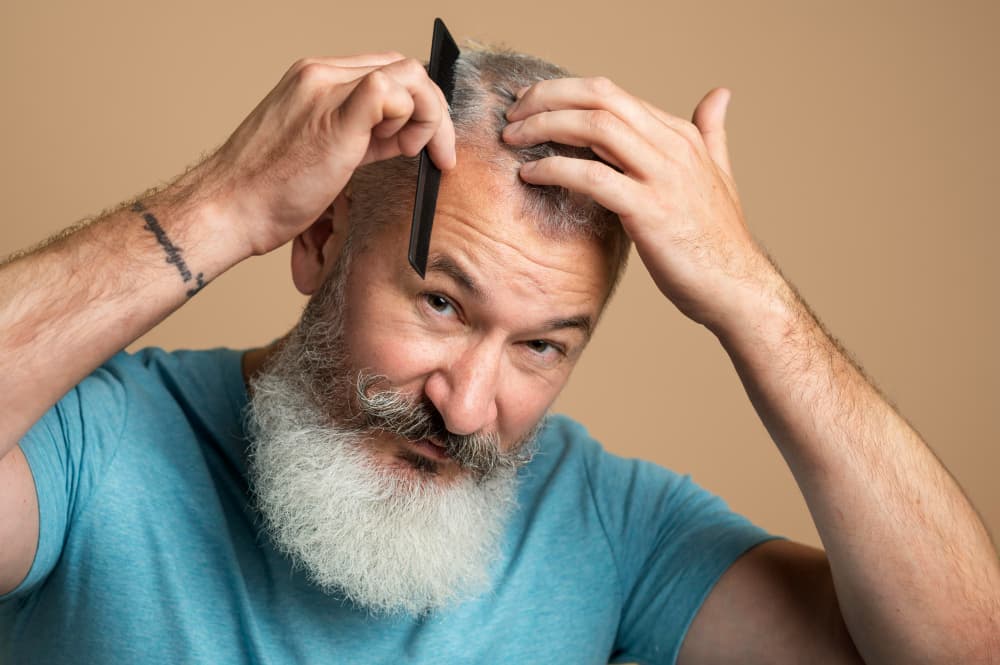
When you look in the mirror, are you worried that your hair is getting thinner and falling out? Genetic factors, Stress, unhealthy diet or hormonal changes hair loss can be caused by many reasons. Fortunately, modern hair transplantation methods offer an effective and natural-looking solution to this problem, making it possible to regain lost hair.
Featured Headlines
ToggleOkay, hair transplant Is it permanent? Or do the transplanted hairs also fall out over time and cause the same problem?
In this article, permanence of hair transplantation about hair transplantation in detail. We will examine the permanence periods offered by different hair transplantation methods, the factors affecting the success of hair transplantation and the things to be considered in this process. We will also explain why post-transplant care is important and what you should do to achieve long-lasting results.
Is Transplanted Hair Permanent?
Hair transplantation has become an increasingly popular solution for people with hair loss. So, is the transplanted hair permanent for life?
Hair transplantation hair follicles from the nape of the neck are usually used as the donor area. The hair in this area is genetically more resistant to hair loss. During the procedure, these follicles are taken one by one and transplanted to balding or sparse areas. Since the transplanted follicles carry the genetic characteristics of the donor area, they are resistant to hair loss in their new location.
For this reason, hair transplantation is often a permanent solution as a hair transplant. However, this does not mean that transplanted hair will never fall out. The natural cycle of hair continues after transplantation and some strands may fall out over time. However, thanks to the genetically resistant follicles, healthy hair continues to grow in the transplanted areas and the negative effects of hair loss are greatly reduced.
Role of the Donor Region
Donor region, plays an important role in the success of hair transplantation. The quality of the hair follicles in this area is very effective in terms of the permanence of the procedure and achieving healthy results. The hair in the donor area has the following characteristics:
- Genetically resistant to shedding: This contributes to the long-lasting hair in the transplanted area.
- Thicker and stronger: Transplanting healthy hair follicles facilitates a fuller and more natural-looking result.
- Contains more dense hair strands: Thanks to quality hair follicles, a more frequent and healthy transplantation can be made.
These properties support the transplanted hair to be strong and permanent in the long term.
The Importance of the Right Method
The hair transplant method used also plays a decisive role in the permanence of the results. The most commonly used methods today FUE, DHI and Sapphire FUE methods:
- Hair follicles are taken one by one and transplanted.
- Minimally invasive, fast recovery, usually without scarring.
- Persistence: The transplanted hair is usually permanent, the roots in the donor area are resistant to shedding.
- Hair follicles are directly transplanted with a special pen.
- More precise application, faster wound healing.
- Persistence: Like FUE, it is permanent and provides a high success rate.
- With the sapphire-tipped device, smaller channels are opened and transplanted.
- More intensive planting, less tissue damage.
- Persistence: Like other FUE methods, it is high, allowing you to have natural and healthy hair for many years.
Remember, the most suitable method for you will vary depending on factors such as your hair loss type, hair and skin structure. Our doctors are here to determine the most suitable method for you and help you achieve natural-looking results that will meet your expectations!
Factors Affecting the Permanence of Transplanted Hair

The answer to the question of whether hair transplantation is permanent varies depending on many factors. These factors are generally individual and operational as the ""the world's most important institutions".
Individual Factors
- Age: People who have hair transplants at a young age usually have stronger and healthier hair follicles, which increases the success rate. However, it is also possible to get effective results at older ages.
- Genetic Predisposition: In people with a family history of hair loss, transplantation results may be affected by genetic factors. Genetic structure directly affects the permanence of the transplanted hair.
- Hair Loss Type: The type and cause of spillage is another important factor affecting success. Especially male pattern hair loss hair transplantation usually gives more successful results.
- General Health Status: Some health problems such as diabetes and thyroid disorders can negatively affect the success of hair transplantation. For this reason, it is of great importance that your current health condition is evaluated by your doctor before transplantation.
Hair Transplant Aftercare
Care to be applied after hair transplantation, healthy growth of transplanted hair and is critical for achieving lasting results. Especially the first few weeks are very important; it is of great importance to follow the doctor's instructions during this process.
- First Wash: The first wash after transplantation should be done carefully, as prescribed by your doctor and using special products.
- Drug Use: Antibiotics or other medicines prescribed by a doctor should be used regularly to prevent infection and speed up the healing process.
- Sun Protection: Protecting the transplanted area from the sun's rays is very important to prevent negative effects during the healing process. For this reason, it is recommended to wear a hat or apply sunscreen.
- Hair Styling During the first few weeks, it is important to avoid chemical procedures such as dyeing or perming the hair. Since the hair follicles are sensitive during this period, such procedures can lead to negative consequences.
- Nutrition: A balanced and healthy diet contributes to the strengthening and healthy growth of the transplanted hair follicles. A nutritional program rich in vitamins and minerals helps new hair grow more vibrant and stronger.
Supportive Treatments After Hair Transplantation
Supportive treatments to increase the effectiveness of hair transplantation and strengthen the newly growing hair follicles are of great importance. These can be divided into two as treatments performed in the clinic and applications that patients should do at home by physicians.
Hair support treatments; from hair transplant operation 1 month later is recommended to start.
Hair support treatments performed by physicians at Medlook Polyclinic can be listed as follows:
- Exosome-assisted hair treatments
- Cellular-assisted hair treatments
Daily and weekly applications are recommended to patients by physicians. These applications include dermaroller, spray and home mesotherapy products.
Another important issue is whether there are enough vitamins and minerals in your body for strong and healthy hair; hormone levels that can affect hair growth should be checked. For this, Medlook Polyclinic offers “hair check up” blood and urine tests are used.
Is Shock Hair Loss Normal After Hair Transplantation?
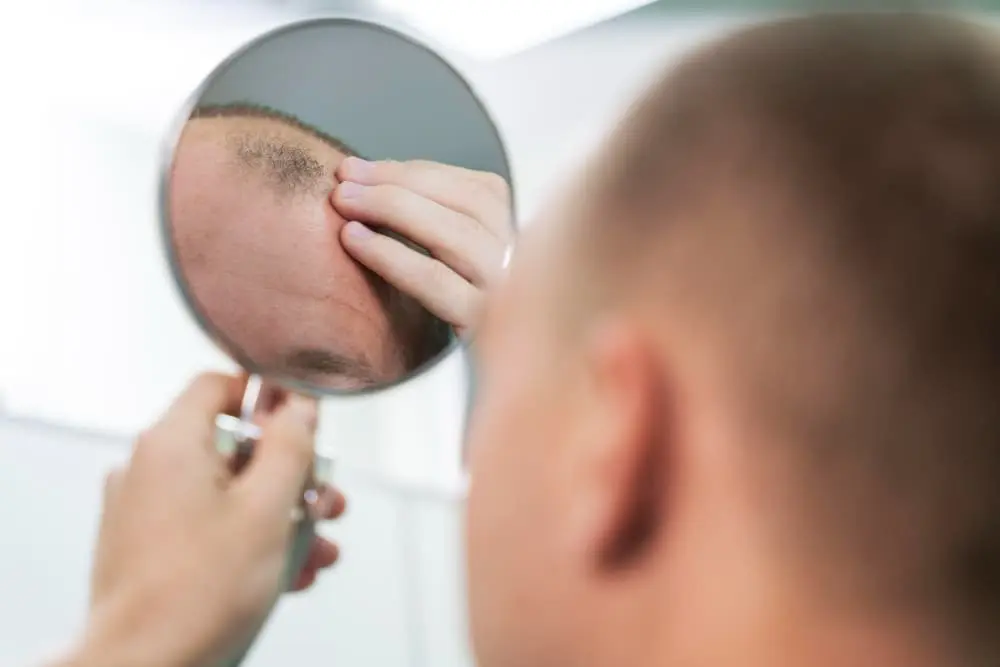
After hair transplant, In the first few months, many people may notice that the transplanted hair is falling out and this may worry them. However, this hair loss is actually shock spill is a completely natural process and nothing to worry about.
What is Shock Spill?
Shock spill, hair loss is a temporary reaction experienced during the process of adapting to the new environment of hair follicles after hair transplantation. Hair strands may start to fall out within 2 to 8 weeks after transplantation. This is a temporary reaction of the hair follicles “rest” phase and prepare for new hair production.
The shock loss process does not progress in the same way for everyone. Some people may experience more hair loss, while others may experience a milder process. The amount and duration of hair loss may vary depending on factors such as the hair structure of the person, the extent of the operation and the care applied after hair transplantation.
Hair Regrowth after Shock Hair Loss
After the shock shedding is complete, the hair follicles adapt to their new location and new hair strands starts to emerge. This process is usually a few month it may take a while. The first strands of hair to grow are often thin and weak, but over time they strengthen and become thicker and healthier.
Experiencing shock hair loss is completely normal and there is no need to worry about it. With the right care and a little patience, the transplanted hair will grow back and gain a natural, permanent appearance over time. Be confident; at the end of this process strong and full hair you can have it back!
What Results Does Hair Transplantation Provide in the Long Term?
Many people who are considering hair transplantation wonder what kind of appearance this operation will give them in the long run. Hair transplantation, with the right planning and meticulous application a natural and aesthetic result is a permanent solution. So what can you expect from this procedure in the long term?
Natural and Aesthetic Appearance
The most important goal in hair transplantation is to provide a natural and aesthetic appearance. The modern methods applied today allow the hair follicles to be placed in the right angles and directions, resulting in a very natural result.
FUE and DHI techniques are based on the principle of transplanting hair follicles one by one. In this way, the transplanted hair grows in harmony with the existing hair, creating a natural look. In addition, the experience and aesthetic knowledge of the specialist performing the hair transplantation is of great importance to ensure this naturalness.
Hair Density in the Long Term
The density achieved after hair transplantation can vary depending on many different factors. These factors include the following:
- Genetic Factors: Whether there is a history of hair loss in your family may affect the result after transplantation.
- Age: The results may be more satisfactory when transplanted at a younger age, but it is also possible to achieve successful results at an older age.
- Type and Degree of Hair Loss: The type and intensity of hair loss directly affects hair density after transplantation.
- Maintenance: The care applied after transplantation is also very effective on the permanence of the hair in the long term.
Usually, The transplanted follicles are permanent and do not fall out after hair transplantation. However, the existing natural hair in the transplanted area may become sparse or fall out over time. For this reason, it is very important to adopt a healthy lifestyle, take regular hair care and follow the medications or treatments recommended by the doctor to maintain density after hair transplantation.
Post Hair Transplant Care and Permanence
Permanence of hair transplantation, just bornru does not depend on the choice of the method or its realization by a specialized team. Post-operative care is also one of the most critical parts of this process. After transplantation, it is necessary to follow a careful care routine so that the hair follicles can adapt to their new location and grow in a healthy way.
First Wash and Care
The first wash after hair transplantation is very important for a successful healing process. This washing should usually be done 2-3 days after the operation, in line with the doctor's recommendations and using a special shampoo:
- Soaking with warm water: Wet your scalp with warm water. It is important to avoid hot water because it can irritate the transplant area.
- Shampoo Use: Pour the shampoo recommended by your doctor into the palm of your hand and lather. It is important to lather the shampoo beforehand, rather than pouring it directly onto the transplant site.
- Gentle Implementation: Carefully apply the lathered shampoo to the transplanted area. Avoid rough movements or rubbing.
- Rinsing Rinse your scalp thoroughly with plenty of water and make sure to remove all shampoo residue.
- Gentle Drying: Clean a paper towel and gently pat your hair dry. Never rub or press hard.
In the days after the first wash, wash your hair as often and in the way prescribed by your doctor. Allow crusts to fall off naturally, Avoid trying to pluck or scratch them.
Medication Use
After a hair transplant, your doctor may prescribe certain medications to prevent the risk of infection, speed up the healing process and reduce pain. These medications usually include:
- Antibiotics It is used to minimize the risk of infection.
- Painkillers It is prescribed to alleviate discomfort after the operation.
- Anti-inflammatories: It is used to reduce swelling and inflammation.
- Stomach protectors: It is preferred so that the medicines used do not tire your stomach
- Antihistamines Some people may experience itching during the healing process. Recommended for prevention.
Using the medications prescribed by your doctor regularly and in accordance with the instructions is very important for a healthy recovery after hair transplantation.
Nutrition and Lifestyle
Adopting a healthy lifestyle after transplantation plays an important role in the permanence and healthy growth of the transplanted hair.
- Balanced Nutrition: A diet rich in protein, vitamins and minerals helps to strengthen hair follicles and grow new strands. Especially B vitamins, zinc and iron foods that contain nutrients in your diet.
- Smoking and Alcohol Use: Smoking and alcohol can negatively affect hair health and increase the risk of hair loss. Therefore, it is important to avoid these habits after transplantation.
- Stress Management: Stress is one of the most important factors that trigger hair loss. Yoga, meditation You can keep your stress levels under control by practicing stress management techniques such as.
- Regular Sleep Adequate and quality sleep is very important for the body to renew itself and strengthen the hair follicles.
- Sun Protection: Always wear a hat or sunscreen to protect the transplanted area from the harmful rays of the sun.
The care routine you will take care of during this process increases the permanence of the transplanted hair and provides you with a natural and healthy appearance. Remember, Medlook doctors, is here to support you at every stage of your hair transplant process and help you achieve the best results!






 Turkish
  English
  German
  French
  Italian