
How Many Sessions Does It Take to Achieve Lasting Results with Regional Fat Reduction?
Before starting non-surgical slimming treatments, the most common question is how long the process takes. How many sessions are needed for localized fat reduction? There is no single answer to the question of how long it takes, because the number of sessions depends on the method, the area, and the individual’s body fat composition.
Featured Headlines
ToggleIn this article, we discuss the factors that determine the number of sessions, the differences between the methods, and when the results become clear. To see the plan that combines the two methods, The Slim Code program You can also check it out there.
How Many Sessions Does Regional Body Contouring Take?
To provide a general overview, most treatments involve between one and six sessions. The number of sessions is lower for cooling-based methods and higher for injection-based methods.
The reason for this wide range is that every body and every area responds differently. While a single session may be sufficient for one person, several sessions may be scheduled for the same area for another.
Factors That Determine the Number of Sessions
The number of sessions is not arbitrary; it is determined based on measurable criteria. The following factors directly influence the plan:
- Thickness of the oil layer: Thicker areas require more sessions.
- Target area: The treatment rhythm differs between large areas and narrow areas.
- Selected method: Cooling and injection operate with different numbers of sessions.
- Metabolic rate: The time it takes for broken-down fat to be eliminated varies from person to person.
How Does the Number of Sessions Vary Depending on the Method?
Cold lipolysis and needle-based lipolysis differ in terms of session structure. The table below summarizes the typical session schedule for the two methods:
| Method | Estimated Session | Session Interval |
|---|---|---|
| Cold Lipolysis | 1-3 sessions | 4-6 weeks |
| Needle Lipolysis | 3–6 sessions | 2–3 weeks |
| Integrated Plan | It varies by region | Planned on a regional basis |
For detailed information on the method The article on needle-based lipolysis You can read about all the full-body sculpting options On our "Technological Treatments" page You can see.
Session Expectations by Region
The number of sessions varies by region. Thick, extensive layers of fat may require more sessions than thin, localized areas.
- Abdomen and waist: Because of the large treatment area, several sessions may be scheduled.
- Double chin: Thanks to its delicate texture, just a few short sessions are usually sufficient.
- Hips: If the volume is high, the number of sessions may increase.
- On the upper arm: A measured plan is established for limited fat intake.
When Will the Results Be Finalized?
Just as the number of sessions is important, so is when the results will become visible. Weight loss doesn’t happen overnight; the body eliminates the broken-down fat over time.
With the cooling method, noticeable results appear in eight to twelve weeks. With the injection method, however, a gradual improvement is observed after each session. For this reason, it is more accurate to assess the outcome of the process not at the end of the session, but several months later.
What You Need to Know Before Your First Session
Setting realistic expectations before your first session will help you feel more at ease throughout the process. These exercises are not a weight-loss tool, but rather a method for body contouring.
In addition, keeping the area clean and well-groomed, drinking plenty of water, and providing your doctor with a complete medical history all help improve the effectiveness of the procedure. These small preparatory steps are details that directly affect the outcome.
Common Mistakes Made During a Session
To get the best results from the process, it is important to avoid certain common mistakes. These mistakes usually stem from poor expectation management.
- Rushing without adhering to the interval between sessions,
- Expecting results after the first session and giving up too soon,
- Neglecting your diet and hydration routine,
- Insisting on a method that is not suitable for the region.
What Should You Do to Maintain the Results?
Although the fat cells that are removed do not regenerate, the cells that remain in the area may regain volume as a result of weight gain. Therefore, maintaining the results depends not only on the procedure but also on lifestyle.
- Maintaining a healthy weight through a balanced diet,
- Supporting the detoxification process by drinking water regularly,
- Leading an active lifestyle,
- Follow the maintenance schedule recommended by your doctor.
The longevity of body sculpting results is closely linked to maintaining these habits. For the scientific framework, body sculpting exercises you can take a look.
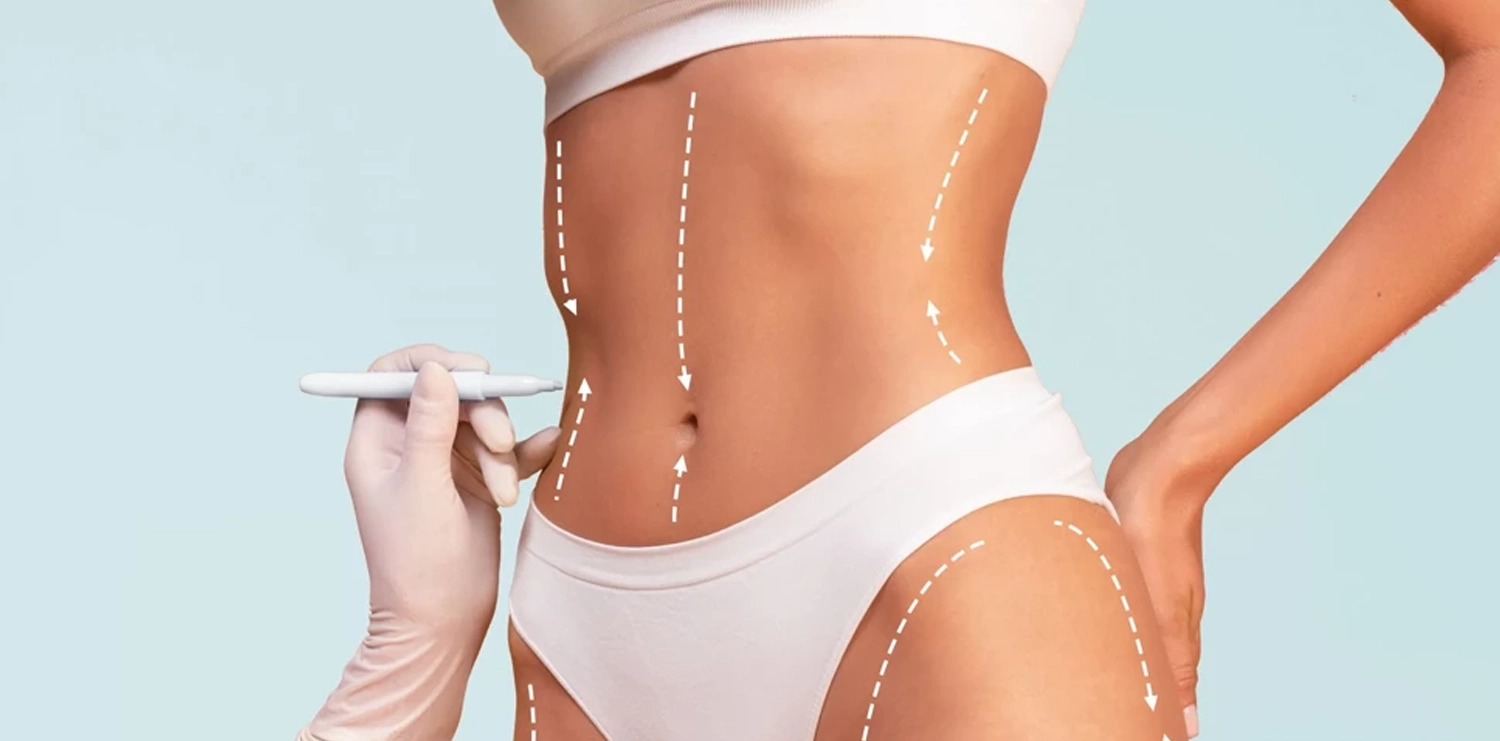
Offering a standard session package is often misleading. This is because even the same area may require a different number of sessions for two different people.
Body fat percentage, metabolic rate, and the desired outcome are evaluated together. Therefore, the plan is not a one-size-fits-all approach, but rather a personalized schedule tailored to each individual.
Are Maintenance Sessions Necessary?
Once the desired result has been achieved, most people do not require additional sessions. As long as a healthy weight is maintained, the results in that specific area are long-lasting.
However, lifestyle-related changes may occur over the years. In such cases, a follow-up evaluation is scheduled to help maintain the results.
The Importance of Adhering to Session Intervals
The waiting period between sessions is not arbitrary; it is a biological necessity. The body needs this time to transport the broken-down fat.
- An early session can tire out the area and compromise the results,
- The recommended interval helps complete the transition process,
- Regular follow-up ensures that the plan progresses smoothly,
- A hasty approach creates a contradiction between expectations and the outcome.
How Do You Track the Results?
The initial state is documented to ensure an objective assessment of the process. This allows for the gradual changes to be tracked in a concrete manner.
Measurement and visual tracking provide a more meaningful indicator than the number on the scale. This method allows for a realistic assessment of the results.
Lifestyle and Session Efficiency
The effectiveness of the program depends not only on the number of sessions but also on daily habits. An active lifestyle helps the body eliminate broken-down fat.
A balanced diet and regular water intake enhance the benefits of each session. Without these habits, the expected results from the sessions may be reduced.
Additional Factors Affecting the Session Plan
The number of sessions is not limited solely by the area and method. Certain individual factors also directly affect the duration of the treatment plan.
- Age-related metabolic rate and excretion capacity,
- The target amount of fat loss and the initial condition of the area,
- Skin tone and the level of firmness in the area,
- Water consumption and daily physical activity habits,
- The sustainability of the dietary regimen,
- Whether more than one region is addressed in the same process.
When these variables are considered together, the plan is based on a more realistic foundation. Estimating the number of sessions based on a single factor can be misleading.
How Do You Create a Realistic Schedule?
A well-structured schedule begins with a preliminary assessment. After analyzing the area, a session interval is estimated, and this plan is updated as the process progresses.
- During the initial assessment, the goals and expectations are clarified,
- A session interval is determined based on the region,
- Progress is measured through interim evaluations,
- If necessary, the plan is revised based on the body's response.
This approach ensures that the process remains both predictable and flexible. A clear roadmap is a better option than a rigid number.
Final Reminders Regarding the Process
The most commonly overlooked aspect of regional analysis is that the results are gradual. Patience and regular follow-up help align expectations with the results.
The program is a first step; lasting balance is achieved in conjunction with one’s lifestyle. This holistic approach helps ensure that the results are maintained over the long term.
The Role of Physician Communication During the Consultation
A healthy process is driven by regular and open communication. After each session, the plan is updated based on an assessment of the area’s response.
- Observing the changes in the region between sessions,
- To report an unexpected situation without delay,
- Tracking the results along with measurements and visuals,
- Let's plan the timing of the next session together,
- Share your diet and exercise routine.
This communication allows the plan to be fine-tuned to the individual. The process is not one-sided; it is more effective when it proceeds through a joint assessment.
The most effective approach to regional analysis is to view the process as a whole. The number of sessions alone is not a measure of success; what matters is how well the plan is tailored to the individual. Regular follow-up and realistic expectations directly influence the outcome. This holistic perspective helps maintain a balance between expectations and results over the long term.
At Medlook, every treatment is customized following a detailed body analysis. Contact us for your targeted weight loss plan you can contact.
Contact Us
Contact Us Now for Free Consultation and Appointment!
Frequently Asked Questions (FAQ)
In some areas, a single session can make a difference, but in most cases, gradual progress is expected. Changes after the first session may be limited; the full results become apparent once the process is complete.
It takes time for the body to transport and eliminate broken-down fat. If this interval is not allowed, the area becomes fatigued and the results cannot be accurately assessed. The waiting period is an integral part of the process.
Based on the regional analysis, a range can be estimated, but the exact number will become clear depending on the body’s response. The plan may be reassessed as the process progresses.
No. The goal is to provide enough sessions to meet the region’s needs; more than necessary does not provide any additional benefit. The appropriate number is determined to ensure a moderate and balanced outcome.
As long as weight is maintained, additional sessions are generally not necessary. Depending on lifestyle, a follow-up evaluation may be scheduled over the years.
Yes. Multiple areas can be addressed within the same treatment plan. The frequency of sessions for each area is determined separately, and a comprehensive schedule is created.








 Turkish
  English
  German
  French
  Italian