
What Is Needle Lipolysis? A Solution for Stubborn Localized Fat
Fat in thin and sensitive areas—such as the double chin, upper arms, or inner knees—does not always yield the desired results when treated with methods designed for larger areas. Needle-Based Lipolysis, and it is precisely at this point that it offers the ability to target fat in specific areas with millimeter-level precision.
Featured Headlines
ToggleIn this article, we discuss how the method works, what types of content it is applied to, and in which regions it stands out. For a more comprehensive body-sculpting plan that includes this technique, The Slim Code program you can examine.
What is Needle Lipolysis?
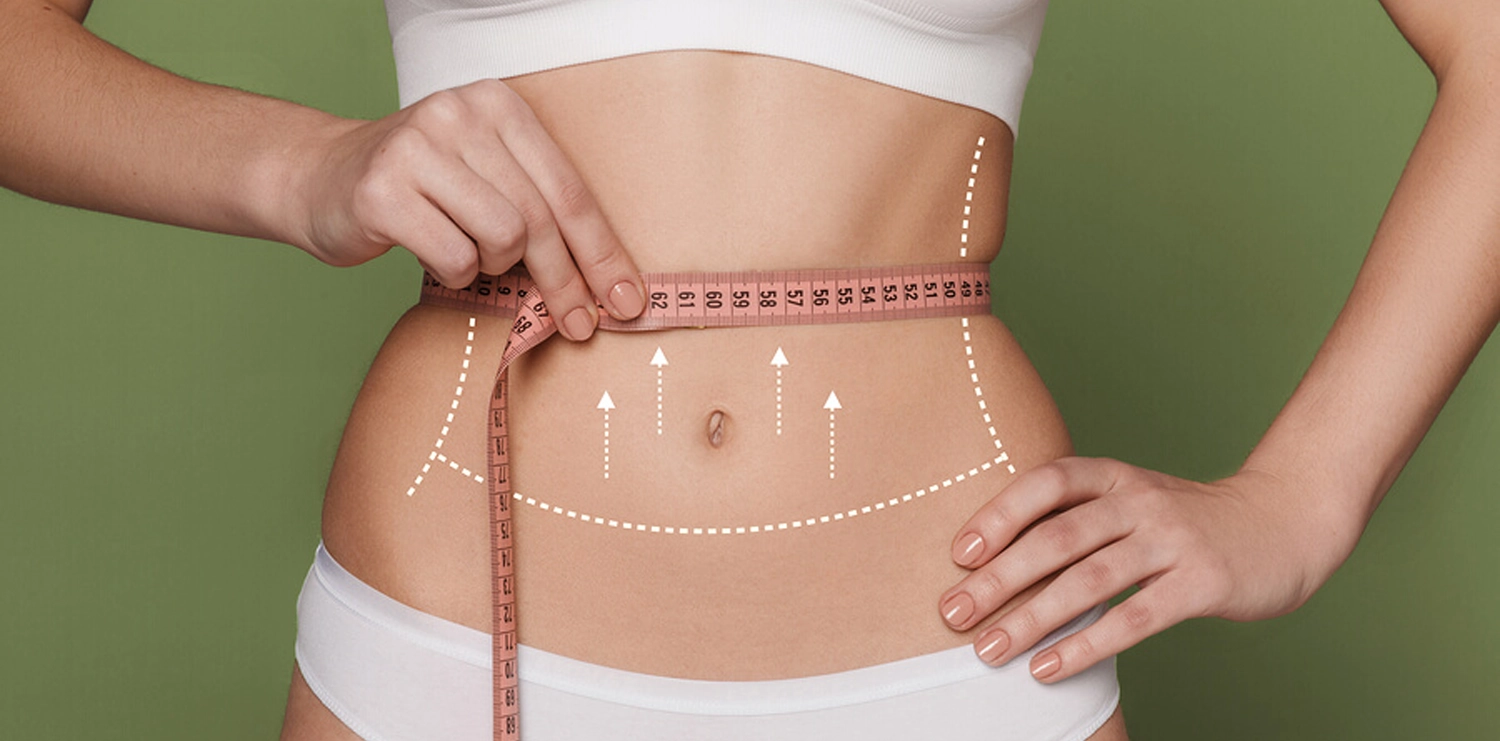
Needle-based lipolysis is a non-surgical method of localized fat reduction in which fat-dissolving solutions are injected directly into the fat layer using very fine needles. The solution targets the membrane of the fat cell, triggering the cell’s breakdown.
The broken-down fat is metabolized by the body over time. The biggest advantage of this method is that it allows for direct treatment of narrow and curved areas that cannot be reached by larger device heads.
In this respect, the method functions more as a precise contour-correction tool than as a volume-reduction technique. The goal is not to completely remove the area, but to define the outline more clearly.
How Does the Fat-Burning Solution Work?
The fat-burning effect results from the synergistic action of the active ingredients in the solution. In clinical practice, several complementary components are typically preferred.
- Phosphatidylcholine: It triggers the breakdown process by targeting the fat cell membrane.
- L-carnitine: It helps convert released fatty acids into energy.
- Organic silicon: It helps the area heal by supporting tissue metabolism.
The ratio of these components is adjusted based on the treatment area and the thickness of the fat. Instead of a single standard mixture, a formulation tailored to the individual is used.
The depth and distribution of the solution also affect the outcome. The physician plans each injection site based on the anatomy of the area; this is crucial for achieving uniform thinning.
Why Is a Pre-Procedure Assessment Necessary?
It is essential to assess the area and the patient’s overall health condition before the procedure. This step enhances both safety and the predictability of the outcome.
During the evaluation, fat thickness, skin tone, and the area’s suitability for injection are assessed. In addition, the patient is asked about medications they are taking and their allergy history. This information allows for the customization of the solution’s composition and the treatment plan.
What Happens During the Procedure?
The procedure begins with cleaning the area and, if necessary, administering a local anesthetic. The solution is then injected into the designated points using very fine needles.
The procedure usually takes only a short time, and the patient returns to their daily routine after the session. There may be a slight stinging sensation at the injection sites; for most people, this sensation is tolerable.
In Which Areas Is the Lipolysis Injection Administered?
Lipolysis injections yield the best results in areas with small, localized pockets of fat. They are particularly preferred for areas that require precision and detail.
- The double chin, that is, the area under the chin,
- Loose fat in the upper arm (triceps) area,
- The inner part of the knee and the inner surface of the thigh,
- Thin layers of fat in the lower abdomen.
For large, thick layers of fat, however, a different approach may be more appropriate. Which of the two methods is best suited for which area A Comparison of Cold Lipolysis and Needle Lipolysis You can find it.
How Many Sessions of Needle Lipolysis Are Required?
With this method, a noticeable change is not expected after a single session. Because fat cells are broken down gradually, multiple sessions are typically scheduled.
| Region Type | Estimated Session | Displaying the Result |
|---|---|---|
| Subcutaneous Fat Tissue | 3-4 sessions | About 2 weeks |
| Adipose Tissue | 4-6 sessions | About 4 weeks |
| Maintenance Interval | Every 2–3 weeks | Gradual thinning |
The interval between sessions is necessary for the body to eliminate the broken-down fat. Adhering to this interval directly affects the quality of the results.
What Should You Expect After the Procedure?
It is normal to experience swelling, tenderness, and mild bruising in the treated area after the procedure. This is a natural part of the breakdown process initiated by the solution in the fatty tissue.
Swelling usually subsides within a few days. During this time, drinking plenty of water and protecting the area from heat can help speed up recovery. The basis of the fat-burning process, as described in the scientific literature, is in studies on injection-based lipolysis is being examined.
Who Should Not Undergo Needle Lipolysis?
As with any injection-based procedure, selecting the right candidate is crucial here as well. In some cases, the procedure is postponed or not performed at all.
- People who are pregnant or breastfeeding,
- Those known to be allergic to any of the ingredients,
- People with uncontrolled diabetes or liver disease,
- People who are taking blood thinners and have not obtained a doctor's approval.
Recovery Process After Needle Lipolysis
Swelling and tenderness in the treated area are common in the first few days following the procedure. These symptoms are an expected result of the process initiated by the solution in the fatty tissue.
- Avoid hot environments for the first 48 hours,
- Drinking plenty of water to promote the excretion of fatty acids,
- Avoid tight-fitting clothing that constricts the area,
- Stick to the recommended session interval.
The Relationship Between Needle-Based Lipolysis and Mesotherapy
Needle-based lipolysis can be considered an injection-based form of mesotherapy. The key difference is that the solution used targets fat tissue.
While classic skin mesotherapy revitalizes the skin’s surface with nourishing mixtures, the goal here is to reduce localized fat deposits. Although the two procedures target different areas, the underlying principle is similar.
Long-Term Results of Needle-Based Lipolysis
Fat cells that are broken down and eliminated do not regenerate. Therefore, the results in specific areas are long-lasting as long as a healthy weight is maintained.
However, an unhealthy diet and weight gain can cause the remaining cells in the area to grow. Maintaining the results is closely linked to a balanced lifestyle.
What to do before the procedure
A few simple preparations before the procedure will help ensure that it goes more smoothly. The first requirement is that the area be clean and healthy.
- Avoid heavy and greasy meals on the day of the procedure,
- Sharing information about medications you are taking and your allergy history,
- If there is active irritation in the area, inform your doctor,
- Prepare your body for the workout by drinking plenty of water.
In Which Regions Are Results Achieved More Quickly?
The speed at which the result appears is related to the thickness of the oil layer. Thin and small patches respond sooner than thicker areas.
For this reason, changes in delicate areas such as the double chin may be noticeable sooner. In areas such as the lower abdomen, however, a gradual slimming effect is observed after a few sessions.
A Zone-by-Zone Approach to Needle Lipolysis
Not every area is treated with the same density or the same number of injections. The distribution of the solution is adjusted based on the area’s structure and the thickness of the fat layer.
- A measured and precise distribution in the neck area is preferred,
- The plan is developed while also taking into account the skin tone on the upper arm,
- Work on the small, dense areas on the inner side of the knee,
- This allows for a wider spread across the abdomen,
- The number of sessions is determined separately for each region,
- A balanced transition between neighboring regions is ensured.
This regional approach ensures that the result looks natural and balanced. Rather than a one-size-fits-all approach, it is essential to establish a layout specific to each region.
Factors Considered in the Decision to Undergo Needle Lipolysis
When deciding on a treatment, not only the amount of fat but also the patient’s overall condition is taken into account. An accurate assessment enhances both safety and patient satisfaction.
- The fat thickness and boundaries of the target area,
- The skin's tone and elasticity,
- General medical history and medications taken,
- Previously performed procedures,
- A person's expectations and the outcome they aim for,
- Lifestyle and eating habits.
All of these headings are part of creating a personalized plan. The more detailed the assessment, the more predictable the outcome will be.
Nutrition and Hydration After Needle Lipolysis
The effectiveness of the program is closely linked to the elimination of released fatty acids from the body. Diet and water intake play a supportive role in this process.
- Drinking enough water throughout the day makes it easier to pass stool,
- A diet high in salt can increase fluid retention,
- Balanced and moderate meals support the process,
- Light exercise keeps your circulation going,
- It is advisable to avoid alcohol and high-fat meals.
These simple habits enhance the benefits of the sessions. If dietary habits are neglected, the expected results may be reduced and the process may take longer.
At Medlook, every treatment is customized following a detailed body analysis. For more information about the treatment and a suitability assessment, Our page on needle-based lipolysis you can visit.
Contact Us
Contact Us Now for Free Consultation and Appointment!
Frequently Asked Questions (FAQ)
Since very fine needles are used, discomfort is usually mild. A local anesthetic is applied to the area before the procedure to increase comfort; you may feel a brief prick during the injection.
Swelling and tenderness are noticeable during the first few days and then gradually subside. This is an expected sign that the fat tissue has begun to break down.
Yes. The double chin area is one of the most common areas for this method due to its delicate structure. It allows for millimeter-precise corrections in sensitive areas.
Once fat cells have been broken down and eliminated from the body, they do not return. As long as weight is maintained, the results in specific areas are sustained; an irregular diet can cause the remaining cells to grow.
Each is best suited for different areas. Injection is ideal for thin and contoured areas, while cooling is best for thick layers of fat. The most appropriate choice is determined after analyzing the specific area.
A strict diet is not required, but a balanced diet and adequate water intake help boost energy levels. The conversion of released fatty acids into energy is supported by an active lifestyle.







 Turkish
  English
  German
  French
  Italian