
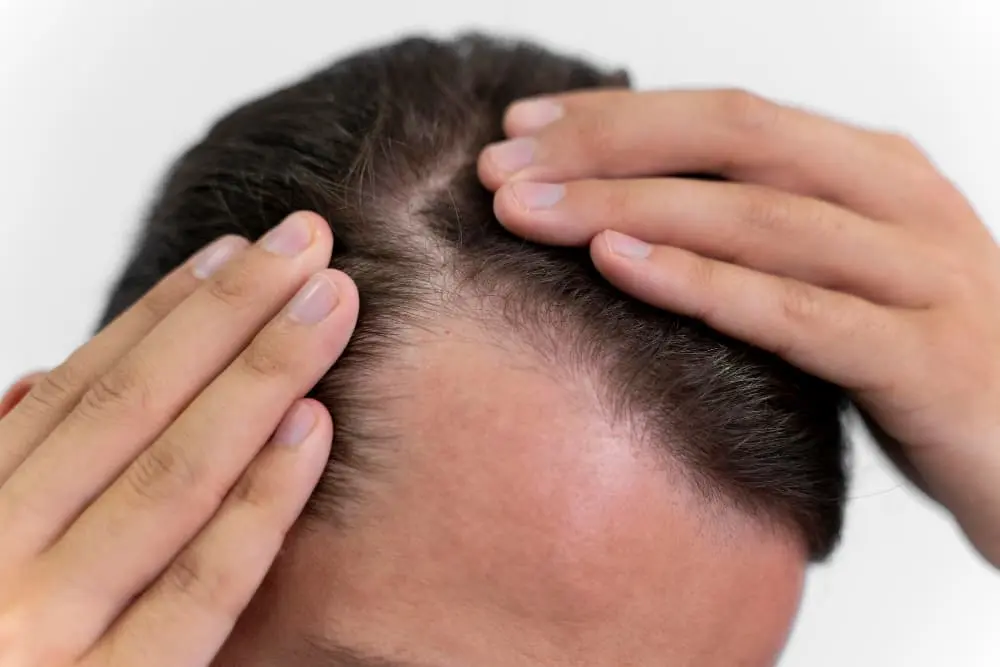
Hair transplantationis the process of transplanting new hair follicles to replace the lost hair. One of the most important steps in this process is to correctly determine the number of grafts needed. Grafts are small pieces of tissue containing hair follicles and each graft can contain one or more hair follicles. Amount of grafts required for hair transplantationIt may vary according to your degree of hair loss, your hair type and the width of the area to be transplanted.
Featured Headlines
ToggleOur clinic in Nişantaşı evaluates the needs of each individual on a personal basis and the optimal number of grafts determines. Our expert team offers the best solutions for you to achieve a natural and aesthetic result.
You can contact us to get more information about hair transplantation and to learn the number of grafts that best suits your needs.
What is Hair Transplantation and How Is It Done?
Hair transplantation, hair loss is a surgical method applied to regain the hair follicles of individuals with hair loss problems. This procedure is performed by transplanting healthy hair follicles, usually taken from the back or side of the head, to balding or sparse areas. Hair transplantation is an effective treatment method widely used in both men and women.
Hair transplant procedureis performed by a specialist doctor and is usually performed under local anesthesia. The design and planning of the transplantation area is of great importance to achieve a natural and aesthetic appearance. Grafts are small pieces of tissue containing hair follicles and these grafts are carefully removed and placed in balding areas.
Two main methods are used:
Both methods have advantages and disadvantages, so it is important to consult with a specialist doctor to determine which method is best for you.
As Medlook Clinic, we ensure that you achieve natural and permanent results by using the latest technologies and methods. Our expert team supports you at every stage of your hair transplantation process and works for you to get the best result. You can click here to get more detailed information about hair transplantation and learn the step-by-step process.
What is a Graft? What is its Importance for Hair Transplantation?
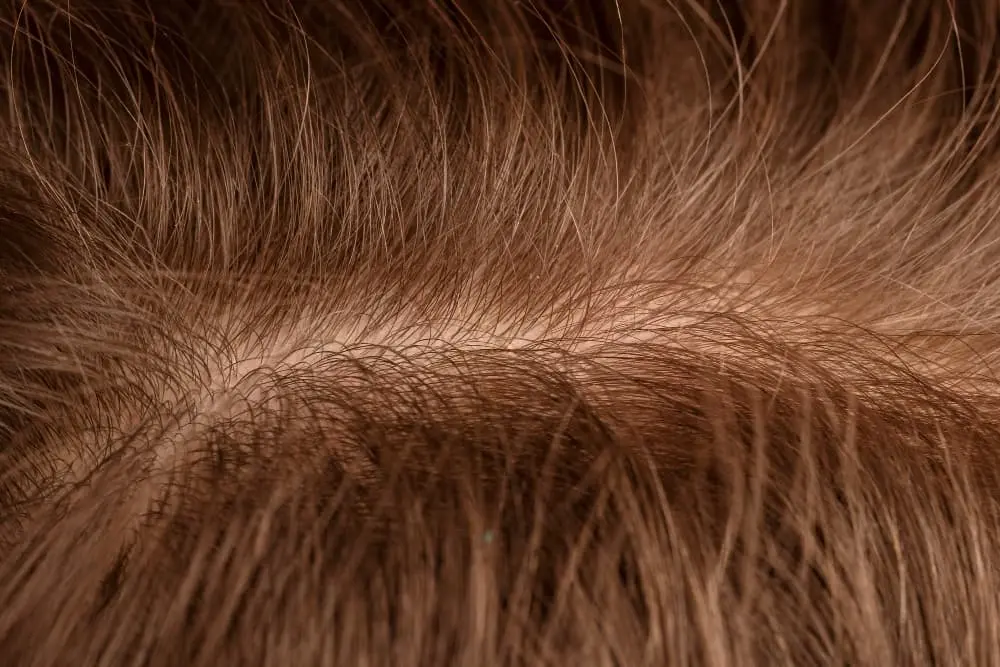
Graft, hair transplant is the name given to the small pieces of tissue containing hair follicles used in the process. A graft can usually contain between 1 and 4 hair follicles and during the hair transplantation process, these grafts are transplanted into balding or sparse areas. Correct collection and transplantation of the grafts, hair transplant success is of critical importance.
The importance of grafts in hair transplantation can be summarized as follows:
- Natural Appearance: The grafts are placed according to the natural direction and angle of the hair follicles. In this way, the hair gains a natural appearance after transplantation. Correctly placed grafts increase the density and fullness of the hair, resulting in an aesthetic result.
- Hair Density: The number of grafts needed is determined according to the width of the area to be transplanted and the degree of hair loss. By using a sufficient number of grafts, the desired hair density is achieved in the transplanted area. The key point here is to collect neither fewer grafts nor more grafts than the person needs. Transplantation with grafts collected less than the need will not provide the desired density. On the contrary, the grafts collected more than the need will damage the donor area and the hair strands in the transplantation area. It is essential to determine the optimal number of grafts. This is also Satisfactory results after hair transplantation to make it possible to achieve.
- Planning the Hair Transplant Process: Determining the donor area where the grafts will be collected is one of the most important steps of the hair transplantation process. The donor area is usually the back and sides of the head because the hair follicles in these areas are more resistant to hair loss. Collecting these follicles correctly ensures that the hair after transplantation is permanent and healthy.
- Recovery Process: Careful placement is necessary for the grafts to adapt quickly and healthily after transplantation. Hair transplantation performed under appropriate conditions and in expert hands allows the grafts to heal in a short time and the hair to start the growth process.
As Medlook Clinic, the importance of grafts With our expertise in hair transplantation and its correct use, we ensure that you achieve the best results in your hair transplantation process. Our experienced team works with you throughout the hair transplantation process, aiming to achieve natural and permanent results. You can contact us to get more information about hair transplantation and to learn about the treatment options suitable for your needs.
How Many Grafts Are Required for Hair Transplantation?
One of the most important factors when planning a hair transplant is to determine how many grafts are needed in the area to be transplanted. Number of graftsThe number of grafts may vary depending on the degree of hair loss, hair type and density, and the width of the area to be transplanted. Determining the correct number of grafts ensures both aesthetically satisfying results and increases the success of the hair transplantation process.
Overall, hair transplant The following factors are taken into account to determine the number of grafts required:
- Degree of Hair Loss: Hair loss, Norwood Scale The number of grafts is evaluated by classifications such as. For example, for a person in the Norwood 2-3 stage, 1000-2000 grafts may be sufficient, while in more advanced stages (Norwood 5-6) this number may increase up to 3000-5000 grafts.
- Width of the area to be planted: The size of the area to be transplanted directly affects the number of grafts needed. More grafts are required to cover larger areas.
- Hair Type and Density: The person's natural hair type and density also determines the need for grafts. While more grafts may be required for thinner hair, fewer grafts may be sufficient for thicker and denser hair.
- Aesthetic Objectives: The person's expectations and aesthetic goals also affect the number of grafts. Planning is done to achieve a natural and plump appearance.
As Medlook Clinic, we make personal assessments to achieve the best results in your hair transplantation process. How many grafts are needed for hair transplantation Our expert team carefully analyzes your degree of hair loss, your hair type and the characteristics of the area to be transplanted. In this way, we determine the most suitable number of grafts and transplantation plan for you and ensure that you achieve a natural and aesthetic result.
What is the Norwood Scale?
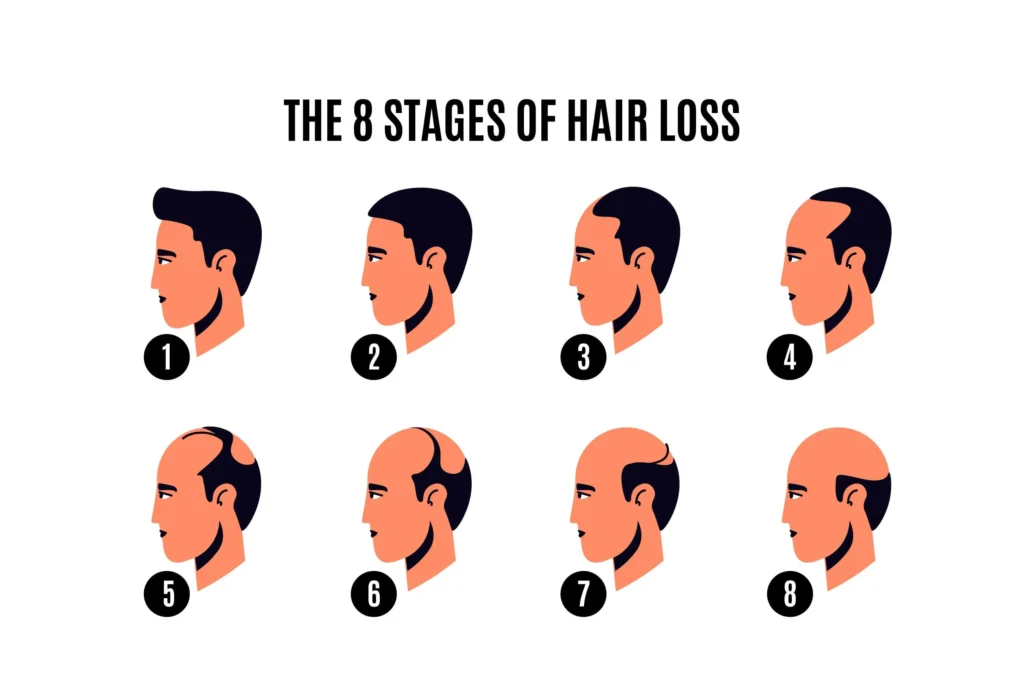
Norwood Scale, male pattern hair loss (androgenetic alopecia) is a common system used for classification. It was developed by Dr. James Hamilton in the 1950s and updated by Dr. O'Tar Norwood in the 1970s. This scale is used to determine the degree of progression and type of hair loss so that treatment planning becomes easier.
The Norwood Scale describes the stages and patterns of hair loss. Individuals experiencing hair loss and plays a major role in planning treatment methods such as hair transplantation. Here are the basic stages of the Norwood Scale:
- Phase 1: At this stage, there is little or no hair loss. The hairline is normal.
- Phase 2: The hairline recedes slightly and shedding begins, especially in the temple area.
- Phase 3: The hairline recedes more noticeably and there is significant hair loss in the temple area.
- Phase 4: Hair loss spreads to the crown area. The areas of hair loss in the front and crown areas expand.
- Phase 5: The hair loss in the vertex area becomes more pronounced and the balding areas between the front hairline and the vertex area enlarge.
- Phase 6: The front hairline and the vertex completely merge, forming a large balding area.
- Phase 7: It is the most advanced stage, leaving only a thin strip of hair on the sides and back of the head.
Norwood Scale, determine the degree and type of hair loss is an effective tool. This scale is also used for planning treatment methods such as hair transplantation.
Graft Calculation: Graft Need According to Hair Density
In hair transplant planning, graft calculation process is of great importance. The graft requirement is determined by taking into account the hair density, the width of the area to be transplanted and personal aesthetic goals. Calculating the correct number of grafts is a critical step to achieve a natural and full appearance after hair transplantation.
Determining the need for grafts according to hair density the following factors are taken into account:
- Current Hair Density: The hair density in the donor area determines how many grafts can be harvested. More grafts can be obtained from high-density donor areas. Generally, the hair on the back and sides of the head is resistant to hair loss, so these areas are preferred.
- Width of the area to be planted: The width of the balding or sparse area directly affects the number of grafts needed. More grafts may be required to cover larger areas. While 1000-2000 grafts are usually sufficient for small areas, this number can go up to 3000-5000 grafts for large areas.
- Hair Root Density: The number of hair follicles in each graft also determines the graft requirement. For example, if there are 2-3 hair follicles on average in a graft, 6000 to 9000 hair strands can be obtained with 3000 grafts. Denser hair follicles provide more hair strands with fewer grafts.
- Aesthetic Objectives: Personal aesthetic goals and expectations play an important role in the graft calculation. The hairline, direction and density of the hair are carefully planned to achieve a natural and full look. Since each individual's hair structure and aesthetic preferences are different, the number of grafts is determined individually.
As Medlook Clinic, graft calculation We make a detailed analysis to determine the most appropriate number of grafts for you in the process. Our expert team ensures that you achieve the best result by taking into account your hair density, the characteristics of your donor area and the width of the area to be transplanted. Hair transplantation You can contact us for more information and to have a customized graft calculation made for you.
Graft Amount According to Different Hair Types
In the hair transplantation process, the amount of grafts required for individuals with different hair types is an important factor. Characteristics such as hair type, hair strand thickness, degree of curliness and hair color play a major role in planning the transplantation process and determining the number of grafts. Graft quantity according to hair typemust be carefully calculated to achieve a natural and aesthetic result.
- Fine Hair: Fine hair may appear less voluminous and therefore require more grafts. Fine hair may require more frequent and intensive transplantation to achieve a natural look after transplantation. This hair type may require approximately 3000-4000 grafts depending on the area of hair loss.
- Thick Hair: Thick hair can provide a fuller appearance with fewer grafts. Thick hair strands provide a more voluminous and dense appearance after hair transplantation. For this reason, fewer grafts may usually be sufficient for thick hair. For example, depending on the size of the hair loss area, 2000-3000 grafts may be sufficient.
- Curly and Wavy Hair: Curly and wavy hair has the potential to create more volume and density. These hair types can provide a fuller appearance with fewer grafts. In curly hair, a fuller result is obtained after transplantation due to the natural curl of the hair. Therefore, 1500-2500 grafts may usually be sufficient.
- Straight Hair Straight hair often appears thinner and may require more grafts. Straight hair may require more frequent and intensive transplantation to achieve a natural and fuller appearance. In this hair type, approximately 2500-3500 grafts may be required depending on the width of the hair loss area.
As Medlook Clinic, the amount of grafts required according to your hair type We make a detailed analysis to determine the number of grafts. Our expert team determines the optimal number of grafts by considering your hair type, hair loss area and aesthetic goals. In this way, we ensure that you achieve a natural and aesthetic result after hair transplantation.
Hair Transplant Planning: Determining the Number of Grafts
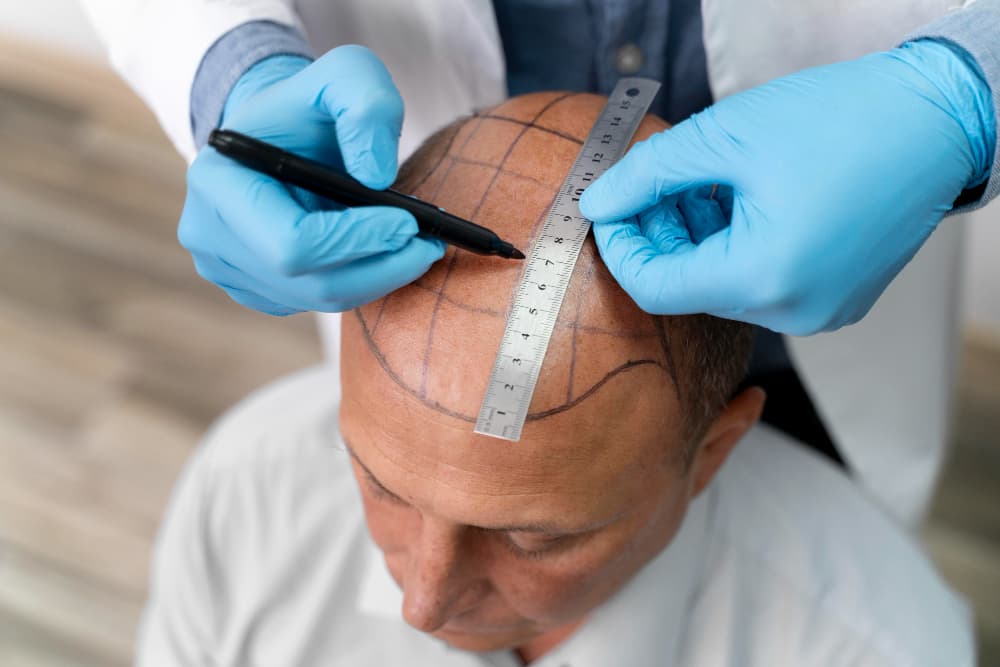
In the hair transplantation process, it is vital to determine the number of grafts correctly in order to achieve successful and natural results. Hair transplant planningis done by taking into account your personal needs, the degree of hair loss and your aesthetic goals. There are a few key factors to consider in this process.
- Determining the Degree of Hair Loss: The first step is to determine your degree of hair loss. This is done with classifications such as the Norwood Scale. The degree of hair loss directly affects the size of the transplant area and the number of grafts needed. For example, 1000-2000 grafts may be sufficient for a person at Norwood 2-3, while someone at Norwood 5-6 may need 3000-5000 grafts.
- Evaluation of the Donor Site: The donor site is usually the back and sides of the head. These areas are hair loss is preferred because it is resistant to hair loss. The density and hair quality of the donor area determines the number of grafts that can be harvested. More grafts can be obtained from high density donor areas.
- Analysis of Hair Type and Root Density: Each individual has a different hair type and density of hair follicles. You may have thin, thick, straight, curly or wavy hair. Your hair type and root density play an important role in determining the number of grafts. For example, thick and curly hair can provide a fuller look with fewer grafts, while thin and straight hair may require more grafts.
- Determination of Aesthetic Goals: Your personal aesthetic goals are a critical factor in hair transplant planning. The hairline, direction and density of the hair are carefully planned to achieve a natural and aesthetic result. Each individual's aesthetic expectations are different, so the number of grafts is determined individually.
- Expert Assessment: As Medlook Clinic, we make a detailed evaluation with our expert team during the hair transplant planning process. We determine the most suitable number of grafts for you, taking into account your hair loss degree, the characteristics of your donor area, your hair type and your aesthetic goals. In this way, we ensure that you achieve natural and permanent results after hair transplantation.
You can contact our clinic to get more information about hair transplantation and to determine the number of grafts for you. Our doctors work with you at every stage of your hair transplantation process and provide the necessary support to get the best result.
Post Hair Transplant Care and Importance of Grafts
Hair transplantation is an effective method to achieve aesthetic and permanent results. However, after hair transplant The care process is vital for the grafts to adhere in a healthy way and to achieve the desired result. Correct care of graftsplays a critical role in the healing process after hair transplantation and guarantees long-term success.
1. Early Days The first few days after hair transplantation are the most sensitive period for the grafts to adapt to their new location. There are some important points to be considered in this process:
- Rest Resting with your head elevated for the first 48 hours reduces swelling and bleeding.
- Avoid Touching Avoid touching or scratching the transplanted area. This prevents the grafts from dislodging.
- Mild swelling and redness: Mild swelling and redness are normal in the first few days. These symptoms usually disappear within a few days.
2. Washing and Cleaning: After a hair transplant, it is important to gently wash and clean the transplanted area. Following the washing instructions as recommended by your specialist ensures that the grafts hold on in a healthy way:
- First Wash: Usually after 48 hours, the first wash is done using a special shampoo and lotion.
- Gentle Washing: Wash the transplanted area with gentle movements and avoid rubbing.
- Drying Dry your hair gently with a soft towel. Take care not to use a hair dryer.
3. Itching and crusting: Itching and scabbing may occur after a hair transplant. This is part of a natural healing process:
- Don't scratch it: When itching occurs, avoid scratching the transplanted area.
- Crusting The scabs usually fall off on their own within 7-10 days. Wait for the scabs to fall off by themselves.
4. Nutrition and Hydration: During the healing process, a healthy diet and adequate fluid intake help the grafts to hold on in a healthy way:
- Vitamins and Minerals: Eat foods rich in vitamins and minerals essential for hair health.
- Water Consumption: Drinking plenty of water supports the body's healing process.
5. Physical Activity: It is important to avoid heavy physical activity for the first few weeks. Excessive sweating and physical strain can cause the grafts to dislodge:
- Exercise: You can take light walks, but avoid heavy exercise and sports activities.
- Sauna and Pool: Avoid activities such as sauna, steam room and pool for the first 4 weeks.
6. Regular Checkups: Regular medical check-ups after hair transplantation are important to monitor your healing process and intervene when necessary:
- First Check The first check is done the day after planting.
- Follow-up Checks: The condition of the grafts and the hair growth process are monitored by going to doctor controls at certain intervals.
As Medlook Clinic, care after hair transplantation we guide you through the process. Our team of experts provides you with all the necessary information and support to ensure that the grafts take hold in a healthy way and that you achieve a natural look.
The Best Time and Conditions for Hair Transplantation

Hair transplantation is a procedure that requires careful planning to achieve aesthetic and permanent results. One of the most important elements of this planning, hair transplant is to determine the most suitable time and conditions for transplantation. Choosing the ideal time both facilitates the healing process and ensures more successful results after transplantation.
Seasonal Conditions: Fall and winter months are generally the most suitable time for hair transplantation. Cooler temperatures during these periods reduce the risk of sweating and facilitate the healing process. Hair transplantation can also be performed in spring and summer, but precautions should be taken against high temperatures and sunlight.
Personal Timing: Since the hair transplant process may affect your work and social life, your personal schedule should be taken into consideration. Having a hair transplant during vacation periods away from your busy work schedule allows you to spend the healing process more comfortably. Having a hair transplant a few months before important events such as special events, weddings or graduations allows enough time to achieve the desired results.
Health Status: It is important that your general health condition is appropriate before having a hair transplant. Before hair transplantation, you should have the health checks recommended by your doctor and find out if there are any health problems. You should also inform your doctor about the medications you use regularly and adjust your medication when necessary.
Psychological Preparation: Hair transplantation is a process that requires not only physical but also psychological preparation. It is important to remember that the results after hair transplantation may take time and full results will be seen in a few months. Receiving emotional support during the hair transplantation process will help you go through your recovery process in a more positive way.
Choosing the Right Clinic and Specialist: Choosing the right clinic and specialist is also critical when determining the best time for hair transplantation. Consultation with a specialist doctor will help you determine the best time and conditions for you. Having a hair transplant in an experienced and well-equipped clinic increases the chances of success.
Determining the best time and conditions for hair transplantation is a critical step for the success of your hair transplantation process. Hair transplantation performed at the right time and under favorable conditions accelerates your healing process and allows you to achieve natural, aesthetic results.
Contact us

You can contact us to get more information about hair transplantation, to create a treatment plan that suits your personal needs and to get professional support.
Our expert team guides you before and after hair transplantation to ensure you achieve the best results.
As Medlook Clinic, we are here to offer you the highest quality service. Contact our experts to answer all your questions about hair transplantation and inform you in the most accurate way.









 Turkish
  English
  German
  French
  Italian