

Does Iron Deficiency Cause Hair Loss, and How Can You Tell?
 Dr. Handan YavuzUpdated 6 min read
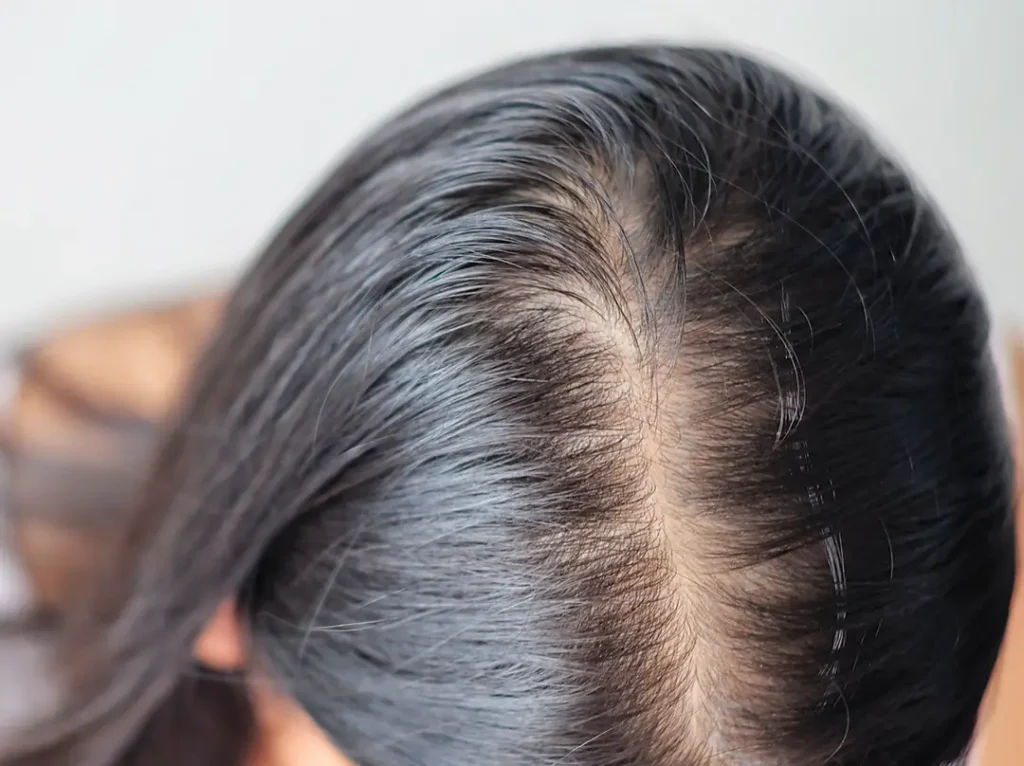
There is a question on the minds of many people whose hair is thinning: does iron deficiency cause hair loss? The short answer is yes; low iron stores are one of the known grounds that make hair loss more likely by disrupting the balance that nourishes the hair root. This is a commonly encountered cause, especially in women.
However, not every case of hair loss can be explained by iron; that is why values need to be measured rather than guessed. In this article, we cover in plain language the relationship between iron and hair, why ferritin matters, and when supplements make sense. For a definitive diagnosis and treatment, a physician must always be consulted.
Highlights
- Low iron stores affect the hair root and can make temporary hair loss more likely.
- In women with hair loss, low ferritin is detected at rates exceeding 30% in some studies.
- Even if the blood count looks normal, ferritin should be checked separately.
- Iron supplementation makes sense only when a deficiency is proven and on a physician's recommendation.
- Once the deficiency is corrected, this type of hair loss usually resolves within a few months.
Does Iron Deficiency Cause Hair Loss?
In most cases, the answer to the question of whether iron deficiency causes hair loss is yes. Iron is an important mineral the hair root needs to sustain its growth phase. When stores run low, more hairs move into the resting phase and the loss becomes visible.
This type of hair loss is usually diffuse and does not create bald patches in tufts. The good news is that iron-related hair loss is largely reversible. Once the deficiency is corrected, the hair mostly recovers.
Why Does the Ferritin Value Matter?
The ferritin value is the most important marker showing the body's iron store. Ferritin can be low even when the blood count and hemoglobin are normal. That is why ferritin needs to be checked separately when evaluating hair loss.
For hair health, ferritin is expected to be above a certain threshold. Low ferritin can pave the way for hair loss even before anemia has developed. For this reason, ferritin is a meaningful value for hair on its own.
What Is the Relationship Between Anemia and Hair?
The relationship between anemia and hair begins with the depletion of iron stores. When iron drops, the stores empty first, and anemia may develop afterward. Hair loss can often be an early sign of this process.
In other words, hair can be affected even without clear anemia. In this case, symptoms such as fatigue and paleness may accompany the hair loss. Interpreting the values as a whole is important for a correct diagnosis.
What Are the Symptoms?
In iron deficiency, other symptoms can appear alongside hair loss. Fatigue, weakness, pale skin and brittle nails are at the top of the list. When these symptoms occur together, it is a warning sign for iron.
However, these symptoms can also arise from other causes. That is why it is not right to decide based on symptoms alone. A definitive distinction can only be made with blood tests.
Why Does Iron Decrease?
Iron stores most often decrease when losses exceed intake. In women, menstrual periods, pregnancy and breastfeeding increase iron needs. An unbalanced diet and absorption problems can also lower stores.
Iron intake can fall short in people who eat a mostly plant-based diet. Some digestive problems impair absorption and lead to deficiency. Identifying the cause matters not only for hair but also for overall health.
Which Tests Should Be Done?
When iron-related hair loss is suspected, the most important test is ferritin. In addition, a complete blood count and, when needed, iron-binding capacity are requested. Together, these values clearly show the iron status.
Those curious about the scientific background can look at the publications on the relationship between iron deficiency and hair . Results should be interpreted by a physician together with the symptoms.
When Is Iron Supplementation Needed?
Iron supplements should be used only when a deficiency is proven by testing and on a physician's recommendation. Iron taken when there is no deficiency provides no benefit and can even cause harm. Excess iron can accumulate in the body and lead to unwanted effects.
The dose and duration of supplementation are determined according to the ferritin level. Refilling the stores usually takes a few months, so patience is needed. When to stop treatment is again decided by follow-up values.
How Can You Increase Iron Through Diet?
The richest sources of iron are red meat, liver and seafood. Legumes and dark leafy greens also provide plant-based iron. Consuming them together with foods containing vitamin C increases iron absorption.
Drinking tea and coffee with meals, on the other hand, can reduce iron absorption. That is why it is better to have these drinks between meals. Even if the diet is corrected, supplements may be needed in cases of serious deficiency.
What Is the Relationship With Telogen Effluvium?
Telogen effluvium is a temporary type of hair loss in which a large number of hairs enter the resting phase at the same time. Iron deficiency is one of the known triggers of this condition. In other words, low iron can lead to diffuse loss in the form of telogen effluvium.
This type of hair loss usually resolves once the trigger is removed. You can find the general framework of hair loss in our What Causes Hair Loss? article. A correct diagnosis requires finding and removing the trigger.
When Does Hair Grow Back?
After iron stores are restored, it takes time for hair to recover. Because hair is a slow-growing tissue, seeing the result can take a few months. Consistency and patience matter during this period. Correcting the value once is not enough; the balance must be maintained for a lasting result.
When ferritin reaches the target range, hair loss usually decreases markedly. Those curious about supportive care options can look at our oils that are good for hair loss article. Even so, what really matters is achieving iron balance.
Who Is at Risk?
Menstruating women, pregnant women and breastfeeding people carry a higher risk of iron deficiency. People who eat a mostly plant-based diet and those with digestive problems also fall into this group. In these people, hair loss is more often linked to iron. Frequent blood donors can also see their stores decline over time.
Monitoring ferritin in people in the risk group provides early warning. That way, precautions can be taken before hair loss becomes noticeable. Regular checks are valuable for both hair and overall health. For people who have symptoms in particular, an evaluation once a year is a sensible habit.
When Should You See a Specialist?
An evaluation is needed if widespread, ongoing hair loss is accompanied by symptoms such as weakness and paleness. This is even more important if the hair loss continues despite the diet being corrected. Early diagnosis points the way for both hair and overall health. Regular monitoring of the values is the most reliable way to prevent the problem from recurring.
If you are unsure which department to go to, consulting a center experienced in hair issues can point you in the right direction. A correct evaluation also prevents unnecessary supplements. A step taken in time makes the process easier.
Contact Us
Contact Us Now for Free Consultation and Appointment!
Does Iron Deficiency Occur in Children and Teenagers?
Iron deficiency is not specific to adult women; it can also occur in children and teenagers. Iron needs rise during periods of rapid growth, and a gap can form with an unbalanced diet. The start of the menstrual cycle in adolescence increases iron loss in young girls. In these periods, hair health is also affected by this balance.
In these age groups, the decision to give supplements requires particular care and physician supervision. Uncontrolled iron use can be harmful in children. The right dose must always be determined according to blood values. A balanced diet, meanwhile, is the safest source of iron at every age.
Summary of the Relationship Between Iron and Hair
The table below briefly summarizes the relationship between iron and hair.
| Topic | Meaning | For Whom | Note |
|---|---|---|---|
| Ferritin | Iron store marker | Everyone | Important on its own for hair |
| Anemia | Advanced iron loss | Risk groups | Can develop after hair loss |
| Supplement | In proven deficiency | On a physician's recommendation | Excess is harmful |
| Nutrition | Iron source | Everyone | Vitamin C increases it |
Those who want to see all the causes in one place can browse the content in our hair loss category. The role of iron becomes clear only with person-specific tests.
An iron and ferritin evaluation for your hair is carried out through an examination at Medlook Private Clinic. For any questions, you can you can contact.
Author: Dr. Handan Yavuz, Medical Aesthetics Specialist. This content has been prepared to answer the questions of people who are curious about the relationship between iron deficiency and hair loss.
Frequently Asked Questions (FAQ)
Does Iron Deficiency Cause Hair Loss, and Is There Evidence?
Yes, low iron stores are a known cause that makes temporary hair loss more likely. It is especially common in women and usually resolves once the deficiency is corrected.
What Should Ferritin Be?
For hair health, ferritin is expected to be above a certain threshold. The target value can vary from person to person; it must be interpreted by a physician.
I'm Not Anemic but My Hair Is Falling Out. Could It Be Iron?
Yes. While iron stores are being depleted, anemia may not have developed yet. That is why it is important to check ferritin separately even if hemoglobin is normal.
Can I Take Iron Without Getting Tested?
It is not recommended. Iron taken when there is no deficiency provides no benefit and can accumulate and cause harm. The right dose is determined only through testing and on a physician's recommendation.
How Long Does It Take for Hair to Grow Back?
After iron stores are restored, recovery can take a few months. Because hair grows slowly, patience is needed; once ferritin reaches the target, shedding decreases.
Which Foods Increase Iron?
Red meat, liver, seafood, legumes and dark leafy greens stand out. Consuming them together with vitamin C increases absorption.
Can’t find your question here?Send us what you would like to know and our team will get back to you.
WhatsAppYou May Also Like
NoMor or Light Filler? 5 Differences Under the Eyes
NoMor or light filler for the under-eye area? Compare the purpose and effect of both methods, and which type of dark circle each suits, from an expert perspective.
PRP Prices 2026: What Do They Depend On?
What do PRP prices depend on, and which factors determine the cost? We explain, from an expert's perspective, how the number of sessions, kit type and treatment area affect the 2026 price.
How Many Sessions of Hair PRP? Procedure and Aftercare 2026
What is hair PRP, how does it work against hair loss, and who is it for? We cover the use of plasma prepared from a person's own blood for hair.
 Turkish
 English
 German
 French
 Italian
 Russian
 Romanian