
Does a Botox Injection Hurt? Comfort During the Procedure
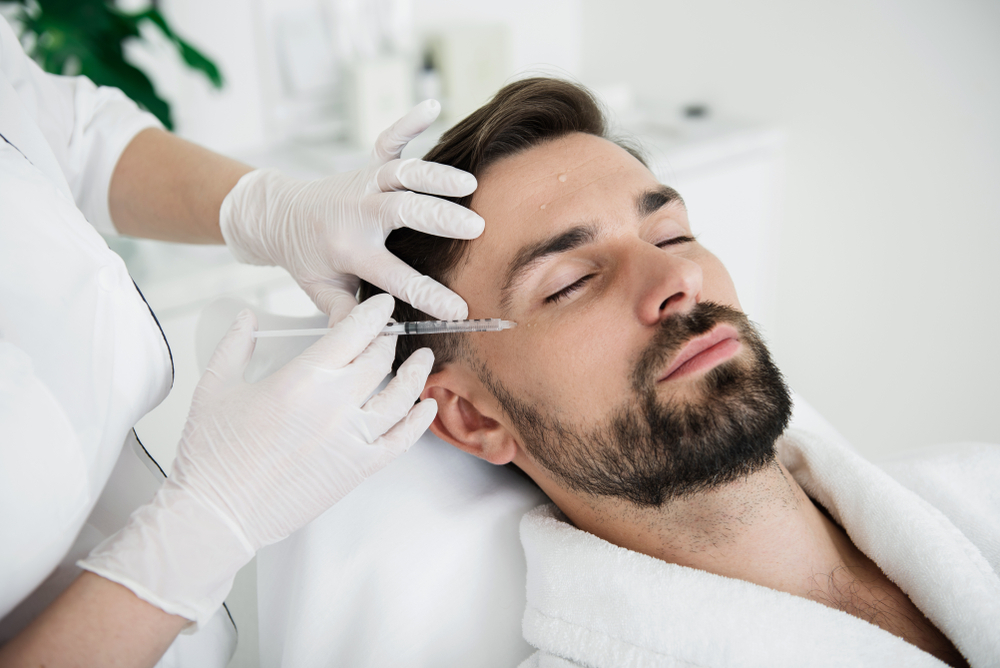
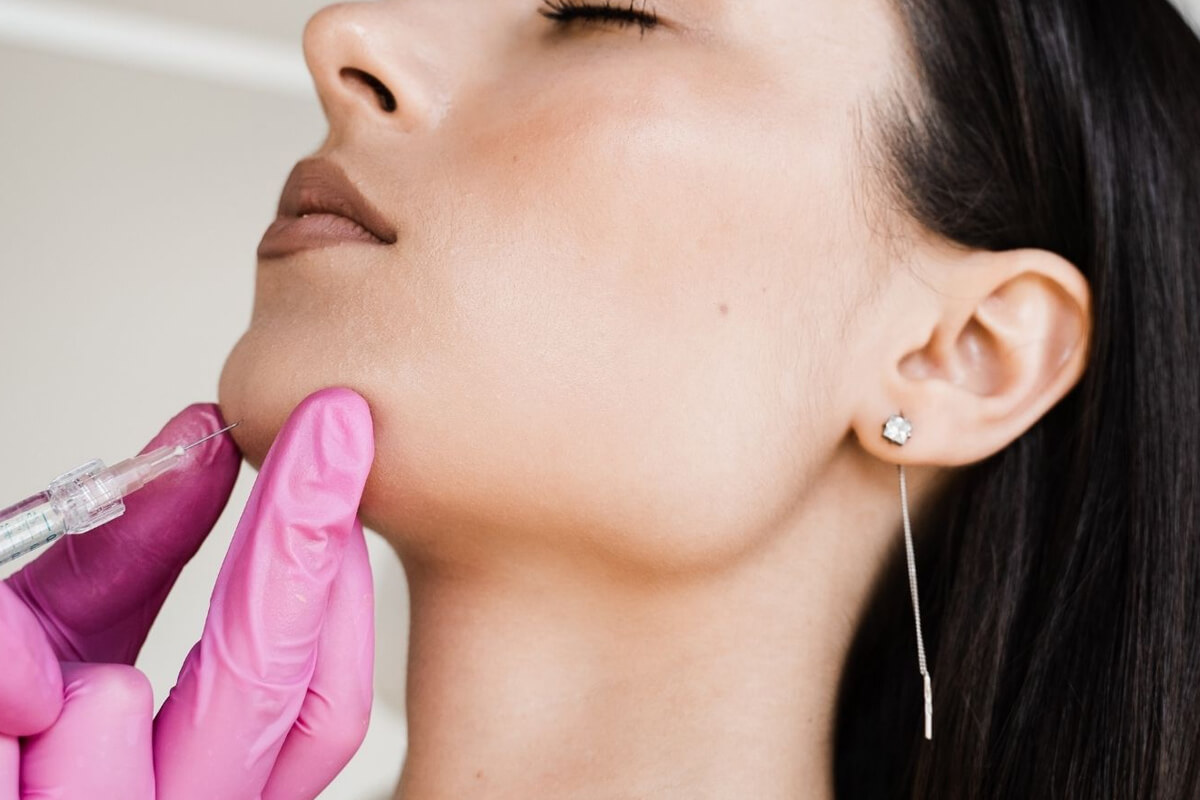
Botox injections are one of the things that cause the most anxiety before the procedure. However, because the needles used are very fine, the procedure is generally much more comfortable than people expect.
Featured Headlines
ToggleThe sensation is usually a brief prick, and the procedure is over in a few minutes. In this article, we address common questions about Botox injections and discuss methods to make the experience more comfortable.
Highlights
- Botox needles are very thin; therefore, you usually feel only a slight prick.
- The procedure is quick and is generally well tolerated by most people.
- For those who are afraid of needles, a topical anesthetic cream can make the procedure more comfortable.
- No pain is expected after the procedure; patients can resume their daily activities immediately.
Does Botox Hurt?
For most people, the answer to the question “Does Botox hurt?” is that it feels like just a slight prick. Thanks to the fine needles and small doses, no significant pain is expected.
Even in people with a low pain threshold, the procedure is generally well tolerated. There is no pain after the procedure.
How Thin Is a Botox Needle?
Botox needles are among the thinnest needles produced for cosmetic injections. This thinness both enhances comfort and reduces the risk of bruising.
Thanks to the needle’s fine gauge, each injection is administered quickly and with minimal discomfort. For research on injection comfort: these publications can be viewed.
What Should People Who Are Afraid of Needles Do?
Fear of needles is common, and there are practical solutions for it. Applying a topical anesthetic cream before the procedure further reduces the sensation of the needle prick.
In addition, having the doctor explain the process and providing a calm environment helps reduce anxiety. Breathing exercises can also be helpful during this process.
Is Anesthetic Cream Necessary?
Anesthetic cream is not required for most procedures, but it can be used for comfort if desired. The cream is applied to the area a short time before the procedure.
It is particularly suitable for use on sensitive areas such as the lips. For upper face applications, most people do not need to use a cream.
How Can You Improve User Experience?
The key to enhancing patient comfort is an experienced physician and the right technique. A quick and precise injection minimizes discomfort.
Small techniques like applying cold compresses and distracting yourself can also help. With the right approach, a Botox treatment is a very comfortable experience.
Where Does the Fear of Needles Come From?
Fear of needles is a common and natural reaction for most people. This fear usually stems from negative experiences during childhood. The anxiety stemming from anticipation is often greater than the procedure itself. That is why recognizing the fear is the first step in managing it.
Because the instruments used in cosmetic procedures are very fine, the sensation is less than expected. As a person goes through the experience, their fear usually subsides quickly. After the first procedure, most patients report feeling more at ease. Experience goes a long way toward alleviating anxiety.
The most significant factors that intensify fear are uncertainty and a sense of loss of control. Explaining the process in advance significantly reduces this feeling. Knowledge is the most effective antidote to anxiety. A prepared approach makes the experience easier.
How Can You Reduce Discomfort During the Procedure?
The most effective way to minimize discomfort is through a quick and precise procedure. An experienced physician completes each step in a matter of seconds. This speed minimizes the sensation of the needle entering the skin. A precise technique is the foundation of comfort.
Cold therapy provides relief by temporarily numbing the area. Distraction techniques also help reduce anxiety. These small touches make the experience easier. Simple methods make a big difference.
Maintaining a steady breathing rhythm is another way to reduce tension. Calm breathing helps the muscles relax. This improves both comfort and the quality of the practice. A relaxed person has a more comfortable experience.
Do Childhood Fears Affect Behavior?
A fear of needles experienced in childhood can continue to have an impact into adulthood. This kind of past experience can increase a person’s anxiety. However, this does not prevent the procedure from being performed. The right approach makes the fear manageable.
When the doctor is aware of this concern, it allows them to plan the process accordingly. A calmer environment and additional comfort measures are put in place. These preparations make the experience more comfortable. An understanding approach instills confidence.
When a person has their first positive experience, their previous fear usually subsides. As a result, subsequent attempts go much more smoothly. Experience is the best cure for fear. Over time, anxiety gives way to confidence.
Which Areas Are More Sensitive?
Not every area of the face has the same level of sensitivity. Areas with thin skin and a high concentration of nerves, such as the area around the lips, are slightly more sensitive. The upper face, on the other hand, is generally better tolerated by most people. These differences are taken into account when planning the procedure.
A topical anesthetic cream may be used on sensitive areas. This cream is applied to the area a short time before the procedure. This further reduces the sensation of stinging. Proper preparation enhances comfort.
Sensitivity to the area can also vary from person to person. For this reason, the approach is always individualized. The doctor selects the method based on the person’s needs. A personalized plan ensures the most comfortable experience.
What Are Some Methods for Reducing Pre-Procedure Anxiety?
The most effective way to reduce pre-procedure anxiety is to learn about the process in advance. Knowing what to expect restores a sense of control. An open discussion with your doctor is very helpful in this regard. Knowledge significantly reduces anxiety.
Konforlu bir uygulama deneyimi sayesinde hasta memnuniyeti, klinik çalışmalarda %90’a yakın bildirilir. Bu memnuniyetin önemli bir kısmı, sürecin sanılandan rahat geçmesinden kaynaklanır. Doğru hazırlık, bu olumlu deneyimi destekler. Bilinçli yaklaşım, kaygıyı azaltır.
Getting plenty of rest and limiting your caffeine intake before your appointment can also be helpful. A calm mind makes the experience easier. Small preparations can make a big difference in your comfort. Someone who is prepared approaches the process with greater confidence.
How Will You Feel After the Procedure?
Significant pain is generally not expected after the procedure. Rarely, a mild headache or slight redness may occur in the first few days. These effects resolve on their own within a short time. No recovery period is required.
The patient returns to their daily routine immediately after the procedure. It is recommended to avoid massaging the area for the first few hours. This simple rule helps the results set in. A comfortable recovery rounds out the experience.
If there is a small bruise, it can be easily covered with makeup. It is not expected to leave a permanent mark. Therefore, post-procedure comfort is high. A smooth process increases patient satisfaction.
What Matters for a Comfortable Experience?
The foundation of a comfortable experience is an experienced practitioner and the right technique. A quick and precise procedure minimizes discomfort. A calm environment and good communication also contribute to this comfort. When these elements come together, the experience is very comfortable.
Clearly sharing one’s expectations also makes the process easier. When concerns are discussed in advance, solutions can be planned together. This collaboration builds trust. Open dialogue is a prerequisite for comfort.
With the right approach, this practice is much more comfortable than most people think. Fear is often greater than the actual experience. The first positive experience changes that perception. Knowledge and confidence round out the sense of comfort.
Tips for First-Time Users
Learning about the process before your first experience significantly reduces anxiety. An open discussion with your doctor ensures that all your questions are answered. Knowing what to expect restores a sense of control.
Getting a good night's sleep and limiting your caffeine intake before your appointment can also help. A calm mind makes the experience easier. Small preparations go a long way toward making you feel more comfortable.
Clearly communicating expectations has a positive impact on both comfort and the outcome. A positive first experience usually quickly alleviates fear. As a result, subsequent sessions go much more smoothly.
Botox Injections: Factors Affecting Comfort
The table below summarizes the factors that affect comfort.
| Factor | Impact |
|---|---|
| Needle thickness | Less pain, less bruising |
| Anesthetic cream | Reduces the feeling of sinking |
| Medical experience | Fast, accurate implementation |
| Region | The lips are more sensitive |
Those who want to take a comprehensive look at the topic of Botox injections What is Botox? and How Is Botox Administered? You can browse our content; for all Botox treatments, botox applications You can check out our page.
For a comfortable Botox treatment, the personalized assessment begins with a detailed examination at the Medlook Clinic. Please contact us with any questions you may have. you can contact.
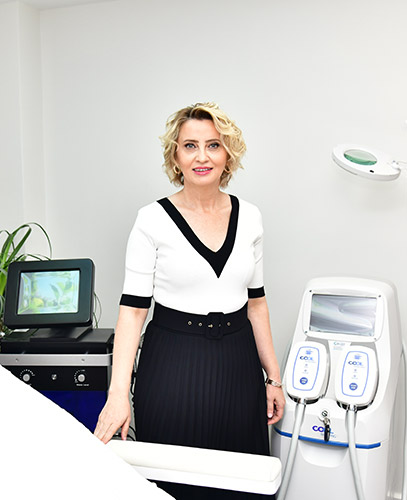
Author: Dr. Handan Yavuz, Medical Aesthetics Specialist. This content has been prepared to answer patient questions about Botox injections and the comfort of the procedure.
Contact Us
Contact Us Now for Free Consultation and Appointment!
Frequently Asked Questions (FAQ)
No. Because very fine needles are used, you usually feel only a slight prick. The procedure is quick and is generally well tolerated by most people.
It is not required, but a topical anesthetic cream may be applied if desired. It may be preferred, especially on sensitive areas such as the lips.
Yes. Anesthetic cream, a calm environment, and an experienced practitioner can go a long way toward managing the fear of needles. The short duration of the procedure also helps reduce anxiety.
This is not usually the case. Patients return to their daily routines immediately after the procedure; mild headaches may rarely occur in the first few days.
Since a fine needle is used, it is not expected to leave a mark. Rarely, there may be slight redness or bruising, but this goes away quickly.





 Turkish
  English
  German
  French
  Italian