
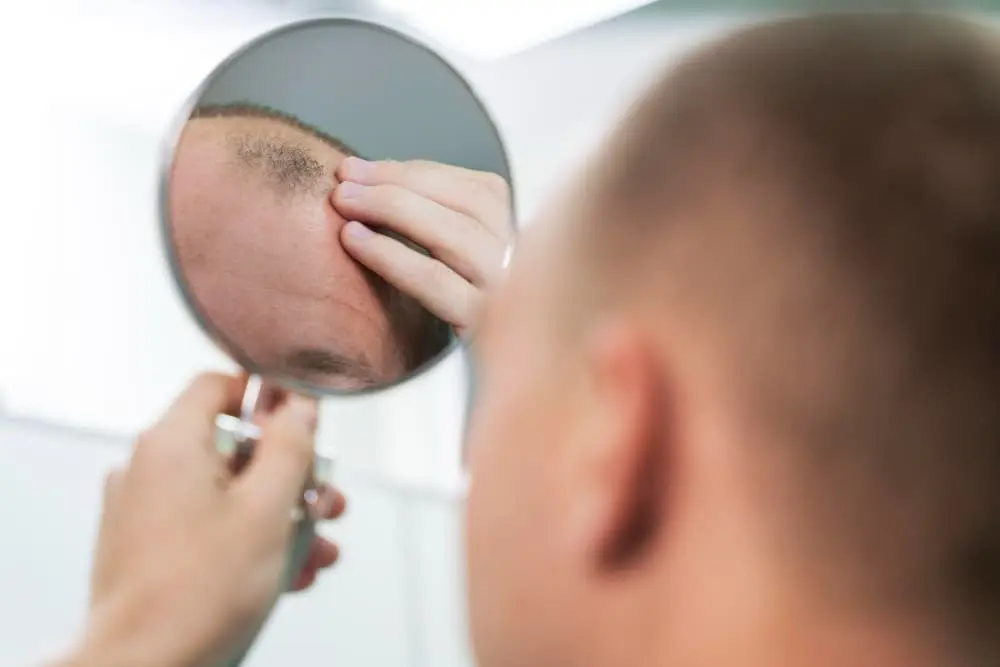
Hair transplantation, offers a permanent and effective solution for people experiencing hair loss. However, it is often wondered when the scars will disappear after this procedure and how the healing process will progress.
Featured Headlines
ToggleDuration of scars after hair transplantation, The technique used may vary depending on the skin structure of the person and the care methods applied. In this article, general information about the healing process of hair transplant scars will be given and suggestions will be presented for the rapid healing of scars.
Read on to find out what to look out for to achieve the best results and speed up the healing process.
Recovery Process After Hair Transplant
The healing process after hair transplantation may differ from person to person, but certain stages are generally followed. Recovery process, directly affects the success of the procedure and its natural appearance. Important points to be considered in this process are as follows:
First Week
- Swelling and Redness: In the first few days after hair transplantation, swelling and redness may be seen in the transplanted area. This usually subsides within 3-4 days.
- Crusting Small scabs form in the transplanted area. These scabs usually fall off by themselves within a week. It is important not to touch the crusts by hand.
- Mild Pain and Discomfort: There may be mild pain and discomfort in the first days. Painkillers recommended by your doctor will alleviate this condition.
Week Two and Week Three:
- Shedding of the Shell: By the end of the first week the scabs begin to fall off and by the end of the second week they are largely gone.
- Spillage During the second and third week, the transplanted hair may fall out. This is a normal process and makes room for new hair to grow.
First and Third Months:
- Growth of New Hair: From the third month onwards, new hair begins to grow. This hair may be thin and weak at first, but over time it becomes thicker and stronger.
- Reduction of Scars: From the second month onwards, the scars begin to visibly diminish in the transplanted area.
Sixth Month and Beyond:
- Thickening of Hair From the sixth month onwards, the transplanted hair becomes noticeably thicker and gains a natural appearance.
- Full Recovery The full healing process usually takes 12 months. During this time, the hair takes on a completely natural appearance and the transplant scars largely disappear.
Care and Maintenance:
- Gentle Washing: For the first 10 days, wash your hair gently and use the products recommended by your doctor.
- Avoid direct sunlight: Avoid exposure to direct sunlight for the first few weeks. Use a hat for protection if necessary.
- Smoking and Alcohol: Smoking and alcohol consumption can negatively affect the healing process. Avoiding these habits will speed up the healing process.
It is very important to be patient and follow your doctor's advice during the healing process after hair transplantation. With the right care and attention, it is possible to achieve a natural appearance and a great disappearance of scars after hair transplantation.
Hair Transplant Scars: What to Expect?
The condition of scars after hair transplantation may vary depending on the technique used and the individual skin structure. Hair transplant scars, is part of the healing process and will greatly diminish or disappear completely over time. Here's what you need to know:
Traces According to Sowing Techniques:
- FUE (Follicular Unit Extraction): The FUE method is a technique that leaves minimal scarring. Since the hair follicles are removed one by one, the healing process is faster and the scars are usually very small and non-obvious.
- Sapphire FUE : Today, new technologies are being utilized in the field of hair transplantation in order to achieve a more dense and natural appearance. With the use of sapphire blades, FUE, the modern hair transplantation technique, stands out one step further.
- DHI (Direct Hair Implant): (Direct Hair Implant) is a modern and advanced technique among hair transplantation methods, especially preferred for cases that require natural appearance and precision. It is characterized by the direct implantation of hair follicles, which makes the procedure both fast and effective.
Early Days and Weeks:
- Swelling and Redness: It is normal to have swelling and redness in the transplanted area for the first few days. These symptoms usually subside within a week.
- Crusting After transplantation, small crusts form in the area. These crusts are necessary for the hair follicles to settle and begin to fall off in about a week.
Spillage Process:
- Week Two and Week Three: The loss of transplanted hair is called shock shedding and this process occurs in the second and third weeks after transplantation. This is a normal stage for the growth of new hair and should not be a cause for concern.
Reduction Process of Scars:
- First Month Within the first month, scars are visibly reduced in the transplanted area. Small redness and scabs heal completely.
- Third Month By the third month, the scars have largely disappeared and new hair begins to grow. The natural appearance and quality of the hair improves.
- Sixth Month In the sixth month, the scars in the transplanted area almost completely disappear. The new hair grows thicker and stronger.
Long Term Outlook:
- Full Recovery The full healing process usually takes 12 months. During this time, the scars in the transplanted area largely disappear and the hair takes on a completely natural appearance.
Suggestions for Reducing Scars:
- Maintenance and Cleaning: Keeping the area clean after hair transplantation and using the care products recommended by your doctor allows the scars to heal faster.
- Gentle Approach: In the first weeks, it is important to treat the transplanted area gently, not to scratch or apply pressure.
- Protective Measures: Avoiding direct sunlight, wearing a hat and preventing excessive sweating accelerates the healing process.
These are the things to know about scars after hair transplantation. Paying attention to the healing process and following your doctor's advice will help the scars disappear quickly.
Care Tips to Speed Up the Recovery Process
Recovery process after hair transplantationIt is important to apply the right care methods to speed up and achieve the best results. Rest in the first days and sleeping with your head elevated can reduce swelling and discomfort. Avoid touching or scratching the transplanted area, prevents dislocation of the grafts and accelerates the healing process.
Washing and Cleaning
The first wash is usually done 48 hours after hair transplantation. Special shampoos and lotions recommended by your doctor and gently wash the transplanted area. When washing your hair, use light movements and do not apply too much pressure. washing helps the grafts to settle.
Itching and Moisturizing
Itching sensation after hair transplantation is normal. Avoid scratching and wait for the crusts to fall off by themselves. Moisturizing lotions recommended by your doctor to keep the transplanted area moist.
Nutrition and Hydration
Essential vitamins and minerals for hair health It is also important to consume foods rich in biotin. Especially foods rich in biotin, zinc and iron support fast and healthy hair growth. Also, drinking plenty of water to support the body's healing process is essential. Adequate hydration ensures healthy growth of hair follicles.
Physical Activity
In the first weeks avoid heavy physical activity. You can take light walks, but you should avoid activities that may cause excessive sweating. First 4 weeks sauna, steam room and pool Avoiding activities such as the use of the Internet reduces the risk of infection.
Sun Protection
In the first weeks avoid exposure to direct sunlight. If necessary, you can use a wide-brimmed hat to protect the area. Also, smoking and alcohol consumption can negatively affect the healing process. Avoiding these habits accelerates the healing process and ensures a healthier placement of the grafts.
Doctor Check-ups
Finally, after hair transplantation go to regular doctor check-ups It is important to monitor your recovery and seek expert advice when necessary. Correct maintenance practices, accelerates your healing process and ensures a healthy healing of the transplanted area. By paying attention to these tips, you can achieve the best results after hair transplantation.
Which Products Should Be Used For Scars After Hair Transplantation?
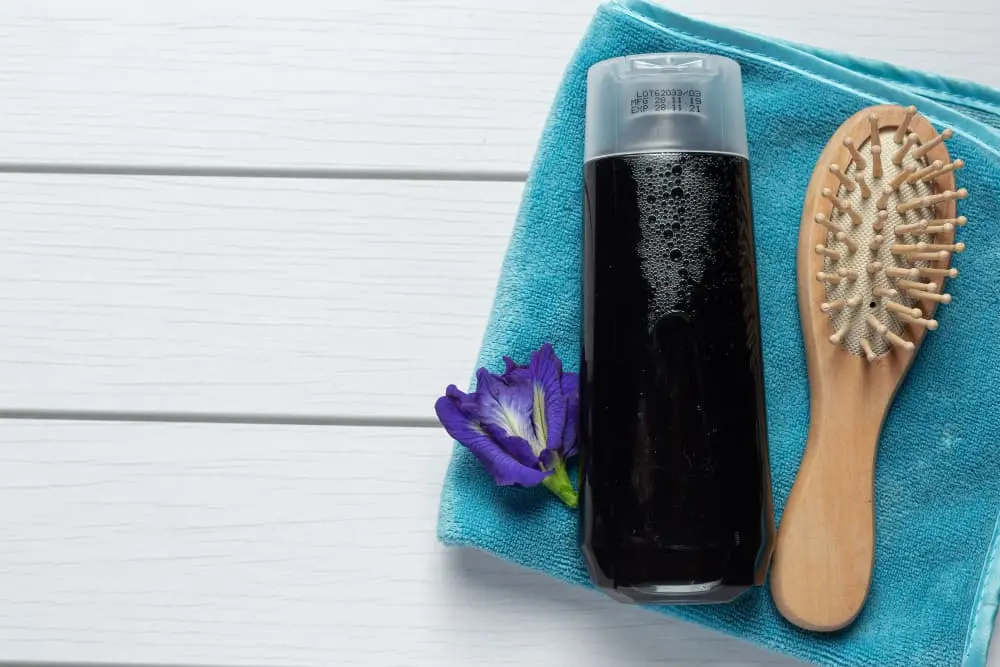
It is very important to use the right products for the rapid healing and minimization of scars after hair transplantation. Care after hair transplantation The products to be used in the process support the regeneration of the skin and the healthy settlement of the grafts. Here are some products recommended for use for scars after hair transplantation:
Special Shampoos and Lotions
For the first washings after hair transplantation, you should use special shampoos and lotions recommended by your doctor. These products are, cleanses and moisturizes the skin without irritation. Shampoos usually have a gentle formula and help the hair follicles to grow in a healthy way. Lotions, on the other hand, soften the scabs and make them fall off easily.
Moisturizing Creams
Keeping the transplanted area moist accelerates the healing process. Creams in the form of moisturizing foam recommended by your doctor, improves skin elasticity and helps scars heal faster. These creams also relieve itching and provide relief.
Antibiotic Creams
Your doctor may recommend antibiotic creams to prevent the risk of infection during the healing process. Antibiotic creams, prevents the formation of infection and supports the healing process. These creams help to keep the transplanted area healthy, especially in the first days. You do not need to use it if your doctor has not recommended it.
Microneedling
Microneedling procedure performed on the transplantation area and donor area 1 month after hair transplantation as recommended by your doctor increases new blood circulation and supports hair growth
Sprays
Again, in order to support hair growth 1 month after the operation, applying the sprays recommended by your physician after microneedling can positively increase the results of hair transplantation.
Professional Hair Mesotherapy
Hair mesotherapy It is the injection of mesotherapy products, which contain special substances such as vitamins, minerals, peptides and growth factors that healthy hair needs, into the scalp, allowing hair follicles to transition to the growth phase. It is possible to support the strengthening of hair after hair transplantation with hair mesotherapy performed with mesotherapy products selected individually at Medlook Clinic.
Home Mesotherapy Products
These are hair mesotherapy products in non-injectable form that people can apply at home. It is possible to support hair treatment with these products, which are usually applied once a week.
LLLT Phototherapy
Phototherapy is an effective method that provides rapid healing of scars after hair transplantation. Devices used for phototherapy, promotes skin regeneration and healthy growth of hair follicles. This treatment helps reduce scarring and helps the skin heal faster. These devices can be used 1 month after transplantation
Vitamin and Mineral Supplements
Vitamin and mineral supplements are important for healthy skin and hair follicles. Supplements containing B vitamins, zinc and iron, accelerates the healing process and promotes strong hair growth. These supplements help reduce scars by increasing skin elasticity.
It is of great importance to use the right products for the rapid healing of scars after hair transplantation and to achieve the best results. In line with the products mentioned above and your doctor's recommendations, you can support your healing process and reduce the prominence of scars
Trace Differences in FUE and DHI Methods
Hair transplantation proceduresthe two most commonly used methods FUE (Follicular Unit Extraction) and DHI (Direct Hair Transplant) methods have some differences in terms of scarring. Understanding the differences in scarring and healing processes between these methods can help you determine which method is more suitable for you.
FUE (Follicular Unit Extraction) Method
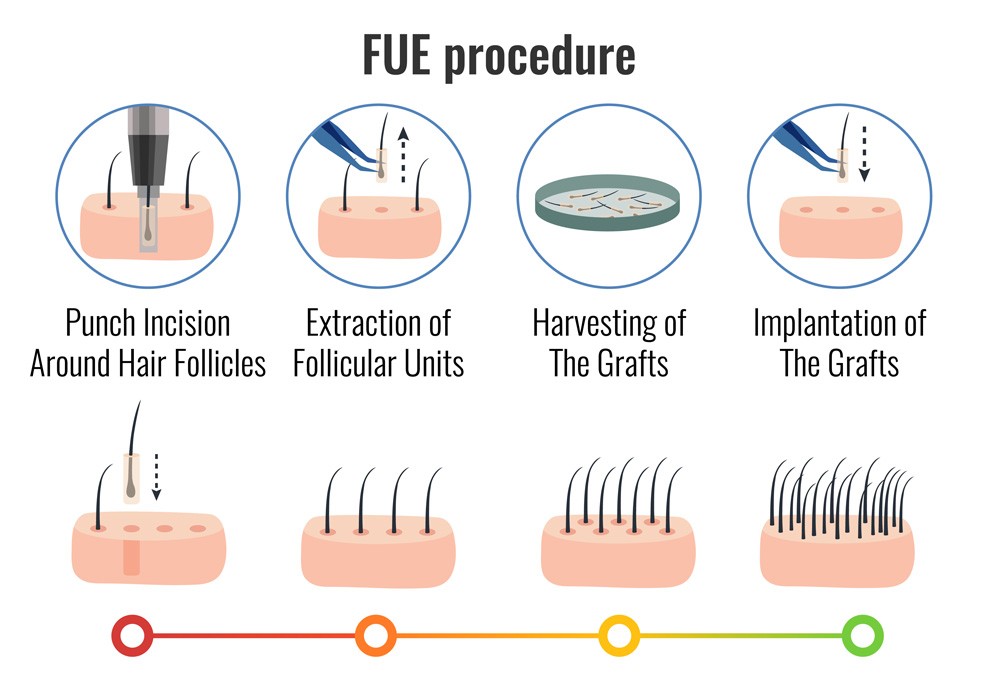
FUE method, is performed by taking hair follicles one by one from the donor area and transplanting them to the area to be transplanted. This method is minimally invasive and leaves less scarring and the healing process is fast.
- View of Traces: The FUE method leaves small, punctate scars in the donor area as the hair follicles are removed one by one. Since these scars are usually smaller than 1 mm, it is very difficult to notice them visually.
- Recovery Process: Small scars in the donor area heal within a few weeks and are completely camouflaged by hair growth. Small scabs also form in the transplanted area, but these scabs fall off within 7-10 days.
- Advantages: The biggest advantage of the FUE method is that the scars are very small and almost invisible. In addition, the healing process is fast and patients can return to their normal lives in a short time.
DHI (Direct Hair Transplantation) Method
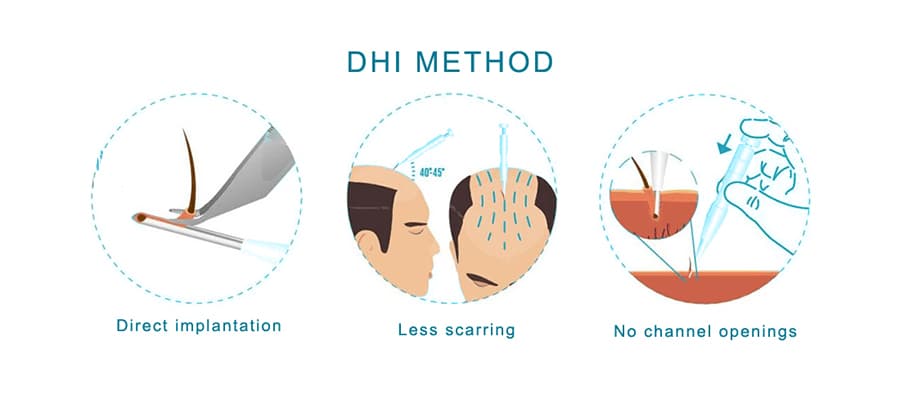
DHI method, is performed by placing hair follicles directly into the area to be transplanted using a special pen (Choi Implanter). This method offers a more precise transplantation process and provides some advantages in terms of scarring potential.
- View of Traces: In the DHI method, since the hair follicles are placed directly into the transplantation area, the possibility of scarring in the transplantation area is very low. Since the transplanted area is treated with minimal trauma, scars are almost non-existent.
- Recovery Process: The healing process after the DHI method is quite fast. Since there is minimal trauma to the donor area and the transplantation area, the healing time FUE method may be shorter. There is very little crusting in the transplanted area and it falls off in a short time.
- Advantages: The biggest advantage of the DHI method is that the scars are almost completely eliminated and the transplantation process can be performed more precisely. In addition, the person does not have to shave all of his/her hair. Only the donor area (where the grafts are taken) is shaved. The transplantation area is not shaved. For this reason, DHI method is frequently preferred by female patients, especially those who want to wear long hair.
Which Method Leaves Less Trace?
Both methods are minimally invasive and usually leave little scarring. However, DHI method, The FUE method is less likely to leave scars as it offers a more precise and direct transplantation process. Although the FUE method also leaves small punctate scars, these scars are completely camouflaged with the growth of the hair.
Conclusion, The choice of hair transplant method depends on your personal needs and expectations. FUE method, can be applied in larger areas, while the DHI method is ideal for situations that require more precise and intensive transplantation. Both methods provide natural and aesthetic results with minimal scarring. For more information about hair transplantation and to determine which method is right for you, contact our clinic. communication you can move on.





 Turkish
  English
  German
  French
  Italian