
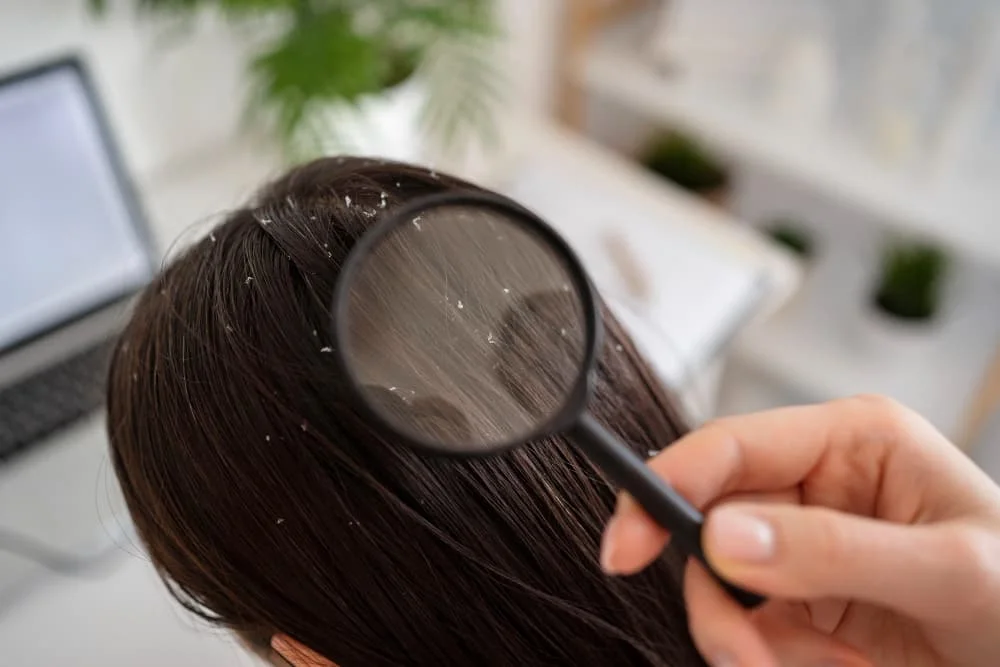
Many people have encountered it at least once in their lives. hair dandruffis a common problem that can lead to itching, discomfort and loss of self-confidence. However, what is good for hair dandruff The answer can often be found in effective methods that can be easily applied at home.
Featured Headlines
ToggleIn this article, dandruff problemWe will take a closer look at its causes and symptoms. You will also discover ways to get rid of dandruff by learning both natural solutions and medical treatment methods. How does dandruff go away? If you are looking for an answer to the question, you are in the right place.
With the right information and methods, dandruff treatment possible and effective. In this guide we have prepared for you, you will learn practical tips you can use to combat dandruff and step-by-step ways to achieve healthy, dandruff-free hair. So let's get started!
What is Hair Dandruff and Why Does It Happen?
Hair dandruffis a common condition in which the scalp overproduces dead skin cells and these cells are shed onto the hair or shoulders. While mild cases may only cause aesthetic discomfort, more serious conditions can lead to itching and irritation. See also, causes dandruff and what are the factors that trigger this situation?
Common Causes of Hair Dandruff
Multiple factors can contribute to the occurrence of hair dandruff. Here are the most common causes:
- Fungal Infection (Malassezia furfur): This type of fungus is found naturally on the scalp. However, when it overgrows, it can lead to dandruff.
- Dry Scalp: The scalp, which loses its moisture balance, becomes dry and begins to flake. This situation is more common especially in winter months.
- Oily Scalp (Seborrheic Dermatitis): Overactive sebaceous glands in the scalp can cause seborrheic dermatitis. This condition is usually characterized by yellowish and sticky dandruff.
- Improper Shampooing Insufficient cleansing of the scalp can lead to the accumulation of dead skin cells, while too frequent use of shampoo can cause the scalp to dry out and increase dandruff.
- Stress Excessive stress can disrupt the body balance and negatively affect the normal functioning of the scalp.
- Malnutrition: A lack of zinc, B vitamins and essential fatty acids can contribute to the appearance of dandruff.
- Skin Diseases: Conditions such as eczema or psoriasis can cause dandruff on the scalp.
What Causes Excessive Dandruff on the Head?
In some cases, dandruff can become serious. For example Malassezia furfur Uncontrolled growth of the fungus, worsening of a dehydrated or overly oily scalp, increased stress levels or unhealthy eating habits can exacerbate the problem of dandruff. In addition, underlying skin diseases such as eczema or psoriasis can also predispose to intense dandruff.
Understanding the root of the problem and taking the right measures is the key to alleviating dandruff.
Symptoms of Hair Dandruff
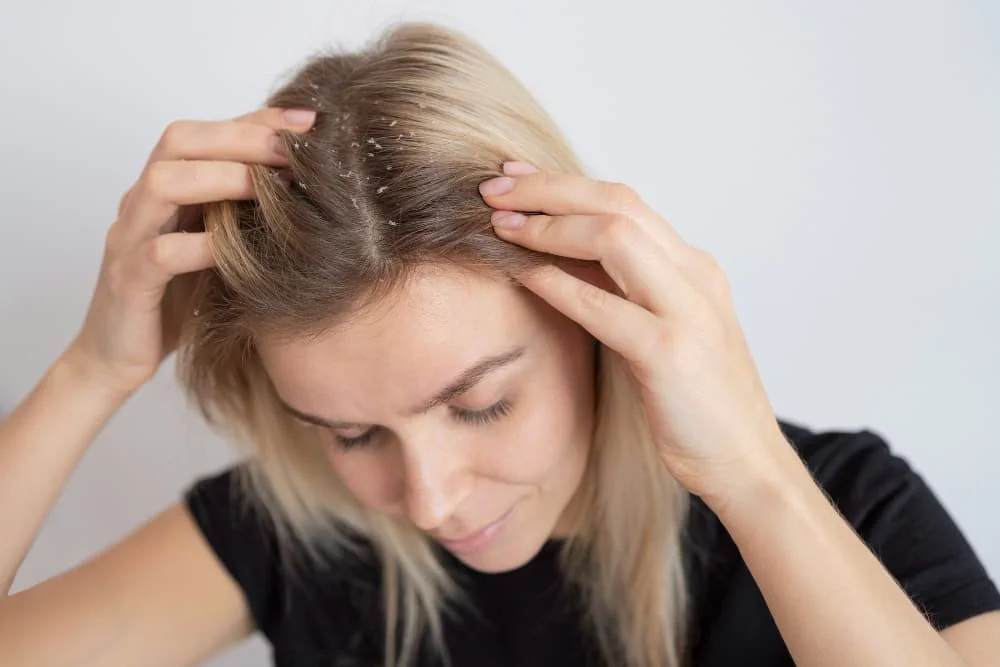
Hair dandruffDandruff is a problem that manifests itself with distinct signs on the scalp and hair strands. Here are common symptoms that can help you easily recognize a dandruff problem:
- White or Yellowish Scales: The flaking of dead skin cells that accumulate on the scalp onto the hair strands and shoulders is the most common symptom of dandruff. These flakes are usually white or yellowish in color.
- Itchy Scalp: Dandruff can cause intense itching of the scalp. This itching can lead to scalp irritation and increased discomfort.
- Redness and Irritation: Especially in people with oily scalp, seborrheic dermatitis redness and irritation may occur. This, together with dandruff, can increase skin sensitivity.
- Dandruff on the Shoulders: When dark-colored clothes are worn, the white or yellowish scales on the shoulders become more prominent. This can be aesthetically disturbing.
If you notice one or more of these symptoms, your scalp dandruff problem can happen. In the next section, we will look at natural and effective home remedies to alleviate this problem.
What is Good for Hair Dandruff at Home? Natural Solutions
Hair dandruff The problem can be alleviated with effective home remedies using natural ingredients. The following methods can be useful for mild to moderate dandruff problems. In cases of severe dandruff, it is recommended to consult a dermatologist.
Here you go what is good for hair dandruff natural solutions that can answer the question:
1. Care with Natural Oils
Which Oil is Good for Hair Dandruff?
- Tea Tree Oil: With its antifungal properties, it helps to control the fungi that cause dandruff. Mix a few drops of tea tree oil with a carrier oil such as coconut or olive oil and massage into your scalp. Leave on for 30 minutes and then wash.
- Coconut Oil: Moisturizes the scalp and reduces dryness and itching. Massage warm coconut oil into your scalp and leave on for at least 30 minutes (you can also leave it on overnight).
- Olive oil It soothes the scalp with its moisturizing and nourishing properties. Apply warm olive oil to your scalp, wait 30-45 minutes and then wash.
2. Apple Cider Vinegar Rinse
Apple cider vinegar prevents fungal growth by balancing the pH level of the scalp. Mix equal amounts of apple cider vinegar and water and apply to your scalp. Leave on for a few minutes and rinse. Repeat 1-2 times a week.
3. Aloe Vera Gel
Aloe vera soothes itching and irritation on the scalp. Apply pure aloe vera gel directly to your scalp, leave on for 30 minutes and rinse.
4. Baking Soda Peeling
Baking soda removes dead skin cells from the scalp and regulates the oil balance. Make a paste of a few tablespoons of baking soda with a small amount of water. Massage it into your scalp, leave it on for a few minutes and rinse. You can use it once a week.
5. Lemon Juice
Lemon juice, with its acidic nature, helps to control fungi. Dilute fresh lemon juice with water (1:1 ratio) and apply to your scalp. Wait 5-10 minutes and then rinse. Apply 1-2 times a week. Note Lemon juice can lighten hair color, so use with caution.
Important Note
Before applying these methods, it is advisable to test on a small area of your skin. If you notice irritation or an allergic reaction, stop the application and consult a doctor. With the right methods, you can control the problem of dandruff!
Medical Treatments for Hair Dandruff: When to See a Doctor?
Natural home remedies and shampoo against dandruff varieties are usually sufficient to solve mild to moderate dandruff problems. However, in some cases you may need professional help. Here are the situations when you should consult a dermatologist:
In Which Situations Should I See a Doctor?
- Severe and Persistent Dandruff: If home treatments do not work or your dandruff problem is getting worse, you should seek expert help.
- Intense Itching and Discomfort: You experience itching or scalp pain that affects your daily life.
- Redness and Inflammation: If your scalp develops significant redness, swelling, inflammation or open sores.
- Aşırı Hair Loss: If there is a significant increase in hair loss along with your dandruff problem.
- Accompanying Skin Diseases: If you have other underlying skin problems such as eczema or psoriasis.
What Does a Doctor's Treatment Include?
A dermatologist will examine your scalp and identify the underlying cause of your dandruff problem. Depending on your condition, the following treatments may be recommended:
- Prescription Antifungal Shampoos: It can be effective in dandruff caused by fungus.
- Corticosteroid Lotions or Creams: It is used to reduce itching and inflammation.
- Other Topical Treatments: Special lotions or gels may be recommended to alleviate scalp problems.
- Oral Medicines: In severe cases, oral medications may be prescribed.
Although dandruff is not usually a serious health problem, in severe and persistent cases, consulting a specialist is the most effective way to get it under control. A professional treatment plan to maintain the health of your hair and scalp can make a significant difference in the long run.
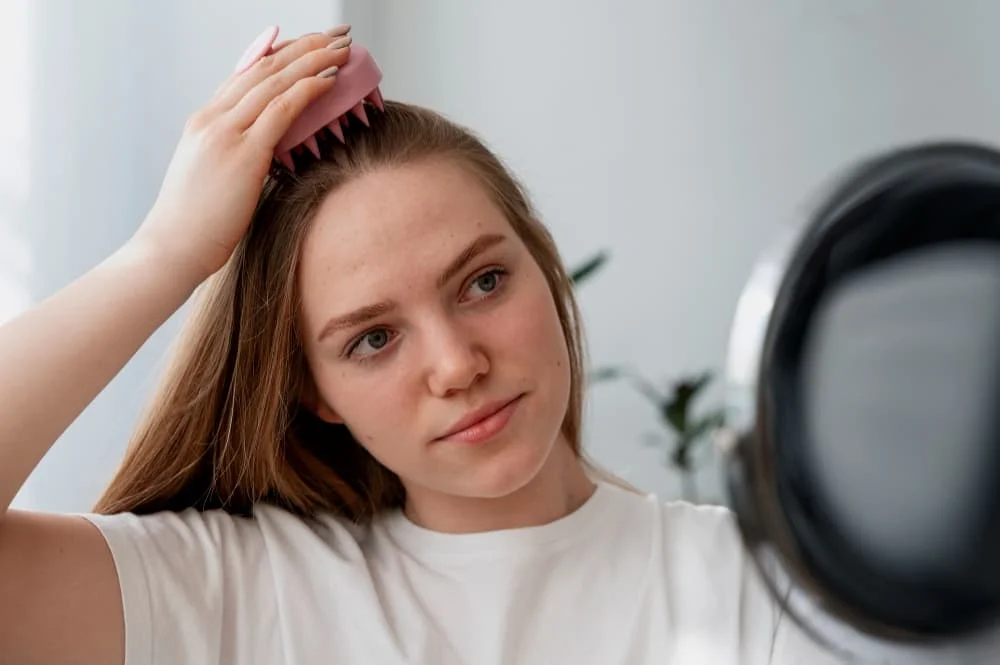
Dandruff Shampoos: Which One is Right for You?
Dandruff problem When coping with the problem, choosing the right shampoo can offer an effective solution. There are many shampoos with different active ingredients. shampoo against dandruff are available on the market. Here are the most common ingredients found in these shampoos and their effects:
Active Ingredients of Dandruff Shampoos
- Zinc Pyrition: An ingredient with antifungal and antibacterial properties, it reduces dandruff by controlling Malassezia fungus.
- Selenium Sulfide It removes dandruff due to fungal infections and prevents scaling by slowing the rate of cell renewal.
- Ketoconazole It is a powerful antifungal agent. Especially for stubborn dandruff and seborrheic dermatitis is effective in treatment. It is available without prescription (%1) and with prescription (%2).
- Salicylic Acid It is a keratolytic agent that removes dead skin cells. It removes scaling on the scalp and reduces dandruff.
- Coal Tar It relieves dandruff and itching by slowing down the cell regeneration process. However, it should be used with caution as it can lighten hair color and increase sensitivity to the sun.
Which Shampoo is Good for Dandruff?
The choice of shampoo depends on the type and severity of dandruff:
- Light Dandruff Shampoos containing zinc pyrithione or selenium sulfide are usually sufficient.
- Oily Dandruff (Seborrheic Dermatitis): Products containing ketoconazole or selenium sulfide may be more effective.
- Dry and flaky dandruff: Shampoos containing salicylic acid help to remove dead skin.
- Stubborn Dandruff Your doctor may recommend prescription shampoos with a high concentration of ketoconazole or corticosteroids for a stronger treatment.
Important Tips
- Alternating shampoos prevents your scalp from developing resistance to one active ingredient.
- After applying the shampoo to your scalp, leave it on for at least 5 minutes. This is necessary for the active ingredients to take effect.
- Be sure to follow the instructions for use and apply regularly.
The right dandruff treatment starts with choosing a shampoo that suits the needs of your scalp. Don't forget to seek support from a dermatologist in stubborn cases!

Tips to Prevent Hair Dandruff
There are some simple and effective steps you can incorporate into your daily grooming routine to prevent or control dandruff. Here's what you should pay attention to to prevent dandruff:
- Keep the Scalp Clean: By washing your hair regularly, you can prevent the buildup of dead skin cells, oil and dirt. However, washing your hair too often can dry out the scalp and increase dandruff. Washing 2-3 times a week is usually sufficient.
- Use the Right Shampoo: Choose a shampoo that suits your hair type (dry, oily or normal) and the severity of your dandruff problem. Dandruff-specific shampoos can be an effective solution. If you are not sure which shampoo to use, ask a dermatologist for advice.
- Don't Neglect Stress Management: Stress is one of the major triggers of dandruff. With stress management techniques such as yoga, meditation or deep breathing hair healthyou can protect your health.
- Eat Healthy A balanced diet directly affects the health of your hair and scalp. In particular, consuming foods rich in zinc, B vitamins and omega-3 fatty acids helps the scalp to maintain its moisture balance.
- Moisturize the Scalp: If you have a dry scalp, you can moisturize it by regularly massaging it with natural oils (e.g. coconut oil or olive oil). This will help prevent dry scalp and dandruff.
Does Hot Water Make Dandruff?
Yes, hot water can increase dandruff problem. Hot water can destroy the natural oils in the scalp, causing dryness and flaking. Therefore, prefer to use lukewarm water when washing your hair. Warm water allows you to clean your scalp without losing moisture and contributes to preventing dandruff formation.
Conclusion
Hair dandruffAlthough it is a common and uncomfortable problem, it can be controlled and treated effectively with the right methods. In this article, what is good for hair dandruff We looked for an answer to the question and discussed both natural solutions that can be applied at home and medical treatment options in detail.
If your dandruff problem is mild, you can get relief with the recommended natural methods and the use of the right shampoo. However, In cases of persistent or severe dandruff, it is important to consult a dermatologist. Expert help will help you identify the cause of dandruff and implement the most effective treatment plan.






 Turkish
  English
  German
  French
  Italian