
What Is Exosome Therapy? Cellular Regeneration in Hair and Skin
Hair loss ve cilt yaşlanması gibi sorunlarda artık yalnızca yüzeysel destek değil, hücreler arası iletişimi yeniden kuran çözümler konuşuluyor. Exosome therapy, is one of the current methods in regenerative medicine that supports tissue regeneration by utilizing signals that cells send to one another.
Featured Headlines
ToggleIn this article, we take an expert look at what exosomes are, how they work on hair and skin, and in which cases they are recommended. Our goal is not to make exaggerated claims, but to explain the scientific rationale behind the method in an accessible way.
What Are Exosomes and How Do They Work?
Exosomes are very small vesicles secreted by cells. They contain growth factors, peptides, and molecules that carry messages between cells. In a way, they are like tiny mail packets through which cells communicate with one another.
When these vesicles reach the target cell, they transmit signals that trigger repair and regeneration processes. Exosome therapy also aims to stimulate the tissue’s own repair capacity by supporting this natural communication.
The method is based not so much on adding an external substance as on conveying the message of “renewal” to the cells. For this reason, the exosome is not a direct volume-adding filler or a permanent implant.
In Which Fields Is Exosome Therapy Used?
The two main areas of application for the regenerative approach are hair and skin. In both areas, the goal is to promote natural healing by supporting cellular renewal.
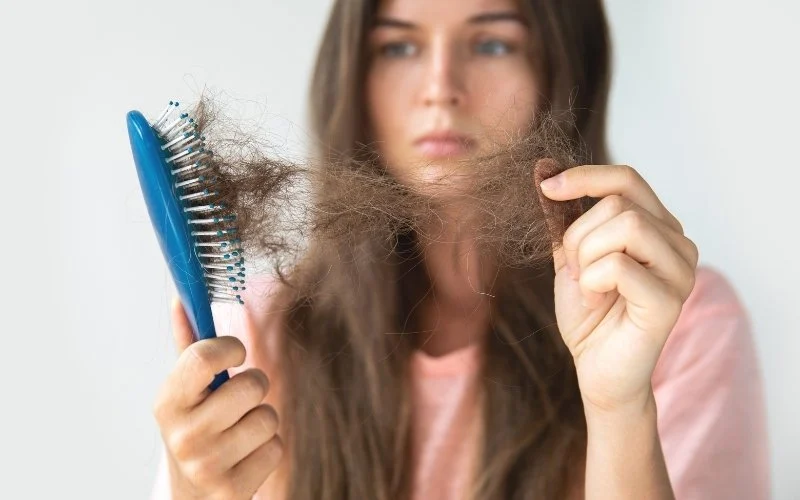
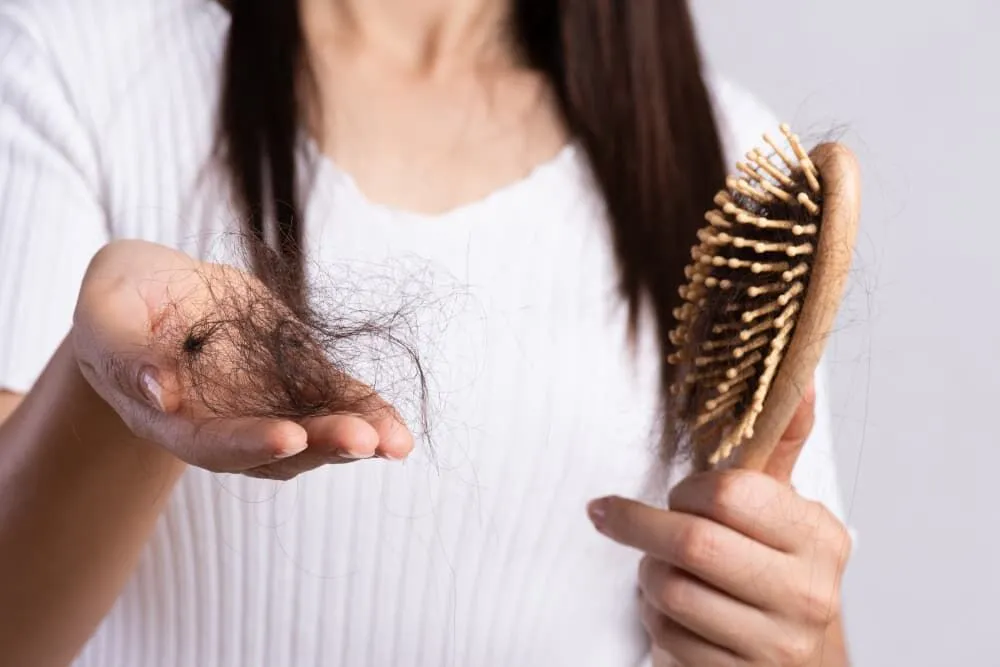
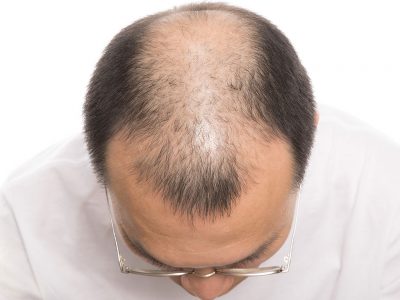
- Hair loss: To support the microenvironment around weakening hair follicles,
- Skin rejuvenation: To improve skin tone, radiance, and firmness,
- Post-procedure support: To support recovery after certain procedures,
- Fine lines: To reduce the appearance of superficial signs of aging.
What these fields have in common is their goal of addressing the root cause of the problem not at a superficial level, but at the cellular level. For more information, Exosome application on the skin You can also review its content.
How Does Exosome Hair Treatment Work?
The goal of exosome hair treatment is to strengthen the supportive environment surrounding weakened hair follicles. Growth factor signals can help the hair follicle enter a healthier growth cycle.
This treatment is specifically designed to slow hair loss and support the quality of existing hair, particularly in the early and middle stages of thinning. It is not a miracle cure on its own but should be considered as part of a comprehensive hair health plan.
How Is Exosome Used in Skin Rejuvenation?
On the skin side, exosome release is primarily facilitated by a process that creates very small channels on the surface. This allows signaling molecules to be transmitted more efficiently to the deeper layers of the skin.
The goal is to even out skin tone, enhance radiance, and soften fine lines. The result is not achieved through externally added volume, but by supporting the skin’s own renewal process.
How is Exosome Therapy Applied?
The implementation is planned based on the target area. The general process consists of a few basic steps:
- Evaluation: Suitability is determined by examining the condition of the hair or skin.
- Preparation: The area is cleaned, and topical anesthesia is applied if necessary.
- Implementation: The exosome solution is delivered via microneedles or channels.
- Tracking: The effect is reinforced by repeating the sessions at regular intervals.
The procedure usually takes only a short time, and afterward, the person returns to their daily routine. Temporary redness may occur in the treated area, but it subsides quickly.
What Is the Difference Between Exosomes and PRP?
Although exosomes and PRP are both used for regenerative purposes, they come from different sources. While PRP is derived from the patient’s own blood, exosomes are prepared as a standard solution.
| Feature | Exosome Therapy | PRP |
|---|---|---|
| Source | Ready-to-use regenerative solution | A person's own blood |
| Content | High-density signaling molecules | Platelets and Growth Factors |
| Preparation | Does not require a blood draw | Blood is drawn and centrifuged |
| Approach | Intercellular signal transduction | Stimulation with one's own blood |
A detailed comparison of the two methods Exosomes or PRP for Hair Loss? You can find it inside.
How Many Sessions Are Required for Exosome Therapy?
The number of sessions varies depending on the goal and the condition of the area. Typically, an initial course of several sessions is planned, with a few weeks between sessions.
The effects are expected to appear gradually. For this reason, the results are evaluated not after a single session, but after the entire course of treatment is completed.
Is Exosome Therapy the Same as Stem Cell Therapy?
No. Exosomes are not the stem cells themselves, but rather signaling vesicles released by the cells. In other words, live cell transplantation is not performed in practice.
This distinction is important because the exosome approach relies on using the messages produced by cells rather than transporting the cells themselves. It is a unique method within regenerative medicine.
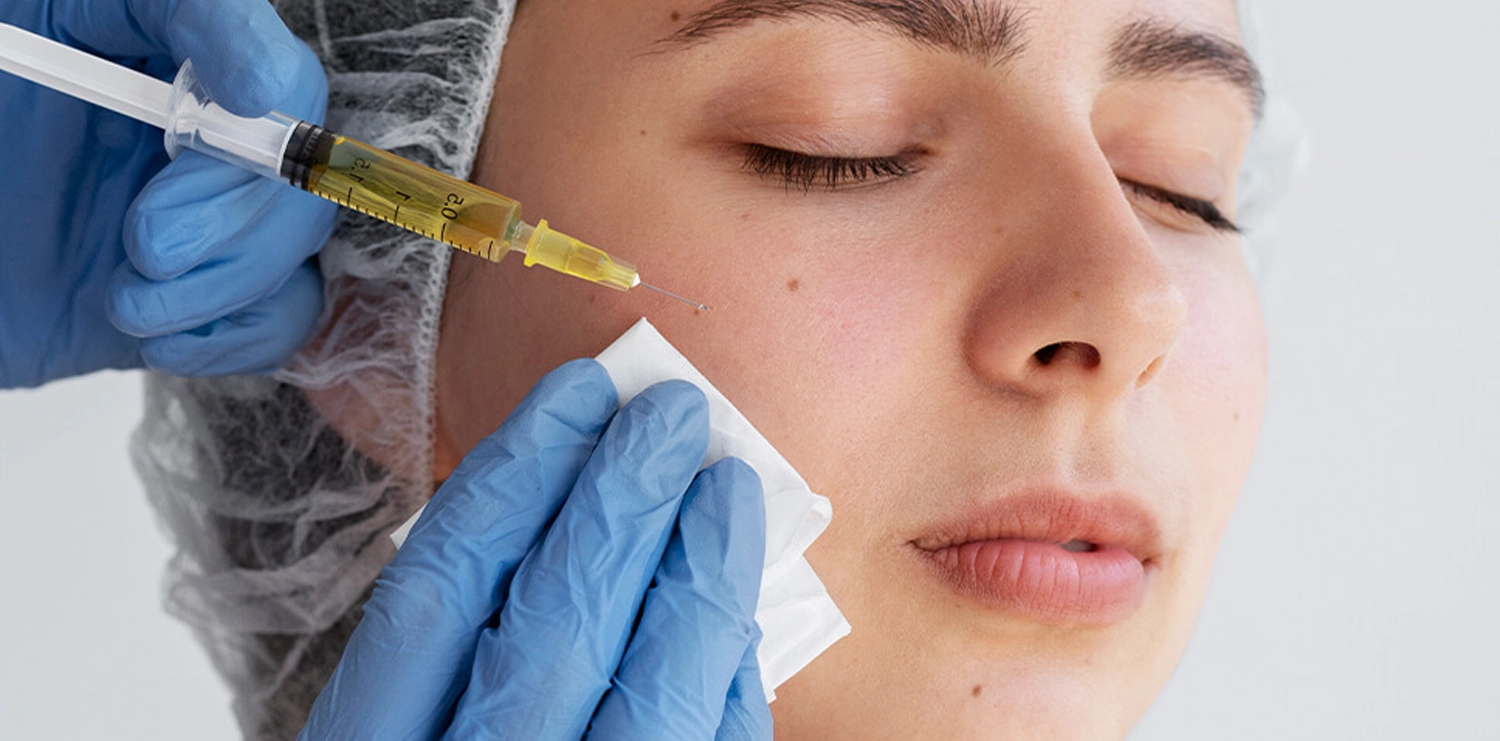
Who Is a Good Candidate for Exosome Therapy?
This treatment may be an option for people experiencing early- to mid-stage hair thinning or a decline in skin quality. However, suitability is determined through an individualized assessment.
- Those who are beginning to notice their hair thinning and losing its quality,
- Those who notice a decline in their skin tone and radiance,
- For those seeking a natural and gradual renewal,
- Those seeking support for a holistic care plan.
Who Should Not Undergo Exosome Therapy?
As with any regenerative procedure, there are situations in which the procedure is postponed or not recommended. Selecting the right candidate is the foundation of safety.
- People who are pregnant or breastfeeding,
- Individuals with an active infection in the treatment area,
- Those currently undergoing active cancer treatment,
- People with uncontrolled chronic conditions.
For this reason, a detailed pre-procedure health assessment is conducted. Regarding the scientific basis of regenerative methods, in the literature on exosomes and regenerative medicine you can take a look.
Factors Supporting the Result
The effectiveness of exosome therapy depends not only on the treatment itself but also on daily habits. A healthy lifestyle supports cellular renewal.
- A balanced diet that provides adequate protein,
- Regular sleep and stress management,
- Proper daily care for hair and skin,
- Adherence to the follow-up sessions recommended by the doctor.
These elements increase the expected efficiency of the application. A regenerative approach, when combined with healthy soil, yields more meaningful results.
Preparation Before Exosome Treatment
Preparation before the procedure affects both safety and the quality of the result. There are a few simple points to keep in mind at this stage.
- A detailed assessment of the condition of the hair and skin,
- Sharing information about the medications and supplements you are taking with your doctor,
- Reporting a known history of allergies,
- If there is active irritation in the application area, wait,
- Adequate water intake and rest before the procedure,
- Starting the process with realistic expectations.
Common Misconceptions About Exosomes
There are some misconceptions circulating among the public regarding regenerative methods. It is important to clarify these to set the right expectations.
- “Everything changes in a single session”: The effect is gradual and requires a course of treatment,
- “It’s a stem cell transplant”: No, signal vesicles are used, not cells,
- “Permanent and lifelong”: Maintenance may be required to preserve the result,
- “It applies to everyone equally”: The plan varies from person to person,
- “It creates hair in cases of advanced hair loss”: It does not restore a lost follicle.
Why Is Follow-Up Important in Exosome Therapy?
Regular follow-up during a regenerative process ensures that the plan is progressing as intended. The area’s response is evaluated after each session.
- Observing changes between sessions,
- Timely reporting of an unexpected situation,
- Monitoring the results through photographs and measurements,
- Updating the plan to suit the individual, if necessary.
This monitoring ensures that the process proceeds not as a one-time action but as a managed program. Joint evaluation ensures that the outcome aligns with expectations.
The Role of Exosomes in Holistic Care
Regenerative approaches are viewed not as a miracle solution on their own, but as a supportive component of a holistic care plan. Hair and skin health are maintained through the combined effects of many factors, such as nutrition, sleep, stress management, and regular care. For this reason, exosome therapy yields the most effective results when used as a step that complements an existing plan. Rather than setting high expectations for a single treatment, it is healthier to adopt a sustainable approach to care.
- Maintaining a proper balance of protein, vitamins, and minerals in the diet forms the foundation of the process,
- Regular sleep and stress management create a favorable environment for cellular renewal,
- It supports healthy hair and skin through gentle, daily care routines,
- It is important to avoid factors that hinder recovery, such as smoking and excessive alcohol consumption,
- It is important to regularly attend the follow-up and maintenance sessions recommended by the doctor,
- With realistic expectations, we must allow time for the outcome to develop.
This holistic approach significantly increases the effectiveness of the application. Regenerative support, combined with a healthy foundation, delivers a result that is both more natural and more lasting.
At Medlook, every treatment is customized following a detailed evaluation. To learn more about exosome therapy, please contact us you can contact.
Contact Us
Contact Us Now for Free Consultation and Appointment!
Frequently Asked Questions (FAQ)
A topical anesthetic may be applied to the area before the procedure. Since micro-needles are used, discomfort is generally mild, and most people tolerate the procedure comfortably.
After the procedure, you can usually return to your daily routine the same day. There may be some temporary redness in the area, but this will subside quickly.
The effects appear gradually. The first changes begin to be noticeable within a few weeks; more pronounced results are observed in the weeks following the completion of the treatment.
No. Exosomes are not stem cells themselves, but rather signaling vesicles released by cells. In practice, live cell transplantation is not performed; the goal is to support intercellular communication.
In most cases, exosome testing is considered part of a comprehensive hair or skin health plan. Healthy lifestyle habits and regular follow-ups support the results.
Use is not recommended during pregnancy and breastfeeding, in cases of active infection, during cancer treatment, or in cases of uncontrolled chronic disease. Suitability is determined following a detailed evaluation.






 Turkish
  English
  German
  French
  Italian