

Hair transplantation, is becoming an increasingly popular option for those looking for a permanent solution to the problem of hair loss. However, the healing process and results after the procedure can be affected by seasonal changes.
Featured Headlines
Toggle“If you are thinking, ”What is the best time for a hair transplant?", you may be surprised to learn about the advantages that fall offers in this regard. Is it possible to have a hair transplant during the hot days of summer, or should you wait for the cooler months? In this article, we will discuss the ideal season and the effect of the seasons on the process in detail.
The Importance of Seasons in Hair Transplantation
Hair transplantation, is a delicate process and requires careful planning to achieve successful results. An important part of this planning is choosing the right season. The change of seasons affects factors such as air temperature, sunlight and humidity, which can directly affect the healing process.
The Importance of Air Temperature
Air temperature is an important factor in the recovery process after transplantation. Extremely hot weather can increase sweating on the scalp, which can increase the risk of infection. In addition, hot weather can cause the newly transplanted hair follicles to dry out and become damaged.
On the other hand, cold temperatures can also negatively affect the healing process. Cold weather can slow down blood circulation in the scalp, which can prevent the newly transplanted hair follicles from being nourished. Therefore, seasons with mild weather conditions should be preferred for transplantation.
Effects of Sunlight
Sunlight is another important factor to be considered during the healing process after transplantation. Newly transplanted hair follicles are sensitive to the sun's harmful UV rays. Sunburn can cause scalp irritation and infection, which can delay the healing process and even jeopardize the success of the hair transplant.
Therefore, it is important to avoid direct sunlight for the first few weeks after the procedure. It is necessary to protect the scalp from the sun using a parasol.
Sweating and Recovery After Hair Transplant
Sweating is one of the biggest challenges after the procedure. Excessive sweating, can irritate the sensitive tissues of the transplanted area and increase the risk of infection. Especially in hot and humid weather conditions, the amount of sweating increases, which can prolong the healing process. Cool and dry weather, It can accelerate healing by reducing the risk of sweating and allows hair follicles to hold on more securely.
What is the Best Time for Hair Transplantation?
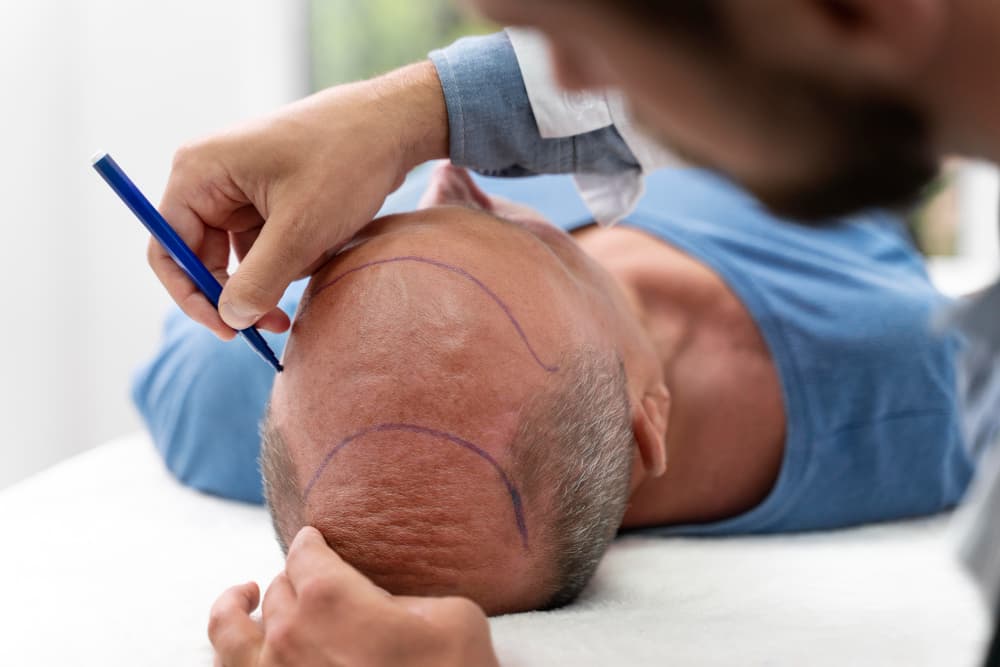
Many people who plan to have a hair transplant wonder which season is more advantageous to have the procedure. Although this procedure can be performed at any time of the year, the seasons have a great effect on the healing process.
Fall and winter months, hair transplant are considered to be the most suitable times. As the weather is cooler during these periods reduced risk of sweating and the healing process of the hair follicles is more comfortable. In addition, since the intensity of the sun's harmful UV rays is low, it is easier to protect the transplanted area.
Cool weather conditions, low humidity and less sunlight make the healing process more comfortable and safer.
Why Fall and Winter are Ideal for Hair Transplantation?
The main advantages of hair transplantation in fall and winter are as follows:
- Less sweating: Cooler weather reduces the risk of infection by reducing perspiration and promotes better healing of newly transplanted grafts.
- Low sunlight intensity: Sunlight can irritate the sensitive scalp, especially in the first period after the procedure. This risk is reduced in the fall and winter months as sunlight is less intense.
- Less social activity: Since there is less outdoor activity and socializing during the winter months, it can be easier to rest and take proper care of the scalp during the recovery process.
Can Hair Transplantation Be Performed in Summer?
It is possible to have a hair transplant in summer, but some precautions must be taken. The hot and humid weather of summer can increase the risk of infection by increasing sweating. Also, intense sunlight can irritate the scalp and negatively affect the healing process.
If you are going to have it done in summer, you should pay attention to the following:
- Sun protection: Avoid direct sunlight for the first few weeks. protect the scalp by using a sun umbrella.
- Preventing sweating: Avoid heavy physical activity and situations that can cause sweating.
- Hygiene Wash as recommended by your doctor to keep the scalp clean and dry.
If you are going to have a hair transplant in the summer months, it is important to talk to your doctor in detail and take the necessary precautions.
Advantages of Autumn
The fall season offers more than just cool weather for those considering hair transplantation. During this period, both natural conditions and the pace of daily life make the healing process more comfortable and effective. Here are the unique advantages that fall offers:
- Less Social Pressure: Fall comes after a socially busy period, such as summer vacation. The decrease in social activities provides a more relaxed environment during the healing process. This allows the newly transplanted hair follicles to be less visible and to rest more during this period.
- Acceleration of Skin Regeneration Process: Fall is the time when the skin begins to recover from the summer's intense exposure to the sun's rays. This natural regeneration process also contributes to the healing of the scalp. The scalp has the chance to heal in a more humid and comfortable environment.
- Preparing for Winter: It may take time for the hair to grow back after the procedure. Transplantation in the fall allows enough time for the hair to recover during the winter months. Thus, when spring comes, you may notice that your hair starts to grow visibly.
- Spending More Time Indoors: The cooler weather of fall causes people to spend more time indoors. This makes it easier to protect your hair from external factors. Especially the decrease in the time spent outdoors ensures that the healing process is more controlled.
These advantages offered by autumn can make your recovery process more enjoyable and successful. Remember, hair transplantation is not only an operation, but also an investment in yourself. By choosing the right season and working with an expert team, you can make the most of this investment.
Post Hair Transplant Care Recommendations for Fall and Winter
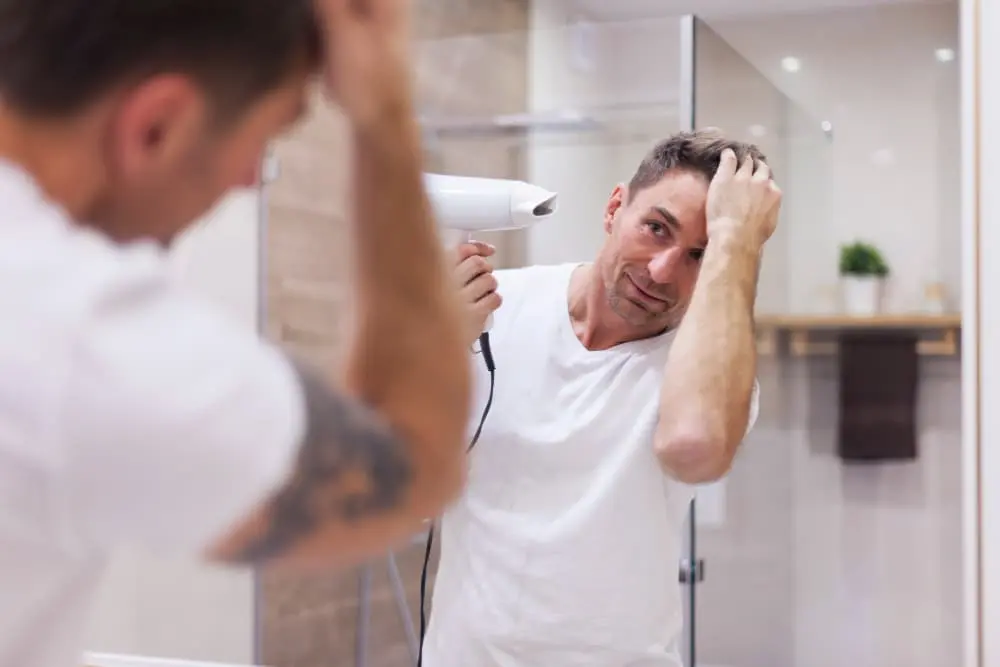
Although hair transplantation in the fall and winter months offers many advantages for the healing process, there are some care recommendations that should be considered. By following these recommendations, you can increase the success of the procedure and ensure faster recovery.
First Week
- Follow your doctor's instructions: Your doctor will give you a customized care plan. Following this plan carefully will ensure that your recovery goes smoothly.
- Protect the planted area: Avoid any impact or friction to the transplanted area during the first week and wash your hair gently.
- Follow the washing instructions: Your doctor will tell you how and how often you should wash your hair. It is usually recommended not to wash your hair for the first few days. After that, you can wash your hair gently using a special shampoo and warm water.
- Take your medicines regularly: Your doctor may prescribe medicines to prevent infection and speed up healing. It is important that you take these medicines regularly.
- Avoid heavy physical activity: Avoid heavy exercise or physical activity during the first week. Sweating can increase the risk of infection.
During the Recovery Process:
- Sun protection: Although sunlight is less intense in the fall and winter, it is still important to protect your scalp.
- Moisturize your scalp: Cold weather can cause dry scalp. Keep your scalp moisturized by using moisturizing products recommended by your doctor.
- Eat a healthy diet: A healthy and balanced diet helps to strengthen hair follicles and promote healthy growth of new hair. Drink plenty of water and eat foods rich in protein, vitamins and minerals.
- Manage stress: Stress can trigger hair loss or slow down the healing process. To manage stress, you can try techniques such as yoga, meditation or deep breathing exercises.
- Have regular check-ups: Keep in regular contact with your doctor to follow your recovery and check for any problems.
By following these recommendations after hair transplantation in the fall and winter months, you can speed up your healing process and ensure that your hair grows in a healthy way.
Hair Transplant at Medlook: Safe and Effective Solutions for All Seasons
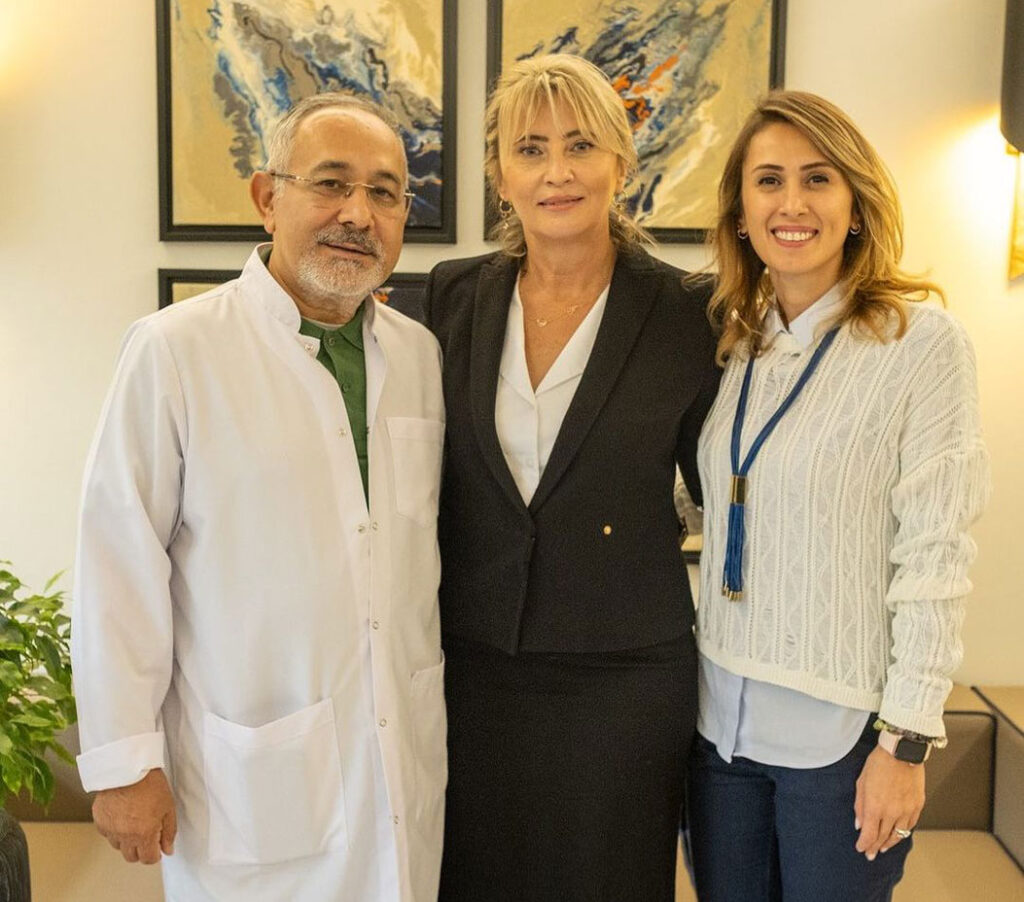
Thoughts as, hair treatments We have an expert team and the latest technology. You can safely perform your hair transplant operations at any time of the year and achieve successful results.
Thanks to our modern facilities and sterilization protocols in our clinic, we offer hair transplantation services in a hygienic and safe environment in all seasons. Experienced our doctors, guides you through the pre- and post-procedure process, ensuring you achieve the best results.
In addition to the advantages of the fall and winter months, you can also have a hair transplant in the summer months at Medlook. Our specialist physicians offer special care recommendations and protection methods to minimize the negative effects of the hot and humid summer weather.
Hair transplant at Medlook, is not just an operation; it is also a personalized experience. With hair analysis and detailed evaluations, the most suitable treatment plan is created for your needs. In the expert hands of our polyclinic, your post-procedure recovery process will be fast and comfortable, and you will achieve natural and permanent results.
To say goodbye to hair loss and regain your self-confidence contact us. Our doctors will provide you with detailed information and the most suitable solutions for your needs.






 Turkish
  English
  German
  French
  Italian