

What Is Hyaluronic Acid Filler and Where Is It Used?
 Dr. Handan YavuzUpdated 7 min read
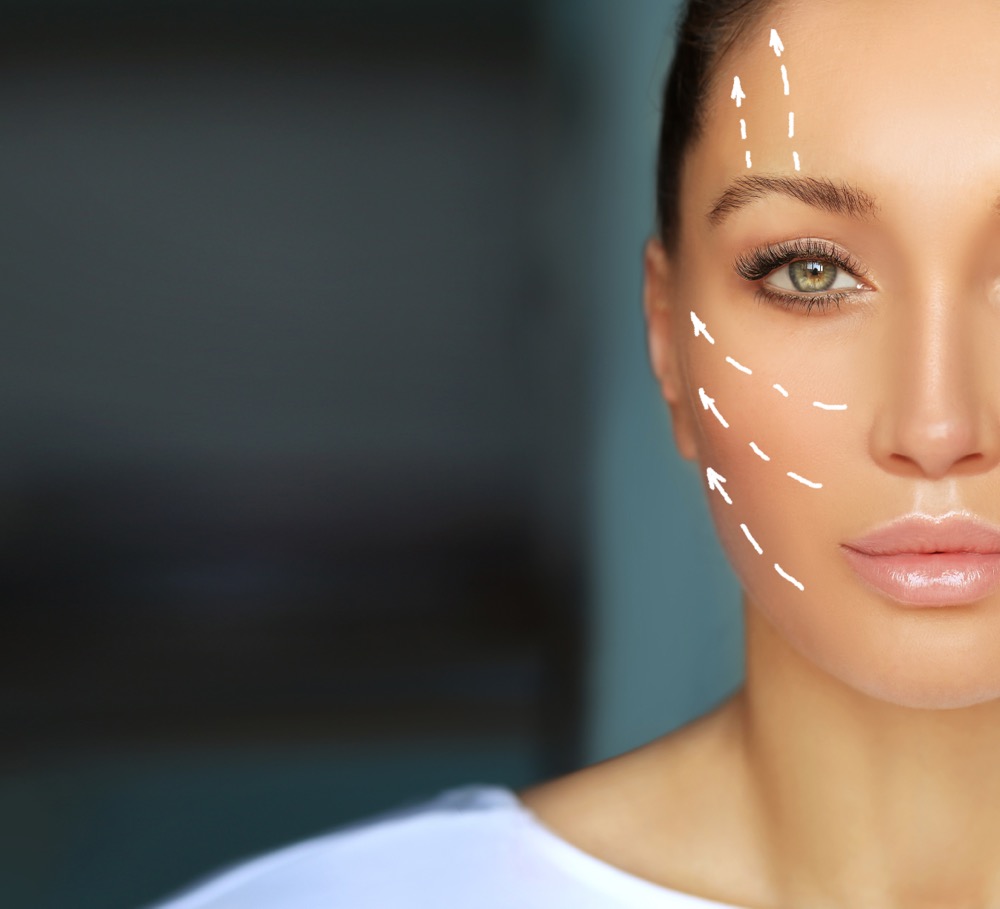
Hyaluronic acid Fillingis the injection of a purified gel form of a molecule naturally found in the skin into the tissue to add volume and moisture. It is used in the lips, chin, cheekbones and many other areas of the face. It requires no surgery, is applied with a needle and can be dissolved when needed. In this article, we cover what this filler is and where it is used.
This material is the most widely preferred option among aesthetic filler treatments. Being a molecule already present in the body makes it both safe and flexible. Below we outline how it works, its types, its benefits and its longevity. That way you can grasp the subject as a whole.
Highlights
- The material is the purified gel form of hyaluronic acid naturally found in the skin.
- Thanks to its water-retaining property, it adds both volume and moisture to the area.
- It is used in the lips, chin, cheekbones and many other areas of the face.
- It is safe because it can be dissolved with the hyaluronidase enzyme when needed.
- Fillers of this type account for about 80% of minimally invasive procedures worldwide.
What Is Hyaluronic Acid Filler?
Hyaluronic acid filler is produced by cross-linking hyaluronic acid purified in the laboratory into a gel. This gel is delivered to the target area with a fine needle and creates volume there. Thanks to its water-retaining property, it fills the tissue from within. The result is visible immediately and dissolves naturally over time.
This product is not a permanent implant; it is slowly broken down by the body. That is why its effect is temporary and requires renewal. Being temporary is actually a safety advantage. An unwanted result fades over time or can be removed with the enzyme.
What Is Hyaluronic Acid?
The answer to the question of what hyaluronic acid is: it is a sugar molecule found naturally in our body. It is present in high amounts in the skin, joints and eyes. Its main role is to retain water in tissues, providing moisture and volume. Its amount in the body decreases with age.
This decrease leads to dryness and loss of volume in the skin. The form used in filler treatments is the purified version of this natural molecule. Because it is already present in the body, it is highly compatible. For this scientific framework, see the hyaluronic acid source you can take a look.
How does it work?
When the gel is placed in the tissue, it binds the surrounding water and creates volume. This plumps the area from within and makes the contour more defined. At the same time, it adds moisture to the tissue for a more vibrant look. The effect lasts until the gel dissolves.
The cross-linking ratio determines how durable the gel is. Highly cross-linked gels are denser and longer-lasting. Soft gels, on the other hand, give a more natural feel. This difference is evaluated according to the area to be treated.
What Are the Benefits of Hyaluronic Acid?
Among the benefits of hyaluronic acid, the most evident is that it restores lost volume. It adds fullness to the area and sharpens contours. Thanks to its moisture-retaining property, it gives the skin a vibrant look. These effects are valuable from both an aesthetic and a moisturizing standpoint.
In addition, being a natural molecule makes it highly compatible. Its ability to be dissolved when needed provides an important safety advantage. Recovery after treatment is generally quick. These features make it the most preferred filler material.
Which Areas Is It Applied?
This material is safely used in many areas of the face. It is preferred for volume in the lips, profile balance in the chin and fullness in the cheekbones. It can also be applied for irregularities of the nose and in the under-eye area. A gel of different density is chosen for each area.
The treatment area is determined according to the person's needs and facial analysis. Soft gels are used in the lips, and dense gels in the chin and jawline. The mobility of the area also influences product selection. The right match determines the quality of the result.
What Types of Fillers Are There?
Filler types are classified by the density of the gel and its cross-link structure. Soft gels are used for thin areas and a natural look. Dense gels are suitable for areas that need support, such as the chin and jawline. Each type serves a different purpose.
In addition, there are also fillers with ingredients other than hyaluronic acid. However, hyaluronic acid is the most frequently preferred because it can be dissolved. Product selection is made according to the area and expectations. The right type is determined together with an experienced physician.
How Is It Used as a Skin Filler?
As a skin filler, hyaluronic acid is used to correct fine lines and loss of volume. Soft gels applied close to the surface moisturize the skin from within. This gives a more vibrant and fuller skin appearance. It is especially preferred for mature skin.
This use is somewhat different from classic volumizing and is more superficial. The goal is not a pronounced volume but improving skin quality. The right depth and amount are important here. The treatment is planned according to the person's skin structure.
How Permanent is it?
Longevity varies depending on the area treated and the density of the gel. It lasts an average of 6-12 months in the lips and 12-18 months in the chin and jawline. The mobility of the area and the person's metabolism also affect the duration. When the effect fades, it can be renewed.
Dense gels last longer because they dissolve more slowly. With regular renewal, the result is observed to be maintained for longer. When the period is over, the area returns to its natural state. No permanent deterioration is expected.
Why Is It Preferred?
The most important reason for preference is that it is a molecule naturally found in the body. This makes it highly compatible and safe. The second reason is that it can be dissolved with an enzyme when needed. This flexibility offers the possibility of reversal in case of a problem.
The third reason is that the result is seen immediately and recovery is quick. It requires no surgery and causes no loss of working time. These advantages make it the most common filler option. In the right hands, the result is natural and balanced.
Can It Be Reversed?
Yes, hyaluronic acid-based gels can be dissolved with the hyaluronidase enzyme. This makes it possible to reverse an unsatisfactory result or irregularity. The enzyme application is quick and the area returns to its previous state within a few days. This is the greatest safety advantage.
There is no such possibility of reversal with permanent fillers. That is why dissolvable gels are recommended for first-time patients. This flexibility noticeably reduces anxiety. An experienced physician uses this option when needed.
What Are the Side Effects?
With these fillers, side effects are mostly mild and temporary. Short-term swelling, redness or slight bruising may occur at the injection points. These symptoms usually disappear on their own within a few days. A serious problem is very rarely seen in the hands of an experienced practitioner.
Rarely, asymmetry or palpable irregularity may occur; these too can be corrected. In case of any adverse event, the gel can be dissolved with the enzyme. Vascular complications are very rare and reverse with early intervention. A sterile environment and correct technique minimize the risk.
To whom is it not applicable?
Pregnant and breastfeeding women, and those with an active infection or cold sore in the treatment area, should avoid this procedure. Some autoimmune diseases and known severe allergies also make the treatment unsuitable. In these people the procedure is postponed or not performed at all. Medical history is the basis of the assessment.
Additional precautions are needed for those with bleeding disorders or who use blood thinners. Unrealistic expectations are also a warning sign. Choosing the right candidate is the first step of safety. In doubtful cases the treatment is postponed.
Contact Us
Contact Us Now for Free Consultation and Appointment!
How Do You Choose the Right Product?
The right product is chosen according to the target area and the expected effect. Soft gels are preferred for thin areas and dense gels for areas that need support. It is critical for safety that the product is genuine and approved. This choice is made together with an experienced physician.
It is safer to prioritize the right product rather than the cheapest one. Poor-quality products or those of unknown origin create risk. The right choice protects both the result and safety. That is why the practitioner matters as much as the product.
| Region | Gel Type | Persistence |
|---|---|---|
| Lip | Soft | 6-12 months |
| Chin and jawline | Dense | 12-18 months |
| Cheekbone | Medium-dense | 12-18 months |
| Skin (superficial) | Very soft | 6-9 months |
| Can it be reversed | Yes | With the enzyme |
To see the whole topic, you can read our What is Lip Filler? guide and our chin filler before and after article; for all topics, you can browse our filling applications section.
To determine the most suitable filler type and area for you, with Medlook Private Clinic you can contact. Facial analysis is the first step toward a correct plan.
Author: Dr. Handan Yavuz, Medical Aesthetics Specialist. This content was prepared to answer patient questions about hyaluronic acid filler and its types.
Frequently Asked Questions (FAQ)
Is hyaluronic acid filler safe?
Because it is a molecule naturally found in the body, it is highly compatible. It is considered safe when performed by an experienced physician in a sterile environment. It can be dissolved with an enzyme if needed. This flexibility increases safety.
Which areas is it used in?
It is used in many areas such as the lips, chin, jawline, cheekbones and under-eye area. A gel of different density is chosen for each area. The treatment area is determined by facial analysis. The mobility of the area also influences product selection.
How long does it last?
It varies between 6 and 18 months depending on the area and the density of the gel. It lasts a shorter time in the lips and longer in the chin and jawline. Metabolism also affects the duration. When the effect fades, it can be renewed.
Can fillers be reversed?
Yes, it can be dissolved with the hyaluronidase enzyme. This makes it possible to reverse an unsatisfactory result or irregularity. The enzyme application is quick. This option does not exist with permanent fillers.
Yes, it can be dissolved with the hyaluronidase enzyme. This makes it possible to reverse an unsatisfactory result or irregularity. The enzyme application is quick. This option does not exist with permanent fillers.
Yes, thanks to its water-retaining property it brings moisture and volume to the skin. This gives a more vibrant and fuller appearance. It supports the natural amount that decreases with age. It is valuable from both an aesthetic and a moisturizing standpoint.
Which gel type is right for me?
Soft gels are preferred for thin areas and dense gels for areas that need support. The choice is made according to the target area and your expectations. It is important that the product is genuine. The right match is determined together with an experienced physician.
Can’t find your question here?Send us what you would like to know and our team will get back to you.
WhatsAppYou May Also Like
NoMor or Light Filler? 5 Differences Under the Eyes
NoMor or light filler for the under-eye area? Compare the purpose and effect of both methods, and which type of dark circle each suits, from an expert perspective.
PRP Prices 2026: What Do They Depend On?
What do PRP prices depend on, and which factors determine the cost? We explain, from an expert's perspective, how the number of sessions, kit type and treatment area affect the 2026 price.
How Many Sessions of Hair PRP? Procedure and Aftercare 2026
What is hair PRP, how does it work against hair loss, and who is it for? We cover the use of plasma prepared from a person's own blood for hair.
 Turkish
 English
 German
 French
 Italian