
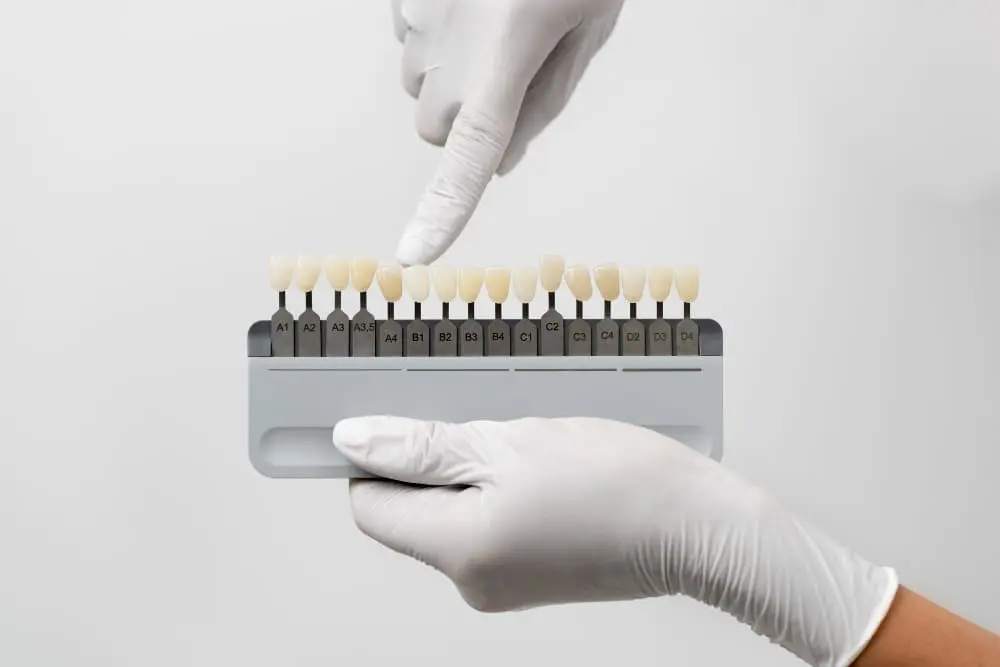
A perfect smile is an important factor that boosts our self-confidence and makes us feel happier. However, over time, various problems can occur in our teeth; such as discoloration, cracks, fractures or abrasions. This is exactly where dental veneers come into play. Veneers are an effective solution to repair and beautify our teeth both aesthetically and functionally.
Featured Headlines
ToggleIn this comprehensive guide, we will take a deep dive into the world of dental veneers. You will learn what it is, when it is preferred, the different types, prices, the application process and much more. You will also find important tips and answers to frequently asked questions for those considering getting veneers.
If you want to get rid of the problems with your teeth and have a perfect smile, you are in the right place. We are here to guide you on your journey.
What Are Dental Veneers and What Do They Do?
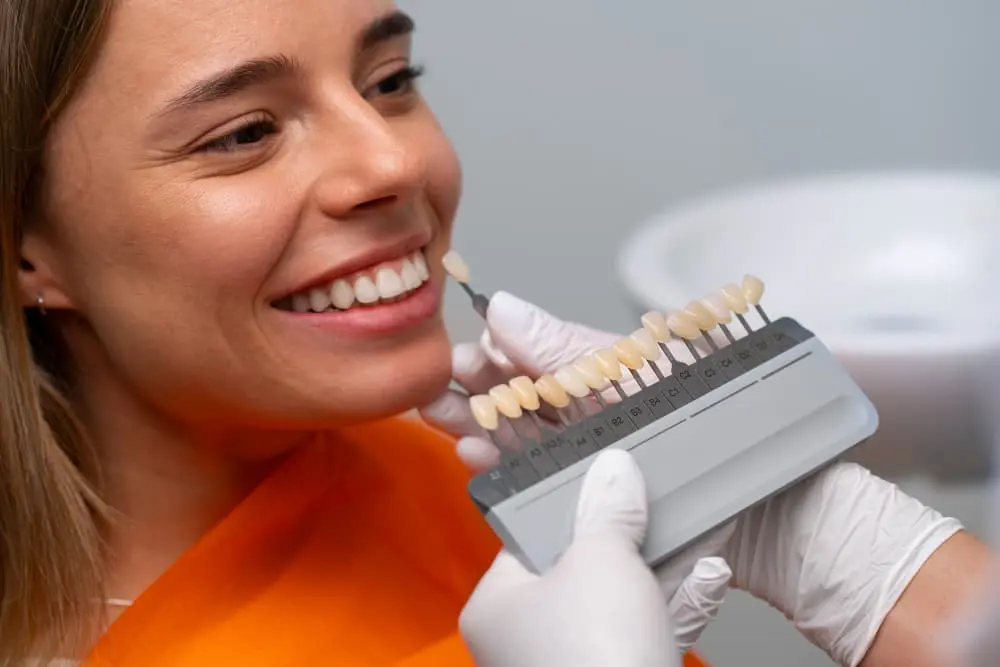
A dental crown is a thin layer placed over the teeth that mimics the appearance of natural teeth. This layer is used to improve the shape, color and size of the tooth or to protect damaged teeth. Gusually porcelain, ceramic, zirconium or composite are made of durable materials such as resin.
In Which Situations is Preferred?
Dental veneers are a popular treatment method preferred to solve various dental problems and achieve an aesthetic smile. Cases where it is often used:
- Decayed or Broken Teeth: It is an effective solution for repairing and strengthening severely decayed or broken teeth.
- Color Changes: Veneers can be used to improve the appearance of teeth with stains or discolorations that cannot be removed by teeth whitening procedures.
- Worn Teeth Ideal for restructuring and protecting teeth that have been worn down due to grinding or aging.
- Shape Disorders: It can be preferred to correct the aesthetic appearance of irregularly shaped or small-sized teeth.
- Tooth Spacing Closure: It can be used to close the gaps between teeth called diastema.
Advantages
Dental veneers help patients transform their smiles with many advantages.
- Aesthetic Appearance: They look very similar to natural teeth and their color can be adjusted individually. In this way, patients can achieve a natural and aesthetic smile.
- Resilience The coating materials are highly durable and can be used for many years.
- Preservation of Natural Tooth Structure: It allows a large part of the natural structure of the teeth to be preserved.
- Resistance to Staining: Porcelain and ceramic coatings are highly resistant to staining agents such as coffee, tea or cigarettes.
Disadvantages
Dental veneers also have some disadvantages.
- Abrasion of Tooth Enamel: Some abrasion of the teeth may be required for the veneering process.
- Cost: It may be more costly than other treatment options.
- Sensitivity: Temporary sensitivity may occur in the teeth after veneering.
- Coating Breakage or Detachment: In rare cases, coatings may break or become dislodged.
Who Can Have Dental Veneers?
Generally, individuals with any of the above-mentioned problems in their teeth and in good general health can have veneers applied to their teeth. However, existing dental problems such as gum disease or decay may need to be treated first. Your dentist, to determine the most appropriate treatment option for you oral and dental healthwill assess your situation.
Veneer teeth, transforming your smile and can be an effective solution to boost your self-confidence. However, before starting any treatment, it is important to consult a dentist for detailed information and to determine the appropriate treatment plan for you.
What is the Lifespan of Veneers?
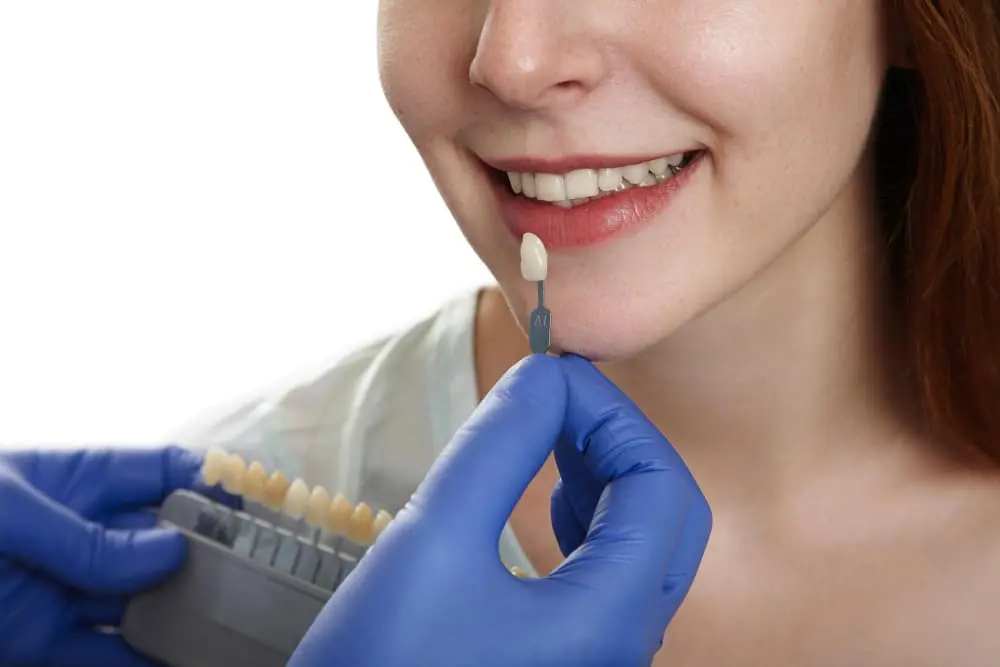
Dental veneers can extend the life of your natural teeth and aesthetic smile is an important investment. So, how long do these coatings last? The lifetime of coatings varies depending on various factors. Generally 5 to 15 years It is possible to talk about a lifespan of between one and two years. However, with proper maintenance and regular checks, this period can be extended even further.
Average Dental Veneer Lifespan
The lifetime of coatings can vary depending on a number of factors. Average lifetime:
- Metal Assisted Porcelain Veneers: They have an average lifespan of 5-10 years.
- Zirconium Veneers: They can usually last 10-15 years or more.
- Full Ceramic Coatings: Like zirconium veneers, they can last for 10-15 years or longer.
- Laminate Veneer Coatings: They have an average lifespan of 5-10 years.
Factors Affecting Lifespan
There are several important factors that determine how long your dental crown will last:
- Coating Material: The quality and durability of the coating material you choose directly affects its lifespan. Zirconium and full ceramic crowns, are generally longer lasting than metal-backed porcelain veneers.
- Oral and Dental Care: Regular and effective oral care prolongs the life of veneers. Brushing your teeth at least twice a day, flossing and cleaning with mouthwash will help you maintain the health of your veneers.
- Teeth Clenching and Grinding (Bruxism): Bruxism is the habit of clenching or grinding your teeth and can damage crowns, shortening their lifespan. In this case, your dentist may recommend preventive measures such as night guards.
- Nutrition Habits: Biting down on hard foods such as nuts, ice or using your teeth as a tool can damage the veneers. Therefore, it is important to avoid such habits.
- Dentist Checkups: Regular dental check-ups are critical for assessing the condition of the veneers and detecting potential problems early. This way, minor problems can be addressed before they escalate and the lifespan of the veneers can be extended.
Remember: With proper oral care and regular dental check-ups, the lifespan of dental veneers can be significantly extended. In case of any problems or damage, the veneer can be repaired or replaced by contacting your dentist. If you want your dental veneers to serve you for many years, it is important to follow your dentist's recommendations and oral healthit is very important to take care of yourself.
What are the Types of Dental Veneers?
Dental veneers are manufactured from a variety of materials to meet aesthetic and functional needs. Each type of veneer offers different advantages and disadvantages, so to make the right choice your dentist consultation is important.
1. Metal Assisted Porcelain Veneers
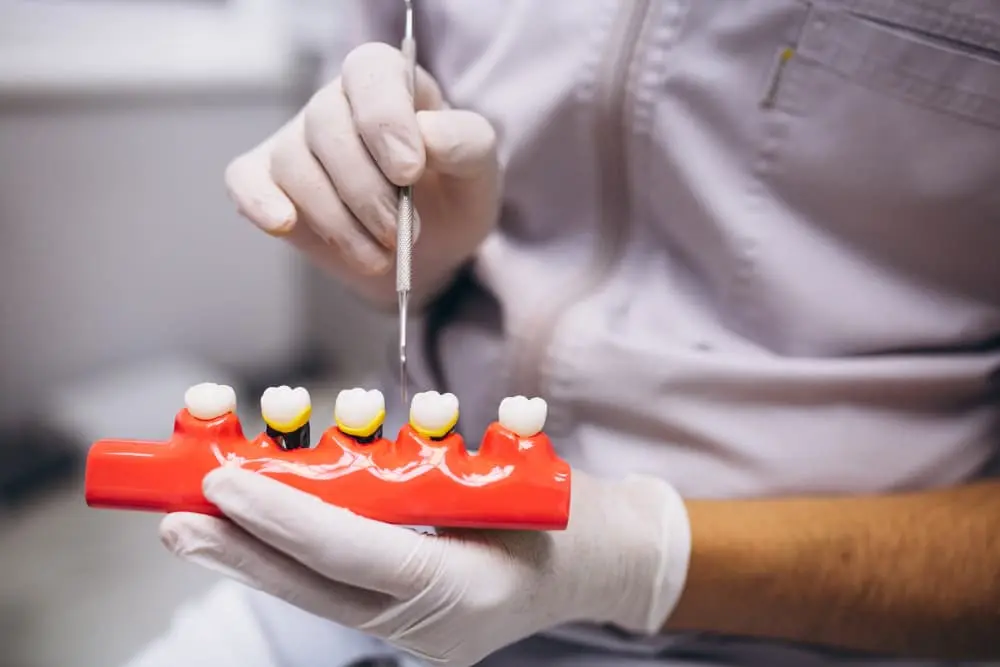
A traditional option, metal-backed porcelain veneers have a metal framework on the inside and are covered on the outside with porcelain that mimics the appearance of natural teeth.
Advantages:
- They are durable and long-lasting, especially in areas where chewing force is intense, such as the back teeth
- They may be more cost-effective than other types of coatings.
Disadvantages:
- Over time, the metal substructure can cause the formation of a dark line on the gum line, which can be a disadvantage for some people in terms of aesthetics.
- Their light transmission is not as good as that of full ceramic veneers, so the appearance of natural teeth may not be fully achieved.
2. Zirconium Veneers
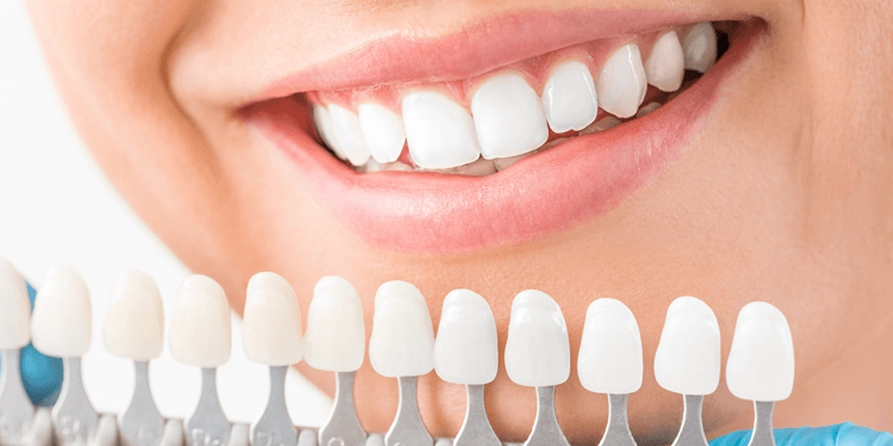
It is an ideal option for those looking for both aesthetics and durability. Zirconium, is a white colored and durable material.
Advantages:
- They have a very similar appearance to natural teeth, have high light transmittance and good gum compatibility.
- Since it is metal-free, it has a low risk of allergic reaction and does not discolor the gum line.
- It can be used on both front and back teeth.
Disadvantages:
- It may be slightly more costly than other types of coating.
3. Full Ceramic Coatings (Emax)
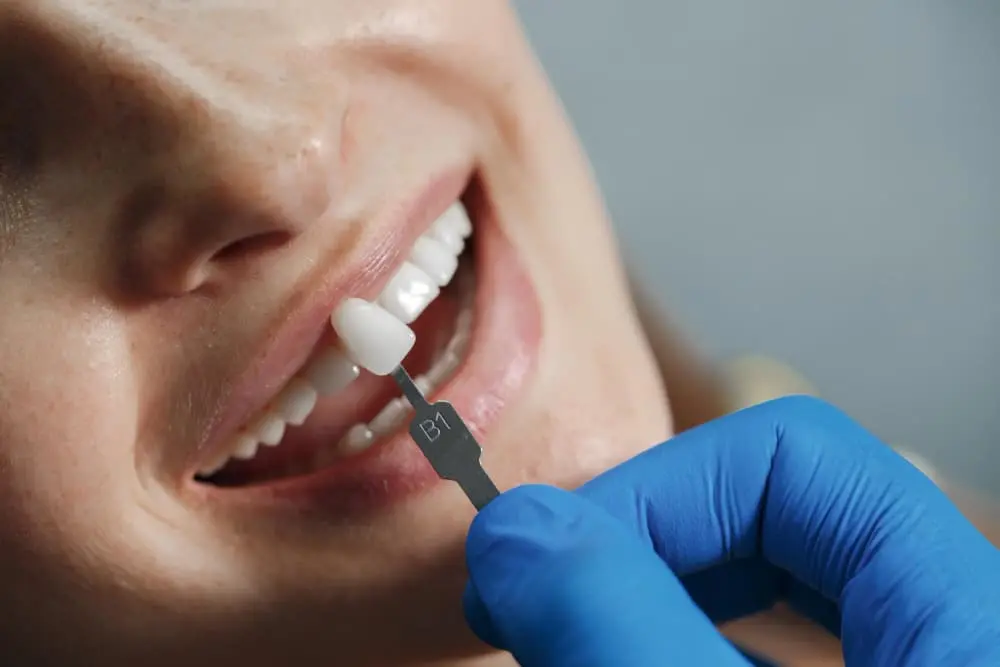
Emax coating, are designed to meet the highest aesthetic expectations. Made entirely of ceramic, these veneers are preferred to achieve a natural and beautiful smile, especially on the front teeth.
Advantages:
- Their light transmittance is very good, they provide the closest aesthetics to natural teeth and their gum compatibility is excellent.
- They are metal-free, so there is a low risk of allergies and no discoloration of the gum line
Disadvantages:
- They can be more sensitive than other types of veneers and their use on back teeth may be limited.
- Costs may be higher than other coating types
4. Laminate Veneer Veneers
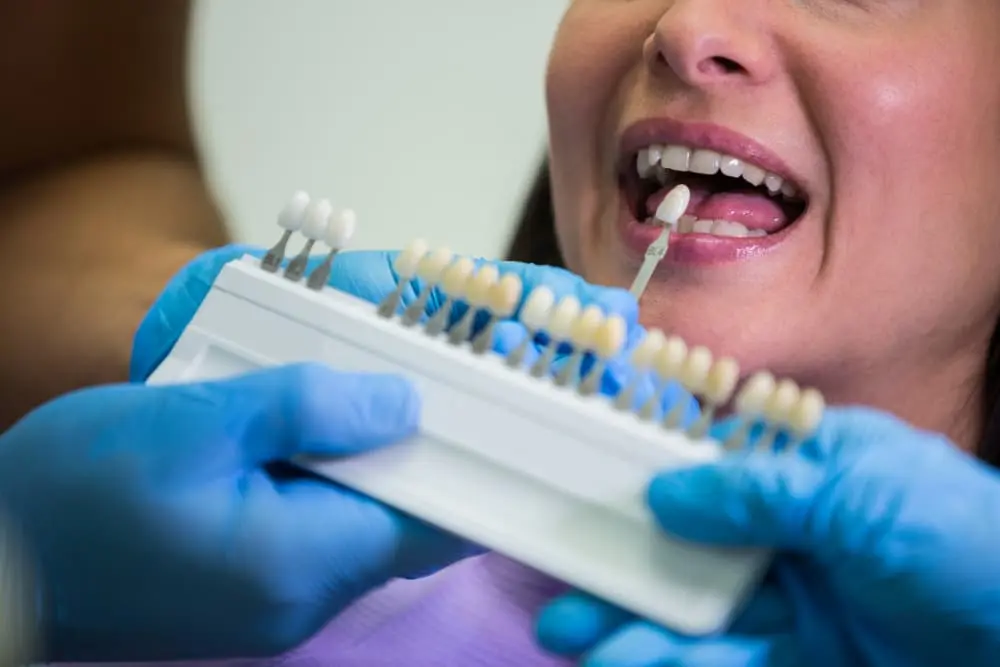
Veneers are thin porcelain sheets applied to the front surface of the teeth.
Advantages:
- Used for aesthetic purposes, these veneers are ideal for correcting the color, shape or size of teeth.
- Most of the natural structure of the teeth is preserved.
- Their light transmittance is high and the aesthetic results are excellent.
- It is a minimally invasive method, meaning less abrasion of the teeth is required
Disadvantages:
- May be more sensitive than other types of coatings
- They can only be used on front teeth.
- They are not suitable for correcting serious dental problems.
What are the Prices of Dental Veneers in Istanbul?
Prices are one of the most curious topics for those who are considering getting their teeth veneered in Istanbul. In 2024, dental crown prices vary depending on various factors and although it is not possible to give a clear price, having information about average price ranges can help you plan your budget.
Factors Affecting Prices
There are several important factors that determine the prices of dental veneers in Istanbul:
- Coating Material: The type of coating material directly affects the price. Zirconium and full ceramic crowns, are generally more expensive than metal-backed porcelain veneers.
- Number of Teeth to be covered: As the number of teeth to be veneered increases, the total cost naturally increases.
- Clinic and Dentist: The location, prestige and experience of the dentist can also affect prices.
- Additional Treatments: Additional procedures such as gum treatment or root canal treatment may be required before a dental crown, which can increase the cost.
What You Should Know About Prices
- Get a Price Quote: Before getting a dental crown, make sure to get price quotes from more than one clinic and make a comparison.
- Prioritize Quality: Instead of choosing the most affordable option, it may be more advantageous in the long run to choose a clinic that uses quality materials and works with experienced dentists.
- Payment Options: Many clinics offer installment or special payment plans. By evaluating these options, you can create a payment plan that fits your budget.
- Warranty and Maintenance: Ask the clinic where you have your veneers for information about warranty and maintenance services.
Remember: Dental crown prices may vary over time and according to clinics. Therefore, for the most up-to-date and customized price information feel free to contact us.
How Tooth Veneers Are Made?
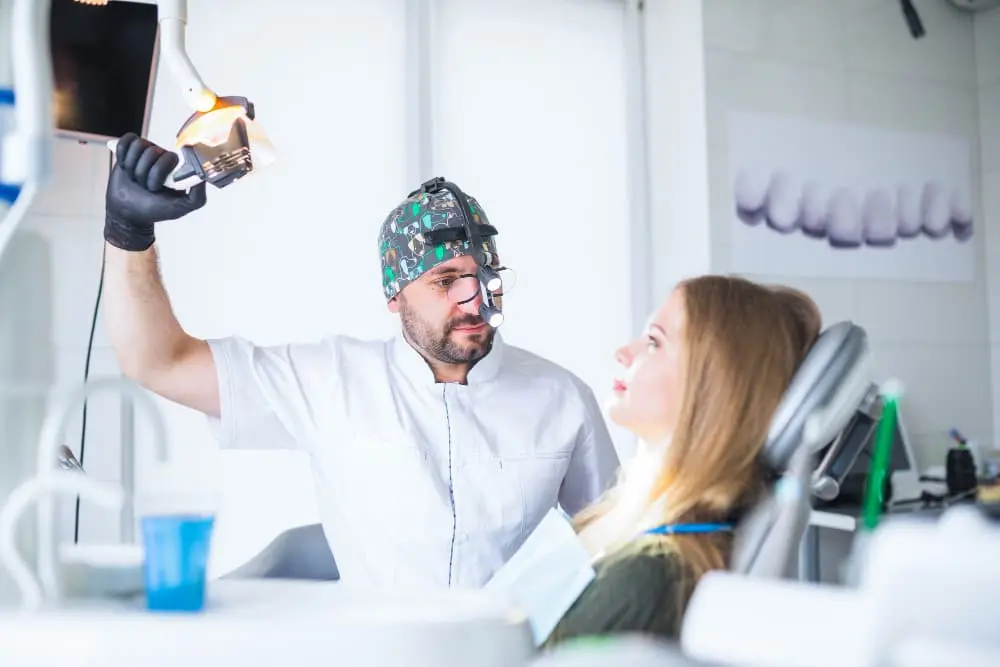
The veneering process consists of several meticulously executed stages. This process is planned and applied individually with the expertise and experience of your dentist.
Before starting the veneer procedure, your dentist will perform a detailed oral and dental examination. During this examination, the general health status of your teeth and gums is evaluated and any existing problems (such as caries, gum disease) are treated. Then, necessary preparations are made on the tooth or teeth to be crowned. This preparation phase usually includes the following steps:
- Anesthesia Local anesthesia is applied so that you do not feel any pain or discomfort during the procedure.
- Shaping of Teeth: A thin layer is removed from the surface of the tooth so that the veneer can be placed. This process ensures that the tooth is compatible with the veneer.
- Measurement A precise impression of your teeth is taken. These impressions are used in the laboratory to produce customized veneers.
- Temporary Coating: After the impressions are taken, temporary veneers are placed to protect your teeth and ensure aesthetic appearance.
The impressions taken by your dentist are sent to the laboratory for the production of custom-made veneers by technicians. This process usually takes a few days or weeks. Once the veneers are ready, your dentist will invite you back to the clinic and perform the veneering procedure.
- Removal of Temporary Coatings: First, temporary veneers are carefully removed from your teeth.
- Placement of Overlays: The prepared veneers are placed on your teeth and checked for fit. The color, shape and size of the veneer should be in perfect harmony with your teeth.
- Gluing: A special dental adhesive is used to permanently bond the veneers to the teeth.
- Bite Adjustment: Adjustments are made to ensure that the coatings do not affect your biting and chewing functions.
After the dental crown procedure is completed, your dentist will provide you with information about aftercare and what to look out for.
- Sensitivity: There may be a slight sensitivity in your teeth after veneers. This usually goes away on its own within a few days.
- Oral Care: To prolong the life of the veneers and maintain your oral health, it is important to follow an effective oral care routine with regular brushing, flossing and mouthwash.
- Control Appointments: Your physician will recommend regular follow-up appointments to assess the condition of the veneers and make any necessary adjustments.
Dental veneers are a painless and comfortable process when performed by an experienced dentist. After veneers, you can have a natural and aesthetic smile and regain your self-confidence.
Things to Consider After Dental Veneers

Veneers require as much care and attention as your natural teeth. With the right care, you can extend the life of your veneers and protect your oral health.
Oral and Dental Care
- Regular Brushing and Flossing: Brush your veneers at least twice a day, just like your natural teeth, and don't forget to floss. This prevents plaque build-up, which can lead to gum disease and damage to the veneers.
- Mouthwash You can support your oral hygiene by using a mouthwash recommended by your dentist.
- Dentist Checkups: Do not miss regular dental check-ups. Your dentist will assess the condition of your veneers and perform the necessary cleaning.
Nutrition
- Avoid Hard Foods: Biting hard objects such as nuts, ice or using your teeth as a tool can damage your veneers. Take care to avoid such foods and habits.
- Avoid Sticky Foods: Avoid sticky foods such as chewing gum and caramel, especially in the early days. These foods can cause the veneers to dislodge.
- Limit Acidic Drinks: Excessive consumption of acidic drinks such as cola, carbonated drinks and some fruit juices can lead to abrasion of the surface of the veneers. It is a good idea to rinse your mouth with water after consuming such drinks.
Avoiding Harmful Habits
- Smoking and Alcohol: Smoking and alcohol can negatively affect gum health and shorten the lifespan of veneers. Therefore, it is advisable to stay away from such harmful habits.
- Nail biting Nail biting can damage your veneers. You may want to consider getting support to get rid of this habit.
- Teeth Grinding Teeth grinding (bruxism) can put excessive pressure on the crowns, causing damage. If you suffer from teeth grinding, your dentist may recommend preventive measures such as night guards.
By taking care of your dental veneers and following these recommendations, you can have a healthy and beautiful smile for many years to come. Remember, effective oral care is one of the most important ways to prolong the life of your veneers and protect your oral health.
What You Need to Know If You Are Thinking of Getting Your Teeth Veneered
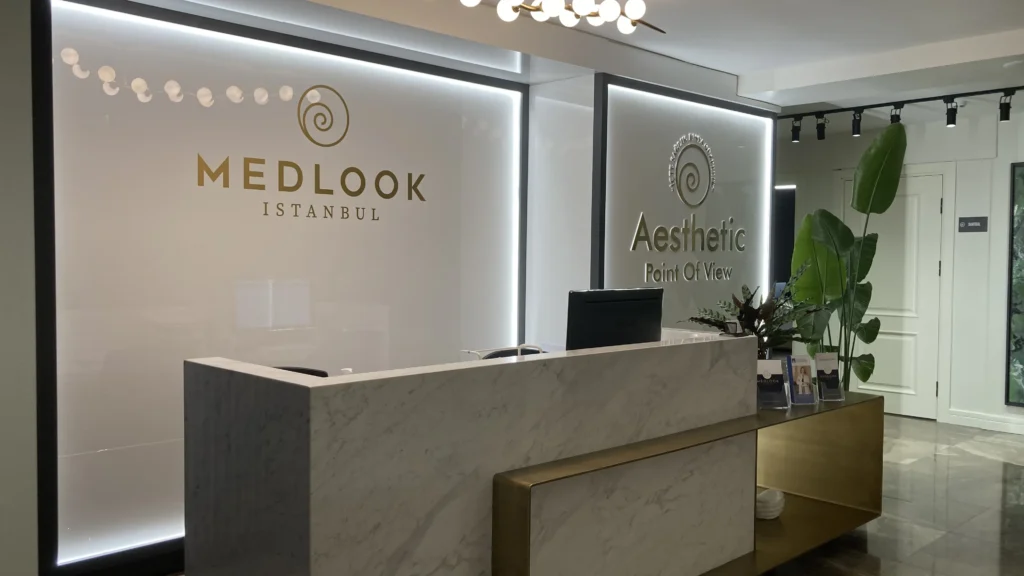
Although dental veneers are an effective aesthetic dentistry procedure that can transform your smile, there are some important points to consider carefully before making this decision. Choosing the right clinic and dentist, is critical to the success of the treatment and your long-term satisfaction. In addition, a detailed assessment of your oral and dental health should be carried out to determine whether veneers are an appropriate treatment for you.
Choosing the Right Clinic
- Experienced and Specialized Dentist: Dental veneers are a delicate process and should be performed by an experienced dentist. Examine the veneer dentist's specialties, experience and previous patient reviews.
- Technology and Material Quality: It is important that the clinic has state-of-the-art equipment and uses quality coating materials. This affects both the success of the treatment and the lifespan of the veneers.
- Hygiene Standards: Check that the clinic complies with hygiene standards. A sterile environment minimizes the risk of infection and ensures a safe treatment experience.
- Patient Satisfaction: You can get an idea about the clinic by reviewing the comments and evaluations of patients who have been treated at the clinic before.
- Communication and Information: Contact the clinic staff to get detailed information about the treatment process, materials used and costs. Feel free to ask questions and make sure you clearly understand all the details.
Situations where Dental Veneers are Suitable
This may not be a suitable treatment option for everyone. Your dentist will examine your oral and dental health in detail to assess whether veneers are suitable for you.
- Gum Health: Healthy gums are important for a successful dental crown treatment. People with gum disease may need to treat this problem first.
- Bruises If there is decay in the teeth to be veneered, these decays must first be treated. Otherwise, decay can progress under the veneers and lead to more serious problems.
- Oral Hygiene Habits: Without regular and effective oral care, the lifespan of veneers can be shortened and gum problems can occur. Therefore, it is important to have good oral hygiene habits.
Before getting dental veneers, you should consider all these factors and make an informed decision. Communicate openly with your dentist and share your expectations and concerns. Remember, choosing the right clinic and dentist, will allow you to have a healthy and aesthetic smile. For detailed information on the subject you can contact us.
Other Articles

Saç Dökülmesine İyi Gelen Yağlar: 5 Öneri 2026
Saç Dökülmesi Hangi Doktora Gidilir? 2026 Rehberi

Çocuklarda Saç Dökülmesi Nedenleri 2026 Rehberi

Kadınlarda Saç Dökülmesi Neden Olur? 2026 Rehberi






 Turkish
  English
  German
  French
  Italian