
Does Upper Eyelid Surgery Affect the Visual Field? Functional Recovery Process and Scientific Facts
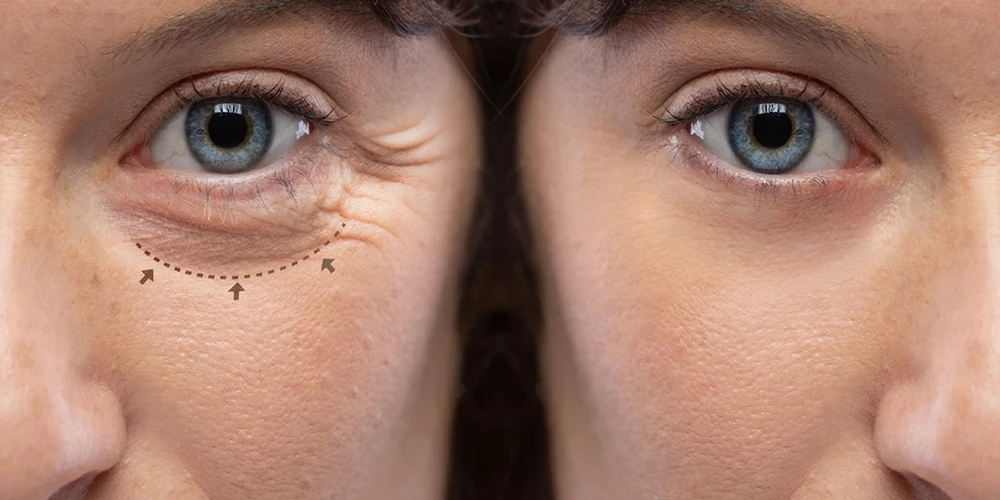
The eyes, which serve as the human body’s most important window to the world, are not only an aesthetic focal point but also our most complex sensory organ, enabling us to perceive life. The act of seeing begins when light enters through the cornea and strikes the retina; however, the “curtains”—that is, the eyelids—that sit in front of this flawless mechanism directly affect the quality of the process. When the relentless effects of time, gravity, and genetic factors combine, the skin of the upper eyelid loses its elasticity, thins, and begins to sag downward. Although this condition, referred to in medical literature as “dermatochalasis,” is commonly known as “drooping eyelids,” its effects go far beyond simply making one “look tired.” In advanced stages, these sagging skin folds extend beyond the lash line and begin to cover the pupil like a physical curtain. The result is a narrowed field of vision, chronic headaches, and a diminished quality of life.
At this point, the following comes into play: Upper Eyelid Surgery (Blepharoplasty), in addition to being one of the most commonly performed procedures in plastic surgery, it is a functional reconstruction that gives patients the chance to “see the world through a new, wider window.”. Medlook Polyclinic in Nisantasi, Istanbul As such, we view this procedure not merely as a rejuvenation treatment, but as a medical necessity that optimizes visual function. In this comprehensive guide, we will examine in minute detail—based on scientific data—how drooping eyelids obstruct the visual field (particularly superior vision), how surgery removes this obstruction, the physiology of the recovery process, and the functional benefits.
The “Invisible” Cost of Drooping Eyelids: Functional Losses
Eyelid drooping is a gradually progressing condition. Patients usually do not immediately notice the narrowing of their field of vision because the brain and forehead muscles step in to compensate for this condition. However, this compensatory mechanism places an additional strain on the body.
1. “Curtain Effect” and Superior Visual Field Defect
Our field of vision encompasses not only the point we’re focusing on but also the peripheral area. When the skin of the upper eyelid sags over the eyelashes, it blocks the upward field of vision—specifically what we call the “upper quadrant.” This condition can lead to dangerous consequences, such as being unable to see traffic lights while driving, skipping lines while reading a book, or failing to see the steps while going down a staircase. The patient feels as if they are constantly looking from under the brim of a hat.
2. Frontalis Muscle Compensation and Chronic Headaches
When the field of vision narrows, the brain automatically issues a “widen the field of vision” command. In response to this command, the patient tries to raise their eyebrows by using the forehead muscles (frontalis muscle). This unconscious muscle contraction, which persists throughout the day, causes severe tension-type headaches in the forehead, temples, and back of the neck in the evening. Many patients express their surprise after eyelid surgery, saying, “The headaches I’ve been suffering from for years are gone.”.
3. Eyelash Ptosis and Corneal Irritation
As the skin sags, it also pulls the eyelashes downward. Eyelashes that turn inward or constant contact between the skin and the cornea can cause a foreign body sensation, burning, and chronic watery eyes.
Blepharoplasty: Cosmetic or Functional?
Upper eyelid surgery can be divided into two categories: “Functional Blepharoplasty” and “Cosmetic Blepharoplasty”; however, in practice, these two are intertwined. The technique we use at Medlook Clinic addresses both objectives.
- Cosmetic Purpose: Achieve a youthful, fresh appearance by removing excess skin and herniated fat pads.
- Functional Purpose: To restore peripheral vision by removing the mechanical obstruction blocking the visual axis.
Yapılan bilimsel çalışmalar, fonksiyonel blefaroplasti sonrası hastaların görme alanında ortalama %20 ila %30 oranında genişleme olduğunu kanıtlamıştır. Bu konudaki detaylı klinik veriler ve görme alanı testleri (Goldmann Perimetrisi) sonuçları için Article in the National Institutes of Health (NIH) database you can examine.
The Surgical Process: Technical Details That Improve Vision
The surgery is a comfortable procedure that is typically performed under local anesthesia and lasts an average of 45–60 minutes. However, just because it appears “simple” does not mean it does not require surgical precision.
1. Determining the Incision Line and the “Pinch Test”
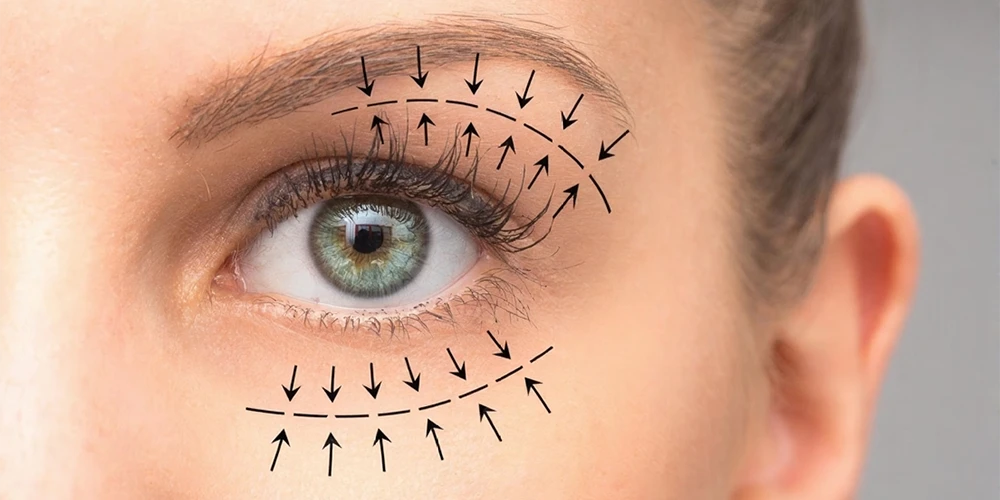
While marking the area before surgery, the surgeon examines the patient in a seated position. The “pinch test” is used to calculate, down to the millimeter, how much skin will be removed. The critical point here is to remove just enough tissue to open up the visual field without removing so much skin that it prevents the eye from closing (risk of lagophthalmos). The incision is hidden within the natural crease of the eyelid (supratarsal fold), making the scar virtually invisible.
2. Intervention on the Orbicularis Muscle and Adipose Tissue
It’s not enough to simply remove the skin. A thin strip of the muscle that closes the eyelid (orbicularis oculi) and, if present, the herniated fat pockets at the inner corner are also removed. This completely reduces the weight (load) on the eyelid.
3. Additional Treatment if Eyelid Drooping (Ptosis) Is Present
If the patient has not only sagging skin (dermatoshalasis) but also true ptosis (ptosis), this muscle (the levator muscle) is also shortened and repaired during blepharoplasty. This represents the pinnacle of functional recovery.
The Step-by-Step Functional Recovery Process
The question patients are most curious about is, “When will my vision become clear?” The recovery process progresses according to the biological stages of tissue repair.
The First 24–48 Hours: Inflammation and Cloudiness
The eyes are not bandaged after surgery, and the patient can walk home. However, it is normal to experience slight blurriness in vision for the first 2 days. There are two reasons for this:
1. Antibiotic ointments applied to protect the eye during and after surgery form an oily film on the cornea.
2. Edema (swelling) around the eyes may temporarily restrict eyelid movement.
During this time, a cold compress (applying ice) is your best friend.
Days 3–7: The Curtain Rises
The swelling subsides quickly. The stitches are removed on the 5th or 7th day. Once the stitches are removed, patients often say, “It’s as if a weight has been lifted from my eye; the world has become brighter.” At this stage, light sensitivity (photophobia) may occur, so wearing sunglasses is essential.
Weeks 2–4: Functional Recovery
Şişliklerin %80’i inmiştir. Göz kapağı doğal kıvrımına oturur. Hasta artık kaşlarını kaldırma ihtiyacı hissetmez. Kitap okuma, bilgisayar kullanma gibi aktivitelerdeki göz yorgunluğu belirgin şekilde azalır. Araba kullanırken yan aynaları görmek için başı çevirme ihtiyacı azalır, çünkü periferik görüş açılmıştır.
3. Month and Beyond: Lasting Results
The scar fades completely. The tissues soften. A marked improvement is objectively observed in visual field tests (if performed). Headaches are gone, and the eyes look more alert.
Tips for Speeding Up Post-Surgery Functional Recovery
A successful surgery must be complemented by a well-planned aftercare process. The specialists at Medlook Clinic recommend the following:
1. Managing Dry Eyes (Lubrication)
The blinking reflex may temporarily slow down after surgery. This can lead to dry eyes. Using the artificial tear drops (preservative-free) prescribed by your doctor every hour will help maintain clear vision and protect the cornea.
2. Sleeping with Your Head Elevated
Sleeping with two pillows for the first week, keeping your head above heart level, helps reduce puffiness around the eyes by allowing fluid to drain downward with the help of gravity. This helps you wake up with less puffiness in the morning and makes it easier to open your eyes.
3. Screen Detox (Digital Detox)
For the first 3–4 days, you should minimize your use of phones, tablets, and computers, as they reduce the number of times you blink (which drops to 4–5 times per minute when looking at a screen). Instead, listening to audiobooks or music can speed up your recovery.
4. Lymphatic Drainage Massage
Starting in the second week, gentle lymphatic massages around the eyes—with your doctor’s approval—will help eliminate any remaining swelling and ensure that your vision is completely clear.
Why Does It Require Expertise? Risks and Complications
Although blepharoplasty may seem simple, even millimeter-level errors can lead to serious functional problems.
* Excess Skin Removal (Lagophthalmos): It causes the eye not to close completely, the eye to remain open while sleeping at night, and serious corneal damage.
* Dry Eye Syndrome: In patients with existing dry eye, improper treatment planning can cause the condition to become chronic.
For this reason, the procedure must be performed in a hospital setting by an experienced plastic surgeon who is well-versed in the anatomy of the eye.
Medlook Clinic, Istanbul Nişantaşı: A Holistic Approach to Your Eyes
Istanbul Nisantasi‘located in the center of Medlook Polyclinic, views eyelid aesthetics as a form of “vision restoration.”.
- Personalized Planning: Not just the skin, but also the position of the eyebrows (if they are drooping) Eyebrow Lift (combined with) and the eye structure (if necessary Almond Eye Aesthetics) we evaluate it as a whole.
- Security Protocols: We perform a preoperative eye examination and tear tests (Schirmer test) to assess risk.
- Recovery Tracker: We monitor functional improvements through regular follow-up visits after surgery.
Frequently Asked Questions (FAQ)
Will this surgery correct my vision?
No. Blepharoplasty is not a laser surgery (such as Excimer Laser) that corrects “refractive errors” of the eye (myopia, hyperopia, astigmatism). No procedure is performed on the eye’s lens or cornea. However, because it removes the physical barrier obstructing vision, it improves “visual quality” and “visual field.”.
Can I wear contact lenses after surgery?
Because eyelid movements and tear balance are temporarily altered after surgery, wearing contact lenses is prohibited for the first 2–3 weeks. Wearing glasses during this time both helps prevent the risk of infection and ensures proper oxygenation of the cornea.
Will my eyelid droop again?
The removed skin and fat tissue do not regrow. However, as the aging process continues, some sagging may occur in the remaining areas of the skin over the years (usually 10–15 years later). Nevertheless, the skin will never return to its pre-surgery state. The permanence of the results depends on the individual’s skin quality and lifestyle.
Does public or private insurance cover this surgery?
Eğer göz kapağı düşüklüğü belli bir seviyenin üzerindeyse ve “görme alanını %30’dan fazla kısıtladığı” görsel alan testi (Görsel Alan Testi) ile kanıtlanırsa, bazı sağlık sigortaları veya devlet kurumları bunu “tıbbi zorunluluk” olarak kabul edip karşılayabilir. Ancak bu prosedürler kurumdan kuruma değişir. Medlook Polikliniği olarak bu konuda sigorta danışmanlığı vermemekteyiz, sigorta şirketinizle görüşmeniz en doğrusudur.
Appointments and Contact Information: See the World More Clearly
If you're tired of always looking tired, struggling with heavy eyelids, and seeing the world through a haze, the solution is a procedure that takes just 45 minutes. Medlook Polyclinic's expert plastic surgeon staff in Nişantaşı, Istanbul Contact us today to learn more and discover the potential for improved vision. Schedule a free initial consultation to regain both your aesthetic and functional freedom.










 Turkish
  English
  German
  French
  Italian