
Does Tooth Whitening Damage Tooth Enamel? Current Scientific Approaches
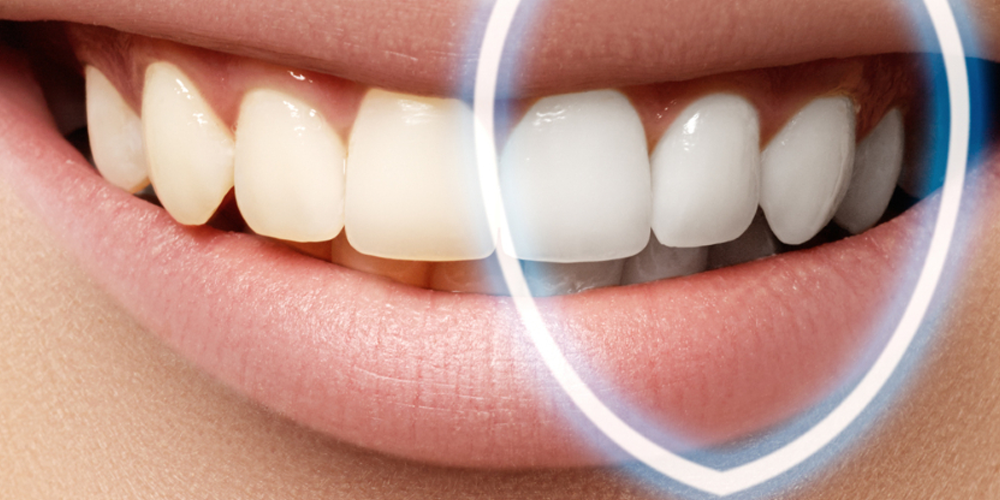
Bright and white teethHaving a confident smile is one of the top aesthetic concerns today. A confident smile can open many doors in social and professional life. For this reason, teeth whitening operations, dental aesthetics is one of the most in-demand applications in the field. However, in addition to this popularity, many people have an important question mark in mind: "Does teeth whitening damage tooth enamel?" This concern can arise due to misinformation on the internet or inadequate practices in the past. Even though enamel is the hardest substance in our body, the possibility of damaging it is naturally a cause for concern. Fortunately, current scientific approaches and modern dental practices make it clear that professional teeth whitening can be done safely without damaging tooth enamel. As Medlook Polyclinic in Nişantaşı, Istanbul, we always prioritize the safety and dental health of our patients and provide reliable and reliable teeth whitening solutions.
Featured Headlines
ToggleIn this article, we will address common concerns and misunderstandings about teeth whitening, scientifically explain how whitening gels work without damaging tooth enamel, share the findings of current research and explain how to manage temporary effects after the procedure. Our aim is to, white teethto ensure that everyone who wants to have them has access to accurate and comprehensive information about the safety of this process.
Concerns and Misconceptions about Teeth Whitening
One of the most common concerns about teeth whitening is whether the procedure will cause permanent damage to tooth enamel.
- Structure and Sensitivity of Tooth Enamel: Enamel is the outermost layer of the tooth and is made up of crystalline hydroxyapatite minerals called enamel rods. Although it is very hard and durable, it can be damaged by overly acidic foods and drinks or improper application. Therefore, it is a natural concern whether enamel can be damaged during the whitening process.
- The Myth of "Teeth Whitening Wears Out Enamel": This misconception is often due to the misuse of home products that are sold uncontrolled on the market, have no scientific basis or have an abrasive effect. At the same time, some limitations of the old whitening techniques used in the past have also contributed to this perception. However, professional and scientific whitening proves this myth wrong.
- Patients' Anxiety about Trust: For patients who do not want to suffer permanent damage from an aesthetic procedure, the safety of the procedure is the most important criterion. These concerns should be addressed with accurate and scientific information.
Teeth Whitening Mechanism: Color Lightening without Damaging Enamel
Professional teeth whiteningThe basic principle is to break down color pigments without damaging tooth enamel.
- Chemical Structure of Bleaching Gels (Peroxides): The main active ingredients of gels used in professional teeth whitening are hydrogen peroxide or carbamide peroxide. These compounds decompose into water and oxygen to form free radicals.
- Oxidation and Degradation of Color Pigments: The resulting free radicals penetrate the porous structure of the tooth enamel. There, they break down the carbon bonds of the organic pigment molecules that cause tooth discoloration, turning them into smaller, colorless molecules. These molecules reflect light differently, so teeth appear whiter. This process does not change the chemical structure or mineral content of the enamel.
- Maintaining the Integrity of the Tooth Enamel: Scientific research shows that professional whitening gels do not compromise the structural integrity of tooth enamel, nor do they cause a permanent reduction in its hardness. The procedure is only an "optical illusion" or chemical reaction that changes the shade of the tooth and is not an abrasive process.
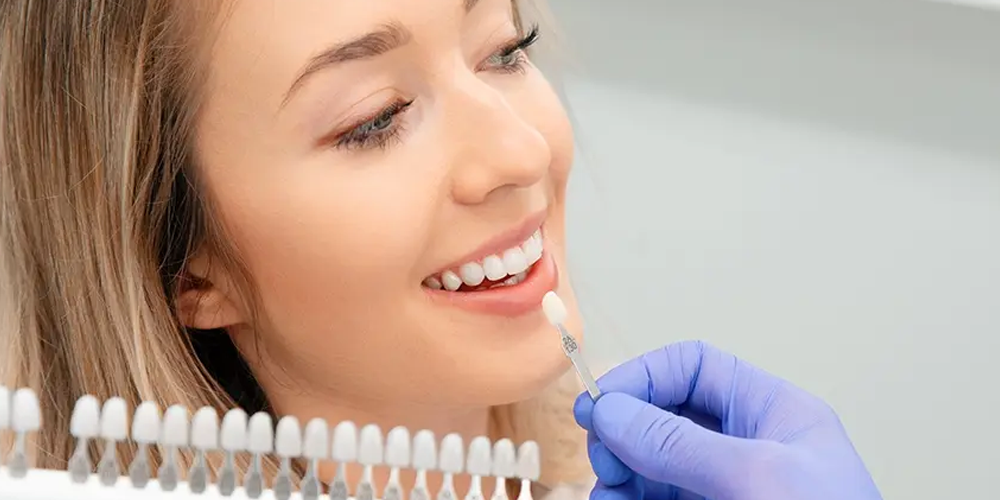
What Does Scientific Evidence and Current Research Say?
Modern teeth whitening The safety of the methods is supported by extensive scientific research over many years.
- Decades of Research and Clinical Safety: Teeth whitening has been safely practiced in cosmetic dentistry since the 1980s. Dental associations and authorities worldwide (e.g. the American Dental Association - ADA) confirm that it is safe when applied with appropriate products and the right protocols.
- Effects on Tooth Enamel (Microscopic Level): Studies using advanced imaging techniques, such as electron microscopy, show that there may be temporary, micro-level changes to the surface of the enamel after professional whitening (e.g. a temporary increase in micro-roughness). However, these changes are not permanent and are quickly restored by minerals in saliva. There is no permanent wear or damage to the enamel structure.
- Right Implementation Conditions and Potential Risks: Safety depends entirely on the correct application conditions. Side effects such as temporary sensitivity or irritation of the gums may occur with uncontrolled use of highly concentrated gels, lack of gum protection or excessively long application times. However, these risks are minimized under the control of a specialist dentist.
Temporary Effects After Teeth Whitening and Management
Some effects seen after teeth whitening are normal and temporary.
- Tooth Sensitivity: Why It Happens and How to Reduce It The most common side effect after whitening is temporary tooth sensitivity. Whitening agents can reach the dentinal tubules through the microscopic pores of the enamel and get close to the nerves, causing sensitivity to cold or hot stimuli. This sensitivity usually resolves spontaneously within 24-48 hours. To reduce sensitivity, your dentist may recommend fluoride gel applications, desensitizing toothpastes or painkillers.
- Gum Irritation: Precautions and Recovery: Especially in office whitening, a special barrier is used to prevent the whitening gel from contacting the gums. If this barrier is not fully applied or if the gel comes into contact, mild redness or irritation of the gums may occur. This usually heals spontaneously within a few days.
- The importance of the "White Diet" after treatment: For the first 24-48 hours after whitening, the enamel may be more porous and more prone to staining. During this time it is important to avoid coloring foods and drinks such as tea, coffee, red wine, cola, cola, colored sauces, chocolate (following a "white diet") and not smoking. This will help white teeth supports the permanence of the color.
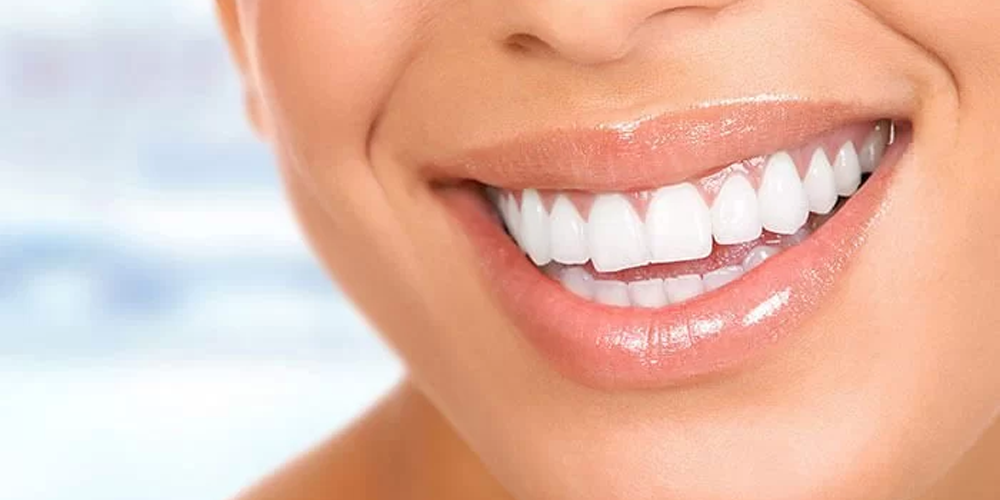
Priorities for Safe Teeth Whitening
White teethTo reach them safely, the following priorities should be considered:
- Specialist Dentist Checkup: Why is it Essential?
- Correct Diagnosis and Implementation: Only a dentist can accurately diagnose whether your teeth are suitable for whitening, the cause of the discoloration and the most suitable method.
- Personalized Planning: It is vital to create a customized treatment plan based on personal factors such as the sensitivity level of your teeth, gum health, existing fillings or veneers.
- Complication Management: In case of possible sensitization or rare side effects, rapid and correct intervention can only be performed by a specialist physician.
- Use of Approved and Trusted Materials:
- Ministry of Health Approved Products: Make sure that all whitening gels and equipment used are approved by the Ministry of Health and comply with international standards (such as FDA).
- Risks of Low Quality Products: Poor quality products sold or applied in uncontrolled places such as the internet or hair salons can permanently damage tooth enamel, cause burns to the gums or have undesirable consequences.
Correct Concentration and Duration Practice: The concentration and application time of whitening gels should be determined under the supervision of a physician in accordance with scientific protocols. Excessively high concentration or too long application may increase temporary sensitivity.
Medlook Polyclinic Istanbul Nisantasi: Safe Teeth Whitening Experience
As Medlook Polyclinic in Nişantaşı, the aesthetic and health center of Istanbul teeth whitening we offer our patients the safest and most effective experience.
- Scientific Approach and Evidence-Based Treatments: In our clinic, all dental aesthetics Our treatments are based on up-to-date scientific data and clinical evidence. We use reliable protocols that eliminate the worry of damaging tooth enamel.
- Patient Safety and Comfort: The health and comfort of our patients is our top priority. We ensure that you go through the whole process safely and comfortably with detailed pre-procedure examination, sensitivity management and aftercare recommendations.
- Modern Equipment and Expert Staff: State-of-the-art whitening systems (e.g. Zoom, Beyond Polus) and white teeth With our experienced dentist staff specialized in aesthetics, we are here to present you the bright and healthy smile of your dreams.
Frequently Asked Questions (FAQ)
- Do home whitening products damage tooth enamel? Low-concentration whitening toothpastes sold in pharmacies or supermarkets usually do not damage the enamel but only slightly lighten the color of the teeth. However, products obtained from the internet, with unknown content and concentration or with a high abrasive effect may cause permanent damage to the enamel. For this reason, it is safest to use professional products under the supervision of a doctor.
- Will my teeth become weak after teeth whitening? No, professional teeth whitening does not permanently reduce the mineral structure or strength of the enamel. Since it does not damage the enamel, it does not cause the teeth to weaken or become brittle.
- Will teeth whitening change the color of my fillings? No, teeth whitening is only effective on natural teeth. Composite fillings, porcelain veneers, laminates or crowns on your teeth are not affected by the whitening process and their color does not change. Therefore, there may be a color difference between these restorations and natural teeth after whitening and they may need to be replaced for aesthetic integrity.
- How many times can teeth whitening be done? Professional teeth whiteningSince it does not damage the tooth enamel, it can be repeated as many times as necessary and at appropriate intervals under the control of the dentist. Reinforcement sessions are usually recommended every 6 months to 2 years to maintain the permanence of whiteness.
- How to find safe teeth whitening in Nişantaşı, Istanbul? Safe and secure in Nisantasi, Istanbul teeth whitening It is important to research the references of the clinic and physicians, whether the products used are approved by the Ministry of Health, hygiene standards and patient comments. Choosing a well-established and specialized center like Medlook Polyclinic guarantees your safety.
- Does teeth whitening make my teeth more susceptible to decay? No, teeth whitening does not make teeth more susceptible to decay. On the contrary, minerals such as fluoride in some whitening gels can even contribute to strengthening the enamel. However, temporary sensitivity may occur after the procedure.
Appointment and Contact
Tooth whitening by relieving your concerns about whether the process damages tooth enamel, leaving you with a bright and white teethYou can contact Medlook Polyclinic's expert dentist staff in Nişantaşı, Istanbul to get your teeth safely. The safest and most effective dental aesthetics solutions. We are here to discuss your expectations and free pre-consultation appointment Feel free to contact us to create.










 Turkish
  English
  German
  French
  Italian