
Does Hair Mesotherapy Work? Does It Stop Hair Loss?
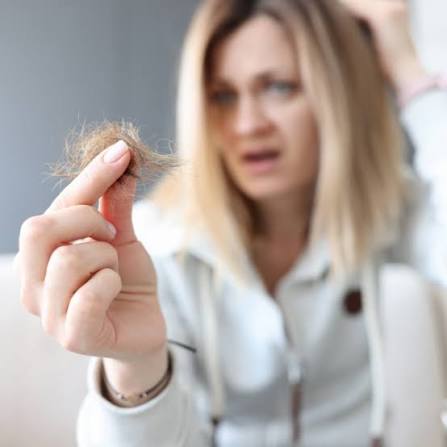
One of the first questions that comes to mind for anyone whose hair is starting to fall out is: Does hair mesotherapy work?, Does it really stop hair loss? The answer depends on the cause of the hair loss and whether the treatment is applied at the right time.
Featured Headlines
ToggleIn this article, we discuss how hair mesotherapy works, in which cases it is effective, and what realistic expectations should be. The general application and composition of the method when applied to the skin What is mesotherapy? You can access it from the content.
How Does Hair Mesotherapy Work?
Hair mesotherapy involves administering a cocktail containing vitamins, minerals, and peptides into the scalp using fine needles. The goal is to nourish and support the microenvironment where hair follicles are located.
This treatment is designed to help weakened hair follicles enter a healthier growth cycle. It may also help improve circulation in the scalp.
Does Hair Mesotherapy Work?
The answer to the question “Does hair mesotherapy work?” depends on the type of hair loss. In cases of early- and mid-stage thinning, where the hair follicles have not completely disappeared, a supportive effect is expected.
However, the method does not create new hair in areas where hair follicles have completely shut down and the roots have been lost. Therefore, the best results are achieved through proper patient selection and realistic expectations.
Does It Stop Hair Loss?
Hair mesotherapy is not a miracle cure on its own; it is difficult to achieve lasting results without addressing the underlying cause of hair loss. If the cause is hormonal or diet-related, that is evaluated first.
In suitable candidates, this method can help slow hair loss and improve the quality of existing hair. It is most effective when used as part of a comprehensive hair health plan.
Who Benefits from Hair Mesotherapy?
The situations in which this method is effective are related to the early stages when the root is still alive. Positive results can be expected in the following individuals:
- Those who notice their hair is starting to thin,
- Those experiencing temporary hair loss due to seasonal changes or stress,
- Those whose hair quality and vitality are declining,
- Those seeking post-hair transplant support (as recommended by a doctor).
What these situations have in common is that the roots have not yet completely disappeared. Early intervention significantly increases the effectiveness of the method.
What Are the Benefits of Hair Mesotherapy?
The benefits of hair mesotherapy focus on nourishing the scalp and supporting existing hair. The most anticipated effects are as follows:
- To nourish the scalp and support the hair follicles,
- To help your existing hair look more vibrant,
- To help slow the rate of shedding,
- To support the overall health of the scalp.
These effects emerge gradually and are supported by regular sessions. It is not realistic to expect a noticeable change after just one session.
How Many Sessions Are Required for Hair Mesotherapy?
The answer to the question “How many sessions of hair mesotherapy are needed?” varies from person to person. Generally, an initial course of several consecutive sessions is planned.
| Stage | Typical Range | Objective |
|---|---|---|
| Starter Regimen | Every 1–2 weeks | Intensive support for the scalp |
| Evaluation | After the treatment | Shedding and changes in quality |
| Maintenance | At regular intervals | Preservation of the result |
The Relationship Between Hair Mesotherapy and Other Methods
Hair mesotherapy can be planned either on its own or in combination with other regenerative methods. The goal is to combine the benefits of different mechanisms.
For those who wish to compare these methods with others, such as PRP and exosomes, Exosomes or PRP? The content may be helpful. As for the general causes of hair loss, our hair mesotherapy page you can examine.
Post-Hair Mesotherapy Care
Taking good care of the scalp after the procedure improves the effectiveness of the process. It is important not to strain the area during the first few hours.
- Avoid washing your hair on the first day,
- Do not apply a vigorous massage to the area,
- On the first day, avoid places like the pool, the ocean, and the sauna,
- Follow the care instructions recommended by your doctor.
Who Should Not Undergo Hair Mesotherapy?
In some cases, the procedure is postponed or not recommended. A proper evaluation is essential for a safe process.
- People who are pregnant or breastfeeding,
- People with an active infection or wound on the scalp,
- People with known allergies to any of the ingredients,
- People with uncontrolled chronic conditions.
For this reason, a comprehensive preliminary assessment is conducted before treatment begins. For the scientific background of hair mesotherapy, the literature on hair mesotherapy you can take a look.

Why Are Realistic Expectations Important?
Hair mesotherapy is a method that supports weakening hair follicles; it is not a substitute for hair transplantation. It may not be sufficient on its own for advanced cases of hair loss.
When used with the right expectations and at the right time, it makes a meaningful contribution to preserving existing hair. The best results are achieved when combined with healthy lifestyle habits and regular follow-up.
Factors Affecting Hair Mesotherapy
The outcome of the procedure depends not only on the procedure itself but also on many other factors. The type of hair loss, the timing of the treatment, and overall health directly affect the outcome. For this reason, the same procedure may yield different results in different individuals. Realistic expectations are formed by evaluating these factors.
- Whether hair loss occurs in the early or advanced stages,
- Whether the roots are alive and active,
- Hormonal balance and nutritional status,
- Maintaining a regular schedule of sessions,
- General stress and sleep patterns.
A Holistic Approach to Hair Loss
Hair health is maintained not through a single treatment, but through a holistic approach. Any method applied without first accurately identifying the cause of hair loss will be ineffective. For this reason, hair mesotherapy is often considered part of a broader plan. Nutrition, lifestyle, and proper care form the foundation of this plan.
- Investigating the underlying cause of the spill,
- Ensuring a balanced intake of iron and vitamins in the diet,
- A gentle hair care routine that doesn't strain the scalp,
- Planning different methods in combination when necessary.
Pre-Treatment Assessment for Hair Mesotherapy
An evaluation conducted prior to the procedure enhances both safety and the predictability of the outcome. The condition of the scalp, the type of hair loss, and the patient’s general medical history are assessed. This step ensures that the treatment plan and session schedule are tailored to the individual. An accurate evaluation also helps prevent unrealistic expectations.
- Examination of the scalp and existing hair,
- Determining the type and rate of shedding,
- Sharing information about medications currently being taken and allergy history,
- Discussing goals and expectations.
Common Mistakes in Hair Care
There are some common mistakes that reduce the efficiency of the process. Avoiding these mistakes helps ensure a successful outcome.
- Noticing hair loss too late and delaying the appointment,
- Stopping the process midway without adhering to the session intervals,
- Neglecting your diet and sleep routine,
- Using harsh products that irritate the scalp.
The Importance of Patience in Hair Mesotherapy
Results in hair health do not appear quickly; they emerge gradually. Since the hair growth cycle takes time, a reduction in hair loss and an improvement in hair quality become noticeable after a few sessions. Therefore, giving up in the early stages reduces the effectiveness of the process. A patient and consistent approach is the best strategy.
In addition, expectations should be realistic based on the type of hair loss. The method supports weakened hair follicles but does not provide a standalone solution for advanced hair loss. Proper timing and regular sessions are the most important factors in determining the outcome.
Lifestyle After Hair Mesotherapy
The effectiveness of the treatment is closely linked to daily habits outside of sessions. Hair health is supported by the combined effects of many factors, such as nutrition, sleep, and stress management. Therefore, the sessions yield meaningful results when combined with a healthy lifestyle. The app alone may not produce the expected results if paired with a neglected lifestyle.
- Eating a balanced diet rich in iron, zinc, and vitamins,
- Maintaining an adequate and regular sleep schedule,
- Developing habits to manage stress,
- Use a gentle hair care routine that doesn't strain the scalp.
Process Monitoring and Evaluation
In hair mesotherapy, results are evaluated effectively through regular follow-ups. A slowdown in hair loss and improvements in hair quality become apparent over time. These follow-ups also allow the treatment plan to be updated as needed.
- Saving the initial state,
- Monitoring changes in shedding intensity,
- Assessment of improvements in hair quality,
- Revising the plan if necessary.
Individual Differences in Hair Mesotherapy
The same treatment may produce results at different rates in two different people. This is because the hair growth cycle and the structure of the scalp vary from person to person. Therefore, your own assessment—not someone else’s experience—should serve as your guide. A realistic comparison is possible only through personalized monitoring.
At Medlook, every treatment is customized following a detailed hair and health assessment. To learn more about hair mesotherapy, contact us you can contact.
Contact Us
Contact Us Now for Free Consultation and Appointment!
Frequently Asked Questions (FAQ)
No. The method supports weakening but still viable hair follicles; it does not promote new hair growth from follicles that have been completely lost. For more advanced cases of hair loss, different solutions are considered.
Since very fine needles are used, discomfort is usually mild. You may feel a brief pricking sensation on the scalp, but most people tolerate the procedure comfortably.
The effects are gradual. A reduction in hair loss and improved hair quality are typically observed during the later sessions of the treatment and after its completion.
In some treatment plans, different methods can be used in a way that complements each other. The suitability of this combination is determined after your hair condition has been assessed.
It is generally recommended to avoid washing your hair on the first day. You can wash it gently the next day; your doctor will provide the most appropriate guidance after the procedure.
A course of treatment consisting of several consecutive sessions is typically planned. The exact number of sessions is determined after evaluating the type of hair loss and the condition of the scalp.





 Turkish
  English
  German
  French
  Italian