

A dazzling smile boosts self-confidence, impresses people and makes you feel happier overall. However, our teeth can discolor and lose their luster over time. Fortunately, there are simple but effective ways to get a bright smile. In this article, teeth whitening and you will discover 8 valuable tips to have a healthy smile.
Featured Headlines
ToggleWhy Should We Have a Bright Smile?
A radiant smile with white teeth not only provides an aesthetic advantage, but also positively affects our overall health and happiness. Here are the values that a bright smile adds to our lives:
- Boosts Self-Confidence: Having healthy and white teeth makes us feel better about ourselves and boosts our self-confidence. A beautiful smile helps us feel more comfortable in social situations and express ourselves better.
- Strengthens Social Relationships: Smiling facilitates communication and gives the other person a feeling of warmth and sincerity. An attractive smile allows us to connect with people more easily and develop positive relationships.
- Increases the Level of Happiness: Smiling triggers the release of endorphins in the brain, increasing feelings of happiness and well-being. A sincere smile makes both ourselves and those around us feel happier.
A bright smile positively affects not only our outward appearance, but also our inner world. For this reason, dental healthTaking care of our teeth and having white teeth is an important step towards our overall health and happiness.
What are the Causes of Yellow Teeth?

Bright smileOne of the biggest obstacles to having healthy teeth is the yellowing of teeth over time. So, why do our teeth turn yellow? Before we get to the tips, understanding the underlying causes of tooth discoloration is the first step to creating an effective whitening strategy.
The natural color of tooth enamel is white, but various factors can cause this whiteness to fade over time and teeth to turn yellow. These factors include:
- Food and Drinks: Drinks such as coffee, tea, red wine, cola and some fruit juices can stain tooth enamel and cause discoloration.
- Cigarettes and Tobacco Products: Smoking and other tobacco products cause yellow and brown stains on teeth.
- Inadequate Oral Care: Failure to brush and floss regularly and correctly can lead to plaque build-up and yellowing of the teeth.
- Aging With age, the enamel naturally becomes thinner and the yellowish dentin layer underneath becomes more visible.
- Genetic Factors: Some people may have naturally yellow enamel or be more prone to staining.
- Some Medicines: Some antibiotics and mouthwashes can cause tooth discoloration.
- Trauma or Injuries: Impacts or injuries to the teeth can cause damage to the internal structure of the tooth and discoloration.
Determining the cause of yellowing of your teeth is important to choose the appropriate treatment method and get a bright smile. For this reason, you can consult your dentist to find out the cause of yellowing of your teeth and create a customized treatment plan for you.
Now, let's move on to important tips for a radiant smile!
1. Brush Your Teeth Regularly
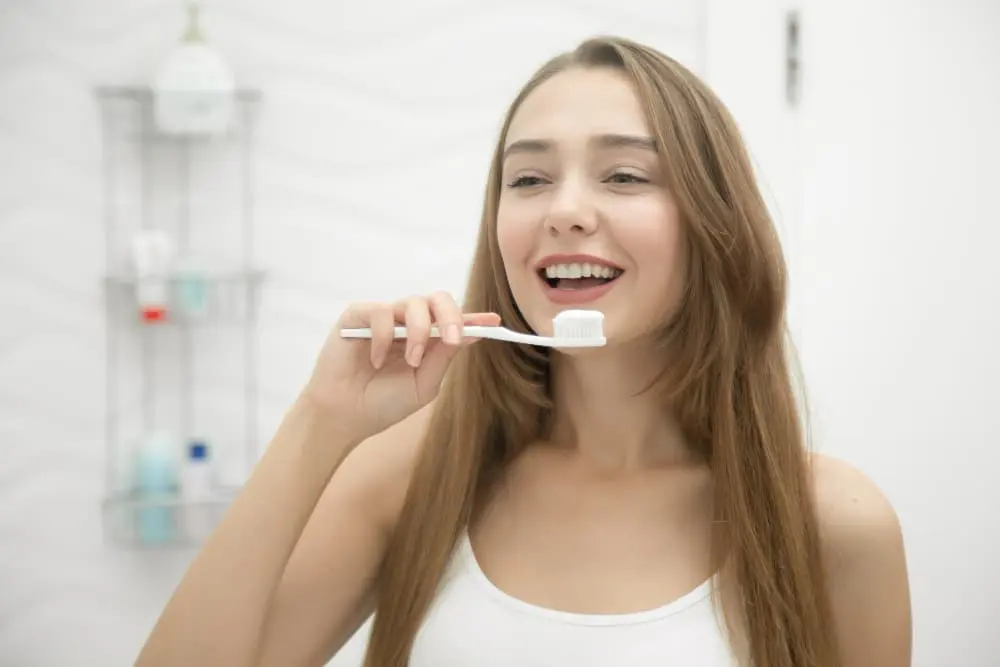
The foundation of a bright smile, regular and correct tooth brushing habits. By brushing your teeth, you prevent plaque and bacteria build-up, prevent gum disease and maintain the natural whiteness of your teeth.
Which toothbrush and toothpaste to choose?
When choosing a toothbrush, a soft bristle brush is important to prefer. Hard-bristled brushes can damage tooth enamel and cause gum recession. You can also choose your toothbrush Change every 3-4 months recommended.
If you have tooth sensitivity, toothpastes specially formulated for sensitive teeth you may prefer. Also, whitening toothpastes can also help maintain the whiteness of your teeth.
Correct Brushing Techniques
To brush your teeth effectively, it is important to apply the right techniques. Toothbrush At a 45-degree angle towards the gum hold it and in a circular motion brush it. All tooth surfaces (front, back and chewing surfaces). You can also prevent bad breath by brushing your tongue.
Duration and Frequency of Tooth Brushing
Your teeth at least twice a day, morning and evening, for at least 2 minutes brushing is recommended. If brushing your teeth after meals is not possible, you can remove food debris by rinsing your mouth with water or chewing sugar-free gum.
Use of Dental Floss and Mouthwash
Brushing alone cannot completely remove plaque and food debris from between teeth. For this reason, flossing between your teeth at least once a day is important. Also, using mouthwash You can reduce the number of bacteria in the mouth and prevent bad breath.
2. Take Care to Use Dental Floss
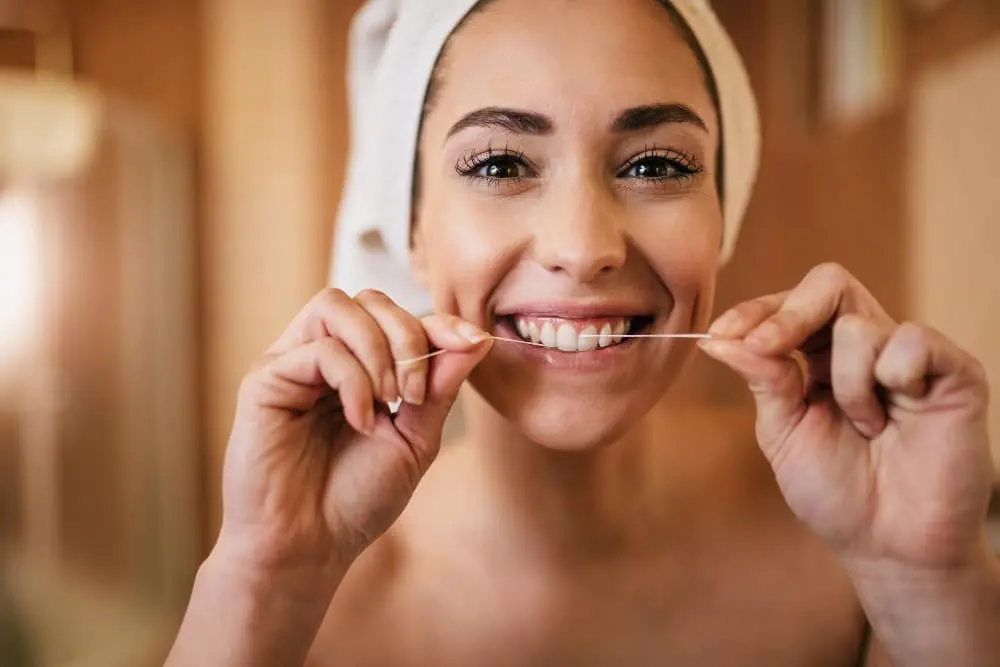
While tooth brushing is the basis of oral health, flossing is also essential. bright smile is an indispensable step for gum disease. It prevents tooth decay and gum diseases by removing plaque and food residues between the teeth where the toothbrush cannot reach.
The Importance of Dental Floss
Floss reaches into the narrow spaces between the teeth and removes plaque and bacteria accumulation in areas that a toothbrush alone cannot clean. This reduces the risk of problems such as tooth decay, gingivitis and bad breath. It can also help your teeth look whiter, as plaque buildup can cause teeth to turn yellow.
Correct Flossing
Flossing correctly is important for effective cleaning. Here is how to floss correctly step by step:
- Cut enough dental floss: Cut a piece of floss about 45-50 cm long.
- Wrap the string around your fingers: Wrap most of the rope around your middle fingers, leaving a gap of about 5 cm between your two hands.
- Place gently between the teeth: Slowly and gently slide the thread between your teeth. Be careful not to damage your gums.
- Create a C shape: Wrap the string in a C-shape around your tooth and gently move it up and down the tooth surface.
- Clean all interdental spaces: Floss a clean section between each tooth.
By making flossing part of your daily oral care routine, you can have a healthy and bright smile.
3. Use Teeth Whitening Products
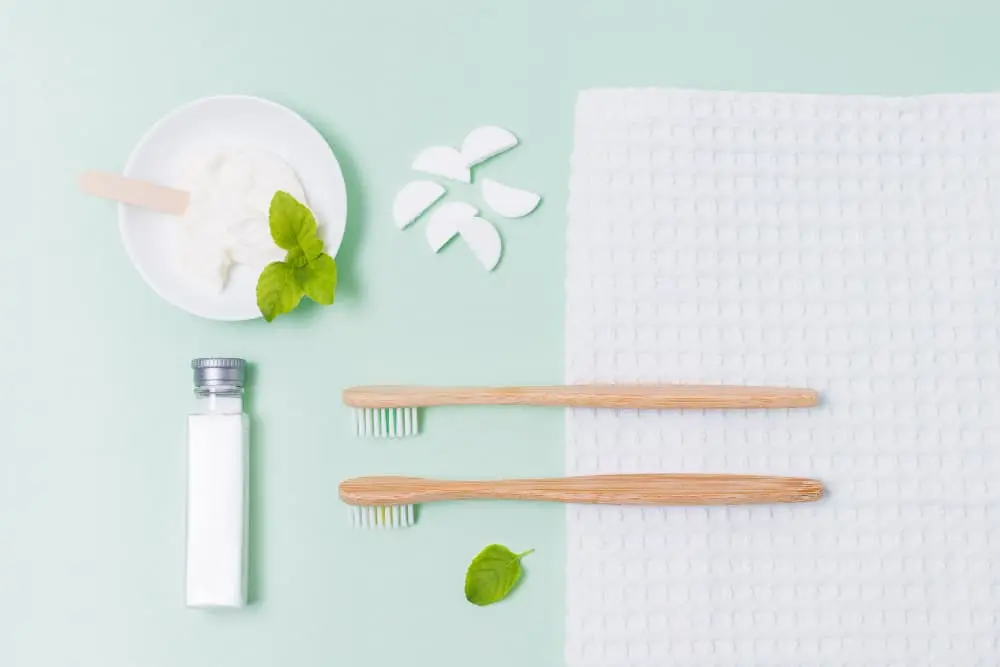
As well as brushing your teeth regularly, teeth whitening ürünlerini kullanarak gülüşünüzün parlaklığını artırabilirsiniz. Bu ürünler, dişlerdeki lekeleri gidermeye ve doğal beyazlığı geri kazanmaya yardımcı olur. Piyasada birçok farklı teeth whitening ürünü bulunmaktadır, ancak en yaygın olanları şunlardır:
- Teeth Whitening Toothpastes: Thanks to their special formulas, these pastes help to remove superficial stains and make teeth appear whiter. They can give effective results with regular use, but do not provide deep whitening.
- Teeth Whitening Strips: These products, in the form of thin, flexible strips, are applied to the front surface of the teeth and left for a certain period of time. Thanks to the whitening agents they contain, they remove stains and whiten teeth.
- Teeth Whitening Pens: Portable and easy to use, these pens are applied directly on the teeth. The whitening gel they contain targets the stains on the teeth and provides a whitening effect.
- Teeth Whitening Gels: These gels are applied to the teeth with the help of specially designed mouthpieces. Thanks to the strong whitening agents they contain, more effective results can be achieved. However, they should be used with caution in people with tooth sensitivity.
A Sparkling Start with Professional Teeth Cleaning
Before using teeth whitening products, a professional tooth cleaning is recommended. Your dentist will remove plaque and tartar buildup from your teeth, making teeth whitening products more effective. Your dentist can also recommend suitable teeth whitening products and methods.
A Dazzling Smile with Professional Teeth Whitening
In cases where home remedies are inadequate, professional teeth whitening procedures you can achieve much more effective and faster results. With methods such as laser teeth whitening or office whitening applied by our expert dentists at Medlook, you can get rid of the stains on your teeth and have a dazzling smile.
You can have a radiant smile with the professional teeth cleaning and whitening services we offer at Medlook. For detailed information, please visit our related pages.
Teeth whitening products vary to suit different needs and budgets. It is important to consult your dentist to determine which product is most suitable for you. Also, when using these products, it is necessary to pay attention to the instructions for use and avoid using them for longer than the recommended periods.
4. Pay Attention to Your Nutrition

The food and drinks you consume can directly affect the color of your teeth. It is important to pay attention to your eating habits to whiten your teeth and maintain their brightness.
Foods that Whiten Teeth
- Milk and Dairy Products: Dairy products such as milk, yogurt and cheese, which are rich in calcium and phosphorus, strengthen tooth enamel and increase its resistance to staining.
- Apples, pears, carrots: When chewed, these hard fruits and vegetables naturally clean teeth and prevent plaque build-up.
- Strawberry Thanks to the malic acid it contains, it can help to slightly remove stains on the teeth.
- Broccoli and spinach: These green leafy vegetables can prevent staining by creating a barrier that protects tooth enamel.
- Su: Drinking plenty of water protects tooth enamel and reduces staining by balancing the acid level in the mouth.
Food and Drinks that Stain Teeth
- Coffee and tea: Drinks such as coffee and tea can cause teeth staining due to the tannins they contain.
- Cola and Other Acidic Drinks: Acidic drinks can erode tooth enamel and cause teeth to stain more easily.
- Red Wine Red wine can cause teeth staining due to the pigments it contains.
- Sauces and Seasonings: Dark sauces and spices such as curry, soy sauce and tomato sauce can stain teeth.
- Fruit Juices Especially dark-colored fruit juices can stain tooth enamel and cause staining.
Rinsing your mouth with water or brushing your teeth after consuming these foods and drinks can help reduce the risk of staining.
5. Limit Sugar Consumption
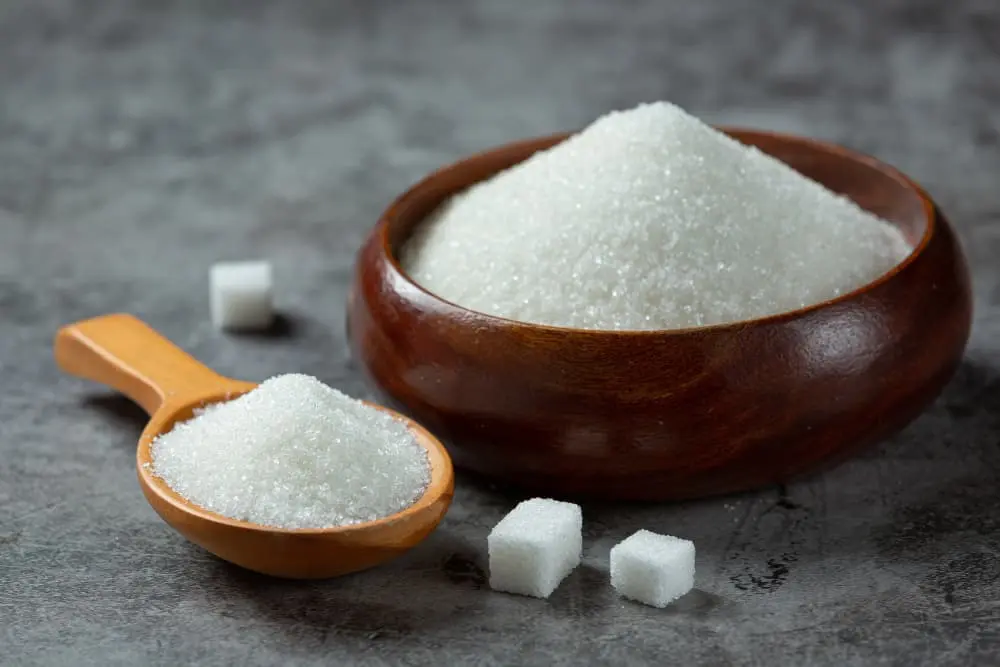
Sugar, dental healthis one of your teeth's biggest enemies. Excessive sugar consumption can lead to tooth decay and damage to tooth enamel, which can cause your teeth to turn yellow and lose their luster.
The Effects of Sugar on Dental Health
Bacteria in our mouths break down sugar to produce acid. This acid erodes tooth enamel, setting the stage for tooth decay. In addition, prolonged exposure to sugary foods and drinks accelerates plaque formation and contributes to yellowing of the teeth.
Alternative Snacks
Limiting your sugar intake is important for maintaining your dental health and a bright smile. Instead of sugary snacks, you can choose the following healthy alternatives:
- Fruits and Vegetables: Fibrous fruits and vegetables such as apples, pears, carrots and cucumbers are both healthy and tooth-friendly. They naturally clean teeth while chewing and prevent plaque formation.
- Yogurt and cheese: Yogurt and cheese, which are rich in calcium, strengthen tooth enamel and protect against cavities.
- Nuts Nuts such as almonds, walnuts and hazelnuts contain healthy fats and protein. However, you should avoid sugary or salty varieties that can stick to your teeth.
- Sugar Free Gum: Chewing sugar-free gum increases salivation, balances the acid level in the mouth and protects tooth enamel.
By choosing healthy snacks, you can maintain your overall health and support the whiteness and brightness of your teeth.
6. Use Mouthwash
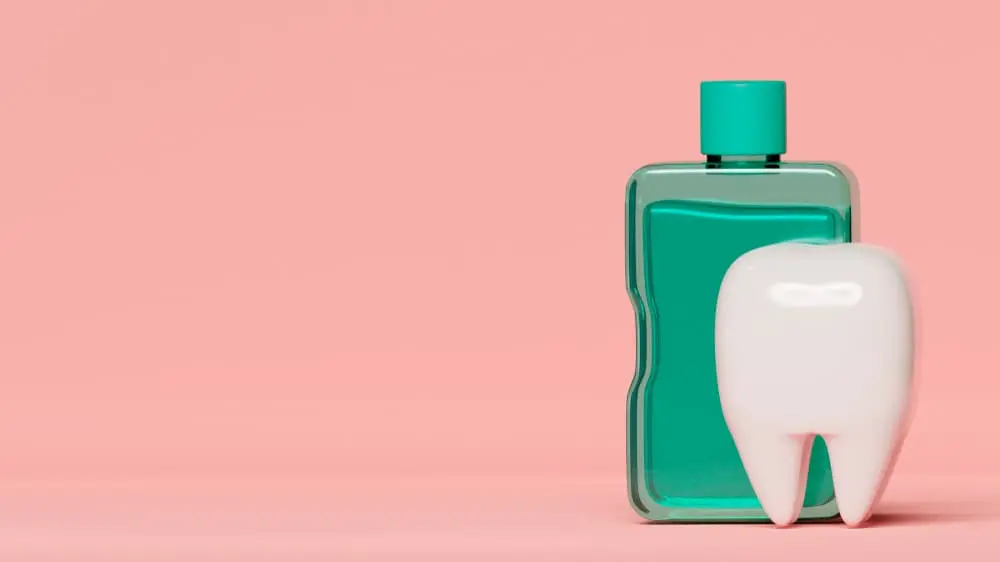
Mouthwash is an effective addition to your oral care routine after brushing and flossing. Reaching areas that toothbrushes and floss cannot reach, oral healthand contributes to a bright smile.
Benefits of Mouthwash
There are many benefits of using mouthwash:
- Plaque and bacteria control: Mouthwash helps reduce the formation of plaque and bacteria in areas cleaned by brushing and flossing.
- Preventing bad breath: It prevents bad breath by targeting the bacteria that cause bad breath and provides a fresh breath.
- Supporting gum health: Some mouthwashes can help prevent gingivitis and support gum health.
- Strengthening tooth enamel: Mouthwashes containing fluoride strengthen tooth enamel and protect against cavities.
- Tooth whitening: Some mouthwashes can help remove superficial stains and whiten teeth.
Correct Mouthwash Usage
Using mouthwash correctly is important to ensure maximum benefit:
- Brush and floss your teeth: Mouthwash is only a complementary step, not a substitute for brushing and flossing.
- Use the right amount: Use the amount of mouthwash indicated on the product label. Usually 20-30 ml is sufficient.
- Swish it in your mouth: Swish the mouthwash in your mouth for 30 seconds to 1 minute. During this time, try to get the mouthwash between your teeth and at the gum line.
- Spit it out: After the gargle time is up, spit out the mouthwash. Be careful not to swallow.
- Do not rinse your mouth with water: Do not rinse your mouth with water after gargling. This may reduce the effect of the mouthwash.
- Use it twice a day: You can use mouthwash twice a day, morning and evening after brushing your teeth.
Mouthwash, when used regularly and as recommended by your dentist, is an effective aid for maintaining your oral health and a bright smile.
7. Avoid Smoking and Alcohol Consumption
Just as smoking and alcohol are harmful to our overall health, dental healthIt also negatively affects our teeth and the brightness of our smile. Avoiding these harmful habits is an important step towards maintaining the whiteness of your teeth and having a healthy mouth.
Negative Effects of Smoking on Teeth
Smoking is one of the most important factors that cause yellowing and staining of teeth. The nicotine and tar in its content adhere to the tooth enamel and form yellow and brown stains.
In addition, smoking causes dry mouth, which leads to reduced salivation and disrupts the natural cleaning mechanism of the teeth. Saliva protects teeth from acids and prevents plaque build-up. Smoking also increases the risk of gum disease, which can lead to gum recession and tooth loss.
Effects of Alcohol on Dental Health
Alcohol consumption also has negative effects on dental health. Alcohol causes dry mouth, reduces salivation and increases the risk of tooth decay. In addition, some alcoholic drinks, especially red wine, can stain tooth enamel, leading to staining. Excessive alcohol consumption can also increase the risk of developing gum disease and oral cancer.
Avoiding smoking and alcohol consumption not only protects your dental health, but also improves your overall health. By adopting a healthier lifestyle, you can have a bright smile and a happier life.
8. Don't Neglect Regular Dental Checkups

The secret to a bright smile is not limited to home care. Regular dental check-ups are one of the most important steps to protect your oral and dental health and to have a radiant smile.
The Importance of Visiting the Dentist
Regular visits to the dentist are important not only after problems arise, but also for preventive health care. By assessing your oral and dental health, your dentist can identify potential problems early and provide the necessary treatment. He or she can also help you protect your teeth more effectively by providing you with customized oral care recommendations.
Early Detection of Dental Problems
Many dental problems such as tooth decay, gum disease and oral cancer may not show symptoms in their early stages. Thanks to regular dental check-ups, these problems can be diagnosed early and treated more easily. Early diagnosis both shortens the treatment process and makes it less costly.
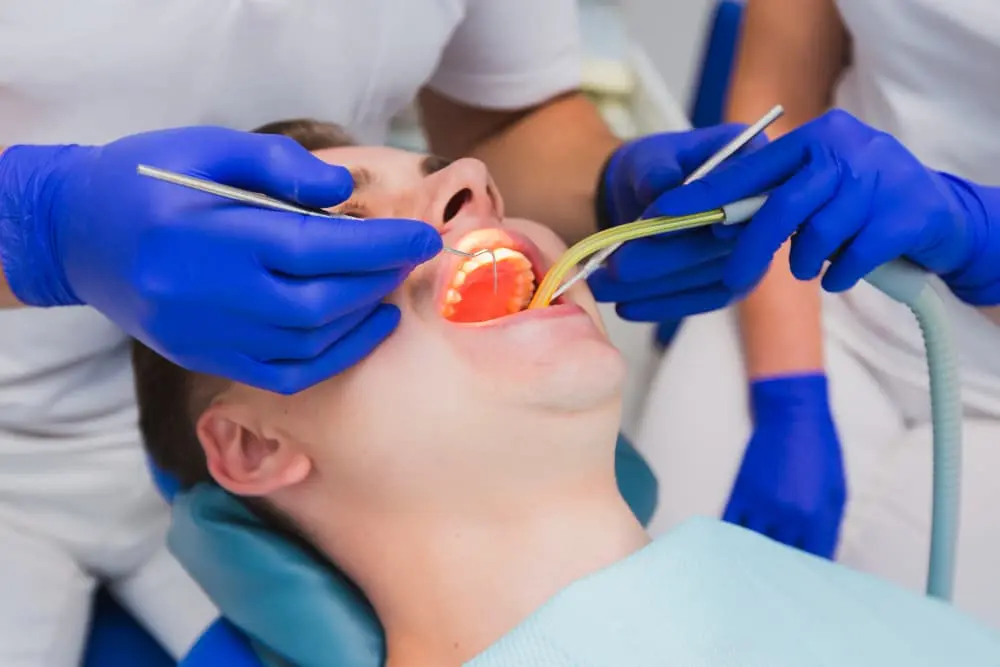
Tartar Removal: The Key to Healthy Gums and a Radiant Smile
Tartar is hardened plaque and mineral deposits that accumulate on the surface of your teeth. This hard layer, which cannot be completely removed by brushing and flossing, can lead to gingivitis, recession and even tooth loss.
Professional tartar removal, is a procedure in which your dentist removes tartar and stains from your teeth using special tools. In this way, the natural whiteness of your teeth is revealed, your gum health is protected and bad breath is prevented. It is not only an aesthetic concern, but also extremely important for your oral health.
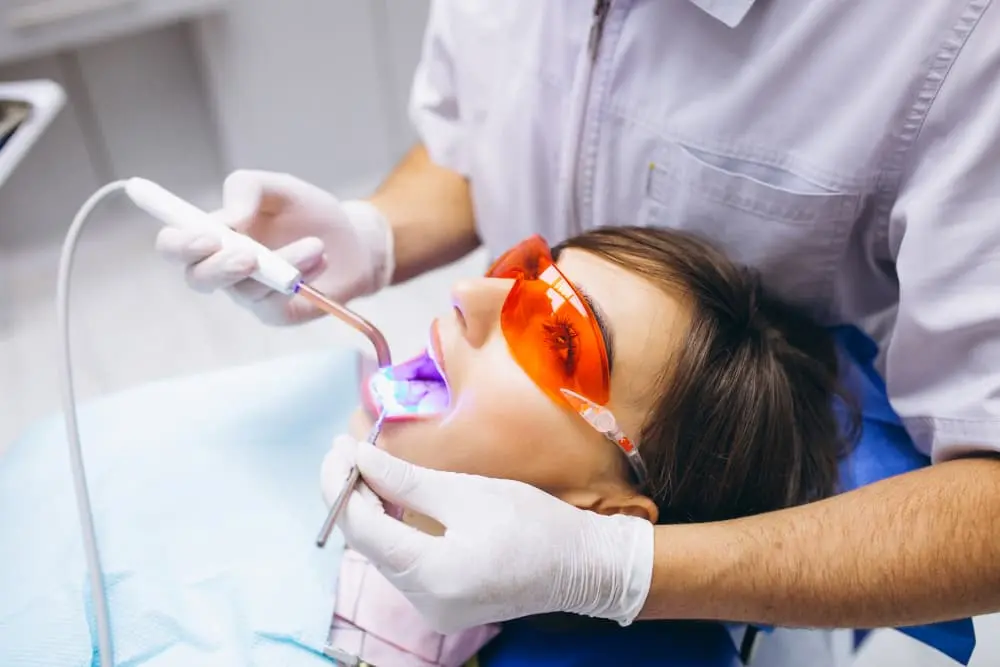
Professional Teeth Whitening: Fast and Safe Access to the Whiteness You Want
Applied at home teeth whitening While these methods can be effective for superficial stains, professional teeth whitening procedures offer much more successful results for deeper and stubborn stains.
At Medlook, you can lighten the color of your teeth by several shades and get a dazzling smile with methods such as laser teeth whitening or in-office whitening applied by our expert dentists. Professional teeth whitening procedures are carried out in a safe and controlled manner without damaging the tooth enamel.
In Medlook You can achieve the smile of your dreams with the professional teeth cleaning and whitening services we offer. Do not hesitate to call us for detailed information and appointments!
Natural Home Remedies for Whitening Teeth
Professional teeth whitening Alternatively, some natural methods that you can apply at home can also support the whiteness of your teeth. These methods can help remove light stains and bring out the natural brightness of your teeth. However, keep in mind that these methods may not be as effective as professional whitening and are not a substitute for regular dental check-ups.
- Banana Peel Minerals such as potassium, magnesium and manganese in the inside of the banana peel can strengthen tooth enamel and reduce the formation of stains. Apply the inside of the banana peel to your teeth and leave it on for a few minutes and then brush your teeth.
- Orange Peel and Bay Leaf: The limonene in orange peel and the essential oils in bay leaf can be used as natural whitening agents. Make a paste by mixing orange zest and crushed bay leaf. Apply this paste to your teeth, leave it on for a few minutes and then brush your teeth.
- Green Tea Thanks to the polyphenols it contains, green tea can prevent plaque formation and help whiten your teeth. Drinking a few cups of green tea a day or brewing green tea and rinsing your mouth can help maintain the whiteness of your teeth.
It is important to consult your dentist before trying these natural methods, as some methods may not be suitable for everyone and can cause tooth sensitivity. Also, these methods are not a substitute for professional teeth whitening procedures and may be effective for lighter stains.
Important: Teeth whitening with natural methods requires patience and regular application. Professional teeth whitening procedures, on the other hand, offer faster and more effective results. For more information about the professional teeth whitening services we offer at Medlook, you can call us or visit our related page.
Other Articles

Saç Dökülmesine İyi Gelen Yağlar: 5 Öneri 2026

Saç Dökülmesi Hangi Doktora Gidilir? 2026 Rehberi

Çocuklarda Saç Dökülmesi Nedenleri 2026 Rehberi

Kadınlarda Saç Dökülmesi Neden Olur? 2026 Rehberi






 Turkish
  English
  German
  French
  Italian